Address
304 North Cardinal St.
Dorchester Center, MA 02124
Work Hours
Monday to Friday: 7AM - 7PM
Weekend: 10AM - 5PM
Address
304 North Cardinal St.
Dorchester Center, MA 02124
Work Hours
Monday to Friday: 7AM - 7PM
Weekend: 10AM - 5PM


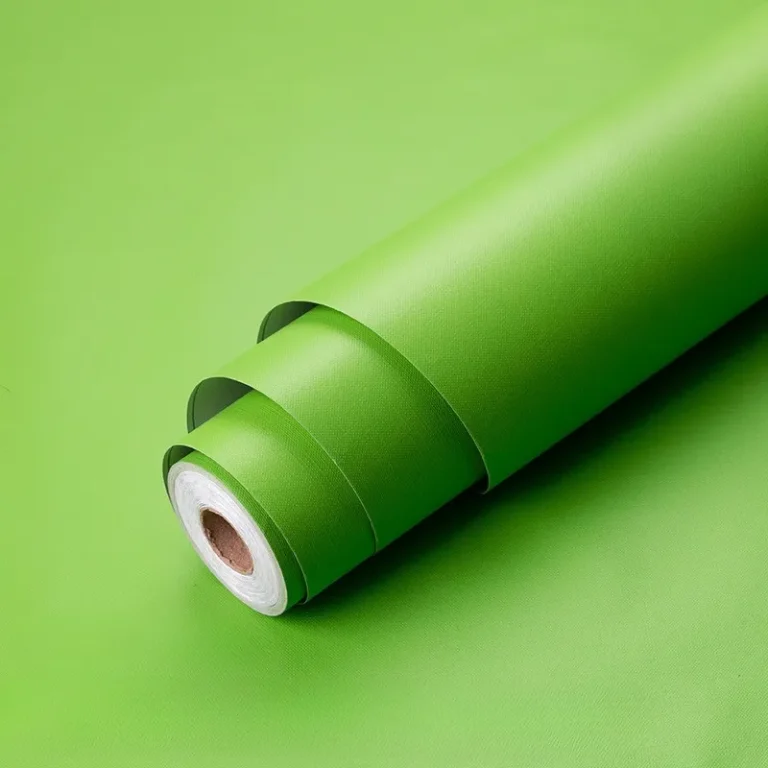
A customized Wood PVC film is a high-performance decorative wrap designed to replicate real woodgrain while adding practical benefits like moisture resistance, scratch tolerance, and easy cleaning. For furniture makers, door factories, and interior contractors, it delivers a consistent “wood look” across batches and projects—without the limitations of natural veneer such as knots, cracking, or color variation. Whether you are upgrading cabinet doors, wrapping MDF panels, or finishing interior wall sections, Wood PVC film provides a scalable, production-friendly solution that looks premium and lasts.
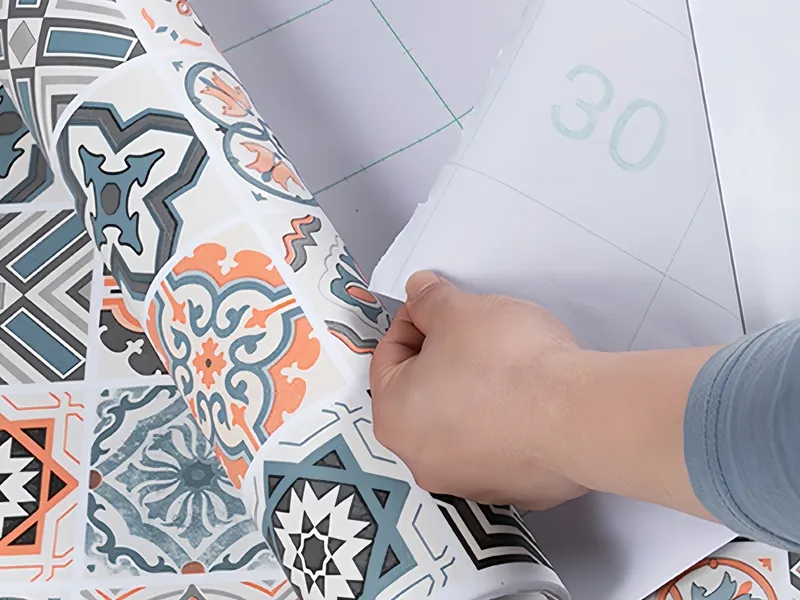
Key idea: you get the warmth of wood aesthetics with the reliability of engineered material performance.
Customization is more than picking a wood tone. In professional production, “custom” should match your processing method, substrate, end-use environment, and brand design language. With Pulivk Film’s full-process capability—calendering, printing, and slitting/packaging—specifications can be tuned for factory efficiency and stable output.
Choose from classic oak, walnut, teak, ash, or modern washed tones. For branding and project consistency, color matching can be aligned to your target sample under defined lighting. If you want a more tactile premium feel, consider texture options such as embossing or 3D effects that visually and physically elevate the surface.
Tip: When comparing woodgrain samples, evaluate them on the same substrate (e.g., MDF vs. plywood) and at the same gloss level; these two factors can change perceived color significantly.
Thickness impacts wrapping stability, handling, and durability. Width and roll size should be aligned with your laminator capacity, press size, or door panel dimensions to reduce waste. For high-volume cabinet lines, optimized slitting and roll configuration can reduce changeover time and improve overall yield.
Wood PVC film can be supplied with glossy, matte, or soft-touch looks. For special environments, optional functional treatments may include anti-static, anti-fog, or food-grade coatings depending on use cases. When specifying a finish, define the cleaning routine and expected contact (hands, oils, disinfectants) so the film can be engineered accordingly.
Each roll can be slit and packed to your requirements, commonly protected with dust-proof PE film or kraft paper and labeled with clear specs. This helps reduce transit damage, speeds warehouse verification, and improves batch traceability for your production line.
A durable woodgrain wrap is ideal where both aesthetics and maintenance matter. It is widely used on interior-facing products and panels, especially when the project demands uniform appearance across multiple rooms, floors, or building phases.
Cabinet doors, wardrobes, desks, and tabletops benefit from a surface that is easier to clean and more resistant to everyday wear. Wood PVC film also helps standardize the look across different suppliers and production batches—especially important for chain retail and apartment fit-outs.
For a dedicated option focused on wood aesthetics, you can explore Wood Grain Film.
Interior doors, door frames, and decorative wall panels require a finish that remains stable under frequent touch and cleaning. Compared with painting, wrapping can deliver faster throughput and consistent tone matching across frames, trims, and panels.
Matching skirting and trim to doors and cabinets creates a cohesive interior style. If your project includes baseboards or skirting solutions, PVC skirting film can help maintain consistent design language across the entire room.
Many brands build “collection sets” where woodgrain is paired with marble accents, solid-color panels, or glossy wardrobe doors. If you need complementary materials, consider Marble Film for feature walls and Glossy Wardrobe Film for modern cabinet fronts—so the whole space feels intentional rather than mixed.
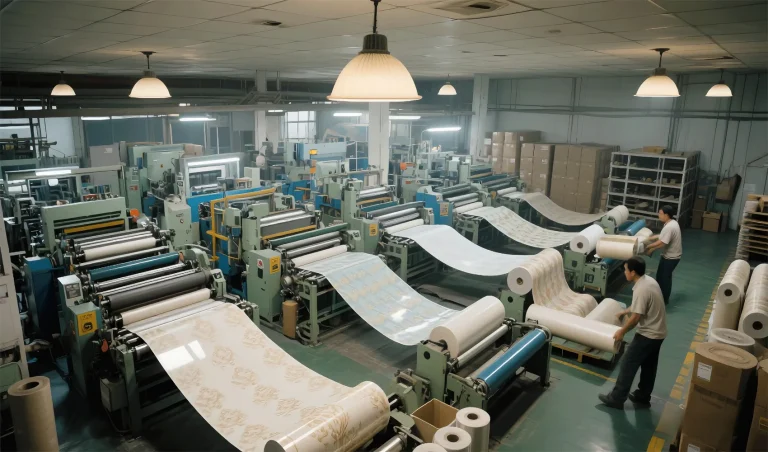
Not all PVC films perform the same. A dependable supplier should be able to control the full chain—from material formulation to printing registration to final roll packaging. Pulivk Film’s integrated lines help reduce variability, which is critical when you are producing hundreds or thousands of doors or panels per order.
Calendering produces films with consistent thickness and mechanical properties, making them easier to laminate and wrap. For reference, you can review Calendered Film specifications as a baseline when discussing performance and process compatibility.
High-quality woodgrain relies on accurate printing and controlled color density to create depth—grain transitions, pores, and natural variations without visual banding. When paired with embossing, the pattern can “sync” with the texture for a more realistic feel.
QC checkpoints commonly include:
Start with what you are wrapping: MDF, particle board, plywood, aluminum composite, or interior PVC boards. Then define your process: membrane press, flat lamination, profile wrapping, or self-adhesive application. A film that performs well on a flat panel may behave differently on sharp edges or deep door grooves.
Consider heat near kitchens, humidity in bathrooms, and high-touch areas like hotels or offices. If the product will be frequently cleaned with disinfectants, specify the cleaning chemical type so the film can be aligned to those conditions.
Deep emboss and matte finishes look premium but may show fingerprints differently than satin finishes. If the project prioritizes easy cleaning—such as rental apartments, hospitality rooms, or commercial offices—select a finish that hides marks and can be wiped down repeatedly.
✔ Quick specification checklist:
Pulivk Film focuses on R&D and production of PVC films, covering calendered film, decorative film, flooring film, soft-touch film, transparent film, and more—serving furniture, construction, electronics, advertising, medical, and home industries. With integrated production lines for calendering, printing, and slitting/packaging, the factory can manage critical steps in-house, supporting stable quality and responsive lead times.
OEM services can cover custom thickness and width, roll configuration, surface finish, color matching, printing pattern development, and packaging design. If you have an existing sample, it can be used as a benchmark for pattern and color alignment; if you only have a concept, the team can support pattern selection and iterative sampling.
For factories and project contractors, supply reliability is as important as aesthetics. Scientific production planning, inventory management, and multi-step QC help deliver consistent rolls with clear labeling—supporting smoother receiving, faster line setup, and fewer disputes caused by batch variation.
Interior materials must be both durable and safe. Pulivk Film uses eco-friendly, non-toxic inks suitable for interior decoration and human contact scenarios. For compliance-driven buyers, films can be aligned with common requirements such as ISO management systems and regulations like REACH and RoHS, with relevant reports available upon request.
Important: If your market requires specific testing (e.g., low VOC, food-contact, anti-bacterial), confirm the standard and intended application early so the correct material system and documentation are prepared.
Store rolls in a clean, dry area away from direct sunlight and extreme temperatures. Keep packaging intact until production to avoid dust contamination that can affect lamination appearance. During transport, moisture protection and proper pallet stability reduce edge damage and telescoping.
Substrates should be smooth, dry, and free of oil or powder. For doors and panels, ensure corners are properly machined and sealed where required; sharp edges can increase the risk of lifting during long-term use.
Before full production, run a trial to verify adhesion behavior, edge performance, color under your shop lighting, and resistance to your real cleaning routine. Sampling is especially important when changing substrate supplier, adhesive system, or press temperature profile.
PVC film is a thin sheet made of polyvinyl chloride used for decorative and functional surfaces. Woodgrain PVC film is popular because it combines consistent design with durability and easy maintenance for furniture, doors, and interior panels.
Yes. Customization can include thickness, width, roll length, gloss level, emboss texture, color/pattern matching, functional surface treatments, and export-ready packaging.
MOQ depends on the product type, specifications, and how much customization is involved. Many suppliers support small trial orders as well as large-scale production; share your target specs to confirm the exact MOQ.
Prepare key details such as application (door/panel/furniture), thickness, width, desired pattern, finish (matte/glossy), and estimated quantity. This helps the supplier recommend the best structure and respond with accurate pricing and lead time.
Many interior-grade PVC films can meet common compliance requirements (e.g., REACH, RoHS, ISO systems), and documentation can be provided when needed. Confirm the exact market requirement and intended use early to match the right material and reporting.