Address
304 North Cardinal St.
Dorchester Center, MA 02124
Work Hours
Monday to Friday: 7AM - 7PM
Weekend: 10AM - 5PM
Address
304 North Cardinal St.
Dorchester Center, MA 02124
Work Hours
Monday to Friday: 7AM - 7PM
Weekend: 10AM - 5PM


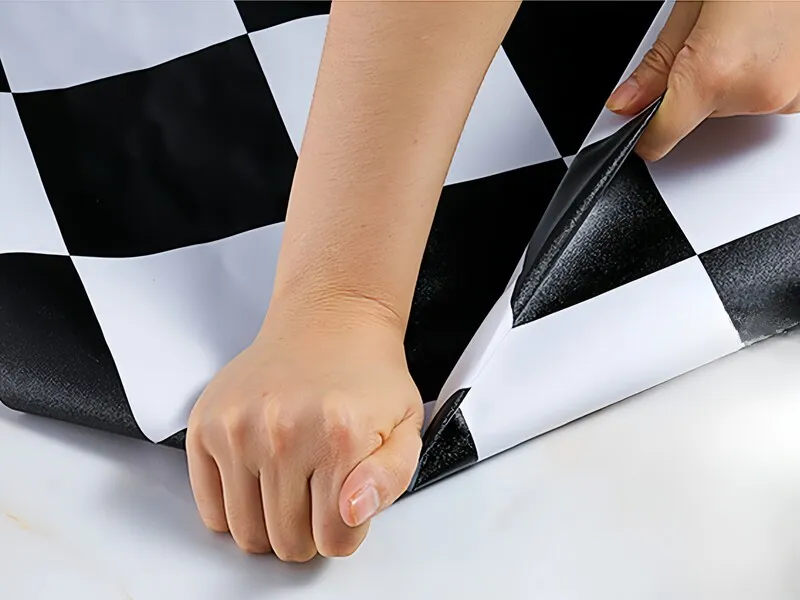
High-gloss PVC film is a practical way to upgrade furniture and interior panels with a sleek, mirror-like finish—without the cost and complexity of repainting or replacing boards. When engineered correctly, a customized high gloss PVC film delivers durability, scratch resistance, and easy cleaning, making it ideal for cabinet doors, wardrobes, wall panels, and commercial interiors where appearance and performance must last.

Customized high gloss PVC film is a decorative and protective PVC layer designed to wrap or laminate onto substrates such as MDF, plywood, particle board, PVC board, and composite panels. The “customized” part means you can tailor core parameters—like thickness, width, gloss level, color system, embossing, and functional coatings—so the finished surface matches your design intent and real-world usage conditions.
High-gloss surfaces are often chosen for modern kitchens, retail fixtures, hotel rooms, office storage, and residential living spaces because they make areas feel brighter and more spacious. For manufacturers and project contractors, a film-based finish also supports repeatable color consistency across batches and helps stabilize lead times.
Key takeaway:
A high-gloss PVC film is not just “shiny plastic.” With the right calendering, surface treatment, and QC control, it becomes a long-lasting decorative layer suitable for demanding furniture and interior panel applications.
High gloss reflects light and sharpens color perception. This is why it is frequently used for kitchen cabinet doors, wardrobe fronts, and showroom display panels. Designers can achieve a “piano lacquer” vibe while maintaining production efficiency.
Furniture surfaces are constantly exposed to contact: fingernails, rings, keys, cleaning cloths, and moving objects. A well-specified glossy wrap can be engineered for better abrasion resistance and stable optical clarity so it stays attractive after repeated wiping and light impacts.
Compared with porous paint systems or uneven textured surfaces, glossy films can be easier to wipe clean. For kitchens, rentals, and hospitality projects, the ability to remove common stains quickly is a major advantage.
Many buyers ask for “scratch-resistant glossy film,” but performance depends on multiple variables. Instead of relying on a generic claim, define measurable targets and align them with your installation environment.
Surface hardness & abrasion resistance: crucial for cabinet doors, drawers, and tabletops where frequent contact occurs.
Optical stability: gloss uniformity and clarity should remain consistent across the roll and across batches.
Adhesion compatibility: match the film to your laminating method (vacuum press, membrane press, flat lamination, wrapping).
Heat & moisture tolerance: especially important near ovens, sinks, bathrooms, and sun-facing wall panels.
“Scratch resistance” also varies by how the surface is used. A wardrobe door in a bedroom has different demands than a retail counter or a school cabinet. The most reliable approach is to share your real application scenario—substrate type, temperature range, cleaning method, and expected lifespan—then confirm the film structure and test plan.
Proper thickness selection balances forming ability, durability, and cost. Width and roll length affect production efficiency, yield, and waste rate. For automated lines, stable roll winding and consistent thickness are essential for fewer stoppages and better finished appearance.
High gloss amplifies any color deviation. If you are producing modular kitchens or large-volume furniture, it’s important to lock down a repeatable color standard (Pantone/RAL or approved sample board) and specify your desired gloss effect. Consistency across batches reduces rework and customer complaints.
Depending on your industry, you may need options such as anti-static, anti-fog, or food-grade coatings. For electronics or clean packaging environments, anti-static properties can be critical. For interior decorative projects, low-odor and indoor-safe materials improve the user experience.
Many brands build a coherent interior style by coordinating glossy fronts with complementary textures (silk, wood, marble, solid color wall surfaces, skirting details). If your project requires multi-surface continuity, you can pair gloss with related decorative films to keep the entire space visually consistent.
For example, if you need the base layer that supports stable, high-output manufacturing, calendered materials are commonly selected. You can explore calendered options here:
https://pvcfilmtec.com/product/calendered-film/
• Kitchen cabinet doors: glossy look, easy cleaning, consistent production finishing.
• Wardrobes and closets: sleek style and smooth touch for daily use.
• TV cabinets and storage systems: modern aesthetic and simple maintenance.
• Retail fixtures: high-impact appearance with practical durability.
• Wall panels and partitions: clean lines, strong color presence, and easier upkeep.
• Ceiling features and trims: consistent finishing across large areas.
• Skirting coordination: matching edge details for a complete interior scheme.
When planning coordinated trims, skirting, or edge finishes, you can reference dedicated skirting solutions here:
https://pvcfilmtec.com/product/pvc-skirting-film/
For interior use, film safety and odor control are as important as appearance. High-traffic indoor projects often require materials that are free of heavy metals and phthalates, and aligned with recognized compliance frameworks such as ISO management systems and chemical regulations (e.g., REACH/RoHS) when applicable to your market and customers.
If your products will be used in homes, hotels, medical-related environments, or public buildings, it is wise to request available test reports and confirm the intended application scope (especially for surfaces that may have frequent human contact).
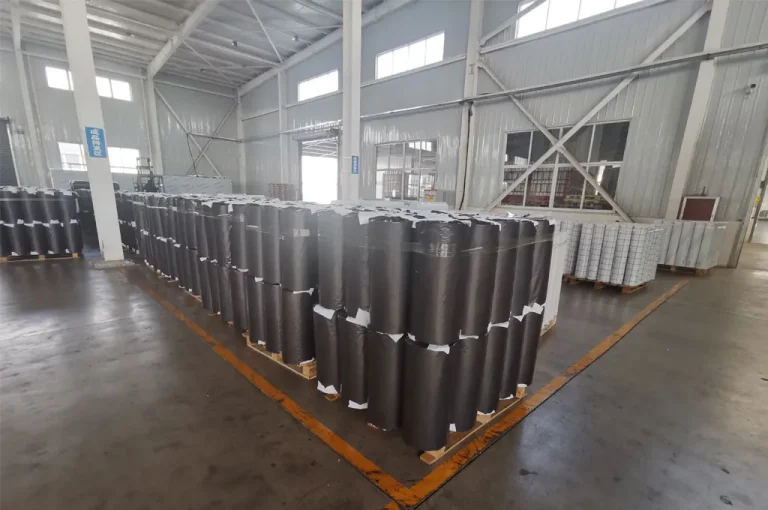
A glossy finish is unforgiving: small defects become visible under light. That’s why production control across calendering, printing, and slitting/packing matters. When a supplier can manage the full workflow internally, it becomes easier to stabilize thickness tolerance, surface uniformity, winding tension, and packaging protection—factors that directly impact your lamination yield and final appearance.
➤ Individual roll protection using dust-proof PE film or kraft paper
➤ Clear specification labels for traceability and production alignment
➤ Export-ready moisture and damage protection for long-distance shipping
Different fabrication lines require different film behaviors. A wrapping line for profiles and edges may need better conformability, while flat lamination may prioritize optical perfection and stable bonding. Share your process details early—machine type, adhesive system, forming temperature, and substrate—to avoid trial-and-error.
Interior panels in a dry bedroom face a different stress profile than kitchen cabinet fronts exposed to steam, oil, and frequent cleaning. If a project is near cooking areas, you may also consider complementary protective materials designed for oil-prone surfaces:
https://pvcfilmtec.com/product/kitchen-anti-oil-film/
Many clients combine glossy furniture fronts with calm, minimal wall surfaces. If your concept includes large-area wall finishes, solid color decorative solutions can help keep the space clean and modern:
https://pvcfilmtec.com/product/solid-color-wallpaper/
A smooth customization project is usually built on a clear workflow. For furniture factories, distributors, and contractors, the goal is not only a good first sample—but repeatable quality and on-time delivery over many orders.
① Confirm application: furniture front, wall panel, door skin, profile wrap, etc.
② Confirm structure: thickness, gloss target, coating needs, and adhesion requirements.
③ Color approval: provide sample board or standard code; confirm under standard lighting.
④ Sample trial: run on your actual line; check trimming, folding, and edge behavior.
⑤ Mass production: lock QC points, packaging method, and shipping schedule.
If you want to speed up quoting and sampling, prepare: target thickness, width, roll length, desired gloss, color/pattern reference, expected monthly quantity, and your lamination method. This reduces back-and-forth and helps the supplier recommend the best-performing structure.
For glossy surfaces, customers notice defects immediately. A strong QC routine reduces claims and protects your reputation—especially for export projects or large commercial installations where replacement costs are high.
Thickness uniformity: impacts forming behavior and visual consistency.
Surface cleanliness: gloss highlights dust, gel particles, and micro-defects.
Adhesion reliability: reduces edge lifting and corner failures during use.
Gloss/DOI stability: ensures the “premium” look stays premium after installation.
Batch traceability: speeds problem-solving if a project has multiple shipments.
The fastest way to fail with a high-gloss surface is to buy only by price. Below are common issues that increase long-term cost even if the initial roll price seems attractive.
⚠ Ignoring process compatibility: the wrong film structure can wrinkle, whiten at bends, or fail at corners.
⚠ Skipping real production trials: lab samples may look perfect but behave differently on your line.
⚠ Not defining acceptable defect levels: glossy surfaces require clear standards for specks, pinholes, and gloss variation.
⚠ Overlooking packaging and transport protection: poor packing can create pressure marks or contamination before you even open the roll.
PVC film is a thin sheet made of polyvinyl chloride used for decoration and protection. In furniture, it provides consistent color/texture, helps resist daily wear, and simplifies cleaning compared with many painted surfaces.
Yes. Common customization includes thickness, width, roll size, gloss level, color/pattern matching, and optional functional coatings (such as anti-static). Sharing your lamination method and substrate helps ensure compatibility.
MOQ depends on specification complexity and the level of customization. Many suppliers support small trial orders for testing, then scale to mass production once parameters are confirmed.
Provide the film type (high gloss), thickness, width, roll length, target color/pattern, intended application (cabinet/wardrobe/wall panel), and expected quantity. Include photos or a physical sample board if color matching is critical.
For indoor use, choose films made with safe inks and compliant material systems, and request relevant test reports for your market requirements. This is especially important for homes, hospitality, and high-contact areas.