Address
304 North Cardinal St.
Dorchester Center, MA 02124
Work Hours
Monday to Friday: 7AM - 7PM
Weekend: 10AM - 5PM
Address
304 North Cardinal St.
Dorchester Center, MA 02124
Work Hours
Monday to Friday: 7AM - 7PM
Weekend: 10AM - 5PM


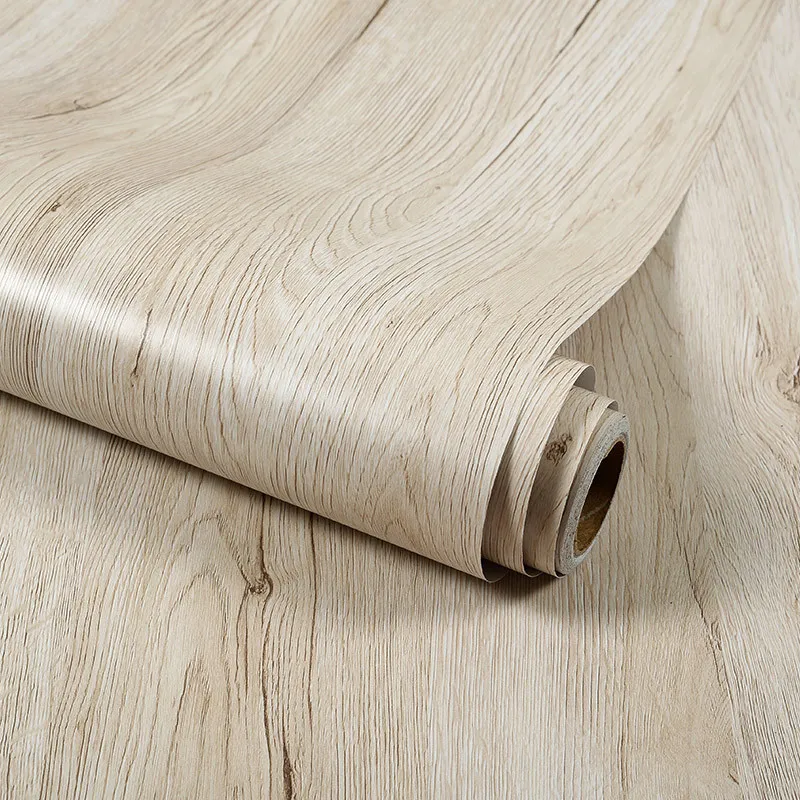
Custom artificial wood PVC film is a practical way to achieve a warm, realistic wood-grain look while keeping surfaces easy to clean and more resistant to daily wear. Whether you’re upgrading cabinet doors, wrapping furniture panels, or finishing interior decorative elements, a durable wood grain wrap helps you deliver consistent aesthetics at scale—without the cost and variability of natural veneer.
Artificial wood PVC film is a calendered decorative film made from polyvinyl chloride, designed to replicate wood textures and tones (oak, walnut, ash, teak, and more). It can be produced in multiple finishes—matte, glossy, embossed, or 3D tactile—so the surface doesn’t just look like wood, it can feel like it too.
PVC wood grain film is engineered for repeatability. The same pattern, color, and performance can be delivered batch after batch—especially important for furniture lines, cabinet programs, and franchise interior decoration projects.
From minimalist apartments to commercial interiors, wood tones remain a universal design language. But natural wood brings challenges—color variance, knot visibility, seasonal movement, and higher cost. A custom PVC wood grain wrap solves many of these pain points while offering production efficiency.
A durable wood grain wrap can be applied in a wide range of interior scenarios—from residential cabinetry to public-space wall panels. Typical substrates include MDF, particle board, plywood, PVC foam board, and other engineered panels depending on the process.
If you’re sourcing films for different zones of an interior build-out, it’s often helpful to unify materials across panels, walls, and edges. For example, pairing wood grain decorative films with matching skirting solutions such as
PVC skirting film
can create a cohesive look while improving protection in high-traffic areas.
Not all PVC wood grain wraps perform the same. The right specification depends on where the film will be used, how it will be formed, and what it must resist (heat, moisture, cleaning chemicals, abrasion). A good supplier can tailor film structure and surface treatments to meet those demands.
Thickness influences scratch resistance, wrapping behavior, and perceived “body.” For flat lamination, a stable calendered film is preferred; for deep wrapping, flexibility and elongation become critical.
Matte finishes hide fingerprints and micro-scratches; glossy looks premium but may show marks more easily; embossed textures enhance realism and improve grip.
For tactile finishes, consider specialized texture options like
3D silk texture film
where a softer hand-feel is desirable.
For cabinet programs and furniture collections, color matching across multiple months of production is essential. Ask for controlled color tolerances and retained references for repeat orders.
Anti-static, anti-fog, easy-clean, and other coatings can be added depending on the environment—especially useful for kitchens, commercial fixtures, and high-contact surfaces.
Different manufacturing lines require different film behaviors. Choosing a film that matches your process reduces defects like whitening, edge lifting, bubbles, or inconsistent emboss appearance.
If you’re comparing base materials for manufacturing stability, start with a proven calendered structure. You can explore typical specifications and use-cases via
calendered film
as a reference point, then refine thickness, emboss, and coatings for your end product.
Today’s interiors often mix wood tones with stone, metal, and solid colors. A well-designed decorative film portfolio enables you to match regional tastes and project styles—light oak for Scandinavian minimalism, smoked walnut for luxury retail, or ash tones for contemporary office furniture.
• Scale: Small grain repeats can look busy on big panels; large repeats can look more natural in open spaces.
• Tone: Warm tones work well in hospitality and residential; cooler tones pair with metal and glass for commercial interiors.
• Emboss matching: “Emboss-in-register” style alignment (where available) increases realism by syncing texture with printed grain.
For teams building a consistent decorative system (wood + marble + solid colors), it’s efficient to source from a supplier that can cover multiple patterns and finishes. You can review wood-focused options at
Wood Grain Film
and combine them with complementary surfaces like
Marble Film
for mixed-material interior decoration programs.
Custom artificial wood PVC film becomes truly valuable when it’s engineered around your product line—matching your brand’s color language, substrate, and manufacturing process. OEM/ODM support typically covers structure tuning, print development, and packaging logistics.
For furniture and interior decoration, safety and indoor suitability matter as much as looks. Reliable PVC film suppliers use environmentally responsible inks and maintain consistent QC controls from raw materials to finished rolls. When sourcing for export markets or regulated applications, ask for relevant compliance documentation such as ISO management systems and chemical compliance (e.g., REACH/RoHS), plus test reports when needed.
Even a premium wood grain wrap can underperform if applied incorrectly. The most common issues—bubbles, edge lifting, or print distortion—are usually process-related rather than material defects.
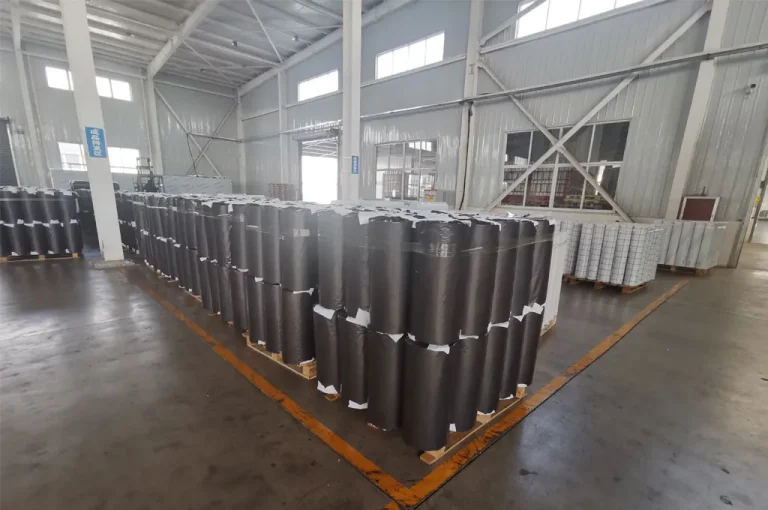
Pulivk Film focuses on PVC film R&D and manufacturing, covering calendering, printing, and slitting/packaging in a complete production chain. This end-to-end capability helps control quality, shorten lead times, and reduce overall cost—especially for projects that require repeatable color and stable delivery schedules.
With product lines spanning wood grain, glossy, matte, embossed, stone grain, solid colors, soft-touch, transparent, and self-adhesive films, Pulivk supports furniture, building decoration, electronics, advertising, medical/cleanroom, and home applications. In addition, export-oriented packaging (dust-proof PE film or kraft paper, labeling, and protective measures) helps keep rolls safe during transport and storage.
PVC film is a thin polyvinyl chloride sheet used for decorative and functional surfaces. When made with safe inks and compliant formulations, it is widely used for indoor furniture, cabinets, walls, and doors.
Yes. Typical OEM/ODM customization includes thickness, width, roll size, gloss level, emboss texture, color matching, pattern development, and packaging.
Matte finishes usually hide fingerprints and look more natural; glossy finishes can appear more premium and vivid but may show smudges more easily. The best choice depends on the use area and cleaning frequency.
MOQ and lead time depend on specifications and customization level. Many suppliers support trial orders, and production schedules vary by volume and pattern development requirements.
Provide the application, process method, desired thickness/finish, pattern or color reference, roll size, and quantity. Samples can then be prepared for evaluation before mass production.