Address
304 North Cardinal St.
Dorchester Center, MA 02124
Work Hours
Monday to Friday: 7AM - 7PM
Weekend: 10AM - 5PM
Address
304 North Cardinal St.
Dorchester Center, MA 02124
Work Hours
Monday to Friday: 7AM - 7PM
Weekend: 10AM - 5PM


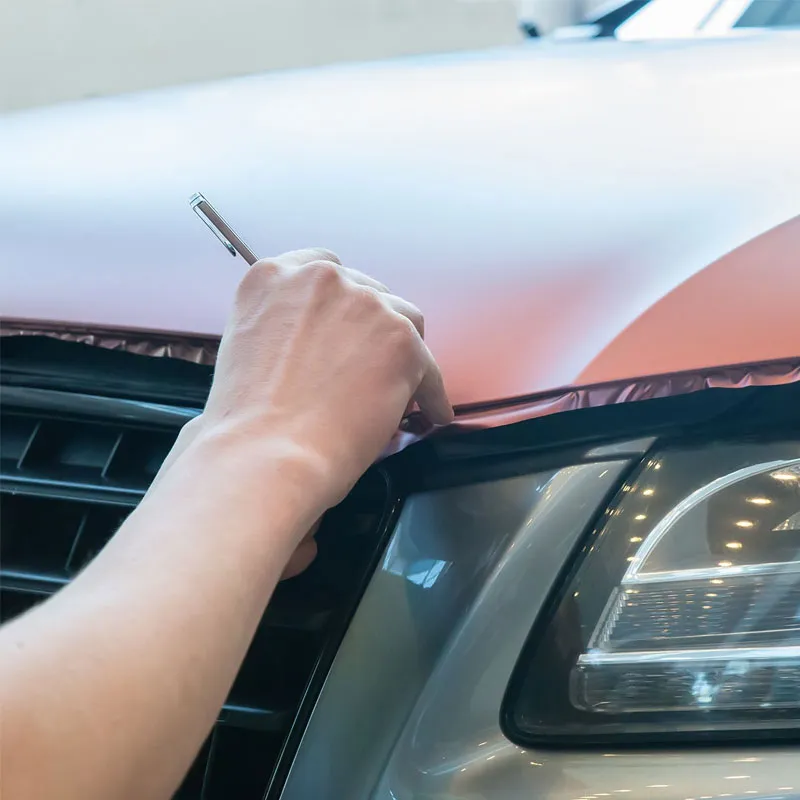
Artificial wood PVC film has become one of the most practical surface solutions for modern furniture, doors, and interior decoration. It delivers the warm look of natural timber while offering easier maintenance, stable color consistency, and scalable production—especially for cabinets, wardrobe panels, wall cladding, skirting, and decorative profiles. In this guide, we’ll break down what defines “top” artificial wood PVC film brands, what specs actually matter in real projects, and how to choose the best option for your factory or contracting needs.
Key takeaway:
The best artificial wood PVC film brands are not defined only by pattern libraries. They are defined by process control (calendering/printing/slitting), consistent batch color, reliable adhesion performance, and the ability to customize textures, gloss, and roll specs for different substrates.
Artificial wood PVC film is a decorative and protective PVC sheet designed to simulate wood grain—oak, walnut, ash, teak, and more—using printing plus surface embossing. It is commonly laminated or wrapped onto MDF, plywood, particleboard, WPC, and other engineered substrates. Depending on your production method, the film may be used for:
Most buyers focus on “wood pattern realism,” but factories succeed or fail on the hidden basics: thickness tolerance, shrinkage control, ink anchorage, and stable gloss across batches. For high-volume furniture lines, a film that looks great in one sample but varies roll-to-roll is a costly risk.
If you’re sourcing for furniture, doors, or interior finishing, evaluate brands using a production-and-service lens, not just a catalog lens. A top brand should demonstrate the following:
✔ Full-process manufacturing control
Brands that manage calendering, printing, and slitting/packing in-house typically deliver better lead time stability and better consistency.
✔ Repeatable color & gloss across batches
Ask for batch traceability and how the supplier controls ink mixing, emboss alignment, and gloss variance. This matters most when your furniture line runs all year.
✔ OEM/ODM customization with real engineering support
The top brands can customize thickness, width, roll length, surface feel (matte/soft-touch), emboss depth, and packaging—and advise which adhesive/primer system works for your substrate and production speed.
“Best” depends on how the film will be processed and where the finished product will be installed. Below are practical recommendations that align with how high-performing brands segment their product lines.
For flat lamination on MDF/particleboard, you usually want stable thickness, consistent gloss, and strong surface durability for daily cleaning. Wood grain can range from calm, Scandinavian-style ash to deep walnut with higher contrast.
If your customer base prefers contemporary interiors, consider pairing wood grain with matching solid tones for drawer fronts or side panels. Solid tone options are often used as companion SKUs to wood patterns for full-room design harmony, such as
Solid color wallpaper
style finishes when a clean, minimal look is desired.
Doors demand better heat stability and forming performance—especially for profiles, frames, and edge wrapping. A strong brand will offer films engineered for wrapping with reliable elongation and emboss integrity around corners.
Tip for door factories:
When you wrap profiles, prioritize low shrinkage, clean cut edges, and consistent emboss depth. These reduce seam visibility and help maintain crisp wood pores after forming.
Interior projects often require a mix of decorative categories—wood, stone, fabric-like textures, and metallic accents. Brands with broad portfolios help contractors and distributors standardize suppliers, simplify logistics, and keep consistent color families.
For trims and baseboards, a specialized option like
PVC skirting film
can improve scratch resistance and reduce edge wear in high-traffic areas (corridors, retail, hospitality).
Among top artificial wood PVC film suppliers, Pulivk Film stands out for its end-to-end manufacturing coverage and export experience across Southeast Asia, the Middle East, Europe, and beyond. For buyers, that translates into a more controllable supply chain—especially when you need stable delivery windows and consistent QC.
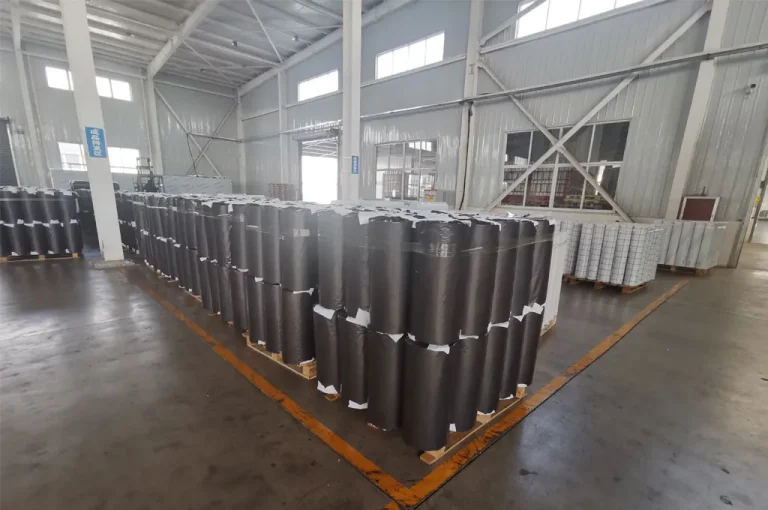
Pulivk operates complete lines covering calendering, printing, slitting, and packing. This allows tighter management of key quality variables—film gauge stability, print density, emboss alignment, and final roll protection.
What you can source in one place:
Wood grain, glossy, matte, cloth grain, stone grain, solid color, waterproof, metal effect, embossed, brushed, 3D relief textures, and self-adhesive options—each can be slit and packed per customer requirements with dust-proof PE film or kraft paper wrapping and labeled specs.
If you are benchmarking brands, start with the foundational base film quality. A reliable
Calendered Film
is often the backbone of decorative lines; it’s where thickness stability and mechanical performance are proven.
For premium interiors where tactile feel matters, texture-driven SKUs such as
3D Silk Texture Film
can be used to differentiate wardrobes, feature walls, or boutique display furniture without switching to expensive natural veneers.
Pulivk supports flexible OEM/ODM that targets real production needs: thickness, width, roll size, color/pattern development, printing, and packaging solutions. For factories, the most valuable part is not only “we can customize,” but whether the supplier can keep the customized spec consistent over repeat orders.
Choosing a supplier for artificial wood PVC film is a commercial decision and a production engineering decision. Use the checklist below to align procurement, QC, and production teams.
Buyer Checklist (quick screening):
When requesting samples, do not evaluate only by holding a small swatch under office lights. Ask for a sample roll width that matches your machine setup (or a representative slit width), then run a small production trial:
Artificial wood film demand is increasingly influenced by interior design trends and the practical needs of real-life spaces. Across global markets, several directions remain strong:
Matte and low-sheen woods deliver a more “architectural” appearance and reduce fingerprint visibility—especially on wardrobes, cabinet doors, and wall panels in bright rooms.
Consumers increasingly expect wood pores you can feel. Embossing, when aligned properly with the print, creates a convincing result that competes with real veneer at a fraction of the cost.
The best brands build systems: wood grains that pair with stone or solid colors for full-room consistency. This matters in projects like hotels, retail stores, and apartment developments where designers want one supplier to cover multiple surfaces without shade mismatch.
Even a high-quality wood grain film can fail at the customer site if it’s packed poorly. Leading brands treat packing as part of QC, not an afterthought. Export-ready practice typically includes individual roll wrapping (dust-proof PE film or kraft paper), clear labeling, and moisture/damage protection.
For distributors and project contractors, consistent labeling (pattern code, batch, thickness, width, roll length) simplifies inventory and reduces on-site mistakes—especially when multiple patterns are used in one project.
If you are a furniture factory, prioritize repeatable batch consistency and stable lead times. If you are a door or profile wrapping factory, prioritize forming performance and shrinkage control. If you are an interior decoration distributor, prioritize a supplier with a wide, coordinated portfolio and fast sampling.
In all cases, the “top” artificial wood PVC film brand is the one that helps you reduce rework and claims while keeping your designs competitive. Strong manufacturing control, robust QC, and proven customization capacity matter more than a single impressive catalog page.
Where to learn more:
You can explore more product options and application knowledge via
Home,
Product,
and practical guides on
Knowledge.
PVC film is a thin sheet made of polyvinyl chloride. With printing and embossing, it can replicate wood grain while adding durability, easier cleaning, and scalable manufacturing for furniture, doors, and interior decoration.
For cabinets and wardrobes, choose a decorative PVC film with stable thickness, consistent gloss, and good stain resistance. Matte or soft-touch surfaces are popular for reducing fingerprints in daily use.
Yes. Many manufacturers provide OEM/ODM services to customize thickness, width, roll size, color, pattern, emboss texture, and packaging—useful when you want a consistent design system across multiple product lines.
Request samples, run a production trial, and check adhesion performance, shrinkage behavior, emboss/print alignment, and batch color consistency. Also review packing standards and labeling for easier inventory control.
Reputable suppliers offer films made with eco-friendly inks and can provide compliance documentation (such as REACH/RoHS or other relevant standards) depending on market requirements and product specification.