Address
304 North Cardinal St.
Dorchester Center, MA 02124
Work Hours
Monday to Friday: 7AM - 7PM
Weekend: 10AM - 5PM
Address
304 North Cardinal St.
Dorchester Center, MA 02124
Work Hours
Monday to Friday: 7AM - 7PM
Weekend: 10AM - 5PM


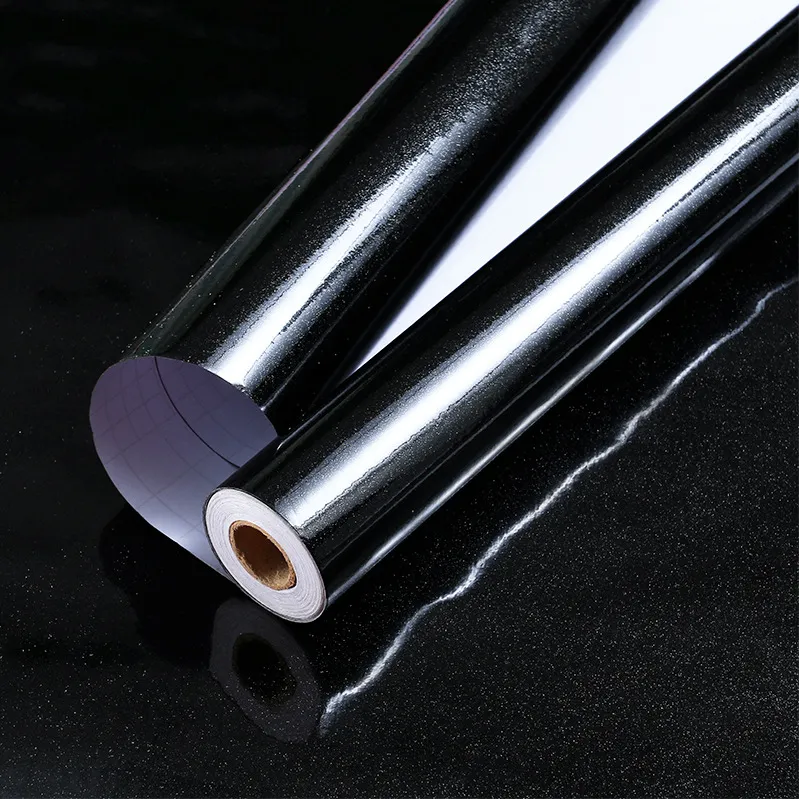
Stone grain PVC film for lamination is a practical way to create a premium “natural stone” look on furniture, interior panels, and doors—without the weight, cost, and installation complexity of real stone. By combining high-definition stone patterns with protective surface layers, laminated PVC decorative film helps manufacturers and fabricators deliver consistent aesthetics, durable wear resistance, and easy maintenance across residential and commercial projects.
✔ Quick takeaway: If you need a stone-look finish that is stable in color, easy to clean, and suitable for mass production, stone grain PVC lamination film is one of the most cost-efficient decorative surface options available today.
★ Typical targets: cabinet doors, wardrobe fronts, wall panels, office partitions, hotel furniture, and decorative door skins.
Stone grain PVC film is a decorative PVC sheet engineered for lamination onto substrates such as MDF, plywood, particle board, WPC, or other panel materials. It is produced through controlled processes (commonly calendering and printing) to achieve a realistic stone texture—think concrete, slate, travertine, granite, or modern terrazzo-style patterns—then finished with protective layers for durability.
In lamination, the film is bonded to the board using suitable adhesives and equipment (flat lamination, wrapping, or profile lamination depending on the part). The result is a consistent, repeatable surface that supports large-volume manufacturing while maintaining a high-end appearance.
Across modern interiors, designers often use stone-inspired finishes to communicate minimalism, structure, and premium texture. However, real stone adds weight, requires specialist installation, and can be costly to transport and maintain. Stone grain PVC film helps bridge that gap by offering a decorative surface that is:
Stone textures pair well with wood tones and solid colors, creating a calm, modern look for kitchens, wardrobes, TV walls, and interior doors—while keeping surfaces practical for everyday use.
Offices, retail spaces, and hospitality environments benefit from stone aesthetics with durable, easy-to-clean finishes—especially when consistent color and fast installation matter.
A quality stone grain PVC lamination film is not only about looks. It is engineered to support long-term performance on high-visibility surfaces like door panels, cabinet fronts, and decorative wall cladding.
Laminated PVC surfaces can be designed to withstand routine contact, reducing visible wear over time. This is particularly valuable for kitchen cabinet doors, wardrobes, and office furniture where hands, accessories, and frequent movement can quickly mark poor-quality finishes.
Stone-look PVC films are widely chosen for interiors because they are easier to wipe clean than many porous materials. In daily maintenance, a soft cloth and mild cleaner are typically sufficient, helping reduce service calls in large property projects.
Compared with natural stone (which varies by slab), decorative film offers predictable color control and repeatable patterns—important when you need hundreds or thousands of doors/panels to match the same design language.
Stone grain PVC film can be used in different lamination workflows, from flat panels to shaped profiles. With the right adhesive selection and process parameters, it can support stable bonding and a smooth finish.
Tip: If you are sourcing the base film type, start from a reliable Calendered Film foundation and then specify the printing, embossing, and topcoat performance you need for your end application.
Stone grain PVC film for lamination is versatile. The most common applications focus on enhancing aesthetics while protecting the underlying substrate.
Used on cabinet bodies, wardrobe doors, side panels, table surfaces, shelving, and office furniture components. Stone textures can create a premium “architectural” feel, especially when paired with matte finishes.
Suitable for wall cladding boards, interior partitions, feature walls, and ceiling details where designers want stone character without adding structural load.
Often used for interior doors, hotel room doors, and decorative door skins. Stone grain patterns help achieve a modern look that complements metal trims, glass accents, and minimalist interiors.
Stone is not just a pattern—it’s a tactile experience. Choosing the right surface finish helps your product stand out and align with the design concept.
Stone grain on large surfaces (wardrobe doors, wall panels) often looks best when balanced with warm elements such as wood grain. If your project needs a coordinated collection, you can combine stone grain with Wood Grain Film for a unified interior palette.
To ensure reliable production and stable performance in the field, buyers typically confirm key specifications before sampling and mass orders. The best results come from aligning film performance with substrate type, adhesive system, and end-use environment.
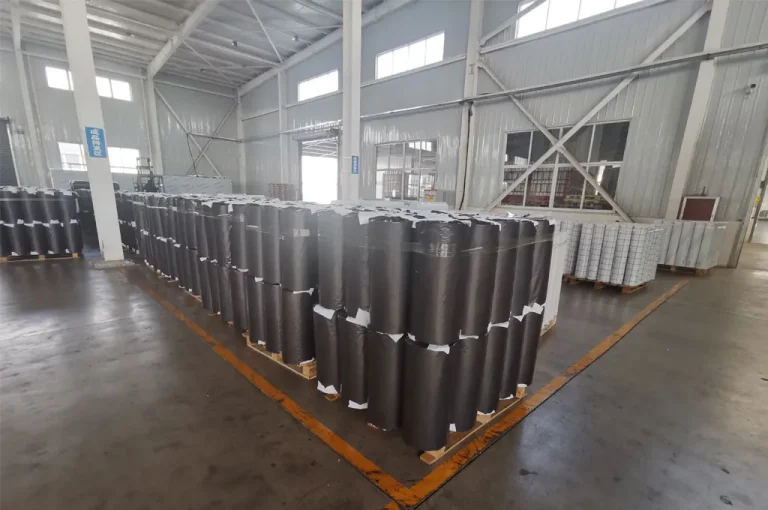
Pulivk Film focuses on PVC film R&D and manufacturing, supplying calendered films and decorative films for multiple industries including furniture, construction, electronics, advertising, medical, and home applications. With integrated calendering, printing, and slitting/packaging production lines, Pulivk can control quality across the entire workflow—from raw materials to finished rolls.
Shorter lead times and better batch stability are easier to achieve when calendering, printing, and cutting are managed in-house. Finished rolls can be customized and individually wrapped (dust-proof PE film or kraft paper) and labeled for safer transportation and easier warehouse management.
For more company and factory details, you can visit the official pages:
About Us and
Home.
Stone grain trends vary by region and project type—some markets prefer cool concrete tones, while others choose warm travertine or marble-inspired looks. With OEM/ODM support, stone grain PVC lamination film can be tailored to your product line through specification, color matching, printing design, and packaging.
Customization options commonly include thickness, width, roll size, pattern, gloss level, embossing style, and functional surface treatments such as anti-static or special coatings. If you are planning a new collection, sampling is the most efficient way to confirm lamination performance and visual consistency under your lighting conditions and substrate color.
Prepare your target application (furniture/door/panel), substrate type, desired thickness, finish (matte/gloss/embossed), pattern references, and estimated quantity. Then send your request through the
Contact page.
If you want to review general technical guidance first, browse Knowledge for helpful background on PVC film selection and applications.
For interior furniture and building materials, compliance and safety are essential—especially for projects that require documentation. Pulivk uses eco-friendly, non-toxic inks, and offers PVC films designed to meet relevant requirements for indoor decorative and human-contact applications.
For buyers managing regulated projects, it is common to request confirmation for standards such as ISO management systems and material compliance (for example REACH/RoHS/FDA-related needs, depending on application). Always confirm the documentation scope required for your region and end-use (residential, hospitality, medical, etc.).
Choosing the right film is a balance between design intent, processing stability, and lifetime performance. Use the checklist below to reduce trial-and-error during production ramp-up:
Note: If your interior program includes complementary categories (skirting, flooring, or wall covering), consider coordinating the full decorative system. For example, see PVC Skirting Film and Floor Film for matching interior details.
PVC film is a thin sheet made from polyvinyl chloride used for decorative, industrial, and protective applications. For lamination, it is popular because it offers high design flexibility (many patterns and finishes) and stable manufacturing consistency.
It is widely used on kitchen cabinets, wardrobe doors, office furniture panels, interior doors, wall panels, and partitions—especially when you want stone aesthetics with practical cleaning and repeatable production.
Yes. OEM/ODM customization can cover thickness, width, roll size, stone pattern, embossing, gloss level, and functional coatings based on your project requirements.
MOQ and lead time depend on specifications, customization depth, and order quantity. Many suppliers support both trial orders and mass production—share your target specs to confirm the best plan.
Provide your application, substrate, desired finish, thickness, pattern reference, and quantity through the supplier’s contact channel. If you need compliance documentation, request the relevant test reports or certifications for your market and end-use.