Address
304 North Cardinal St.
Dorchester Center, MA 02124
Work Hours
Monday to Friday: 7AM - 7PM
Weekend: 10AM - 5PM
Address
304 North Cardinal St.
Dorchester Center, MA 02124
Work Hours
Monday to Friday: 7AM - 7PM
Weekend: 10AM - 5PM


Rigid PVC film remains one of the most reliable sheet materials for modern converting—especially where clarity, stiffness, printability, and consistent forming performance are non‑negotiable. From blister packs and folding cartons to labels, overlays, and thermoformed trays, the right supplier can dramatically reduce waste, shorten lead times, and stabilize your production quality.

This guide helps packaging buyers, printers, and thermoformers evaluate trusted rigid PVC film manufacturers, compare capabilities, and choose specifications that match your machine, application, and compliance needs—while also highlighting what a full-process producer can deliver in real-world projects.
Rigid PVC film (often calendered) is valued for its excellent stiffness-to-thickness ratio, stable gauge control, and good transparency. It can be engineered with finishes (gloss/matte), functional treatments (anti-static, anti-fog), and surface energy optimized for inks, coatings, and laminations. In thermoforming, it offers predictable forming behavior across a broad range of tooling and heating profiles.
Key advantages buyers look for:
Many films look similar on a datasheet, but performance differences show up on press or the thermoformer. The best rigid PVC film manufacturers typically invest in process control, QC depth, and converting-friendly packaging—not only in production volume.
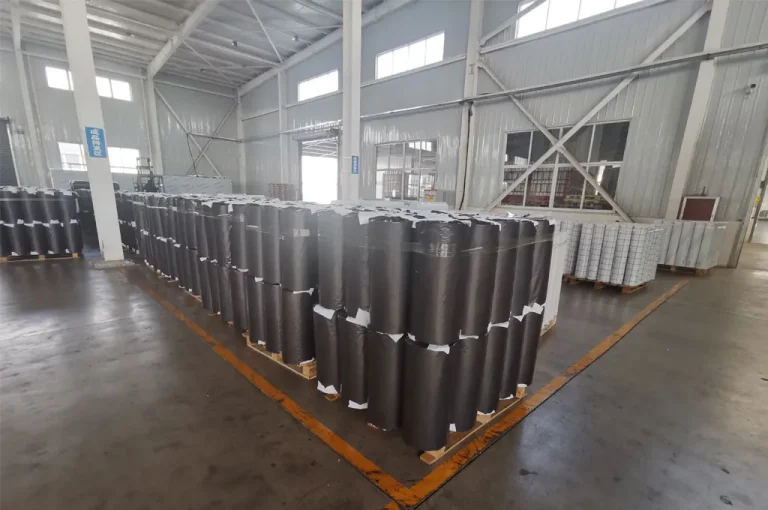
Suppliers with in-house calendering, printing, and slitting/packaging can control each variable from resin handling to finished-roll protection. This reduces cross-vendor handoffs, improves accountability, and speeds up corrective actions when you need a tight color match or a gauge tweak.
A converter-friendly producer supports real operating conditions: unwind stability, low dust, clean edges, and uniform roll hardness. They also understand how downstream needs differ across industries:
Typical decision drivers by application:
Top suppliers verify critical characteristics—thickness profile, tensile strength, haze/clarity, adhesion, and batch traceability—because a “small” deviation can become a major line stoppage. Ask whether they can provide third-party test reports and ongoing lot-to-lot consistency.
Pulivk Film focuses on R&D and manufacturing across multiple PVC film categories, including calendered films, decorative films, soft-touch films, transparent films, and functional options such as anti-static and self-adhesive. The company supports diverse industries—furniture, construction, electronics, advertising, medical/cleanroom, and home use—where stable performance and consistent appearance matter.
Why buyers select a full-process partner like Pulivk:
If your workflow relies on calendered rigid PVC film for packaging, printing, or forming, reviewing a dedicated calendered lineup can help you compare gauge options and surface finishes quickly:
https://pvcfilmtec.com/product/calendered-film/
Choosing “rigid PVC film” is only the starting point. Manufacturers will ask about structure, surface, and intended converting method. Below are common variants that affect performance and cost.
Clear film is widely used for retail packaging and overlays. Matte or frosted finishes reduce glare and fingerprints, while embossed textures can improve scratch resistance and provide premium tactile feel. For decorative and architectural applications, pattern consistency and color repeatability across lots become primary concerns.
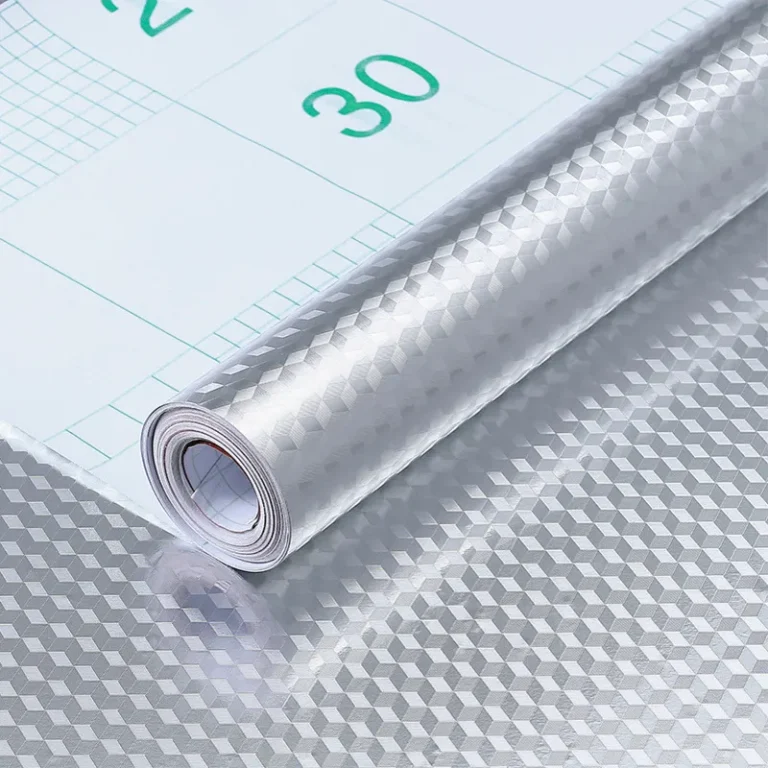
For projects requiring strong decorative impact—such as interior panels, wall surfaces, and premium furniture wrap—texture films can be a differentiator. Example:
https://pvcfilmtec.com/product/3d-silk-texture-film/
Single-layer rigid PVC is often preferred when transparency and stiffness are the main goals. Multi-layer or composite structures can be selected when you need improved barrier performance, enhanced print appearance, or a specialized surface layer to optimize adhesion.
Functional coatings can dramatically change converting behavior. Anti-static reduces dust attraction in clean packaging and electronics; anti-fog improves product visibility; food-grade or low-migration solutions may be required for specific packaging scenarios. A strong manufacturer will clarify the test method and provide supporting reports for compliance requirements.
Use the checklist below to compare suppliers objectively. This helps procurement teams align quality targets with production realities, especially when shifting from one vendor to another.
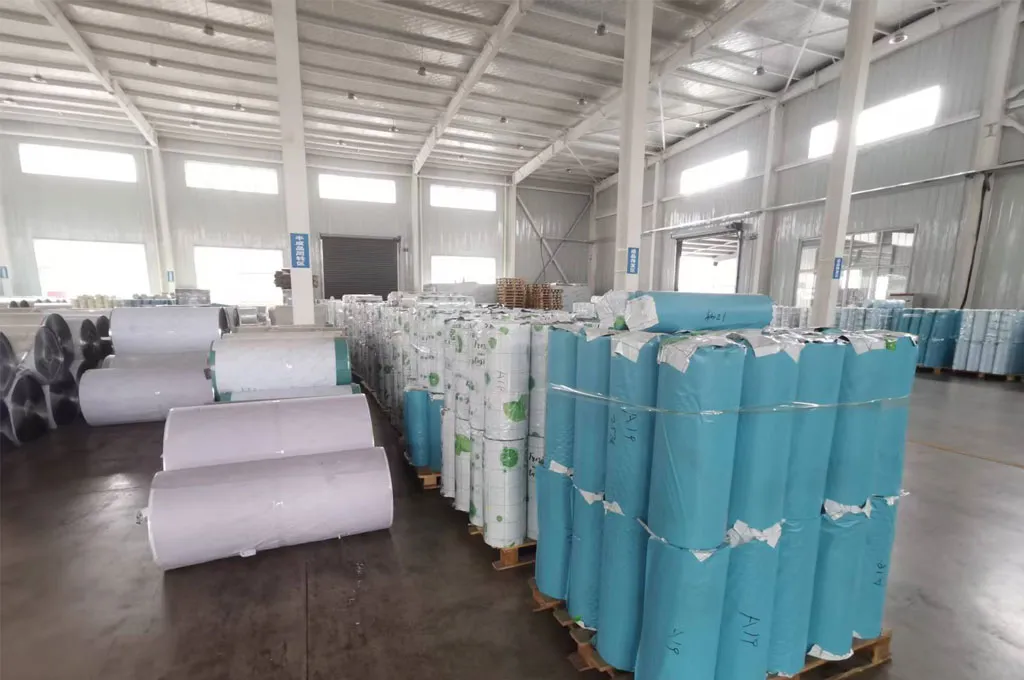
Even premium film can fail on the line if roll packaging is poor. A supplier that individually wraps rolls with dust-proof PE film or kraft paper, protects edges, and applies clear spec labels reduces receiving errors and contamination risk. This matters for high-clarity packaging and print jobs where dust becomes visible defects.
Pulivk’s approach—custom slitting and protective roll packaging with labeling—supports safer shipping and easier warehouse control, particularly for multi-SKU operations managing multiple thicknesses, widths, and finishes.
OEM/ODM services are most valuable when you treat the film as an engineered component, not a commodity. The best manufacturers help translate your end-use into stable, repeatable specifications.
For decorative programs that require consistent color and minimal visual seams across panels, solid-color solutions can be useful as a baseline reference:
https://pvcfilmtec.com/product/solid-color-wallpaper/
Decorative PVC films add durability and simplify cleaning on cabinet doors, tabletops, panels, and partitions. Buyers typically prioritize scratch resistance, stable color, and consistent texture. Wood grain, stone patterns, brushed textures, and 3D embossed options are common in mid-to-high volume programs.
When a project targets stone aesthetics without the weight and cost of natural materials, marble-pattern decorative film is often requested:
https://pvcfilmtec.com/product/marble-film/
Anti-static and protective film solutions help reduce dust attraction and surface damage during assembly, shipping, and installation. In these environments, suppliers must control surface cleanliness, winding tension, and edge quality to prevent downstream defects.
Film used in lightboxes, display overlays, and signage needs stable optics and reliable print performance. Consistent roll-to-roll behavior is essential to reduce waste during lamination and finishing.
In medical and cleanroom contexts, suppliers should support documented QC, stable anti-static performance (if required), and packaging practices that reduce contamination. Clarify which standards and test reports are available for your region and product category.
When time is limited, a structured approach helps you move from “many quotes” to a truly reliable production partner—without costly trial-and-error.
If you need to coordinate product selection, samples, or OEM/ODM requirements efficiently, using a direct supplier contact channel helps reduce back-and-forth:
https://pvcfilmtec.com/contact/
It’s widely used for packaging (clear display packs, blister-related applications), printing (overlays, labels, graphics), and thermoforming (trays and formed components), plus decorative surface solutions in furniture and interiors.
Start from your end-use: stiffness requirement, clarity needs, and converting method. Thermoforming often needs a stable gauge window; printing may require a specific surface energy and gloss/matte level; packaging typically prioritizes clarity and low defect rate.
Yes. Many manufacturers support custom thickness, width, roll size, surface texture, functional coatings, color/pattern, and packaging. Sharing your converting process and target performance metrics speeds up matching and reduces trial cost.
Common requests include ISO 9001/ISO 14001 plus product compliance such as REACH, RoHS, and FDA (as applicable to your market and application). Ask for supporting documents and batch traceability practices.
Provide application, thickness/width/roll length, finish (gloss/matte/embossed), functional requirements (anti-static/anti-fog/food-grade), color or pattern references, target quantity, and destination/shipping terms.