Address
304 North Cardinal St.
Dorchester Center, MA 02124
Work Hours
Monday to Friday: 7AM - 7PM
Weekend: 10AM - 5PM
Address
304 North Cardinal St.
Dorchester Center, MA 02124
Work Hours
Monday to Friday: 7AM - 7PM
Weekend: 10AM - 5PM



India’s PVC film demand keeps rising across furniture, interior décor, flooring, advertising, appliances, and packaging—driven by fast urbanization, renovation culture, and a price-sensitive market that still expects premium looks. From modular kitchens in Mumbai apartments to retail fit-outs in Bengaluru and hospitality projects in Goa, buyers want consistent quality, stable lead times, and wholesale-ready pricing.
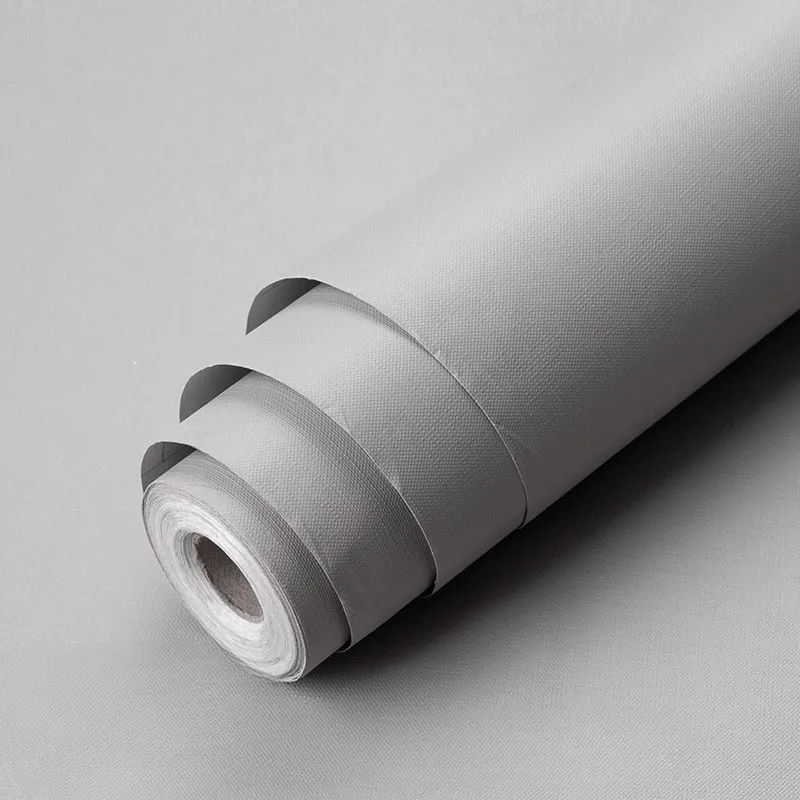
This guide explains how to evaluate the top PVC film suppliers serving India, what “reliable manufacturer” really means (beyond a catalog), and how to secure fast delivery without compromising on performance, compliance, or finish.
✔ Buyer takeaway:
In India, the best PVC film suppliers are the ones who can repeatedly deliver shade consistency, stable emboss depth, and rolling/lamination performance—not just low rates per meter.
“Top supplier” can mean a large local distributor, an exporter with strong documentation, or a factory that can customize at scale. For most Indian importers, converters, laminators, and furniture brands, a reliable supplier is defined by four practical outcomes:
① Consistency across batches
Color/print repeatability matters when cabinet shutters or wall panels are installed room-by-room. Ask for batch traceability, retained samples, and QC records for thickness/gloss/adhesion.
② Application-fit performance
Indian markets often require films that tolerate heat, humidity, dust exposure, and frequent cleaning. A good supplier helps you match film type (calendered/decorative/self-adhesive) to substrate (MDF, plywood, WPC, metal, glass).
③ Short, predictable lead time
If your projects align with Indian festival seasons (Diwali renovations, wedding season home upgrades, year-end retail launches), delays become costly. Look for suppliers with in-house printing + slitting + packing and a disciplined production schedule.
④ Wholesale pricing with lower total cost
The “best price” is not the lowest quote; it’s the lowest total landed cost (waste rate, rework, claims, downtime, packaging damage, documentation delays).
PVC films are chosen based on surface look, functional requirements, and processing method (lamination, wrapping, press, self-adhesive). Here are the most requested categories in India:
Calendered film is a go-to option for high-volume programs because it offers stable thickness control and dependable mechanical behavior. If you need a baseline product for printing/lamination workflows, review
Calendered Film
specifications and align them with your lamination temperature and adhesive system.
For Indian interiors, wood grains remain strong—especially walnut, teak, oak, and contemporary ash tones. The key is print depth + emboss matching so the pattern doesn’t look “flat” under bright lighting. A focused option is
Wood Grain Film
for cabinet doors, wardrobe shutters, and retail fixtures.
⚑ India trend note:
Matte and “natural grain” finishes are increasingly preferred in premium apartments because they hide fingerprints and look more modern than high-gloss—especially in open kitchens and living spaces.
Marble looks are popular in India for TV units, wall panels, reception desks, and partitions—delivering “premium” style without stone weight and installation complexity. If you’re evaluating this segment, compare gloss levels, whiteness, and pattern repeat using
Marble Film.
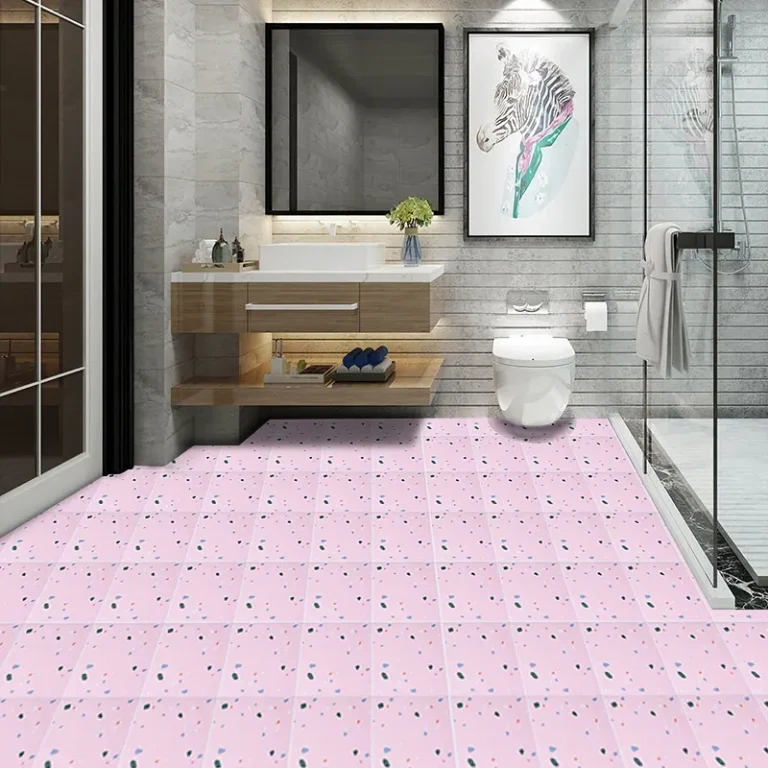
For commercial spaces, rentals, and quick renovations, floor-oriented PVC films and related surface solutions are requested for cost efficiency and maintenance ease. When sourcing for flooring programs, check abrasion behavior, anti-slip options, and cleaning chemical resistance via
Floor Film.
Many suppliers can show you a sample roll. Fewer can guarantee the same outcome at scale across months. When screening PVC film suppliers for India, ask questions that reveal whether they manage quality through process—not luck.
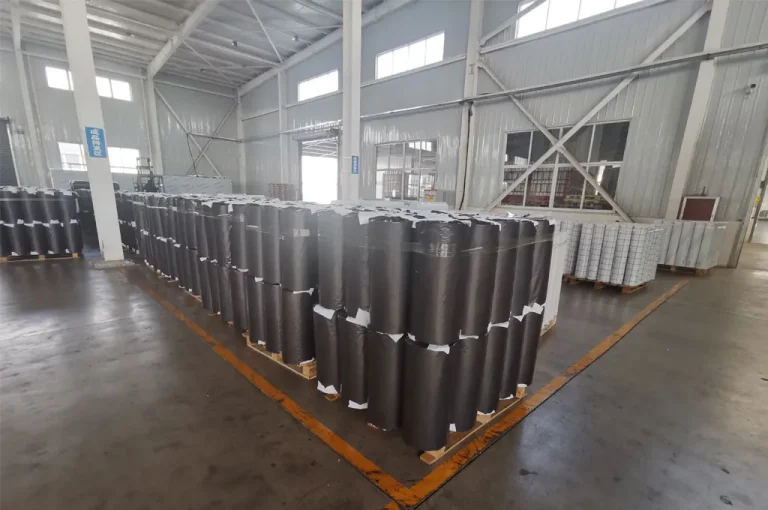
A manufacturer with full-process capability (calendering, printing, slitting, and packaging) can reduce quality variation because fewer steps are outsourced. This also supports faster sampling cycles and more predictable production planning—two factors that matter when Indian buyers need quick replenishment for running designs.
PVC film pricing is often discussed per meter, but accurate evaluation needs a breakdown of what you’re paying for. Wholesale “good pricing” comes from transparency and controlled inputs.
For Indian importers, also consider costs linked to port handling, documentation accuracy, and damage risk. Strong packaging (individual roll wrap, corner protection, clear spec labels) reduces loss—especially when goods travel long distances inland to NCR, Gujarat, Maharashtra, or South India distribution hubs.
“Fast delivery” should be measured in two phases: production lead time and shipping readiness. In India’s project-driven demand cycles, the ideal supplier can run repeat designs quickly and still accommodate customization when needed.
If you operate a conversion line in India, ask your supplier to provide winding direction, splice policy, roll hardness preference, and edge trimming standards—these details reduce machine stoppages more than any “express” promise.
Pulivk Film focuses on PVC film R&D and manufacturing, supplying multiple categories such as PVC calendered film, decorative film, flooring film, soft-touch film, transparent film, and functional films. For Indian buyers, the core value is the ability to manage the full chain—calendering, printing, slitting, and packing—which supports quality stability and shorter, more controllable lead times.
For Indian furniture and interior markets where style changes quickly, OEM capability is especially important: you can request new colors/patterns and still maintain consistent output once approved. Pulivk also emphasizes strict multi-step QC from raw materials to finished rolls, supporting repeatability for long-running SKUs.
If you want to explore product categories and technical references, you can navigate via the official pages:
Product,
Knowledge,
and Contact.
A supplier can be technically strong but still fail your market if the film doesn’t suit local preferences. In India, practical daily-life factors often shape material selection:
Use this checklist to compare suppliers objectively—especially if you’re balancing local sourcing and imports for India-wide distribution.
PVC film is a thin polyvinyl chloride sheet used for decoration, protection, and functional surfaces. In India it’s popular because it delivers modern finishes (wood, marble, solid colors) with good durability and cost control for furniture, interiors, and commercial projects.
For cabinetry, decorative PVC films (wood grain, matte, soft-touch, glossy) are common. Choose based on fingerprint resistance, scratch expectations, and your lamination method, then confirm performance via a sample trial on your actual boards and adhesive.
Approve a master shade sample, request batch traceability, and require measurable color control (e.g., delta targets). Also keep one approved roll in your warehouse as a physical reference for incoming inspections.
MOQ and lead time depend on film type, thickness/width, surface finish, printing complexity, and customization level. Repeat designs usually move faster than new patterns that require matching and approval.
Many manufacturers can provide compliance options (e.g., heavy-metal and phthalate controls) and documentation such as ISO systems or REACH/RoHS/FDA-related reports. Confirm requirements early so materials, inks, and treatments match your target market.