Address
304 North Cardinal St.
Dorchester Center, MA 02124
Work Hours
Monday to Friday: 7AM - 7PM
Weekend: 10AM - 5PM
Address
304 North Cardinal St.
Dorchester Center, MA 02124
Work Hours
Monday to Friday: 7AM - 7PM
Weekend: 10AM - 5PM


PVC film printing is the process of applying patterns, textures, and functional coatings onto PVC film to create surfaces that look better, last longer, and perform reliably in real-world environments. From furniture wraps and wall panels to flooring, appliances, and retail displays, printed PVC films help brands and manufacturers achieve consistent aesthetics at scale while keeping production efficient.

This guide explains how PVC film printing works, what benefits it delivers, where it is used, and how to choose the right printing method based on performance targets, budget, lead time, and compliance needs.
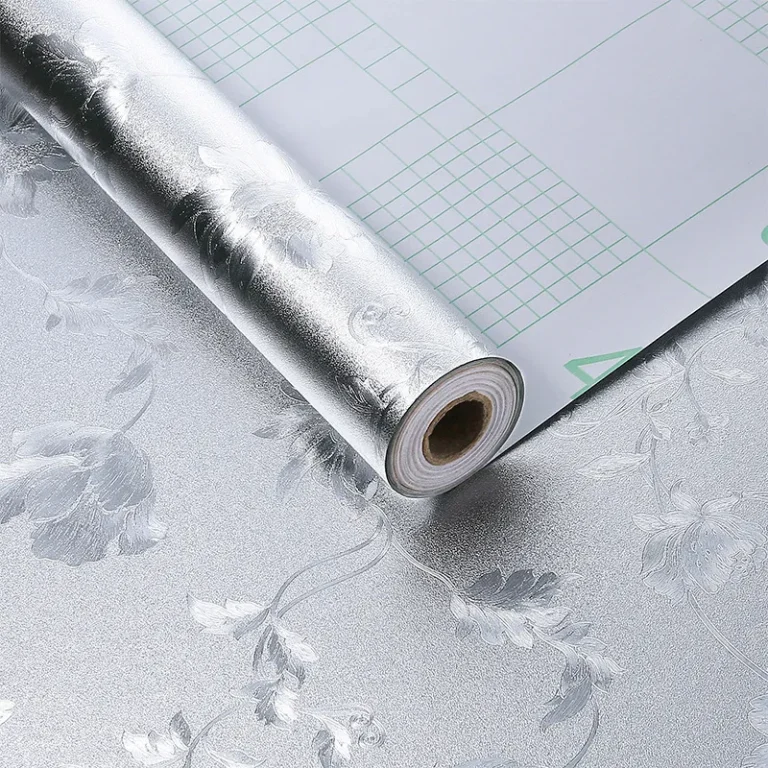
PVC film is a thin, flexible sheet made from polyvinyl chloride. Printing transforms it from a base material into a finished surface—such as wood grain, marble, metal, cloth texture, or solid color—ready for lamination, wrapping, vacuum pressing, or direct application (including self-adhesive options).
Key idea: Printing is not only “color.” It can also control gloss level, texture feel, scratch resistance, anti-static behavior, and indoor safety depending on inks, topcoats, and process control.
Typical film bases: transparent, matte/frosted, embossed, pearlescent, colored, anti-static, self-adhesive, and multi-layer composites.
The “best” printing process depends on your pattern complexity, run length, required durability, and downstream processing (lamination, forming, wrapping). Below are the most common industrial routes for PVC films.
Gravure uses engraved cylinders to transfer ink onto film at high speed. It excels at large-volume production with stable color and fine detail—especially for wood grain, marble veins, and repeating decorative patterns.
Flexo uses flexible plates and is widely used for functional or simpler decorative printing. It can be cost-effective, responsive for medium runs, and compatible with various ink systems depending on performance needs.
Digital printing is ideal when you need fast sampling, personalized designs, or frequent pattern updates. It reduces setup cost and supports rapid iteration, which helps when approving new textures for furniture lines or seasonal interior collections.
Screen printing is used when you want heavier ink deposit, tactile effects, or high-opacity layers. It can be useful for accent effects, spot patterns, or specific functional layers.
Many premium films combine printing with embossing to create realistic surfaces—think synchronized wood grain pores, stone texture depth, or fabric-like touch. Matching the embossed pattern with printed artwork can dramatically improve perceived quality.
Tip for spec sheets: Always define both visual target (pattern, gloss, color tolerance) and surface target (emboss depth, scratch resistance, stain resistance). Printing alone rarely tells the whole performance story.
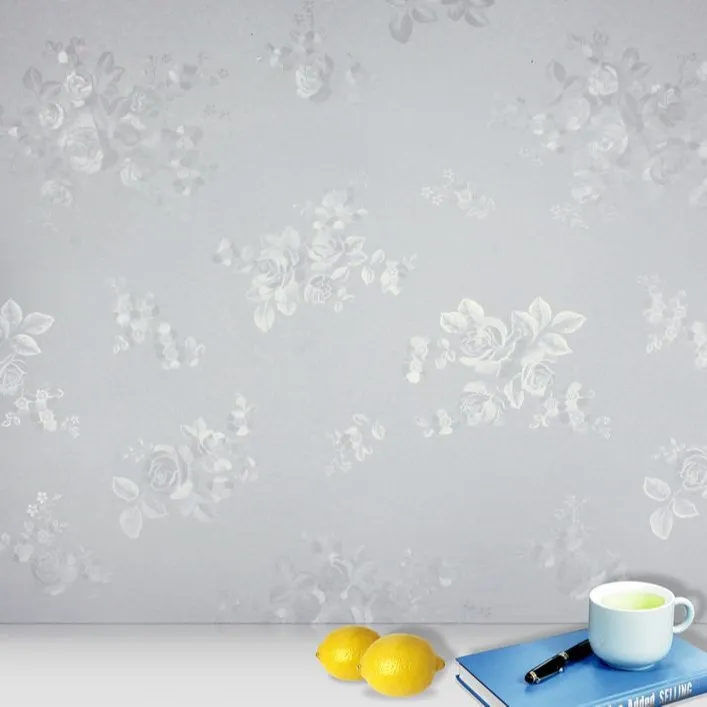
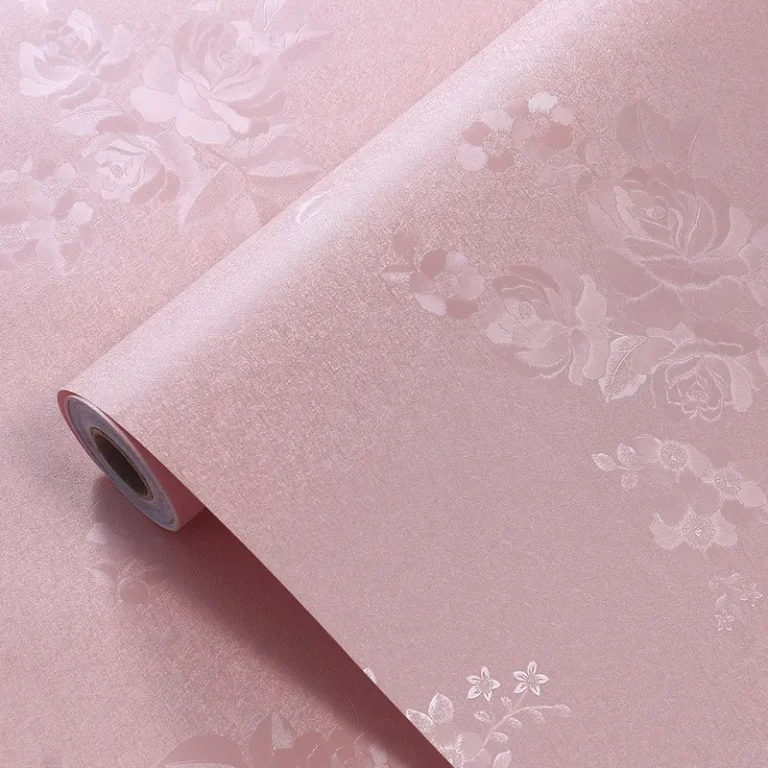
PVC film can deliver wood, marble, metal, 3D textures, or minimalist solid colors—often with high consistency across batches. For modern interiors, this means you can standardize a “signature” texture across cabinets, wall panels, and matching trims.
With the right ink system and topcoat, printed PVC films can offer abrasion resistance, stain resistance, and moisture tolerance. This matters in kitchens, retail spaces, hospitality projects, and high-touch furniture applications.
Printed films make it easier to manufacture consistent decorative surfaces in high volume. When a supplier controls calendering, printing, and slitting/packaging in-house, it can shorten lead time and reduce mismatch risk between base film and printing.
Custom thickness, width, roll length, color matching, pattern development, and packaging can be tailored to your production line. Many buyers also request optional functional treatments like anti-static, anti-fog, or food-grade coatings depending on the application.
Quality note: Ask for compliance evidence when needed (e.g., REACH, RoHS, ISO systems, FDA for certain contact-related use cases) and confirm inks are eco-friendly and non-toxic for indoor decoration.
Printed PVC films are widely adopted because they bridge aesthetics and function. Below are common use cases, along with the performance factors that usually matter most.
Popular patterns include wood grain, matte solid colors, and soft-touch finishes for cabinet doors, wardrobes, desk surfaces, and decorative trims. For furniture wrapping and membrane pressing, focus on forming performance, color stability, and scratch resistance.
For ready-to-source decorative options, see Wood Grain Film for classic and modern grains, and evaluate gloss/matte options depending on the design language of your market.
Wall films and decorative panel films are used in residential and commercial interiors where fast installation and easy maintenance are valued. For skirting and trim, films need good edge durability and stable color matching across lots.
Related product reference: PVC Skirting Film and Solid Color Wallpaper.
Printed PVC floor films require strong wear resistance, stable pattern clarity, and anti-slip design depending on the layer structure. For kitchens and bathrooms, moisture resistance and stain resistance are key.
Explore flooring-oriented options like Floor Film and confirm abrasion test targets and surface coating requirements before mass production.
For electronics and appliances, films may be printed for brushed-metal looks, brand identity, or protective layers. Specs often include anti-static performance, insulation, adhesion, and consistent thickness control.
PVC films can serve as printable surfaces for promotional graphics, display backgrounds, and decorative wraps. Here, color accuracy and batch repeatability matter as much as speed.
Define where the film will live: indoor furniture, wet-area walls, kitchen cabinets near oil/steam, high-traffic flooring, or industrial packaging. Each environment changes the ink/topcoat and process needs.
Checklist (end use):
If you run a stable design for months with high volume, gravure often wins on unit cost and consistency. If you change patterns frequently or need many SKUs, digital or flexo can reduce setup waste and accelerate approvals.
Many projects fail not due to “wrong color,” but due to mismatched gloss or hand-feel. Confirm whether you need high-gloss luxury surfaces, low-glare matte for modern minimalism, or soft-touch for premium furniture.
If your design calls for tactile elegance, consider textured decorative options such as 3D Silk Texture Film, and request samples under your actual lighting conditions (warm/neutral/cool LEDs).
Printing quality depends heavily on the base film: thickness uniformity, surface energy, clarity, and stability. For many decorative and industrial uses, calendered PVC film provides dependable thickness control and surface consistency.
Product reference: Calendered Film.
If you sell into regulated markets or supply large brands, confirm whether requirements include REACH, RoHS, ISO 9001/14001, and specific restrictions on heavy metals and phthalates. Also clarify whether the film will be used for indoor decoration or near human contact; this impacts ink selection and VOC considerations.
To reduce sampling rounds, share: application, thickness range, width, roll length, target color/pattern (or physical reference), desired gloss (GU value if possible), emboss request, adhesive need (if self-adhesive), and performance targets (scratch, stain, heat).
Test samples using your actual process—lamination temperature, forming depth, wrapping speed, and the same cleaners customers will use. Evaluate color under different lighting (daylight + warm LED) to avoid surprises after installation.
Agree on measurable standards: thickness tolerance, color tolerance (ΔE), gloss tolerance, adhesion, abrasion results, and packaging requirements (dust-proof PE film or kraft wrap, labeled rolls, moisture protection for export).
Production advantage to look for: A supplier with integrated calendering + printing + slitting/packaging can better control consistency, shorten lead time, and reduce total cost by coordinating material and process from start to finish.
Two films can look identical in photos but perform very differently. Always confirm topcoat performance, emboss depth, and forming suitability for your equipment.
Gloss changes perceived color dramatically. Approve samples in the same lighting environment where the product will be displayed or installed.
Printed surfaces can be damaged by dust, abrasion, or edge impacts. Export-ready packaging, individual wrap, and clear labeling help prevent claims and rework.
PVC film is a thin polyvinyl chloride sheet used for decorative and industrial surfaces. It is popular because it can be printed and embossed into realistic textures (wood, marble, metal) while offering durability and easy maintenance.
For high-volume production with consistent repeats and rich detail, gravure is commonly chosen. For fast sampling or frequent design changes, digital printing may be more efficient.
Yes. OEM/ODM programs often support custom thickness, width, roll size, color/pattern matching, and functional treatments such as anti-static or special topcoats.
Confirm measurable QC standards (thickness tolerance, color ΔE, gloss range, adhesion, abrasion) and ask for batch traceability plus test reports when required.
Many suppliers use eco-friendly, non-toxic inks and offer films compliant with standards such as REACH and RoHS. Always confirm the specific compliance documents needed for your market and application.