Address
304 North Cardinal St.
Dorchester Center, MA 02124
Work Hours
Monday to Friday: 7AM - 7PM
Weekend: 10AM - 5PM
Address
304 North Cardinal St.
Dorchester Center, MA 02124
Work Hours
Monday to Friday: 7AM - 7PM
Weekend: 10AM - 5PM


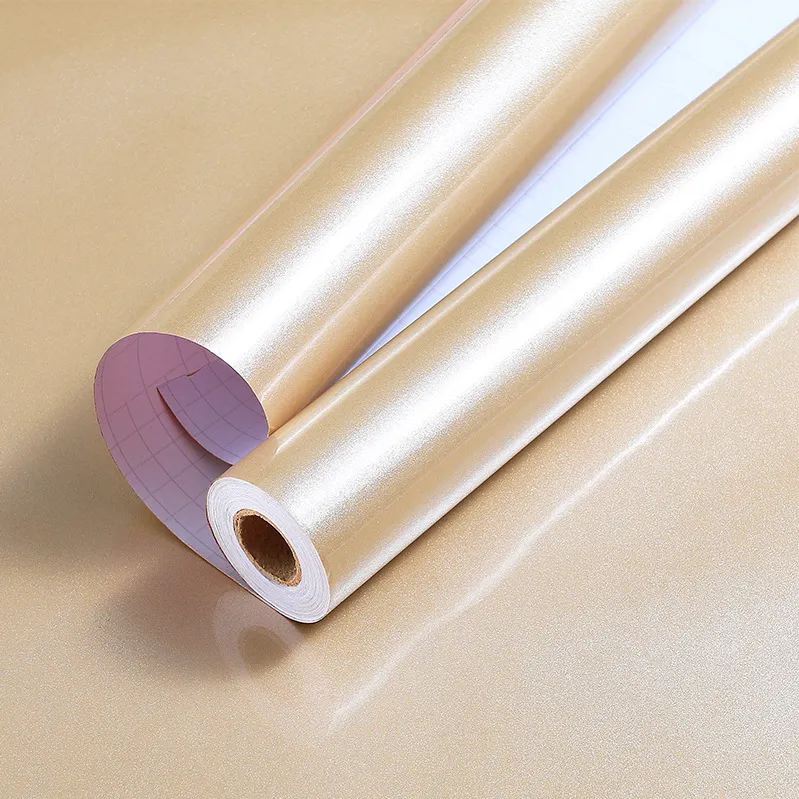
PVC film from China has become a cornerstone material for modern interiors, manufacturing, and packaging—valued for its wide design range, stable performance, and competitive cost. From cabinet doors and wall panels to flooring, electronics, and medical packaging, Chinese PVC film supply chains support fast sampling, flexible OEM/ODM customization, and large-scale export logistics. This guide explains how to choose the right PVC film type, evaluate top manufacturers, understand typical price drivers, and import safely and efficiently.
Quick takeaway
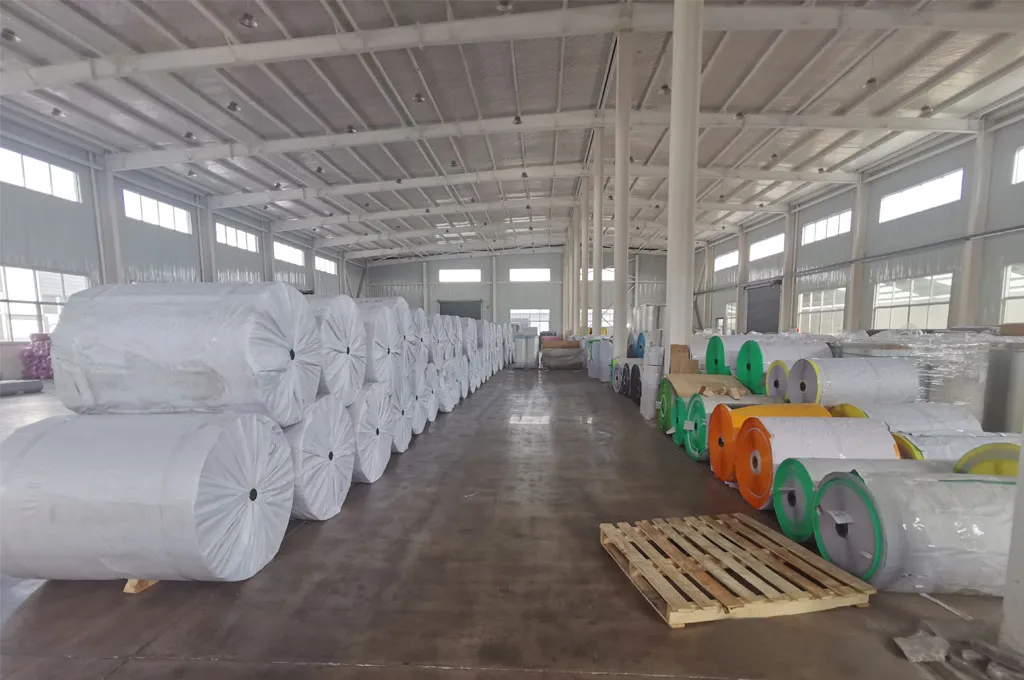
China’s PVC film industry benefits from integrated upstream raw material access, mature calendering/printing equipment, and experienced production teams. For overseas buyers, the strongest advantage is the combination of design diversity (thousands of patterns and surface effects) and scale manufacturing (stable capacity for container-level shipments), supported by efficient ports and established export routines.
In many markets—especially where renovation is popular and lead times are tight—Chinese PVC film is chosen for its ability to deliver repeatable color/pattern matching and fast prototyping. This is particularly relevant in the U.S., Canada, Australia, and Europe where customers expect seasonal design refreshes, as well as in the Middle East and Southeast Asia where durability under heat and humidity can be crucial.
Buyer tip If your product will be used indoors (e.g., cabinetry, wall panels, household items), confirm your supplier can provide compliance documents such as REACH/RoHS and relevant test reports (heavy metals, phthalates), plus batch traceability.
“Top manufacturer” isn’t only about factory size. For PVC film importers, a top-tier supplier typically shows strength across process coverage, quality consistency, customization ability, and export execution. Look for manufacturers that can handle multiple steps in-house—calendering, printing, and slitting/packaging—so they can control quality and delivery.
Pulivk Film focuses on PVC film R&D and production, supplying calendered film, decorative film, floor film, soft-touch film, transparent film, and more. With complete production lines covering calendering, printing, and slitting/packaging, they can manage the entire workflow from raw material to finished rolls—helping stabilize quality while reducing lead time and overall cost.
What to ask any “top” PVC film manufacturer
✔ Process
Do you calender, print, and slit/pack in-house? What equipment and daily capacity?
✔ QC
Which tests are routine (thickness, tensile, adhesion, optics, anti-static)? Batch traceability?
✔ Customization
Can you match Pantone/woodgrain, adjust emboss depth, gloss, adhesive type, roll core/OD?
✔ Export
Can you provide moisture/dust protection, labeled rolls, palletization, and shipping support?
PVC film selection should start from your end-use: decorative appearance, functional coating needs, installation method, and compliance requirements. Below are the most common categories buyers import from China.
Calendered PVC film is valued for consistent thickness, smoothness, and productivity at scale. It can be made transparent, matte, embossed, pearl, colored, anti-static, self-adhesive, laminated, or cloth-backed. If you need reliable gauge control for lamination and downstream converting, calendered film is often the first choice.
Learn more via: Calendered Film
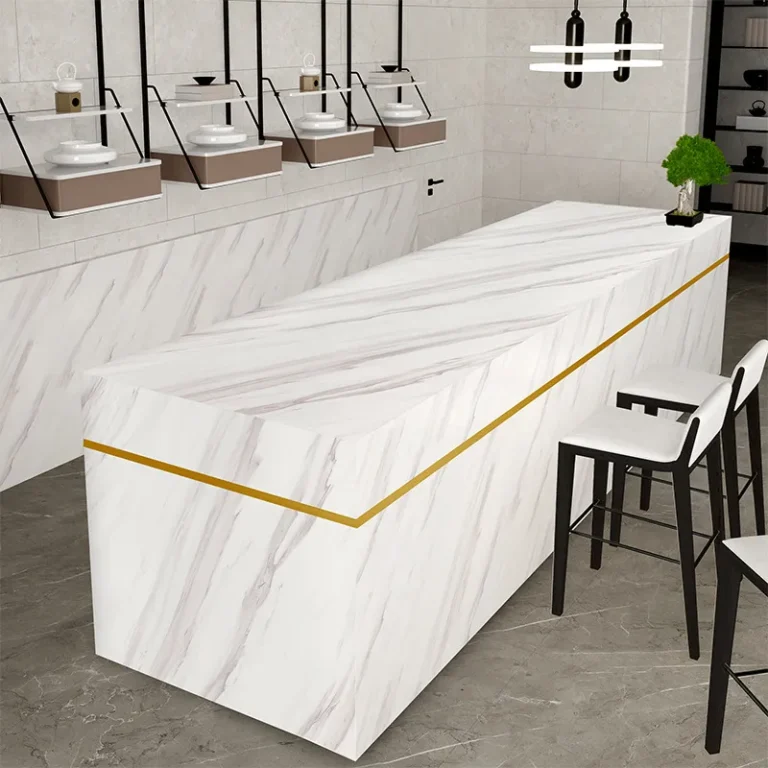
Decorative PVC film includes wood grain, marble, metal, solid color, cloth texture, glossy, matte, embossed, brushed effects, and 3D textures. These films are widely used on MDF/PVC boards, kitchen cabinets, wardrobes, interior doors, wall cladding, and partitions—helping brands refresh looks without changing the substrate.
Popular patterns include Wood Grain Film for warm interior aesthetics and Marble Film for premium, stone-like finishes with easier maintenance.
Soft-touch surfaces are increasingly popular in North America and Europe, where consumers favor comfortable, fingerprint-resistant finishes for cabinetry and furniture. If your market values “quiet luxury” aesthetics—matte, velvety feel, and subtle design—soft-touch films can boost retail positioning, but require careful QC on scratch resistance and stain performance.
Self-adhesive PVC films are ideal for fast renovation projects, pop-up retail, exhibitions, and DIY updates. In many Western markets, weekend remodeling and rental-home upgrades are common; buyers prefer films that can be applied quickly with minimal tools. Confirm adhesive performance (initial tack, repositionability, residue), surface compatibility, and recommended installation temperature ranges.
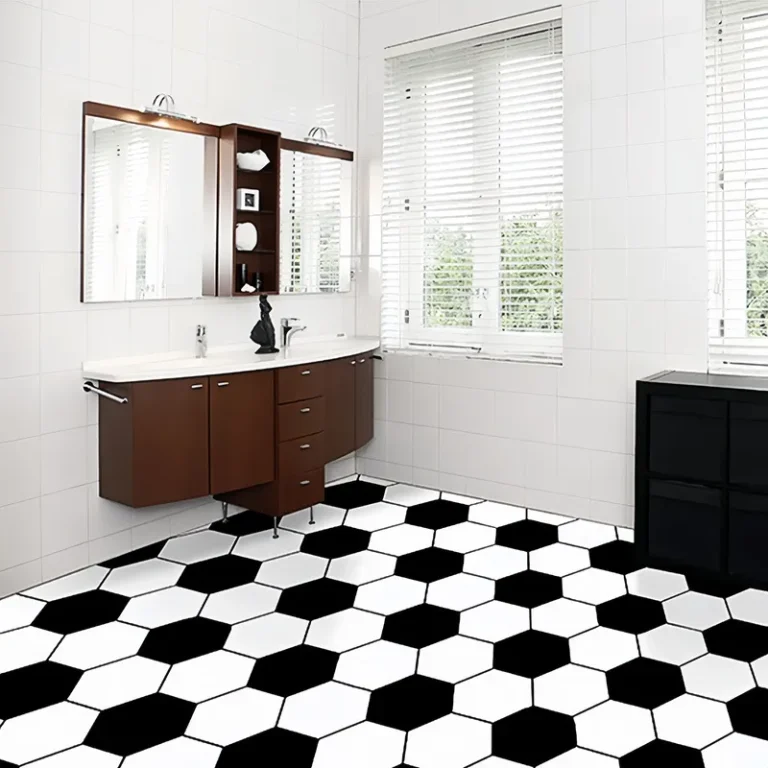
For flooring-related applications, specifications shift toward wear resistance, dimensional stability, and safety (anti-slip, emissions). If your product targets kitchens, bathrooms, or commercial spaces, ensure your supplier understands the standard expectations in your destination market and can provide relevant testing documentation. For reference: Floor Film
Most-requested surface treatments
Pricing and feasibility depend on whether your request is clearly specified. To avoid delays, define your requirements in a buyer-ready format. For U.S. and European buyers in particular, “spec clarity” is essential because compliance paperwork, labeling norms, and product liability expectations are often stricter.
PVC film pricing is not one-size-fits-all. Even within the same pattern category, costs can vary based on material formulation, process route, coatings, and packaging. When comparing quotes, focus on total landed cost—not only ex-factory price—because packaging, wastage rate, and defect risk can change your real cost per usable square meter.
⚑ Practical pricing advice
Ask suppliers to quote with the same Incoterm (EXW/FOB/CIF), same roll configuration, and the same QC standard. Otherwise, “cheaper” often means thinner tolerance, simpler packaging, or lower-grade coating—leading to higher defects and rework costs.
Importing PVC film is straightforward when you control specifications, approvals, and inspection points. Below is a field-tested workflow used by many distributors, wholesalers, and OEM brands.
Start by verifying whether the manufacturer is a true producer or a trading company. Neither is “bad,” but manufacturers usually provide better process control and technical feedback. Request: factory profile, production scope (calendering/printing/slitting), export references, and compliance documentation.
For decorative films, sampling is not optional. Approve a physical sample for: color, gloss level, emboss depth, feel, and real-world application (lamination/pressing/adhesion). Keep a signed “golden sample” or a sealed reference roll to manage repeat orders.
Before mass production, confirm key details: thickness tolerance, emboss roller ID (or emboss pattern name), ink system, coating type, and packaging method. For instance, individual roll protection using dust-proof PE film or kraft paper plus a specification label improves warehouse handling and reduces transit damage.
For many first-time importers, CIF can simplify shipping because the supplier arranges sea freight to your port. More experienced importers often prefer FOB to control forwarder selection, insurance, and consolidation. Either way, ensure your shipping marks, palletization rules, and container loading plan are aligned before dispatch.
Documentation typically includes commercial invoice, packing list, bill of lading, and certificates/test reports as needed. If you sell in markets where consumers value healthy indoor environments (common in North America, Europe, Japan, and Korea), be prepared to show compliance and safety statements clearly in your product documentation and sales materials.
Also consider local usage habits: for example, in many U.S. households, DIY renovation and seasonal “spring refresh” projects are common—so buyers often prefer smaller roll sizes, easy-to-apply self-adhesive options, and clear installation guidance. In European commercial interiors, consistency across lots and low-VOC expectations may matter more for large projects.
PVC film is used across multiple industries, and matching the film type to the environment is critical for performance and customer satisfaction.
Wood grain, cloth texture, cabinet/wardrobe films—focused on look, feel, and scratch/stain resistance.
Wall films, stone grain, partition films—focused on durability, cleanability, and stable color lots.
Anti-static/protective/insulation films—focused on functional coatings and consistent thickness.
Backdrops and promotional films—focused on print clarity, adhesion options, and fast delivery.
Protective and clean packaging films—focused on clean handling, safety, and documentation.
Table covers, waterproof films, window films—focused on easy cleaning and stable aesthetics.
China’s best PVC film suppliers offer flexible OEM/ODM services, allowing customization of thickness, width, roll size, surface finish, color/pattern, and packaging. To get reliable outcomes, align on measurable targets rather than subjective descriptions (e.g., specify gloss value range, emboss depth reference, and acceptable color delta standards where possible).
Customization controls that reduce risk
Many importers experience a common issue: the sample looks great, but the bulk shipment varies. Prevent this by combining documentation, process checks, and shipment-level controls.
📌 If you need fast help
You can explore product categories and request a quotation or samples through the supplier’s website. For general browsing, visit Product or contact directly via Contact.
Q1: What is PVC film and what is it used for?
PVC film is a thin sheet made of polyvinyl chloride used for decoration, protection, insulation, and packaging. Common uses include furniture surfaces, doors, wall panels, flooring layers, advertising displays, and industrial/medical packaging.
Q2: Which PVC film type should I choose for cabinets and furniture?
Decorative PVC film (wood/marble/solid color, matte/glossy, embossed) is most common. If you want a premium tactile feel, choose soft-touch. For quick renovation, consider self-adhesive PVC film—always test on your substrate first.
Q3: How do I compare quotes from different Chinese manufacturers fairly?
Standardize the quote basis: same thickness tolerance, same roll size/core, same surface/emboss, same packaging, and the same Incoterm (EXW/FOB/CIF). Request documentation for compliance and a pre-shipment inspection plan.
Q4: What is the typical MOQ for PVC film orders?
MOQ varies by product type and customization level. Many factories can support trial orders, while best pricing usually comes with repeat, higher-volume orders tied to stable designs.
Q5: How can I ensure the bulk order matches the approved sample?
Keep a signed “golden sample,” lock critical specs (tolerance, emboss roller, gloss), set in-line and pre-shipment QC checkpoints, and require labeled rolls with batch traceability.