Address
304 North Cardinal St.
Dorchester Center, MA 02124
Work Hours
Monday to Friday: 7AM - 7PM
Weekend: 10AM - 5PM
Address
304 North Cardinal St.
Dorchester Center, MA 02124
Work Hours
Monday to Friday: 7AM - 7PM
Weekend: 10AM - 5PM


 ByPulivk
Wholesale PVC film for the Peruvian market requires a practical mix of product knowledge, import know-how, and local-market positioning. This guide helps importers and distributors in Peru choose the right PVC film types, prepare compliant shipments through Callao and other ports, negotiate optimal terms, and sell effectively to local installers, furniture makers, and retail chains.
Peruvian construction, renovation and furniture sectors are growing steadily—demand from Lima, Arequipa and coastal cities favors decorative and protective films (wood grain, marble, kitchen anti-oil, and floor films). Peru’s tropical and coastal climates mean buyers prefer UV-resistant and moisture-stable film grades. Local installers value cost-effective, easy-to-install decorative films that refresh cabinetry, wardrobes, and shopfitting without large capital investment.
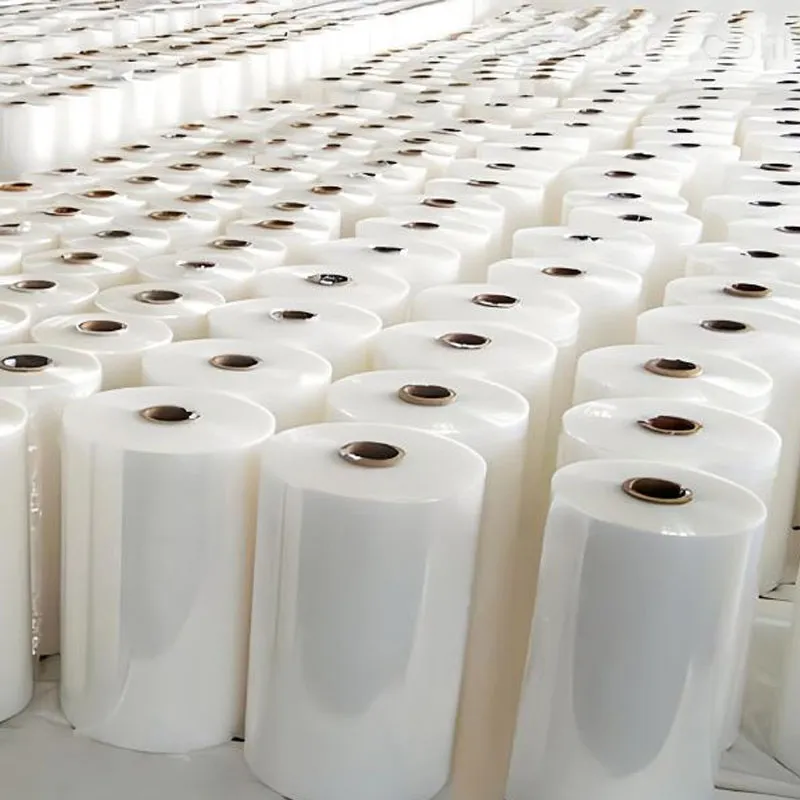
Common types: calendered film, embossed wood-grain, marble-effect, glossy wardrobe film, matte and anti-oil kitchen films, self-adhesive decorative film and protective floor film. Choose based on end-use and climate exposure.
Typical ranges for import planning: 40–600 microns (0.04–0.60 mm). Narrower/thinner films suit wall stickers and light furniture; thicker films (150–300 microns and above) are preferred for flooring protection and heavy-wear surfaces. Standard roll widths: 1220 mm, 1370 mm, 1520 mm—confirm with local fabricators.
Ask for: UV stabilizers, anti-scratch coating, good adhesion (for self-adhesive types), solvent/oil resistance for kitchen films, anti-static for packaging films, and fire-retardant grades where required.
| Type | Thickness | Common Roll Widths | Primary Use |
|---|---|---|---|
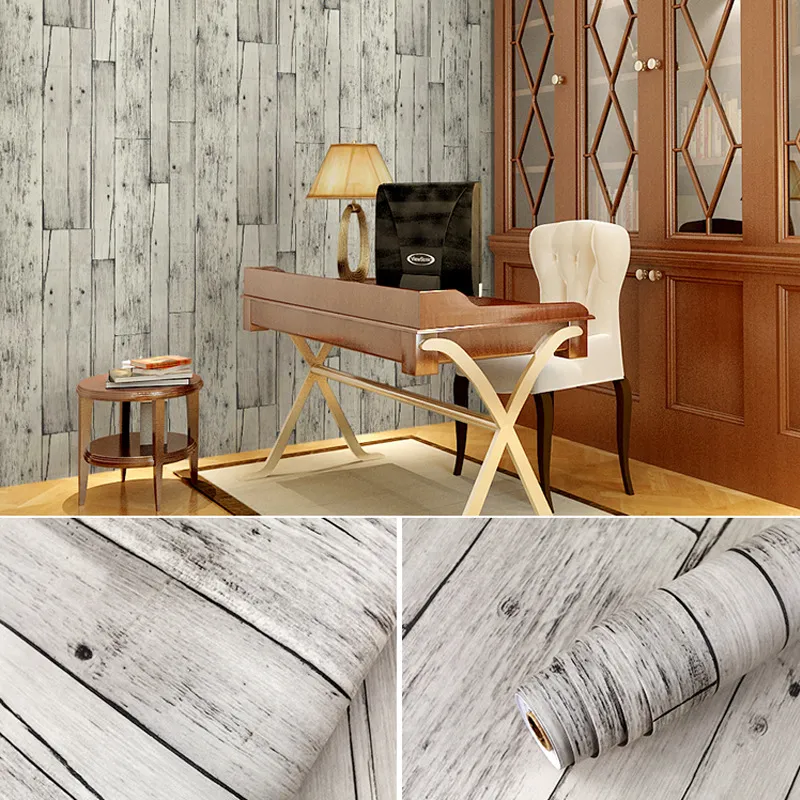
| Wood grain PVC film | 60–250 μm | 1220 / 1370 / 1520 mm | Cabinet doors, furniture wrap |
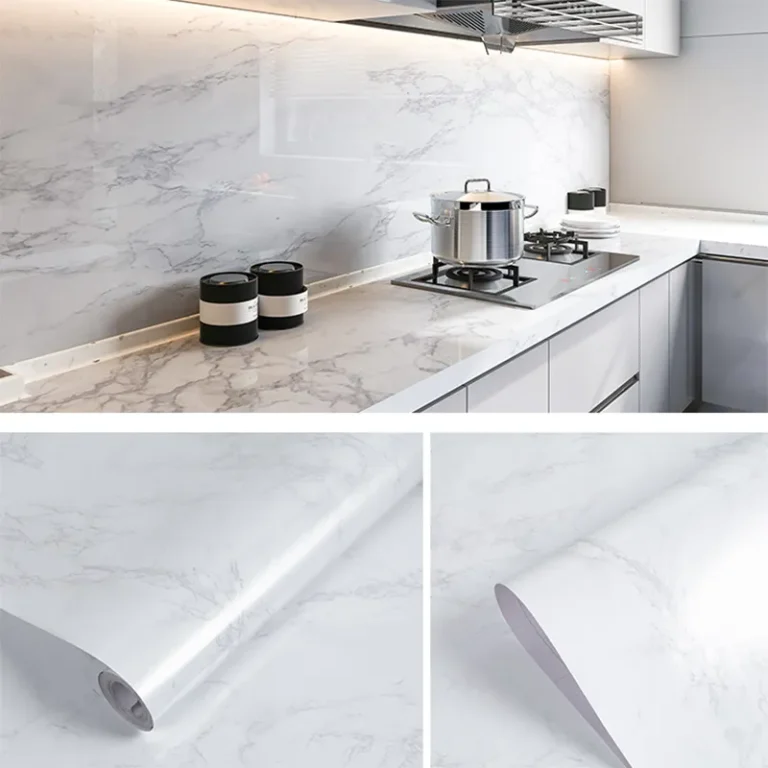
| Marble / Stone effect | 80–300 μm | 1220 / 1370 mm | Countertops, feature walls |
| Floor & protective film | 150–600 μm | Various (cut rolls) | Temporary protection, showroom floors |
| Kitchen anti-oil film | 80–200 μm | 1220 / 1370 mm | Backsplash, cabinet fronts |
• HS codes and product classification: confirm HS codes with your customs broker to estimate duties.
• Taxes: IGV (VAT) is typically 18% in Peru—factor into landed cost calculations.
• Required documents: commercial invoice, packing list, bill of lading / airway bill, certificate of origin (if preferential tariff applies), technical datasheets and any test reports.
• Incoterms: most distributors prefer CFR/CIF to Callao (LIM) for simplicity; importers with local clearance experience may use FOB to negotiate lower quotes.
• QC & samples: always request pre-shipment samples and third-party inspection for large orders. Specify acceptable thickness tolerance and surface finish.
MOQ: many manufacturers set MOQs by roll count or weight—distributors targeting smaller retail customers should negotiate split-packaging and smaller inner-roll lengths to match local demand.
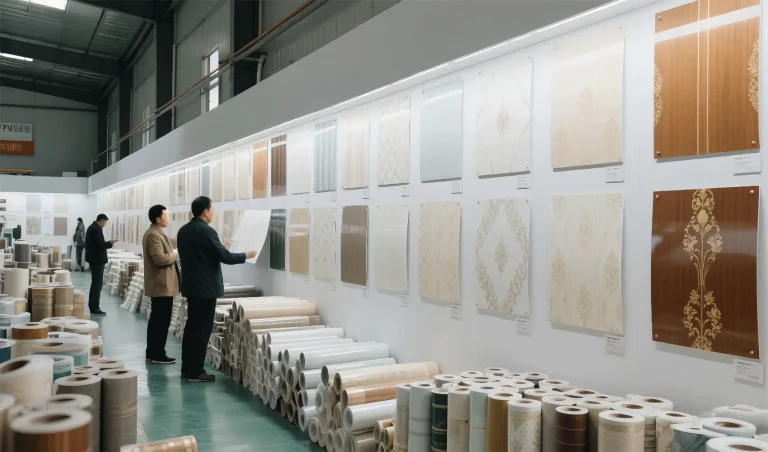
Packaging notes: individually wrapped rolls, labeled cartons, and palletized shipments reduce damage and ease warehouse handling. For flexible OEM and split-packaging support, consider suppliers with full in-house lines that can handle calendering, printing, and split-packaging in one chain.
Request product datasheets with measured values: thickness tolerance, tensile strength, peel adhesion (for self-adhesive), abrasion resistance, and UV/fade test results. For films used in food-contact or medical packaging segments, request applicable safety declarations. Require clear marking of batch codes to trace quality issues.
• Target channels: building materials chains, furniture workshops in Lima and regional capitals, commercial renovators, retail chains for DIY and home improvement.
• Value proposition: highlight durability in humid/coastal environments, economical alternative to real wood or stone, and availability of ready-to-install rolls and split-lengths.
• After-sales: provide installation guides, sample books, and local warranty terms to build trust with installers and retailers.
1. Order samples of target film types and run local adhesion and UV tests.
2. Confirm HS code and calculate landed cost (product + freight + IGV + duties).
3. Negotiate MOQ, packaging and lead time—ask about split-packaging and OEM labeling.
4. Arrange pre-shipment QC and prepare local clearance with a trusted customs broker.
5. Launch a small pilot with local installers to gather feedback before scaling orders.
Look for partners that can provide consistent quality, stable lead times, and flexible packaging options. For an example of a full in-house supplier that supports calendering, printing and split-packaging with OEM services, visit Pulivk — Henan Pulivk New Materials Co., Ltd., which highlights source-level cost control and multiple QC checkpoints.
• Keep two to three local SKUs as fast movers to simplify inventory. • Build sample sets for sales reps to demonstrate finishes. • Monitor exchange rates and freight cycles—LCL vs FCL can swing landed cost significantly.
Ready to import? Start with sample testing, verify documentation early, and negotiate split-packaging to match Peruvian market demand—this lowers risk and improves sell-through for distributors across Peru.