Address
304 North Cardinal St.
Dorchester Center, MA 02124
Work Hours
Monday to Friday: 7AM - 7PM
Weekend: 10AM - 5PM
Address
304 North Cardinal St.
Dorchester Center, MA 02124
Work Hours
Monday to Friday: 7AM - 7PM
Weekend: 10AM - 5PM


Sustainability goals, regulatory pressure, and brand reputation are pushing more companies to rethink flexible packaging. One of the most common questions is whether you can get the same protection, print quality, and shelf appeal without using PVC. That is where Non PVC film comes in: a broad category of plastic films (and sometimes paper-based laminations) designed to reduce environmental impact, improve recyclability, and meet modern safety expectations while still performing in real-world packaging lines.
Key idea: “Non PVC film” does not mean “one material.” It typically refers to alternatives such as PE, PP (BOPP/CPP), PET, PA (nylon), EVOH-based barrier structures, or paper/film hybrids, selected based on barrier needs, sealing method, and end-of-life pathway.
Non PVC film is any flexible film used in packaging, protection, labeling, or lamination applications that is not made from polyvinyl chloride. Many industries move away from PVC to simplify recycling streams, reduce chlorine-related concerns during disposal, or align with retailer sustainability scorecards.
Non PVC film can be monomaterial (for example, all-PE or all-PP) or multilayer (for example, PET/PE, PA/PE, or structures with barrier layers). Your best option depends on what the package must do: keep oxygen out, retain aroma, resist puncture, seal reliably, run fast on machines, and still look premium on shelf.
For procurement and product teams, “Non PVC film” usually means you want a film that:
(1) meets product protection requirements,
(2) supports your preferred end-of-life route (recyclable where facilities exist, or reduced-material footprint),
(3) complies with food-contact and chemical restrictions relevant to your market.
✔ Improved recyclability potential:
Many Non PVC solutions are designed around PE or PP recycling streams. When you keep the structure closer to a monomaterial, sorting and reprocessing become more realistic (depending on local infrastructure).
✔ Strong safety and compliance positioning:
Non PVC films are frequently selected to help brands meet requirements such as REACH/RoHS alignment, retailer chemical policies, and food-contact expectations when specified correctly.
✔ High performance options exist:
Advanced Non PVC structures can deliver excellent clarity, stiffness, sealability, puncture resistance, and barrier (oxygen/moisture) using PET, PA, EVOH, metallized layers, or coated films—chosen to match the product.
✔ Brand storytelling & premium feel:
Matte/soft-touch effects, tactile coatings, and high-definition printing are available on Non PVC films, supporting premium packaging aesthetics without relying on PVC.
Sustainability is not only about material names. A multilayer Non PVC structure that is difficult to recycle might still be the right choice for food waste prevention, but it is not necessarily “better” in every metric. The most credible approach is to align performance, downgauging, and end-of-life—and document the rationale.
PE is one of the most widely used packaging polymers. It is valued for sealability, toughness, and cost efficiency. Many recyclable designs focus on all-PE structures because they can fit into existing PE recycling streams in some markets.
Best for: pouches, liners, overwraps, shrink/stretch applications (depending on grade), protective packaging, and sealant layers in laminations.
Watch-outs: higher oxygen permeability than PET/PA; may need EVOH or coatings for high-barrier needs.
PP films are known for stiffness, clarity, and attractive optics. BOPP is common for snack packaging and labels; CPP is often used for heat-sealable webs and lamination.
Best for: flow-wrap, lamination, labels, overwraps, and applications needing crisp appearance.
Watch-outs: barrier may require metallization or coatings; sealing window depends on film type.
PET offers dimensional stability, temperature resistance, and strong mechanical properties. It is frequently used as a printed outer layer in laminates and can be engineered for high clarity or metallized for barrier.
PA films are used when puncture resistance and toughness matter (e.g., vacuum packaging, sharp-edged products). They can be combined with PE sealants and barrier layers.
EVOH provides excellent oxygen barrier when kept dry, while coatings and metallization can improve moisture/oxygen barriers. These technologies are often used to reduce overall material thickness while maintaining shelf life.
Non PVC films are widely applied in snack wraps, frozen food packaging, coffee and dry goods pouches, and condiment sachets. Here, the film must deliver a balance of barrier, seal integrity, and machinability. For oily or messy kitchen environments, brands often choose specialized protective and anti-oil surfaces on packaging-facing materials. For example, when comparing surface protection approaches in kitchen applications, it can be useful to review products like
Kitchen Anti-oil Film
or
Kitchen Oil-proof Aluminum Foil
to understand how functional layers change cleanability and durability.
Detergent refills, wipes, and cosmetic sachets benefit from Non PVC structures designed for chemical resistance and consistent sealing. In these categories, shelf impact and tactile feel also matter, making matte or texture options attractive.
Protective wraps, interleaving films, pallet covers, and surface protection sheets often use PE-based films for toughness and cost control. If static is a concern (electronics, clean production areas), anti-static formulations can be specified in Non PVC materials as well.
While “sustainable packaging” is the main driver, many buyers also explore Non PVC films in surface decoration and protection where possible. If you’re benchmarking appearance options for interiors, reviewing decorative references such as
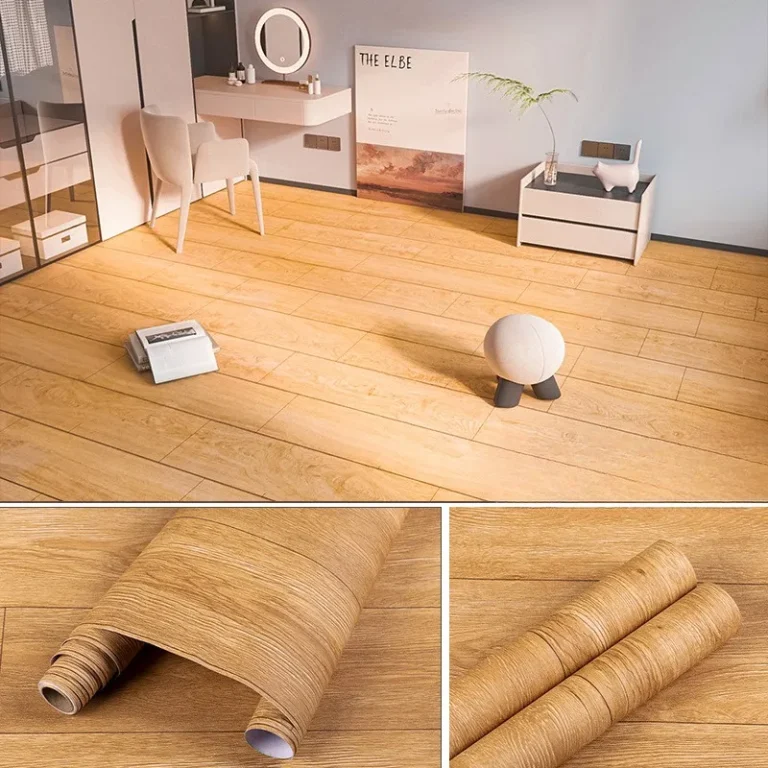
Wood Grain Film,
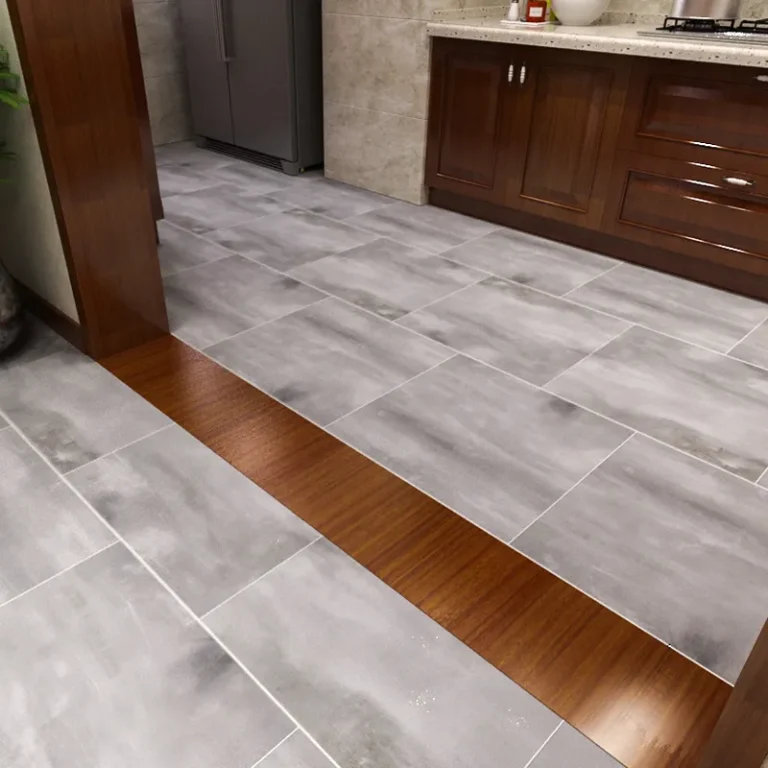
Marble Film,
or
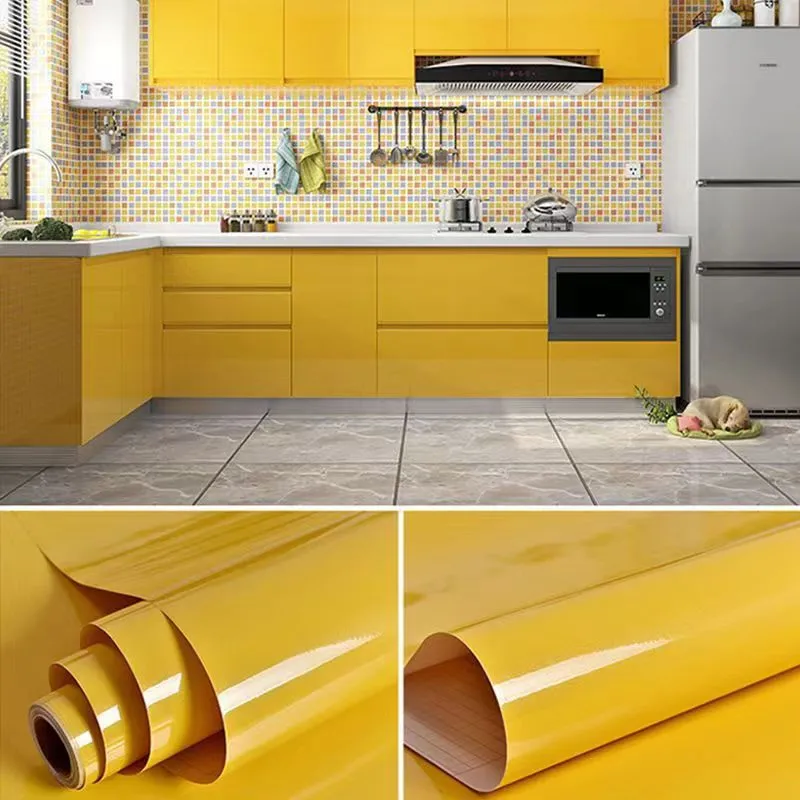
Solid Color Wallpaper
can help clarify how texture, gloss, and color consistency are specified—useful concepts that also apply to printed flexible packaging films.
🧭 Selection principle: Start with product protection (barrier + mechanical), then confirm line compatibility (sealing + speed), then validate compliance and end-of-life claims.
Barrier needs vary dramatically by product. Coffee and snacks often need oxygen and aroma protection; powders may need moisture barrier; light-sensitive products may need opaque structures. If shelf life is critical, consider high-barrier designs (EVOH/coatings/metallization) and verify with test data rather than assumptions.
Your packaging line may use heat sealing, impulse sealing, ultrasonic sealing, or specialized lidding. The film must match your equipment’s sealing temperature window and dwell time. A film that looks perfect in the lab can fail at speed if the sealant layer is wrong or too narrow in window.
For sharp products or vacuum packs, puncture resistance is essential (often pointing toward PA-based structures or reinforced designs). For stand-up pouches, stiffness and crease behavior matter for shelf presentation.
Define whether you need reverse printing for scuff protection, matte/gloss contrast, high clarity windows, or tactile coatings. Confirm ink compatibility and migration requirements for food-contact applications.
Request documentation aligned with your market and customer requirements (e.g., relevant food-contact statements, REACH/RoHS positioning, and test reports). If you ship globally, align on a documentation pack that can support audits and retailer reviews.
If your goal is “recyclable,” prioritize monomaterial PE or PP designs and confirm local collection compatibility. If barrier and shelf life are the top priority, a multilayer structure may be necessary; in that case, focus on downgauging and measurable waste reduction.
PVC film is widely used in many industries for its processability, clarity options, and decorative versatility. However, packaging decision-makers increasingly compare alternatives to meet sustainability targets. In practice, Non PVC film can match or exceed PVC in many areas, but you must choose the correct polymer family and structure.
What to compare during trials:
• Seal strength and seal contamination tolerance
• Barrier performance (OTR/WVTR) over time and conditions
• Coefficient of friction (COF) for machine handling
• Print adhesion, rub resistance, and appearance stability
• Odor/taint risk and compliance documentation
Document thickness, width, roll length, core size, sealing conditions, target COF range, print requirements, and required test methods. This prevents repeated trial loops caused by unclear acceptance criteria.
If your product sees temperature swings (warehouse heat, refrigerated distribution, or humid climates), test film performance in at least: standard lab conditions, worst-case humidity/heat, and real shipping simulation.
A slightly higher-cost film can lower overall cost if it reduces downtime, improves line speed, reduces leakage returns, or enables downgauging. Build a simple model: material cost + scrap + downtime + customer claims.
Thickness should be selected by performance needs, not habit. Many brands achieve sustainability gains by downgauging while maintaining strength through better resin selection or orientation. However, downgauging should be verified with puncture/tear tests and real packaging-line runs.
Matte, silk, or soft-touch effects can significantly improve shelf perception. If you want a tactile premium look, specify measurable criteria (gloss units, haze, and abrasion resistance) so results are consistent across batches.
Anti-fog, anti-static, slip, and anti-scratch properties can be added to Non PVC films. Functional layers should be validated for durability over time, especially if the package is handled frequently or exposed to oils/cleaners.
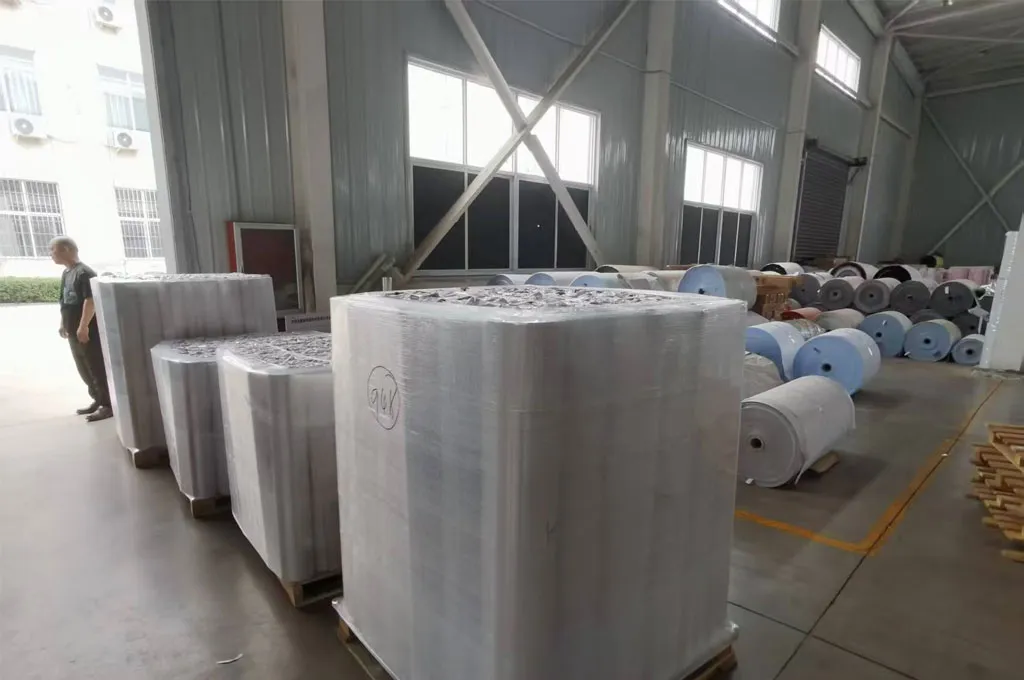
Film performance is not only about polymer choice—manufacturing controls matter. Suppliers with integrated capabilities (printing, slitting, and packaging) can reduce variation and shorten turnaround. For complex structures, ask how the supplier manages batch traceability, thickness uniformity, adhesion performance, and packaging protection during shipping.
Procurement checklist:
• Can you provide samples matched to our sealing method and line speed?
• What QC tests are run per batch (thickness, COF, adhesion, optics, seal strength)?
• What is the realistic lead time for first article + bulk production?
• Can you support OEM/ODM customization (width, roll length, printing, surface properties)?
⚠ Mistake 1: Replacing material without redesigning the structure.
A PVC film application may require a different combination of layers in Non PVC formats to achieve the same stiffness, barrier, or sealing behavior.
⚠ Mistake 2: Over-optimizing for recyclability and losing shelf life.
If your product spoils early, the environmental impact of food waste can outweigh gains from material choice. Balance end-of-life goals with protection needs.
⚠ Mistake 3: Skipping line trials at real speeds.
Seal failures, wrinkling, and poor registration often appear only at production speed. Plan trials with clear pass/fail criteria and record parameters.
Not always. Some Non PVC films are designed to be monomaterial (e.g., all-PE or all-PP) and may be recyclable where facilities exist, while many high-barrier multilayer films are harder to recycle. Confirm the structure and local recycling pathway.
Common solutions include EVOH-based barrier structures, coated films, metallized PET/BOPP, or multilayer laminations using PET/PA with appropriate sealant layers—selected based on humidity exposure and shelf-life targets.
Usually yes, but it depends on the sealing method, temperature window, COF, and stiffness. Plan a controlled trial and confirm sealing performance at real production speeds.
Choose based on your needed stiffness, clarity, and sealing behavior, plus the recycling stream you want to target. PE is often chosen for sealability and toughness; PP can offer higher stiffness and crisp optics.
Provide application type, film structure preference (if known), thickness, width, roll length/core size, printing requirements, functional needs (anti-fog/anti-static), compliance requirements, and annual volume/target lead time.