Address
304 North Cardinal St.
Dorchester Center, MA 02124
Work Hours
Monday to Friday: 7AM - 7PM
Weekend: 10AM - 5PM
Address
304 North Cardinal St.
Dorchester Center, MA 02124
Work Hours
Monday to Friday: 7AM - 7PM
Weekend: 10AM - 5PM


Laser-printable PVC sheets have become a go-to material for signage, product labeling, DIY décor, prototypes, packaging mockups, and short-run promotional graphics. Compared with ordinary plastic sheets, “laser PVC film/sheets” are engineered to accept toner cleanly, resist warping under heat, and keep prints crisp without smudging or flaking. But not all brands—or manufacturing approaches—deliver the same stability, adhesion, and surface uniformity.
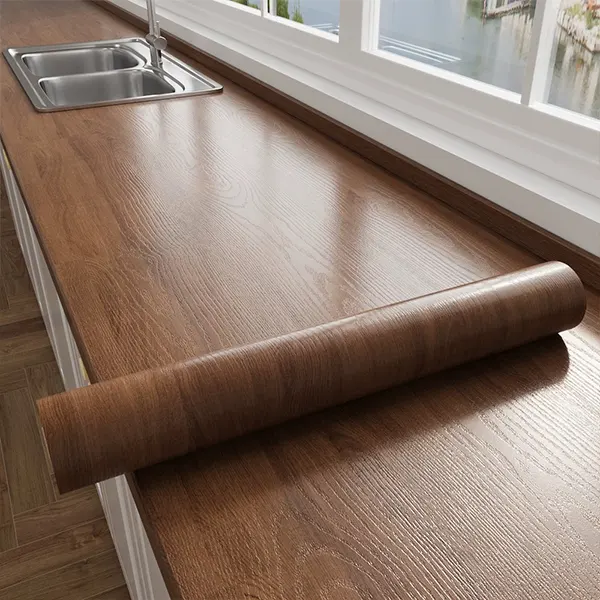
This guide explains what makes a top laser PVC film brand, how to compare options for durability and print quality, and what specifications matter most when you’re buying at scale or developing a custom product line.
A laser printer uses heat and pressure to fuse toner onto a surface. Standard PVC can soften, curl, or release plasticizers that interfere with toner bonding. High-quality laser PVC film is typically formulated and finished to manage three key challenges:
Key engineering goals for laser PVC:
In practice, top brands combine resin selection, calendering control, optional coatings, and strict QC to produce sheets that run smoothly through office and production laser devices.
When buyers say “best,” they usually mean a predictable outcome: print looks the same across batches, sheets feed reliably, and finished pieces survive handling, bending, and cleaning. Use the checklist below to evaluate brands and suppliers.
Strong laser performance depends on both the surface and the base film. Ask whether the product is designed for laser specifically (not just “printable”), and request test prints or samples. Evaluate:
Durable sheets should stand up to trimming, corner rounding, die-cutting, and everyday abrasion. If your product is handled frequently (membership cards, tags, shelf labels), prioritize stronger base film and optional functional top layers. For industrial or public environments, verify resistance to mild cleaners.
Many “brand differences” come down to manufacturing consistency—especially for calendered products where thickness and surface uniformity are controlled across wide rolls. If you convert sheets from rolls, stable calendering is even more important.
For reference, suppliers offering professional Calendered Film lines generally emphasize thickness uniformity, stable lead time, and batch traceability.
Quick check before you buy:
Hold a sheet at a low angle under light. Top-tier laser PVC should look even—no waves, oil-like streaks, or cloudy patches. Those defects often show up as uneven toner density later.
Reputable brands will support documentation for common requirements (e.g., REACH, RoHS) and offer consistent packing for global shipping. If your prints will be used in interiors, medical packaging zones, or near food-contact applications, confirm the ink/coating system and material restrictions.
“Top brand” isn’t one single product—most strong suppliers cover multiple surface types. Below are the most common categories buyers compare, plus when to use each.
This is the standard choice for labels, notices, educational charts, short-run cards, and indoor signage. Matte finishes can improve readability under bright lighting and help hide fingerprints.
Gloss surfaces can deliver higher perceived saturation and punch, especially in product presentation and promotional pieces. They also show scratches more easily, so choose higher scratch-resistance if handling is frequent.
Clear laser PVC must balance optical clarity with toner anchoring. Some “clear” sheets look fine until printing reveals haze or uneven toner fusing. Ask for optical and print tests, especially for fine lines.
Decorative textures can differentiate premium packaging, presentation boards, and interior branding panels. If you want a tactile finish, look for controlled embossing and consistent texture depth to avoid registration issues.
Examples of décor-focused surfaces include silk-like textures such as 3D Silk Texture Film, which are popular in furniture and wall applications and can inspire premium print-and-laminate workflows.
In B2B procurement, a “top brand” is often a manufacturer or supplier with end-to-end control: stable base film production, optional printing/coating capability, and disciplined inspection from raw material to packaged rolls/sheets.
Manufacturers with integrated calendering, printing, and slitting/packing lines can reduce variation and improve delivery reliability—especially when you need repeat orders with tight tolerances.
If you’re building your own product line (private label) or supplying multiple markets, look for OEM/ODM support: thickness, width, surface feel (gloss/matte/soft-touch), anti-static options, and custom packaging with clear labeling for warehouse control.
Instead of relying only on datasheets, evaluate brands using a short, repeatable test plan. This makes it easier to choose a “best option” for your specific printer and end-use.
“Printable” can mean inkjet, UV, solvent, eco-solvent, or laser. Make sure the supplier states laser compatibility clearly and can share sample output from similar devices. If you use high-speed digital presses, mention that—fusing behavior can change with speed and coverage.
Print heavy coverage (large dark blocks) and observe: do corners lift, does the sheet curl, and does it recover flatness after cooling? Curl is a common cause of paper jams and misfeeds.
If you will die-cut, crease, or hot-stamp, request a larger sample. Good film should cut cleanly with minimal burrs and maintain edge quality.
Signs are often exposed to handling, cleaning, and frequent re-positioning. Higher-grade laser PVC helps prevent corner curling and keeps prints readable. If your installation includes trims or baseboards, matching decorative films can help unify the look—for example PVC skirting film is often used in interior finishing where durability and appearance both matter.
Designers and contractors frequently need fast mockups: color cards, texture boards, and printed layout references. Pairing laser-printable PVC sheets with décor materials—such as solid color wallpaper options—can streamline client approvals and reduce rework.
In warehouses and workshops, labels face abrasion, moisture, and temperature variation. A more durable laser PVC grade with better scratch resistance and stable thickness can significantly reduce replacement frequency.
The best-performing laser PVC sheet for your workflow may not be an off-the-shelf item. Many top suppliers provide OEM/ODM customization so you can match performance targets and reduce total cost.
If you’re sourcing at scale, ask suppliers about their quality system (incoming resin checks, in-process thickness testing, surface inspection, and final packing inspection). Consistency is the real differentiator between a “good deal” and a long-term, dependable brand.
To avoid costly print failures and returns, treat laser PVC like a performance material—not a commodity. The steps below help you select top-tier brands with fewer surprises.
Request samples from the same batch that would be used for production, and specify your intended printer model and print coverage. If possible, test at both low and high toner density.
The “best brand” is one that can repeat the same result. Ask about standard lead time, stock programs, and whether the supplier can reserve raw materials or maintain formulation stability across seasons.
PVC films and sheets can pick up dust or deform if packed loosely. Look for dust-proof wrapping, corner protection, and clear spec labels—especially if you ship long distances or store inventory for months.
Brands with deep PVC film expertise—covering calendered film, decorative film, and functional treatments—often bring that process control into laser-printable products. Full-chain production (calendering, printing, slitting, and packing) helps stabilize thickness, surface uniformity, and delivery schedules. Strong QC (from raw materials through finished roll inspection) supports consistent toner adhesion and predictable results for repeat orders.
If your business needs fast iteration, OEM/ODM capability is equally important: it allows you to tune surface finish, anti-static behavior, and packaging for your target market while keeping a steady supply for growth.
The best laser PVC film brands are defined less by marketing and more by process control, repeatable QC, and application-specific customization. Choose a supplier that can prove performance with samples and sustain it with stable production.
1) Can I use any PVC sheet in a laser printer?
No. Laser printers use heat to fuse toner, and standard PVC can warp or cause poor toner bonding. Use laser-rated PVC sheets designed for heat stability and toner adhesion.
2) Why do some laser PVC sheets curl after printing?
Curl usually comes from insufficient heat stability, uneven thickness, or heavy toner coverage. Choosing a better-grade film (and testing with your printer settings) reduces curling significantly.
3) What’s the best finish: matte or glossy?
Matte is better for readability and fingerprint control; glossy is better for high-impact color. The “best” choice depends on handling frequency and visual goals.
4) How do I verify a supplier’s consistency before a bulk order?
Request batch samples, run a heat/curl test plus rub and bend tests, and confirm the supplier’s QC and traceability approach. Reliable brands can repeat performance across shipments.
5) Can laser PVC film be customized for my brand or application?
Yes. Many manufacturers offer OEM/ODM options including thickness, width, surface finish, functional treatments (like anti-static), and customized packaging/labels for retail or industrial supply chains.