Address
304 North Cardinal St.
Dorchester Center, MA 02124
Work Hours
Monday to Friday: 7AM - 7PM
Weekend: 10AM - 5PM
Address
304 North Cardinal St.
Dorchester Center, MA 02124
Work Hours
Monday to Friday: 7AM - 7PM
Weekend: 10AM - 5PM


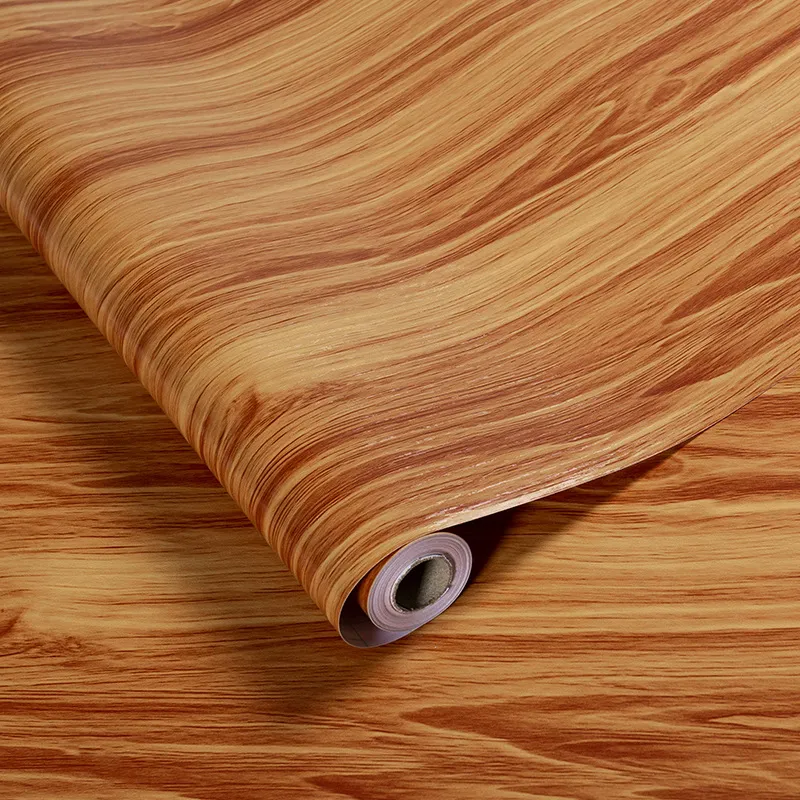
Iridescent PVC film is a decorative and functional surface material that shifts color as lighting and viewing angles change. This “color-shifting” effect makes it popular for modern interiors, retail displays, consumer electronics accents, and branded packaging—especially when you want a premium look without the cost and weight of metal or glass. In this guide, you’ll learn what iridescent PVC film is, where it performs best, how to choose specifications, and what to check before buying at scale.
Key idea:
Iridescent PVC film combines visual impact with everyday durability—when the right thickness, surface finish, and adhesive system are chosen for the job.
PVC film is a thin sheet made from polyvinyl chloride, engineered for decoration, protection, and industrial use. Iridescent PVC film adds an optical layer or special surface treatment that refracts light, creating multi-tone highlights (often seen as pearl, rainbow, or metallic-flash effects). Depending on the formulation and structure, the film may be:
Why “PVC” matters:
Compared with PET and other plastics, PVC films can offer a wider range of finishes (gloss/matte/soft-touch), flexible thickness choices, and strong suitability for lamination, wrapping, and decorative surfaces.
Iridescent PVC film can be used wherever you need a durable decorative layer that’s easy to process. Below are practical application groups and what to optimize in each case.
For wardrobes, cabinet doors, panels, and table accents, iridescent film brings a premium “designer” look—especially in modern retail interiors, salons, and boutique spaces. Choose a finish that matches the environment:
glossy for showroom shine, matte for fingerprint resistance, or embossed for tactile texture.
✅ Pro tip for furniture factories:
Ask for adhesion and heat resistance data if your lamination line uses hot pressing or PUR systems. Also confirm the film’s surface is compatible with your glue chemistry.
In commercial spaces, iridescent finishes can highlight focal walls, columns, reception counters, or partitions. For residential interiors, they are often used as a feature surface rather than a full-room wrap, because the light-shift effect is bold. For skirting and edge areas, durability and cleanability become more important than maximum gloss.
If you’re sourcing complementary decorative items, you can explore related options such as
PVC skirting film
or minimalist base materials like
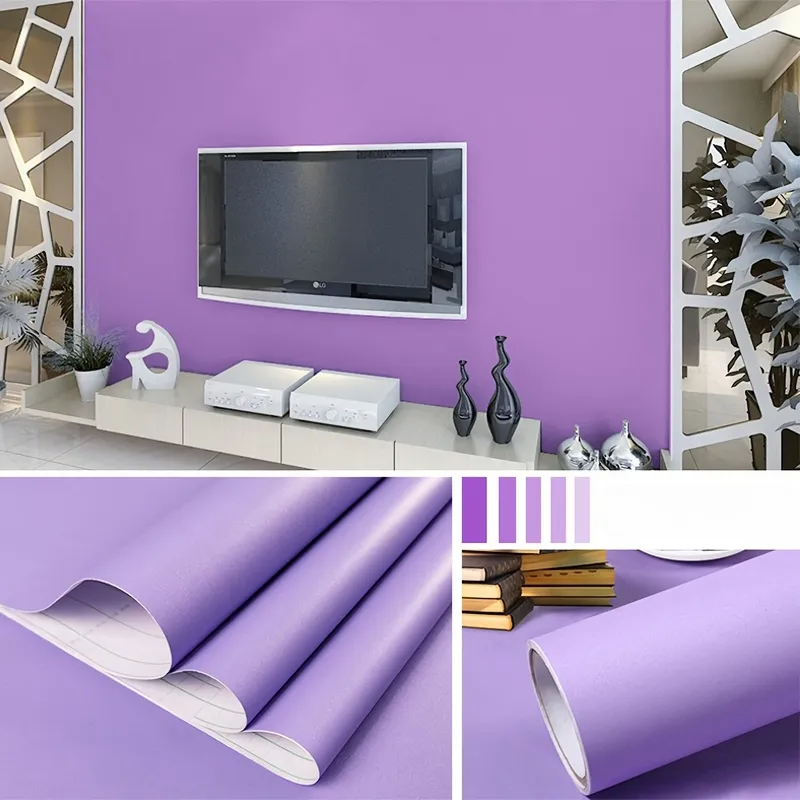
solid color wallpaper.
Iridescent film is widely used for pop-up backdrops, light-reflective display panels, seasonal promotion corners, and branded counter wraps. In these settings, you typically want:
fast installation, good flatness, and consistent color shift across batches.
For appliances and consumer electronics accents, films may add scratch protection while upgrading the visual design. Here, surface performance matters: anti-scratch topcoats, anti-static options, and stable optical clarity/texture are often requested—especially for glossy, highly reflective looks.
Iridescent looks can be used in controlled areas (stage floors, photo zones, boutique corners), but you must prioritize wear resistance and slip performance. Many buyers choose flooring-focused constructions rather than standard decorative film. For flooring-related solutions, see
floor film
options designed for tougher environments.
Beyond aesthetics, iridescent PVC films can be selected for production efficiency and performance. The main advantages include:
★ Visual differentiation:
The color-shift effect looks premium under spotlights and natural light, helping products and spaces stand out.
★ Flexible design language:
Works well with minimalist interiors, futuristic themes, and “tech” brand identities; can be paired with matte black, white, concrete, or wood tones.
★ Practical durability:
Good resistance to moisture and daily cleaning when properly specified (surface coating and thickness matter).
★ Cost-effective scalability:
Compared with metal panels, specialty glass, or painted finishes, film solutions can reduce processing time and rework.
Not all iridescent films behave the same. Before ordering, align structure and finish with your real use case (indoor/outdoor, flat/curved, short-term/long-term).
Calendered PVC film is widely used for consistent thickness, strong production stability, and a reliable surface for printing/lamination. If your project requires predictable roll quality at scale, start by evaluating
calendered film
as the base.
Composite (multi-layer) films may include protective topcoats, functional layers (anti-static, anti-fog), or reinforcement (e.g., fabric-backed) for extra stability.
Glossy finishes amplify iridescence but can show fingerprints and micro-scratches more easily. Matte finishes reduce glare and can look more “architectural.” Embossing adds both visual depth and improved scratch hiding. If you want a soft, premium tactile feel, consider texture-oriented films such as
3D silk texture film
styles for certain interior concepts.
⚠️ Note on perception:
Iridescent colors change dramatically under different lighting (warm vs. cool LEDs) and angles. Always approve with a physical sample under your actual installation lighting.
The best buying decisions come from matching your application to measurable specifications. Use the checklist below to avoid costly mismatches.
Thickness affects durability, handling, and whether the film can wrap corners cleanly. Thicker films may resist dents better but can be harder to conform around tight radii. When discussing thickness, also confirm tolerance consistency across the roll.
For kitchens, public spaces, and retail counters, prioritize stain resistance and a surface that can tolerate frequent cleaning. If you expect oils or cosmetics, request test references for chemical resistance and cleaning agents.
Confirm whether the adhesive is removable, permanent, repositionable, or high-tack. Also check recommended substrates (MDF, acrylic, powder-coated metal, glass) and whether primer is required. Poor adhesive matching is one of the most common reasons for edge lift or bubbling.
A film designed for flat lamination may not be ideal for deep wrapping. If your process uses heat, pressure, or vacuum forming, verify the film’s dimensional stability, heat behavior, and whether the iridescent layer distorts under forming.
Roll width, length, and core size should match your equipment. Packaging matters too: dust protection and labeling reduce damage and mix-ups. For large projects, request batch traceability and consistent optical appearance between production lots.
In high-volume projects, quality is not only about appearance—it’s about repeatability. A reliable PVC film manufacturer typically controls calendering, printing, and slitting/packing in-house to reduce variation and speed up lead times. Look for:
Quality reminder:
“Looks good on one sample sheet” is not enough. For iridescent finishes, request a batch approval process and confirm acceptable visual tolerance under your lighting.
Iridescent films highlight surface flaws more than flat colors. Proper preparation is essential for a clean, premium finish.
Best practice for commercial installs:
Keep a small “reference panel” installed on-site. It helps verify color shift and gloss under the exact lighting used in the space before full deployment.
If you’re building a product line or supplying multiple projects, customization is often the smartest path. Many manufacturers can tailor:
For buyers managing multiple SKUs, it’s worth aligning on a standard specification sheet (thickness tolerance, gloss range, allowed defect level, and testing methods). This reduces disputes and keeps reorders consistent.
For interior décor and human-contact environments, compliance is frequently a purchasing requirement. Ask suppliers whether the film is free of heavy metals and phthalates and whether it can comply with standards such as ISO management systems and chemical regulations (e.g., REACH/RoHS) depending on your market.
Also consider end-of-life planning: where possible, optimize cutting patterns to reduce waste, and confirm whether the film can be processed within your local recycling and disposal framework. Compliance paperwork and third-party test reports should be available for serious projects.
PVC film is a thin polyvinyl chloride sheet used for decoration, protection, and industrial applications. Iridescent versions focus on visual impact while still providing practical surface protection in many indoor uses.
It can be, if you select the right surface coating and adhesive/lamination system for moisture, cleaning agents, and daily wear. Request stain and chemical resistance guidance based on your environment.
Approve a physical sample under your actual lighting and define acceptable variation. For bulk orders, use batch traceability and confirm the supplier’s QC process for optical appearance.
Yes. Common options include thickness, width, roll size, finish (gloss/matte/embossed), color shift style, printing, and packaging—aligned to your equipment and market requirements.
Share your application, thickness/width, finish, color preference, adhesive requirement (if any), order quantity, and target market compliance needs. This helps the supplier recommend the correct construction and send representative samples.