Address
304 North Cardinal St.
Dorchester Center, MA 02124
Work Hours
Monday to Friday: 7AM - 7PM
Weekend: 10AM - 5PM
Address
304 North Cardinal St.
Dorchester Center, MA 02124
Work Hours
Monday to Friday: 7AM - 7PM
Weekend: 10AM - 5PM


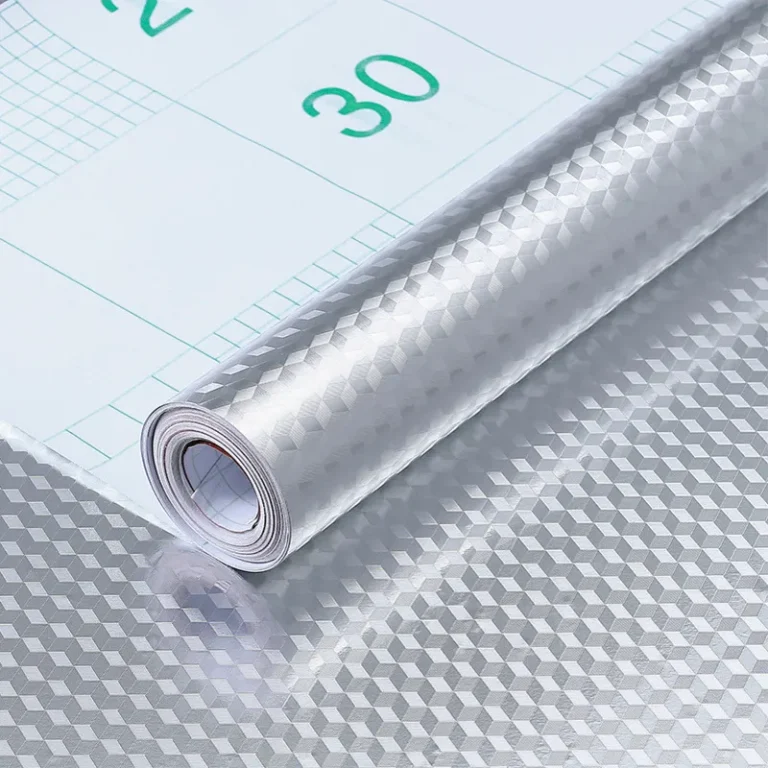
Holographic PVC film is a decorative and functional plastic film that reflects light into shifting rainbow-like patterns. It’s widely used to upgrade surfaces, packaging, signage, and interior décor with a premium “iridescent” look—while still keeping the practical advantages of PVC such as durability, printability, and easy converting. This guide covers the most common uses, key benefits, thickness options, and a practical buying checklist so you can choose the right holographic film for your project or product line.
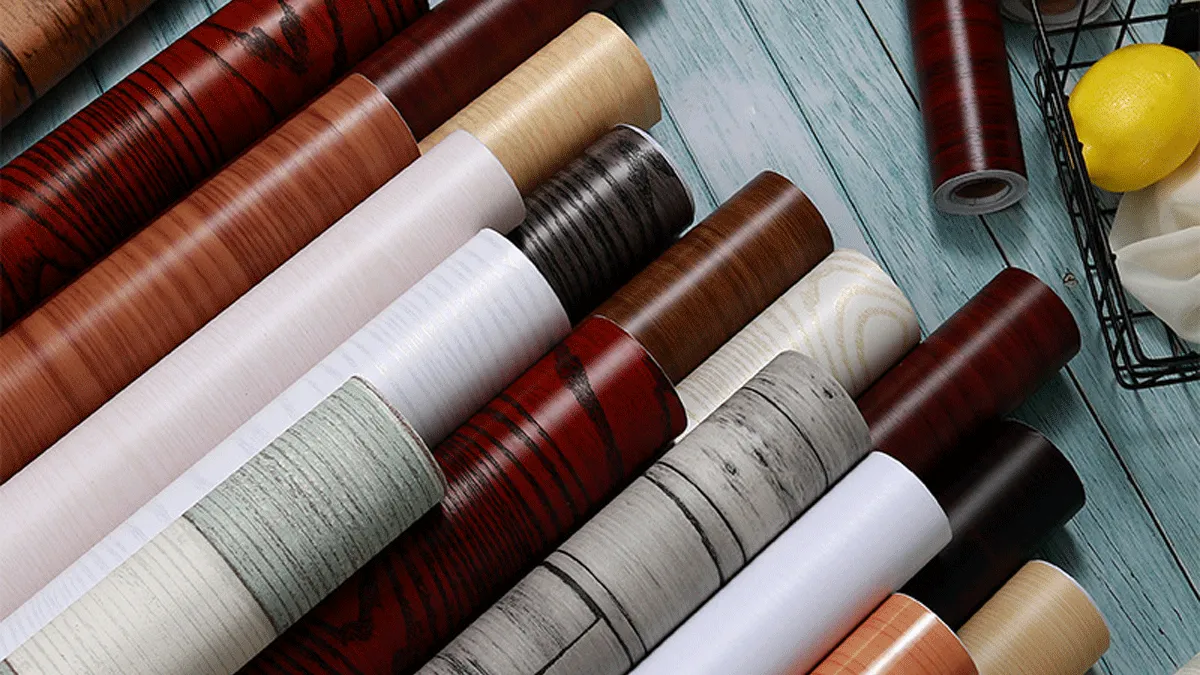
Holographic PVC film is a PVC sheet/roll engineered with a holographic effect layer (patterned or diffraction-based) that produces dynamic color shifts under different angles of light. Depending on the production method, the effect can be subtle and elegant or bold and high-impact for promotional visuals.
In practice, holographic PVC film may be supplied as calendered or laminated constructions, and it can be produced in different finishes (glossy, matte, embossed) and formats (plain film, self-adhesive, printable grades).
The main reason brands and manufacturers choose holographic PVC film is simple: it creates instant shelf impact and modern visual texture, while remaining workable on standard converting lines. Below are common application categories and what to prioritize in each.
Holographic film is frequently used for gift boxes, promotional sleeves, stationery covers, cosmetic cartons (lamination), and special-edition wraps. For packaging, the key selection points are:
In furniture and interior projects, holographic PVC can be used as a decorative overlay on panels, cabinet accents, display fixtures, or modern retail counters. If you also use standard décor films (wood, marble, solid color), consider building a matching set of textures for the same project style. For reference, many buyers source base materials like Calendered Film and then choose effect layers/finishes based on the design brief.
Trade show booths, pop-up displays, in-store promotional panels, and lightbox-style decorative elements can benefit from holographic surfaces. For these applications, look for:
Holographic PVC film is used in book covers, folders, gift wrap accents, novelty items, and fashionable surface skins. If the film touches hands frequently, prioritize:
low odor, abrasion resistance, and stable color-shift performance under indoor lighting.
If you are building a broader decorative collection, you may also compare alternative tactile looks such as 3D Silk Texture Film for a softer, textile-like appearance alongside holographic “shine.”
Beyond visual impact, holographic PVC film is popular because it can be converted with common industrial methods and tailored for different environments. Here are the benefits that matter most in specifications and purchasing decisions.
The holographic effect makes products stand out without relying solely on heavy ink coverage. This can help elevate perceived value for limited editions, seasonal packaging, and high-visibility displays.
PVC can deliver good resistance to moisture and everyday wear. For high-contact areas, ask for improved scratch resistance or a protective coating; for interiors, confirm the film is suitable for indoor contact and long-term stability.
Manufacturers can adjust thickness, embossing, gloss level, pattern style, and packaging. This is especially useful for OEM/ODM programs that need consistent visuals across multiple SKUs.
For exporters and brand owners, stable lead times and batch consistency matter as much as appearance. Choosing a supplier with integrated calendering/printing/slitting can reduce variation and improve on-time delivery.
Thickness affects stiffness, conformability, durability, and cost. The “best” thickness depends on whether the film is used for wrapping, lamination, panel lamination, or protective covering. Below is a practical range breakdown used in many PVC film programs.
Use the checklist below to match thickness with real performance needs:
Two holographic films with the same thickness can behave very differently depending on surface finish and functional treatments. When comparing suppliers, specify these items clearly to avoid surprises in mass production.
Depending on the industry, you may need additional performance beyond appearance:
A good purchase is more than “nice-looking rolls.” For reliable mass production, focus on testable specs, repeatability, and the supplier’s ability to control the full process (calendering, printing, slitting, packaging).
Ask your supplier to confirm these items in writing (datasheet + sample approval):
Don’t only view samples on a desk. Test them using the same steps as your factory line:
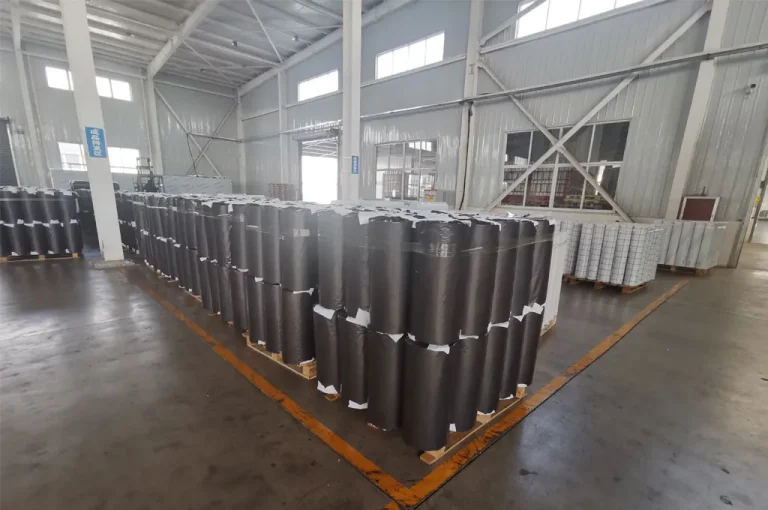
Export-ready packaging protects optical quality. Many industrial suppliers pack each roll with dust protection (such as PE film or kraft paper) and apply clear labels for specs and traceability. For global shipping, confirm moisture protection and handling instructions to prevent pressure marks and edge damage.
If you’re sourcing multiple decorative categories for a single interior project—such as baseboards, wall areas, and floors—ensure the supplier can coordinate slitting and packaging for each item. Examples of adjacent products some buyers combine include PVC Skirting Film and Floor Film.
For decorative films used in homes, retail, or public interiors, safety and compliance can be just as important as appearance. If your market requires it, ask for documentation showing the material is free of restricted substances (such as heavy metals and phthalates) and aligned with commonly requested compliance frameworks (for example REACH/RoHS or customer-specific indoor requirements).
Understanding cost drivers helps you optimize the film specification without sacrificing performance. Holographic PVC film pricing is typically influenced by:
Small handling details can protect the holographic look and reduce waste:
For flexible wrapping and light lamination, 0.08–0.15 mm is common. For balanced durability and handling, 0.16–0.25 mm is widely used. For stronger stability and wear resistance, consider 0.26–0.40 mm.
Yes. Many manufacturers offer customization for thickness, width, roll size, pattern, finish, functional coatings (anti-static/anti-fog), and packaging, based on your application and production process.
It can be, especially for feature accents and modern retail interiors. Confirm indoor safety requirements, surface durability needs, and whether you need matte/embossed finishes to reduce fingerprint visibility.
Check the holographic effect under real lighting, surface defects, scratch/rub resistance, thickness consistency, and adhesion/print compatibility using the same equipment and steps you’ll use in production.
Yes, if rolls are individually protected against dust and moisture and packed to prevent edge damage and pressure marks. Confirm roll labels, traceability, and export-ready packaging details before shipping.