Address
304 North Cardinal St.
Dorchester Center, MA 02124
Work Hours
Monday to Friday: 7AM - 7PM
Weekend: 10AM - 5PM
Address
304 North Cardinal St.
Dorchester Center, MA 02124
Work Hours
Monday to Friday: 7AM - 7PM
Weekend: 10AM - 5PM


Fabric PVC film manufacturing sits at the intersection of performance engineering and surface design. Whether you are sourcing coated fabrics for furniture upholstery, durable PVC lamination for wall panels, or wholesale rolls for flooring and industrial protection, the right manufacturer determines your final product’s durability, consistency, and compliance.
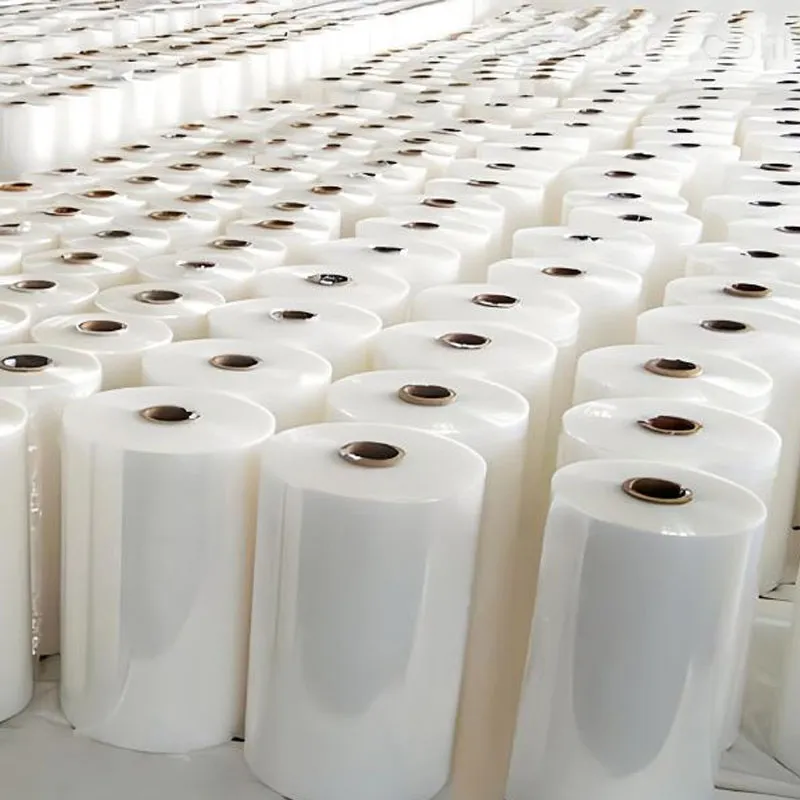
This guide explains what “top” looks like in the real world: full-process production, stable lead times, OEM customization, and quality controls that keep every batch aligned. You’ll also learn how to select custom coated fabrics and PVC laminated materials by application, and how to order efficiently for export-ready supply chains.
A fabric PVC film (often called cloth-backed PVC film or a laminated PVC composite) combines a PVC layer with a textile substrate to deliver a balance of flexibility, tear resistance, printability, and easy maintenance. Depending on your end-use, the PVC layer can be calendered, embossed, matte/gloss, anti-static, or self-adhesive.
Key idea: The “film” is not just decoration. It is the functional surface that must hold up to abrasion, humidity, cleaning chemicals, and temperature swings.
✔ Visual consistency
✔ Adhesion strength
✔ Stable thickness
✔ Safety compliance
The most reliable fabric PVC film manufacturers typically run end-to-end lines—calendering, printing, slitting, and packaging—under one roof. This matters because the highest failure risks (color shift, surface defects, unstable adhesion, or inconsistent roll tension) often happen at the interfaces between suppliers.
Pulivk Film focuses on R&D and production of PVC films such as calendered films, decorative films, floor films, soft-touch films, and transparent films, supporting industries including furniture, construction, electronics, advertising, medical, and home goods. With integrated calendering, printing, and slitting/packaging lines, it can manage the process from raw material to finished roll—helping reduce lead time and control cost while maintaining consistent quality.
Wholesale supply is not only about buying “a roll of PVC.” Different applications require different surface treatments, optical properties, and mechanical strength. Below are the most common categories global buyers purchase for fabrication and lamination projects.
Calendered film is a go-to choice when you need consistent thickness and good forming/lamination behavior. It can be used as a base layer for printing, embossing, or composite structures with fabric backing.
Explore product details here:
Calendered Film.
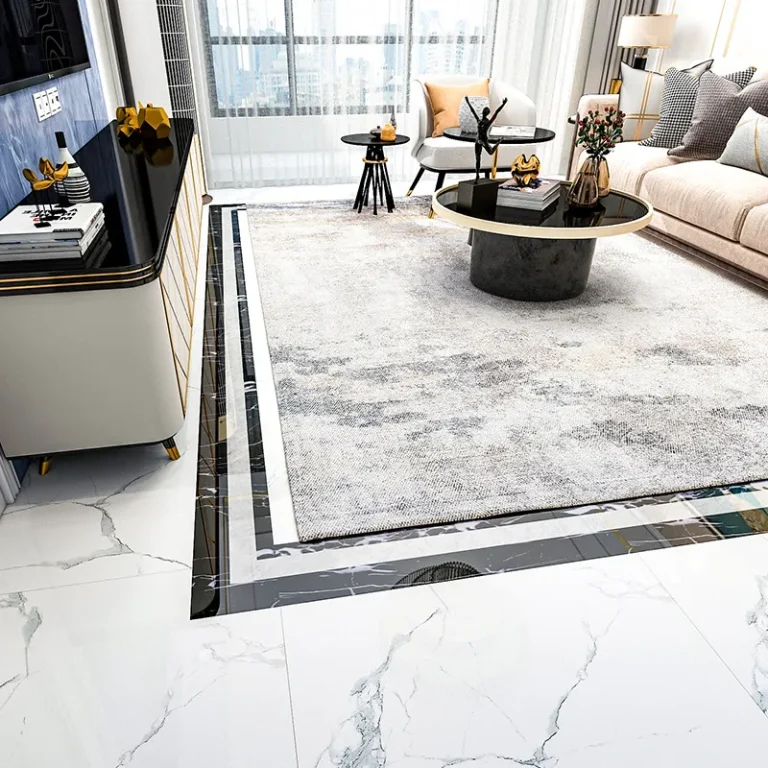
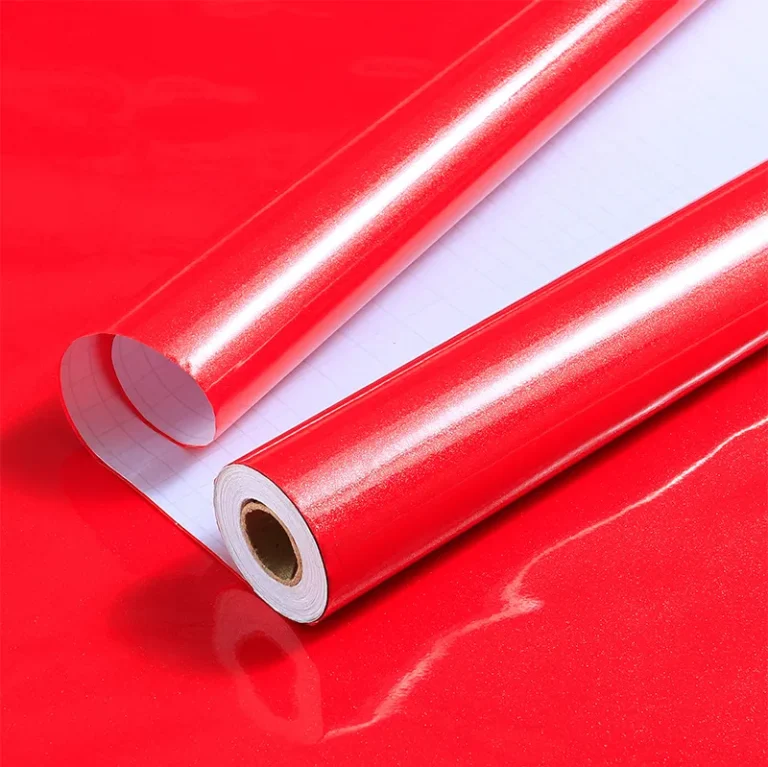
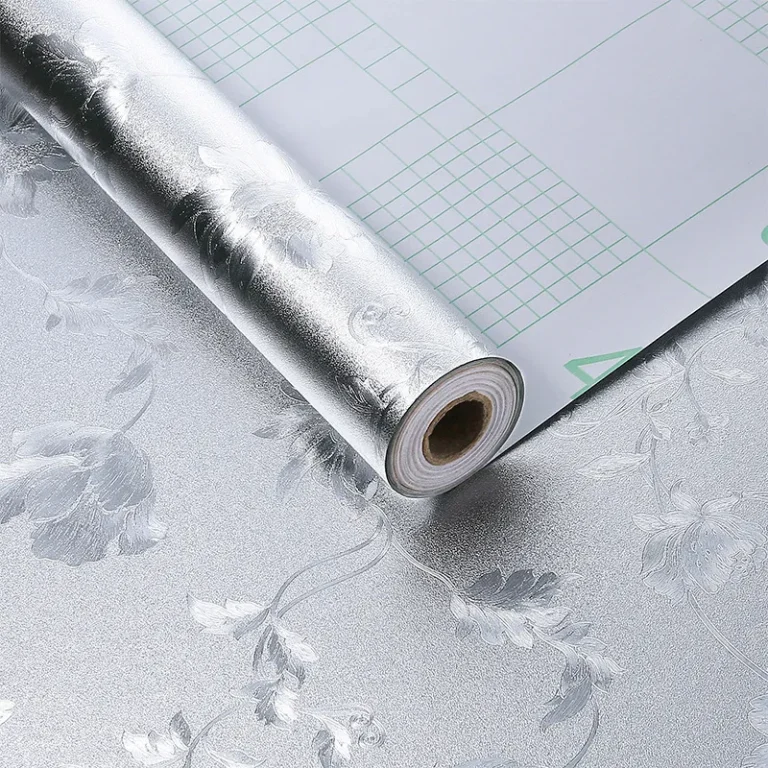
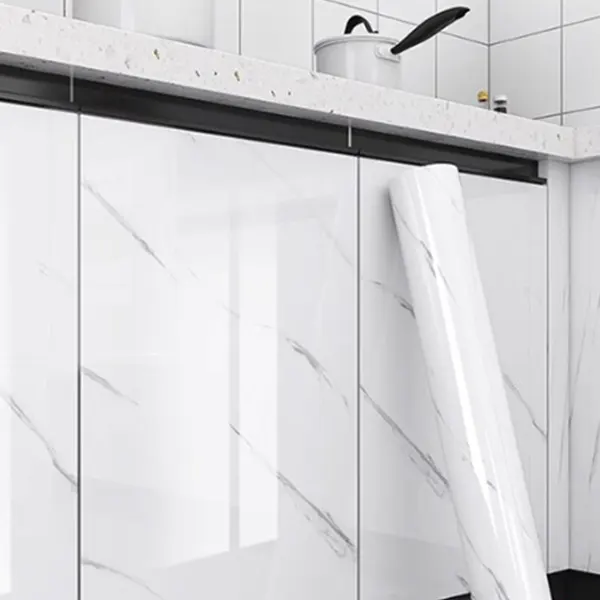
Decorative PVC films are widely used on cabinet doors, wall panels, and interior trims where surface realism and scratch resistance are critical. Popular patterns include wood grain, stone grain, cloth grain, glossy/matte solids, and artistic textures.
For a realistic, tactile finish in premium interiors, consider:
3D Silk Texture Film.
Floor films demand abrasion resistance, dimensional stability, and reliable bonding. In commercial spaces, they also need predictable cleaning performance and stain resistance.
A typical sourcing route is to match emboss + wear-layer needs with your local climate and cleaning habits.
See:
Floor Film.
Skirting and trim films are chosen for their edge conformity and visual coordination with wall/floor styles. Many buyers prefer unified pattern sets (same tone across floors, skirting, and panels) to reduce interior mismatch during installation.
Reference:
PVC Skirting Film.
These surfaces dominate furniture and interior decoration because they deliver a premium look with easier maintenance than natural materials. When buyers want a warm, natural feel in high-traffic spaces (retail, hospitality, and residential renovations), wood grain remains a consistent bestseller:
Wood Grain Film.
Top manufacturers do more than sell standard rolls. They help you tailor film behavior to your machine settings, your substrate, and your market’s expectations. Effective OEM/ODM support typically covers:
Custom coated fabrics and laminated PVC films can look perfect but fail during converting. Before you approve a sample, align on measurable acceptance criteria such as adhesion strength, color delta tolerance, emboss depth consistency, and odor/VOC expectations for indoor use.
“Durable” should be defined by the real stress your product faces—foot traffic, heat, humidity, cleaners, UV, bending, or abrasion. When comparing suppliers, focus on factors that directly influence field performance.
ⓘ
For indoor decorative applications and human-contact scenarios, prioritize manufacturers using eco-friendly, non-toxic inks and offering compliance evidence (e.g., REACH, RoHS, ISO systems, FDA where applicable).
Use a structured evaluation so you don’t overpay for branding or underpay for risk. The best suppliers are transparent about their process controls, export packaging, and traceability.
Procurement managers often miss this: The “best” manufacturer is the one that can keep quality stable while scaling.
Cabinet doors, wardrobe panels, and table surfaces often prioritize realistic patterns (wood grain, cloth texture) and scratch resistance. If you sell into mid-to-high markets, request repeatability controls for printing and emboss alignment so multi-batch projects match after months.
Wall films, stone patterns, ceiling and partition films must withstand humidity and routine cleaning. For high-visibility commercial interiors, stable gloss level and color consistency across lots reduce installation disputes.
Anti-static and insulation films are used for protection, surface finishing, and functional layers. Here, uniform thickness and controlled additives matter more than pattern detail.
Lightbox and display films emphasize print clarity, smoothness, and predictable roll flatness. If you run fast printing/lamination lines, ask for winding tension specs to prevent telescoping and wrinkles.
Protective films used around clean environments often require low odor, consistent sealing behavior, and documentation support. A manufacturer experienced in strict QC and traceability will simplify your audits.
Wholesale price improvements come from spec clarity and repeatable production, not just squeezing unit cost. To reduce total landed cost, build your order plan around efficient scheduling and packaging.
Export orders should be individually wrapped with dust-proof PE film or kraft paper, labeled with full specs, and palletized to prevent edge damage. Clean packaging reduces installation defects and customer complaints—especially for glossy and embossed decorative films.
Many procurement teams now treat compliance as a baseline, not a premium feature. For indoor decoration and consumer-facing surfaces, request documentation covering restricted substances and management systems. Look for manufacturers that can provide third-party reports and maintain stable formulations for re-orders.
The best fabric PVC film manufacturers combine material know-how with process discipline. When you can source calendered bases, decorative printing, functional coatings, and custom slitting from a single full-process supplier, you gain faster sampling, fewer quality variables, and a more predictable landed cost—especially in wholesale programs.
If you are building a product line that depends on repeatable appearance and durable lamination performance, choose a partner that can show you how they control thickness, color, adhesion, packaging, and traceability from start to finish.
PVC film is a thin polyvinyl chloride sheet used for decorative and industrial surfaces. When combined with fabric or laminated onto panels, it improves durability, appearance, and cleanability for furniture, interiors, and protection applications.
Yes. Most full-process manufacturers support OEM/ODM customization for thickness, width, roll length, color/pattern, surface finishes, and export packaging (individual wrap + labeled specs).
MOQ depends on film type, specifications, and how much customization is required. Many suppliers support small trial orders first, then scale to mass production after sample approval.
Consistency comes from raw material control, in-process checks (thickness/color/surface), finished roll testing (adhesion/strength/optics), and batch traceability—plus stable production planning for repeat orders.
Send the application, target specs (thickness/width/roll length), surface finish, pattern or color reference, quantity forecast, and any compliance needs. Clear pass/fail criteria will speed up sampling and reduce rework.