Address
304 North Cardinal St.
Dorchester Center, MA 02124
Work Hours
Monday to Friday: 7AM - 7PM
Weekend: 10AM - 5PM
Address
304 North Cardinal St.
Dorchester Center, MA 02124
Work Hours
Monday to Friday: 7AM - 7PM
Weekend: 10AM - 5PM


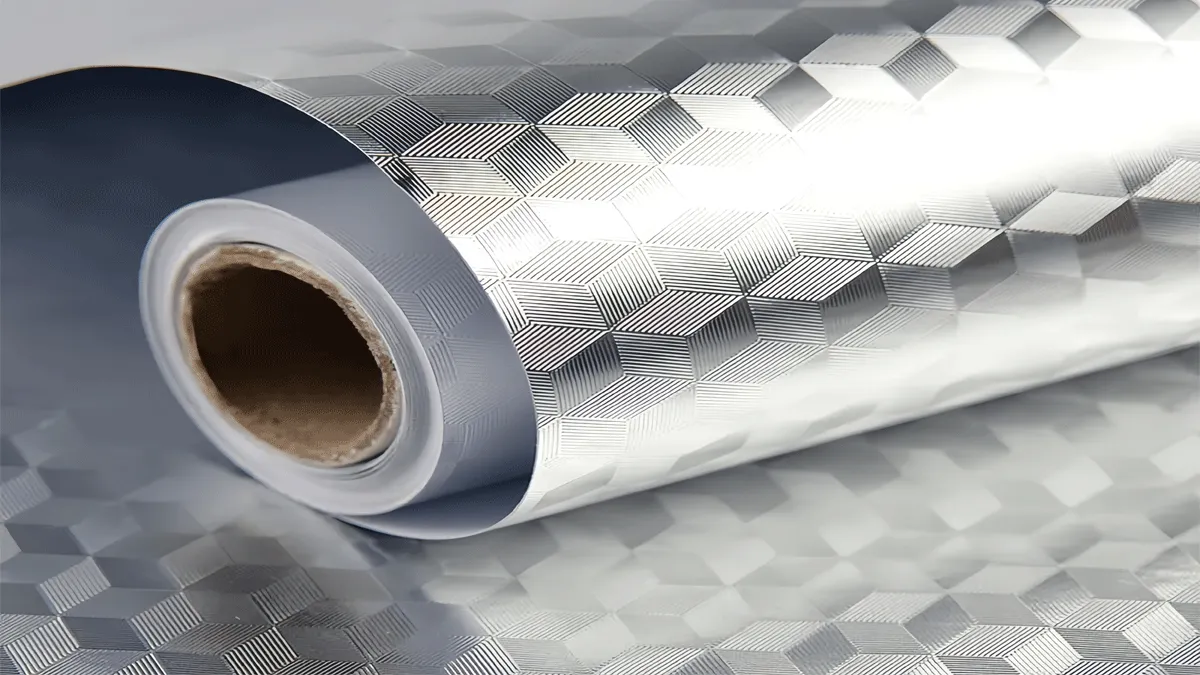
Clear PVC film roll is one of the most practical materials used across modern manufacturing and everyday products. It combines strong transparency, flexible processing, and reliable protection in a roll format that is easy to slit, laminate, print, wrap, and convert. Whether you’re producing furniture panels, packaging components, protective covers, or decorative surfaces, choosing the right thickness and width will decide the final look, durability, and cost-efficiency of your project.
✔ Quick takeaway:
Clear PVC film rolls are ideal when you need visibility + barrier protection + process flexibility (calendering, printing, slitting, packaging) with stable quality and scalable supply.
Clear PVC film is a thin sheet made from polyvinyl chloride, supplied in roll form for continuous processing. Depending on the formulation and production method, it can be soft and flexible (for wrapping, protective covers, stationery) or more rigid (for thermoforming, overlays, and structured packaging). Clear PVC film rolls are commonly produced as calendered film, valued for uniform thickness control, good clarity, and high converting efficiency.
If you’re comparing material options, it helps to start with production type: calendered PVC film tends to deliver stable thickness and smooth surfaces for industrial use. You can explore typical specifications and applications here:
Calendered Film.
Clear PVC film is often used as a protective overlay for decorative panels and surfaces. It helps reduce scratches during transport and installation, and it can be engineered for specific finishing needs (glossy, matte, anti-scratch, soft-touch). For décor projects that combine texture and a refined feel, textured film families may be considered alongside clear protection layers, such as:
3D Silk Texture Film.
In construction and decoration, film rolls are chosen for consistent width, steady thickness, and converting reliability. Clear PVC film can protect finished surfaces or act as a functional layer in laminated systems. For skirting and profile-related projects, you can compare category options here:
PVC skirting film.
Clear PVC film roll is widely used for packaging because it keeps products visible while offering protection against dust, moisture, and handling abrasion. It can be converted into protective sheets, covers, sleeves, and wrapped components for logistics. In many workflows, film is slit to custom widths and packed per roll with dust-proof PE wrap or kraft paper—reducing risk during storage and shipping.
For electronics, clear film is often specified for surface protection and optional functional properties like anti-static. In assembly lines, consistency matters: thickness uniformity helps ensure predictable lamination, die-cutting, and removal performance (if used as a temporary protective layer).
In medical and cleanroom environments, film choices are guided by cleanliness, safety compliance, and stable performance. Depending on the final use, clear PVC film can be specified with controlled additives and coatings. Always confirm regulatory needs (e.g., REACH/RoHS/FDA-related requirements) with the supplier and request test reports when needed.
➤ Higher throughput on automated lines
➤ Easier slitting to multiple widths for different SKUs
➤ Better cost control through yield optimization and reduced waste
Clear PVC film supports product visibility and clean aesthetics. Clarity performance depends on formulation, thickness, surface finish (gloss/matte), and processing conditions. If your project needs premium presentation (retail packaging, display protection, decorative overlay), specify optical clarity targets and request production samples from the same batch conditions.
PVC film offers good abrasion resistance for many everyday use cases, helping protect surfaces from scratches, smudges, and light chemical exposure. For furniture boards, panels, and high-touch areas, you can also request optional coatings such as anti-scratch, anti-fog, or anti-static.
Clear PVC film roll is popular because it adapts to many processes—printing, lamination, heat sealing, die cutting, and slitting. For projects with multiple SKUs, roll-based material lets you standardize base film and adjust widths and roll lengths to match each production line.
When sourcing film for long-term projects, what matters is not only the film itself, but also the supplier’s ability to maintain consistency across batches. A manufacturer with integrated calendering, printing, and slitting/packing lines can better control thickness stability, surface performance, and delivery schedules—especially for OEM/ODM needs like custom roll widths, core sizes, packaging labels, and special coatings.
Thickness is the fastest lever for changing film performance. Too thin, and it may wrinkle, puncture, or distort visually. Too thick, and you may overpay, reduce flexibility, or create converting problems. The best thickness depends on how the film will be used, whether it will be laminated to a substrate, and how much abuse it must withstand.
• 0.05–0.12 mm: light protection, wrapping, dust covers, stationery overlays; best where flexibility matters most.
• 0.12–0.25 mm: balanced choice for general-purpose protection and lamination; improved toughness and flatter lay.
• 0.25–0.50 mm: high durability for repeated handling, stronger barrier and better shape retention (often used when the film must feel “substantial”).
• 0.50 mm+: semi-rigid use cases, structured protection, or thermoforming-related needs (confirm forming conditions and required rigidity).
Width determines how efficiently you can run a line and how much edge trim you throw away. In many factories, the “right” width is not the widest available—it’s the width that matches your equipment and cutting plan with the highest yield.
Start by verifying the usable width of your laminator/printing line, unwind stand limits, and slitting tolerance. Then design a width plan:
(parent roll width) → (number of lanes) → (final SKU widths).
For example, if you frequently produce multiple narrow SKUs, ordering a parent width that splits into equal lanes can cut waste significantly.
➤ Keep a small allowance for edge trim and slit accuracy (discuss tolerance with the supplier).
➤ If you print on the film, verify print registration needs—some jobs require extra margin.
➤ Confirm core size and roll OD your equipment can handle to avoid frequent roll changes.
“Clear” does not always mean “one standard surface.” You can tailor clear PVC film for appearance and performance. Typical variables include gloss level, haze, slip level, and coating functions. In real production, these details determine how the film behaves on high-speed lines and how it feels to end users.
Before you approve bulk rolls, validate the film using a repeatable checklist. Many costly problems—wrinkles, poor lamination, inconsistent appearance—come from skipping this step or testing only one roll.
Even a perfect film can fail if it’s stored incorrectly. Keep rolls clean, stable, and protected from heat and pressure that can cause blocking or deformation. For export shipments, professional packing (dust-proof wrap + protective outer layer + clear labeling) reduces transit risk and simplifies warehouse receiving.
A supplier’s capability matters as much as the film spec sheet. Prefer manufacturers that can control the full process (calendering, printing, slitting, and packaging) and provide consistent QC records. If your business needs multiple products under one supplier (clear film plus decorative families for walls, floors, and furniture), it also helps to partner with a producer that supports broad product lines and OEM/ODM customization.
For related decorative and surface solutions often used alongside clear protective films, you can review categories like
Floor Film
or
Wood Grain Film
to align finishes across product ranges.
✔ Clear QC workflow from raw material to finished rolls
✔ Ability to slit to custom widths and pack per roll with labels
✔ Compliance support (e.g., ISO, REACH/RoHS, FDA where applicable)
✔ Stable lead time planning and export packaging experience
Many general uses start in the 0.12–0.25 mm range for a good balance of flexibility and toughness. Confirm with real handling tests (wrapping, cutting, lamination, or sealing) before bulk ordering.
Choose a width that matches your machine limits and produces the best slitting yield for your SKUs. The “best” width is usually the one that minimizes edge trim while meeting tolerance needs.
Yes. Many suppliers offer optional surface treatments such as anti-static, anti-fog, and other functional coatings—confirm the target performance and testing method.
Verify thickness uniformity, clarity/haze, roll edge condition, blocking risk, and whether labeling provides batch traceability. If you print or laminate, also confirm surface treatment compatibility.
Many manufacturers support samples and small trial orders depending on specifications and customization. Prepare a clear requirement list (use case, thickness, width, roll length, finish, and any functional coating) to speed up quoting and sampling.