Address
304 North Cardinal St.
Dorchester Center, MA 02124
Work Hours
Monday to Friday: 7AM - 7PM
Weekend: 10AM - 5PM
Address
304 North Cardinal St.
Dorchester Center, MA 02124
Work Hours
Monday to Friday: 7AM - 7PM
Weekend: 10AM - 5PM


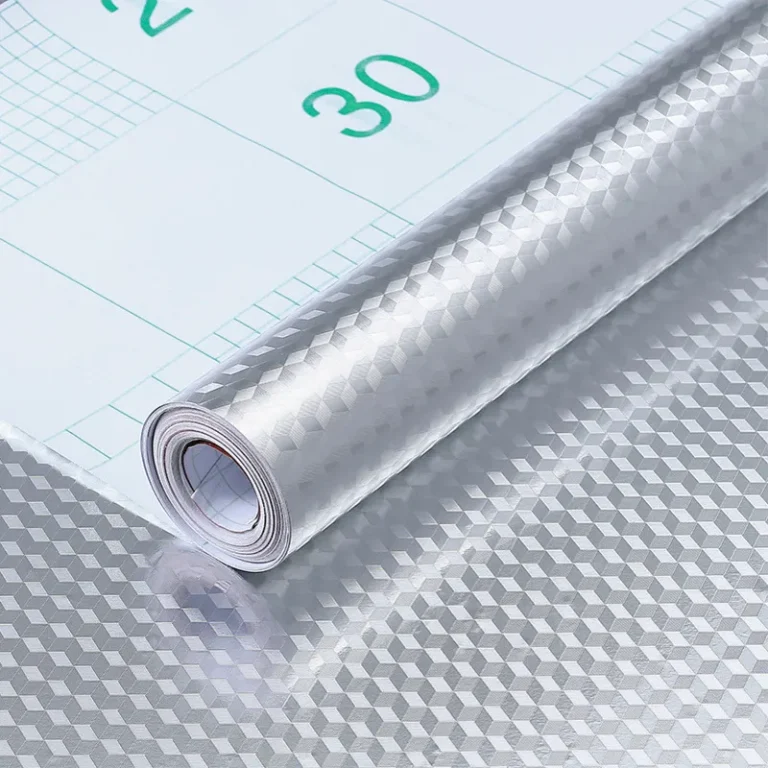
Laser PVC film (often called holographic PVC sheets/rolls) is a premium decorative and functional material used to elevate packaging, labels, and product surfaces with eye-catching light-refraction effects. If your brand needs shelf impact, anti-counterfeiting cues, or a modern metallic shimmer, buying the right laser PVC film is a practical way to upgrade both appearance and performance—without changing your core product structure.
Key takeaway:
Choose laser PVC film by matching use scenario (packaging / label / decoration) with surface effect (holographic, embossed, matte/gloss), thickness, and compatibility (printing, lamination, adhesive, and compliance).
Laser PVC film is a PVC-based sheet/roll engineered with holographic (laser) patterns that diffract light into dynamic colors. Compared with ordinary transparent or colored PVC, it offers a stronger “wow” factor and higher perceived value—especially for retail packaging, promotional labels, gift boxes, stationery, cosmetics sleeves, and decorative coverings.
Typical reasons to buy holographic PVC sheets:
Laser PVC film is widely used as an outer layer or laminating layer for premium packaging. When paired with clean typography and minimal graphics, holographic shine creates a high-end, “tech-luxe” impression. It’s especially effective for limited editions and seasonal releases where visual novelty matters.
For labels, the material must balance optics and printability. Many buyers choose a holographic face film and then select appropriate printing (UV, gravure, screen, etc.) depending on ink adhesion requirements. If you need consistent batch effects across multiple SKUs, focus on tight process control and roll-to-roll uniformity.
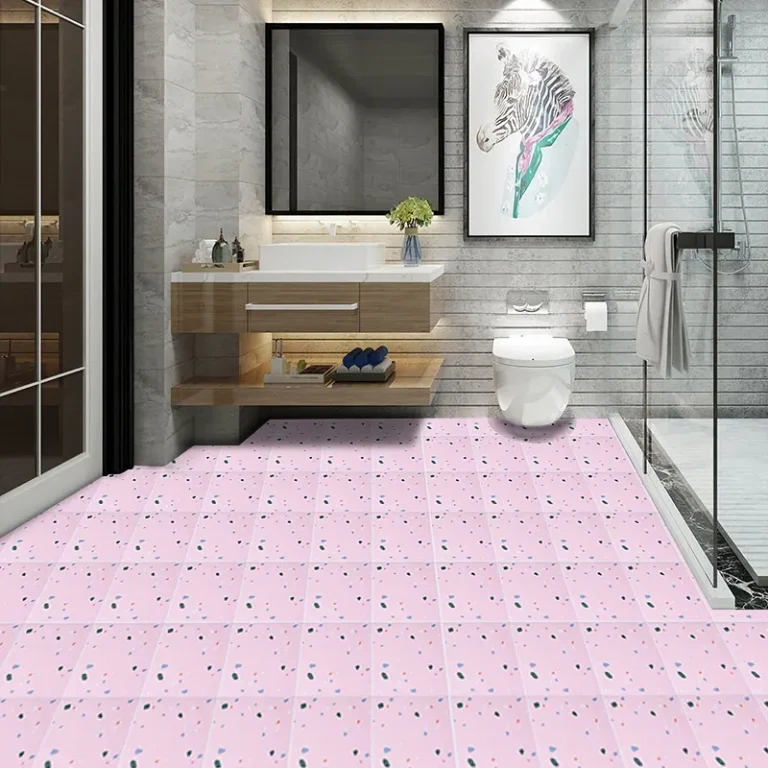
Decorative PVC films are used beyond packaging: wall panels, cabinet surfaces, exhibition backdrops, and point-of-sale installations. If your project combines holographic flair with tactile texture, consider pairing laser effects with textured product families such as 3D Silk Texture Film for a more premium, touch-forward finish.
✔ Practical tip for decoration projects:
Ask for sample swatches under store lighting (warm/neutral/cool LEDs) because holographic effects can shift dramatically with different color temperatures.
For large-area coverage (walls, panels, skirting, flooring edges), it’s often more cost-stable to build a system using multiple film types (e.g., holographic accents + solid/wood/marble base layers).
Start with the look you want: rainbow diffraction, geometric laser patterns, subtle pearlescent glow, or bold mirror-like sparkle. Then decide on gloss vs. matte. Matte can reduce glare and improve readability for label text; glossy boosts brilliance for gift packaging and cosmetics.
Thicker films generally feel more premium and resist wrinkling, while thinner films can run faster in lamination and high-volume converting. Match thickness to your process: die-cutting, hot stamping, lamination, wrapping, or manual application.
If you plan to print brand elements on the film, confirm which inks and curing methods are compatible. Ask for adhesion test results (cross-hatch, tape test) and confirm whether a surface treatment is needed for your printing line.
Different industries need different functions. Electronics packaging may require anti-static options; food-contact or kitchen environments may need specific coatings; decoration projects may prefer self-adhesive constructions for faster installation. For a stable base material used across industries, buyers often start from Calendered Film and then add effects or coatings to meet end-use requirements.
⚠ Quality checkpoints to request from your supplier:
When holographic PVC film is used for packaging and labels, small variations become obvious: a slight shift in gloss, a pattern inconsistency, or uneven winding can create visible defects at scale. That’s why many importers and brand owners prefer suppliers with full-process capability—calendering, printing, and slitting/packaging—so key parameters stay under one quality system.
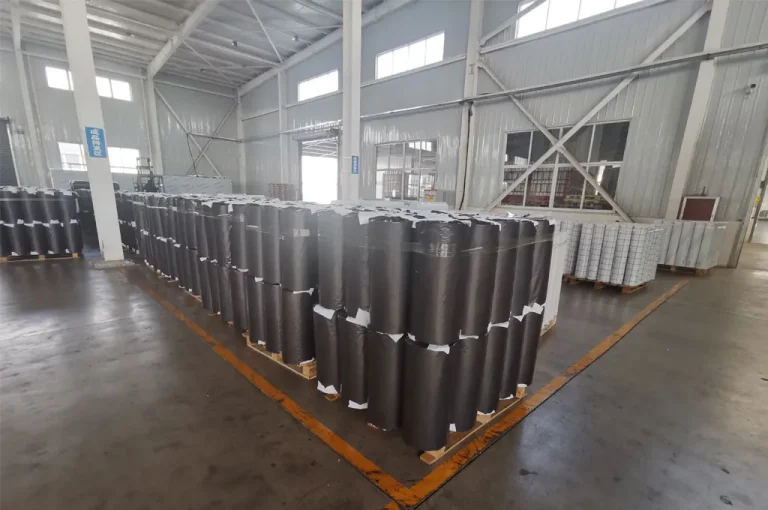
Pulivk Film focuses on PVC film R&D and manufacturing, covering calendered films, decorative films, soft-touch films, transparent films, and multiple functional categories. With integrated production lines from raw material processing through slitting and export packaging, projects can achieve better batch stability, shorter lead times, and clearer accountability when quality targets are strict.
Holographic surfaces can show scratches more easily than plain films. Proper roll protection—dustproof PE wrap or kraft paper, labeled specs, and careful carton/pallet planning—helps preserve visual quality during long-distance transport. This is especially important for global shipments where humidity and handling conditions vary.
If you’re buying laser PVC film for branded packaging or a consistent decorative system, OEM/ODM customization is often the most cost-effective path. Instead of adapting your design to off-the-shelf rolls, you can specify thickness, width, roll length, color tone, holographic effect intensity, surface finish (gloss/matte), and even functional treatments like anti-static.
What to send when requesting samples or a quote:
To speed up evaluation, many buyers browse a supplier’s catalog first, then narrow down by effect and base film. You can explore more product categories on the official Product page and use the Knowledge section to align material choices with real-world applications.
Not every project needs full holographic coverage. A highly effective approach is to combine laser PVC accents with mainstream decorative films—this keeps costs controlled while still delivering a premium signature.
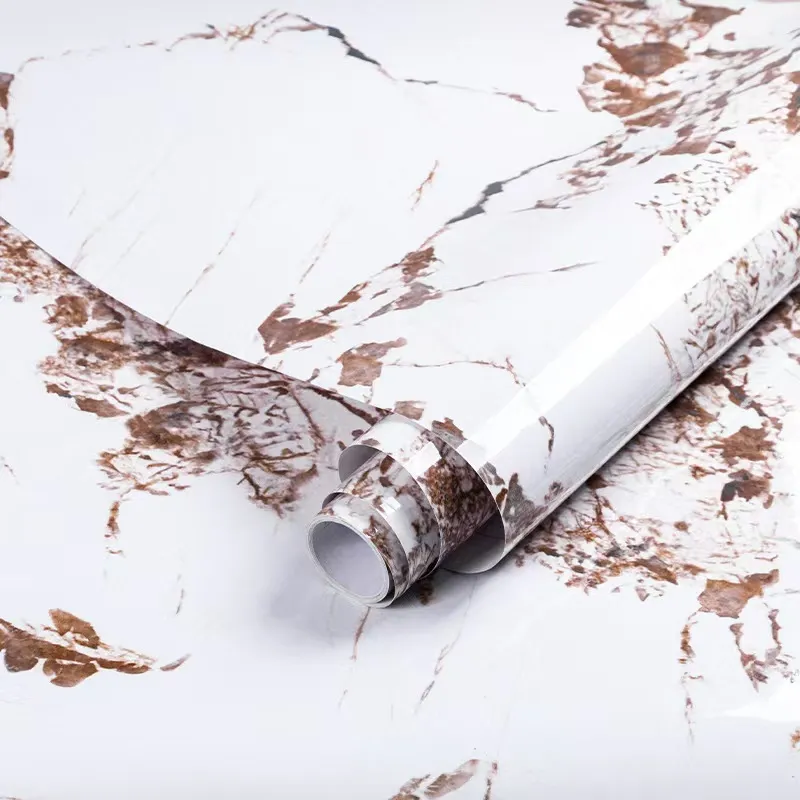
Marble patterns convey timeless luxury; a holographic accent strip or label can modernize the look for beauty, gifting, or premium retail. For base décor systems, options like Marble Film can be used as a stable, scalable foundation while laser film provides the highlight.
Wood grain remains popular in interiors and furniture. A subtle holographic label or edge detail can add a modern twist without losing the warmth of wood. For large-volume furniture programs, a consistent base such as Wood Grain Film helps keep color continuity across different panels, while laser film is used sparingly where it matters most.
For commercial interiors and retail environments, edges and skirting lines are visible “finish details.” Adding a reflective or holographic touch can elevate the whole space perception with minimal material usage—especially when combined with purpose-built trims like PVC Skirting Film.
For packaging and label applications, compliance isn’t optional. Reputable suppliers can provide documentation showing materials are free of heavy metals and restricted substances, and can support ISO management systems as well as REACH/RoHS and FDA-related requirements (when applicable). If your holographic PVC film may contact skin or be used in indoor decoration, ask about low-odor formulations and environmentally safer inks.
Reminder for buyers:
“Compliant” can mean different things across markets. Confirm the exact standard required by your region and end customer, and request matching test reports before mass production.
Minimum order quantity depends on film type, thickness, and customization level. Many manufacturers support trial orders for evaluation before scaling to full production—especially when clients need to validate print adhesion, die-cut behavior, and visual consistency under retail lighting.
A smart sampling process includes: (1) visual confirmation of holographic effect, (2) print test on your line, (3) converting test (lamination/die-cut), and (4) aging checks for curling, shrinkage, and surface scuffing. If you’re launching a new SKU, schedule enough time for iteration—small tweaks to surface treatment can significantly improve final yield.
Lead time varies by order size and customization complexity. Suppliers with integrated calendering, printing, and slitting/packaging are typically better positioned to keep delivery stable. For global shipping, request moisture and damage protection, clear roll labels, and traceability for each batch—these details help reduce receiving disputes and production downtime.
How to get a fast quotation:
Use a clear specification sheet and send it via the supplier’s Contact page. Include your target effect, thickness, width, roll length, quantity, and whether you need printing/adhesive/functional coatings.
Laser PVC film has holographic/laser optical effects for stronger visual impact. Regular PVC film may be transparent, matte, glossy, colored, or textured without the diffraction “rainbow” appearance.
Yes, but printability depends on surface treatment, ink system, and curing method. Always run adhesion and abrasion tests using your real production process before mass orders.
Confirm thickness, width, roll length, holographic pattern, gloss level, tolerance requirements, packaging method, and any compliance standards required in your market.
Many manufacturers support OEM/ODM for size, color, pattern, printing, and packaging, and can offer trial orders depending on the product and customization level.
Choose a supplier with strict QC and full-process control, request batch traceability, and lock down a reference sample (golden sample) with measurable specs for future production.