Address
304 North Cardinal St.
Dorchester Center, MA 02124
Work Hours
Monday to Friday: 7AM - 7PM
Weekend: 10AM - 5PM
Address
304 North Cardinal St.
Dorchester Center, MA 02124
Work Hours
Monday to Friday: 7AM - 7PM
Weekend: 10AM - 5PM



PVC film is one of the most widely used flexible sheet materials in modern manufacturing and interior finishing. You’ll see it on furniture surfaces, wall panels, doors, flooring layers, appliance wraps, protective packaging, and even medical or cleanroom applications. This guide explains what PVC film is, how it’s made, the most common types, key benefits, realistic limitations, and how to evaluate safety and compliance for your project.
Quick definition:
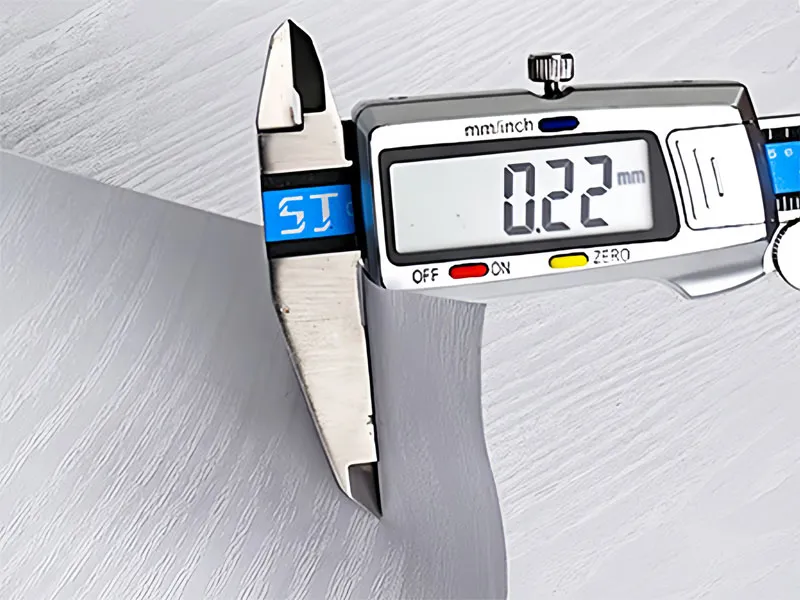
PVC film is a thin sheet made from polyvinyl chloride (PVC) resin plus additives (plasticizers, stabilizers, pigments, and functional coatings) designed to deliver specific flexibility, appearance, durability, and surface performance.
PVC film is engineered to be decorative, protective, or both. Compared with many other plastic films, PVC can be formulated across a broad range—from rigid to very soft—while maintaining strong printability, embossing capability, and chemical resistance. That formulation flexibility is why PVC film appears across industries that need consistent surface quality, stable color, and reliable lamination or adhesive performance.
In practical terms, PVC film often functions as a “surface layer” that upgrades a substrate (MDF, plywood, metal, acrylic, foam board) with a new look and added durability. It can also serve as a stand-alone sheet for packaging, curtains, covers, and protective barriers.
Rigid PVC film uses little to no plasticizer, providing higher stiffness and dimensional stability—useful in thermoforming and certain packaging structures. Flexible PVC film includes plasticizers to increase softness and conformability—ideal for wrapping, laminating, and applications requiring bending or draping.
Most high-quality decorative PVC films are produced by calendering, where compounded PVC is processed through multiple heated rollers to create an even, controlled thickness sheet. Calendered film is favored for stable thickness tolerance, smoothness, and scalability—especially when the film must be printed and embossed with consistent registration.
If you’re sourcing for furniture or architectural surfaces, calendered PVC is a common starting point. For reference products, see Calendered Film as a representative category.
PVC film succeeds where surfaces must look good, clean easily, and remain stable under daily wear. Below are the most common application clusters.
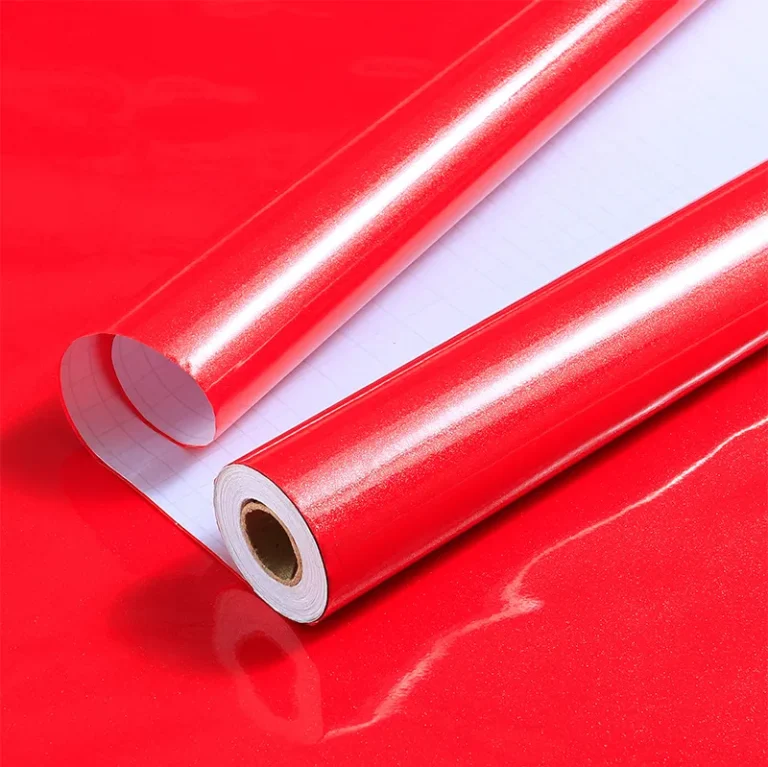
In furniture manufacturing, PVC decorative film is used on cabinet doors, wardrobes, drawer fronts, panels, and tabletops. It can deliver consistent wood grains, solid colors, or high-gloss finishes with lower maintenance than many natural materials. Wood-effect designs are especially popular for cost-effective “warm” interiors—see Wood Grain Film as an example category.
PVC film is frequently laminated onto wall panels, door skins, and decorative trims. It’s also used for skirting/baseboard finishing to unify the room’s look while improving scuff resistance. A product-type reference is PVC skirting film.
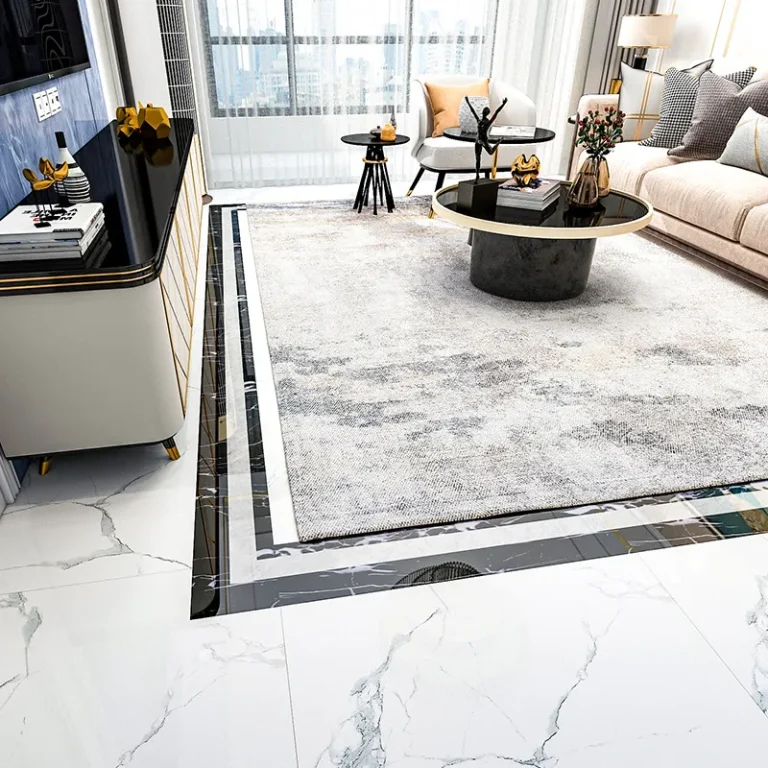
Many resilient flooring constructions include PVC film layers for wear resistance, design printing, and protective topcoats. Depending on the system, the film may carry the visual pattern (stone, wood, abstract) and be engineered for abrasion and stain resistance. For a product reference, see Floor Film.
Functional PVC films can be made with anti-static, insulating, or protective properties. They are used for surface protection, insulation layers, device panels, and transport protection—especially when consistent thickness and reliable adhesion are critical.
PVC film’s printability supports signage, decorative backdrops, promotional wraps, and display applications. Surface finishes can be tuned to reduce glare (matte) or create eye-catching effects (high gloss, pearlescent, embossed textures).
In controlled environments, PVC films may be selected for barrier properties and process consistency. Here, the main decision factors are compliance documentation, traceability, and performance under sterilization or cleaning protocols (where applicable).
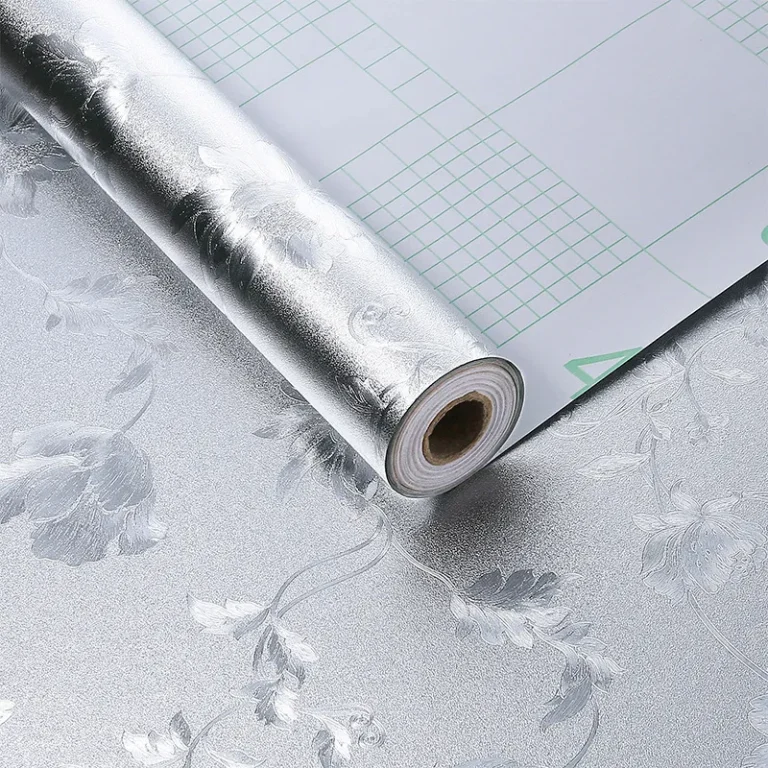
Decorative PVC film can replicate natural materials and modern finishes with impressive realism. Common surface families include:
Embossing and topcoats can create tactile finishes such as soft-touch, leather-like, or silk textures. These are used to upgrade perceived quality—especially on cabinets, interior doors, decorative panels, and premium retail fixtures.
Tip:
If your project needs a premium tactile impression, shortlist texture options early and test them under real lighting. A “great” texture in a showroom may look different under home LEDs or office fluorescents.
PVC film supports high-resolution printing, color matching, and repeatable patterns. That enables mass production with consistent surface aesthetics—especially useful when a project needs identical cabinetry fronts across multiple units or locations.
With the right topcoat, PVC film can be resistant to stains, mild chemicals, moisture, and abrasion. For many interiors, a simple wipe with a soft cloth and gentle cleaner is enough to maintain appearance.
Lamination and wrapping processes can be scaled quickly, and roll-based supply supports manufacturing efficiency. Film-based finishing often reduces the variability and labor intensity associated with natural materials.
From matte anti-fingerprint looks to high-gloss “piano” finishes, PVC film can be built to match both performance and aesthetic requirements. Embossing expands possibilities even further, giving products a higher perceived value without changing the core substrate.
PVC film is versatile, but not “one film fits all.” Many complaints come from mismatch between film spec and real usage conditions. Common pitfalls include:
Near ovens, stovetops, or intense sunlight, some films may discolor, soften, or lose adhesion if not specified for heat resistance. If the application is a kitchen door close to a heat source, confirm the temperature tolerance, adhesive system, and topcoat performance.
Adhesion depends on substrate surface energy, primer selection, adhesive chemistry, and curing. Always test on the actual substrate (MDF grade, primer type, metal coating, etc.) before scaling production.
Harsh solvents and abrasive pads can damage topcoats. A film may be “stain resistant,” but that doesn’t mean it’s immune to strong chemicals. Define cleaning guidelines for end users—especially in commercial spaces.
Checklist before mass production:
confirm thickness tolerance, gloss level, emboss depth, color under your lighting, scratch/abrasion requirement, adhesion on your substrate, and packaging protection for shipping.
Safety depends on formulation, intended use, and regulatory compliance. Modern PVC films for interiors can be produced with controlled additive systems, compliant inks, and verified low-hazard formulations. Still, it’s important to define what “safe” means for your scenario: skin contact, indoor air quality, food contact, children’s products, medical packaging, or electronics cleanroom use all have different requirements.
For interior decoration, end users care about odor and perceived air quality. Odor is influenced by plasticizer choice, ink system, curing, and storage/ventilation after installation. If you’re supplying to residential projects (especially bedrooms, nurseries, or healthcare spaces), request testing data relevant to your market and allow appropriate airing time after installation.
“Food-grade” is not a generic label; it must match a specific regulatory framework and use condition (contact type, temperature, time). Always verify the exact compliance statement and test report coverage for your application.
Selecting PVC film is a balance of aesthetics, process compatibility, and real-world performance. Use the criteria below to narrow options quickly.
Decide your target gloss level (matte/satin/glossy), fingerprint tolerance, emboss depth, and whether you need a functional coating like anti-static or anti-fog.
Are you doing flat lamination, profile wrapping, membrane pressing, or self-adhesive installation? Each method may require different softness, shrink behavior, and adhesive compatibility.
Request samples in the exact thickness/finish and test them on your substrate. Evaluate:
PVC film is sensitive to contamination, pressure marks, and improper storage conditions. Proper packaging and roll protection help preserve surface quality, especially for high-gloss and dark solid colors.
When you need a specific look or performance, OEM/ODM customization can be a major advantage. Typical custom options include thickness, width, roll length, emboss pattern, gloss level, ink color matching, and topcoat selection (scratch resistance, anti-fingerprint, anti-static, anti-fog). Packaging can also be customized for export and warehouse efficiency.
If you’re building a branded product line (furniture series, wall panel collection, flooring design set), it’s common to develop a controlled palette of textures and colors that remain stable across production batches—supported by QC checks such as thickness, adhesion, and optical inspection.
1) What is PVC film used for most often?
Most commonly for decorative lamination on furniture and building panels (cabinets, doors, wall panels), plus flooring layers, industrial protection, and packaging applications.
2) Is PVC film safe for indoor use?
It can be safe when produced with compliant formulations and verified documentation. For indoor projects, ask for REACH/RoHS compliance, and confirm additive choices (such as phthalate-free options if required by your market).
3) What’s the difference between calendered film and other PVC films?
Calendered film is formed through heated rollers for stable thickness and surface consistency, which is especially important for decorative printing, embossing, and lamination performance.
4) Can PVC film handle kitchens and bathrooms?
Yes, if you select the right topcoat and adhesive system. Kitchens need attention to heat and oil/cleaner resistance; bathrooms need moisture and mold-prevention hygiene practices plus correct sealing at edges.
5) What information should I provide to get accurate samples or a quotation?
Provide film type, thickness, width, surface finish (matte/gloss/emboss), color/pattern, application method, compliance requirements, and estimated order quantity so the supplier can match the correct formulation and packaging.