Address
304 North Cardinal St.
Dorchester Center, MA 02124
Work Hours
Monday to Friday: 7AM - 7PM
Weekend: 10AM - 5PM
Address
304 North Cardinal St.
Dorchester Center, MA 02124
Work Hours
Monday to Friday: 7AM - 7PM
Weekend: 10AM - 5PM


Self adhesive PVC film is a versatile, peel-and-stick surface material used to refresh furniture, walls, doors, appliances, and many other substrates without messy glue or complicated tools. It combines a decorative PVC face layer with a pressure-sensitive adhesive backing, making it a practical choice for fast renovation, branding, protection, and durable everyday upgrades—at home or in commercial spaces.
Key idea: A good self adhesive PVC film is not just “pretty.” The right type must match your surface, environment (heat, moisture, UV), and usage intensity (abrasion, cleaning frequency) to avoid lifting, bubbling, and premature wear.
Self adhesive PVC film (also called self-adhesive vinyl film in many markets) is a thin PVC sheet engineered with a pre-applied adhesive layer and a release liner. When installed, the adhesive bonds to the substrate under pressure, creating a smooth decorative finish or a protective layer. Depending on the product design, it can be calendered for stability and cost efficiency, or built as a multi-layer structure for extra durability and appearance depth.
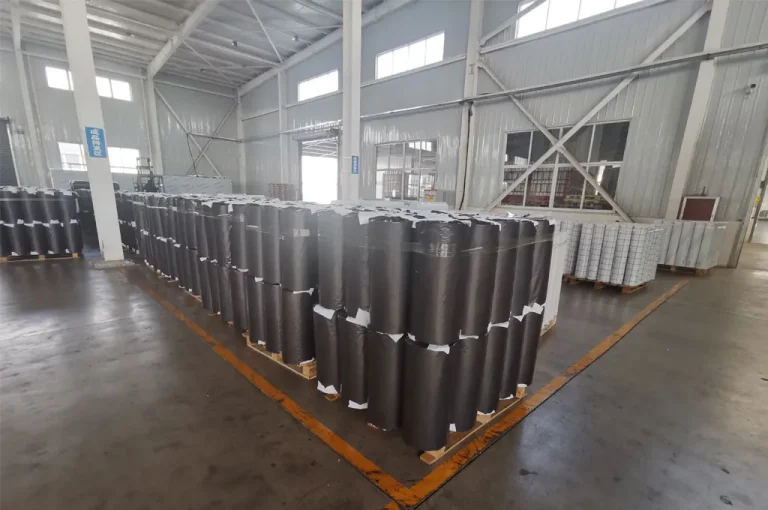
In manufacturing, PVC films can be produced with different textures (matte, glossy, embossed, soft-touch), patterns (wood, marble, solid color, fabric), and functional coatings (anti-static, oil-proof, anti-fog). Pulivk Film’s production capability spans calendering, printing, and slitting/packaging, which helps keep quality consistency and lead time under control across different film types.
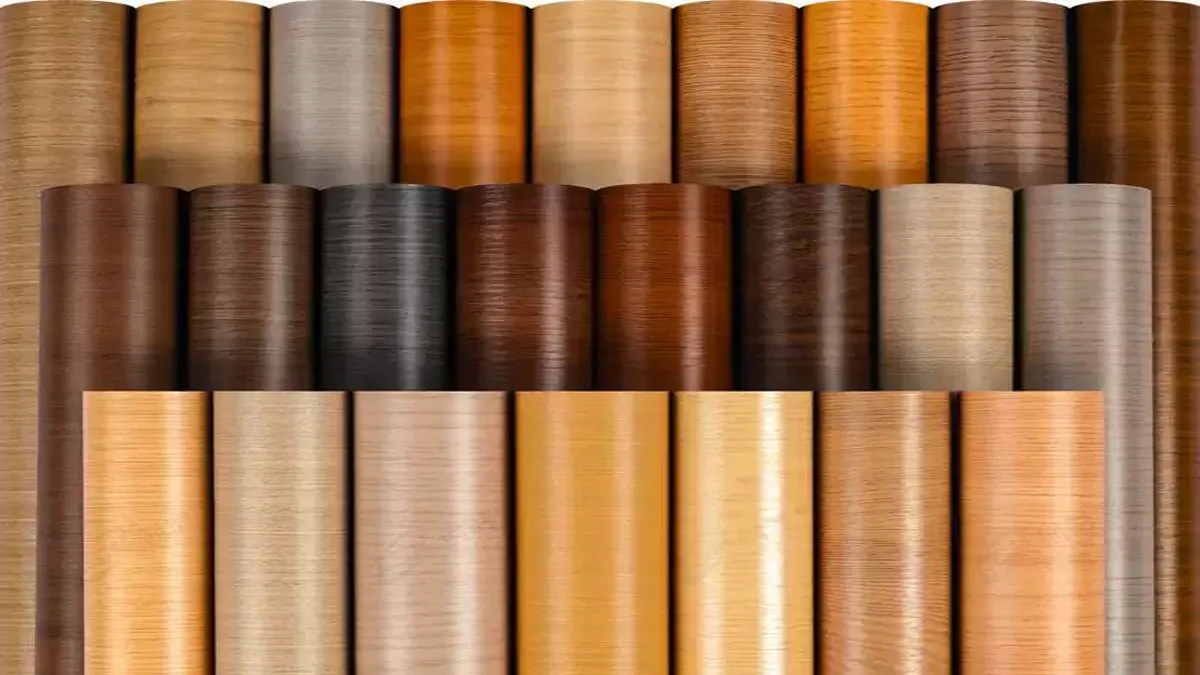
One of the most popular uses is upgrading cabinets, wardrobes, desks, and reception counters. Wood grain, matte solids, and glossy finishes can mimic new panels at a fraction of the time and cost. For high-visibility areas like wardrobes and doors, a premium finish—such as glossy wardrobe film—can deliver a clean modern look, while embossed textures hide fingerprints and minor scratches.
Self adhesive PVC film can be used like a quick wall covering in rentals, temporary retail displays, or fast refresh projects. Solid color styles support minimal designs and color matching; for example, solid color wallpaper helps create consistent backgrounds for living rooms, showrooms, and studios. For premium accents, silk-like or tactile textures offer a more “designed” feel.
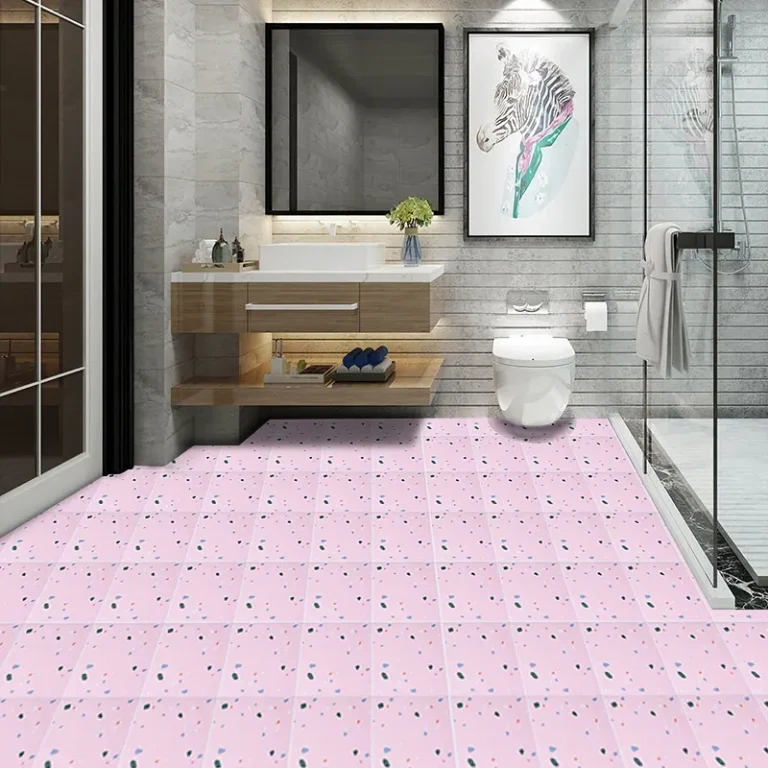
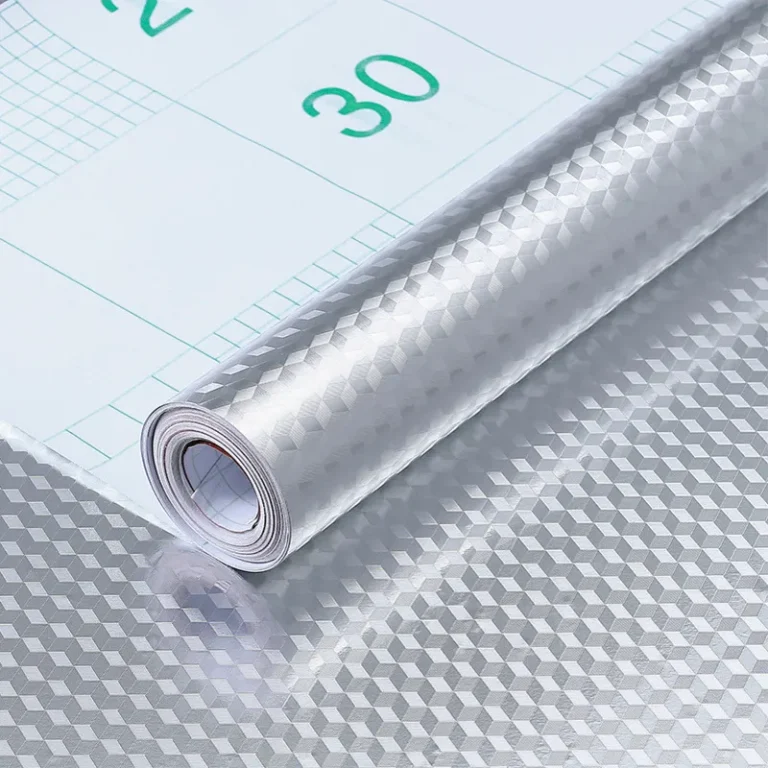
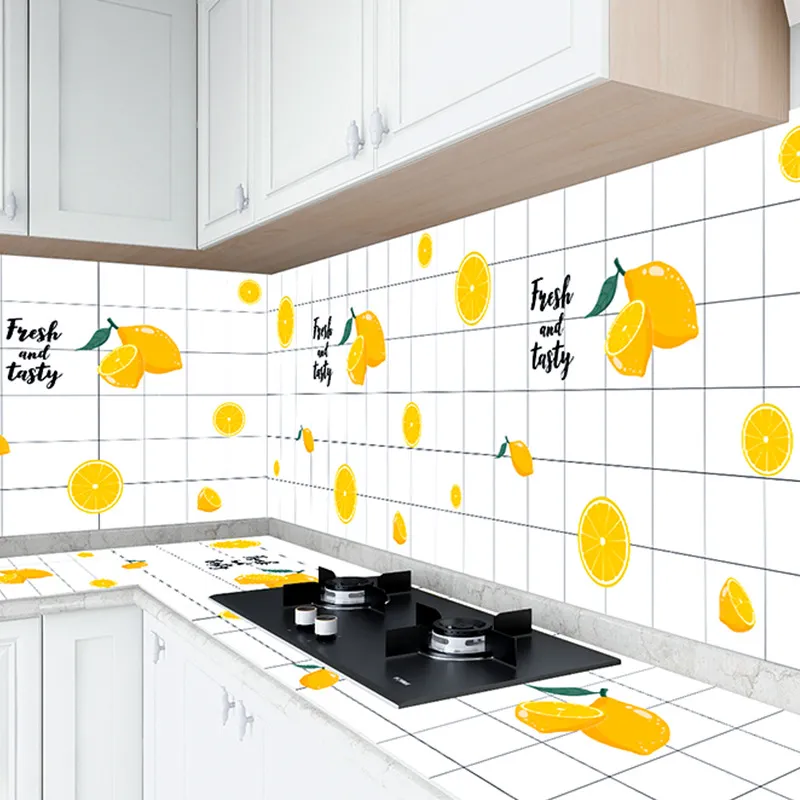
In kitchens and bathrooms, the priority is resistance to water, mild chemicals, and frequent wiping. Oil-prone zones around cooktops and backsplashes benefit from specialty films such as kitchen anti-oil film. Bathroom areas—especially floors or splash zones—require careful selection: use the right thickness, surface embossing for slip reduction, and strong adhesion suited for humid environments.
For flooring-related projects, choose film designed for higher wear and compression. Floor-specific options such as floor film are engineered for tougher conditions than ordinary decorative wraps. Skirting areas often experience impacts from cleaning tools and shoes, so a skirting-optimized construction is preferred for long-term performance.
For temporary activations and branding refresh, self adhesive PVC film offers fast installation and clean removal when the correct adhesive is chosen. It’s widely used on display panels, counters, doors, and protective coverings in high-traffic environments where downtime must be minimal.
✔ Best-fit surfaces: sealed wood panels, melamine boards, painted metal, glass, smooth tiles, acrylic, and many plastics (after compatibility check).
⚠ Surfaces to test first: raw wood, chalky paint, rough cement, textured walls, silicone-treated surfaces, and low-surface-energy plastics (some PE/PP grades).
Peel, align, squeegee, and trim—self adhesive PVC film dramatically reduces labor compared to repainting or replacing panels. This is especially valuable for shops, hotels, and offices where speed matters.
From wood grain and marble to brushed metal and soft-touch finishes, it supports both classic and contemporary aesthetics. Texture also influences perceived quality: matte and embossed surfaces feel more premium and hide small defects; glossy surfaces amplify color depth but show fingerprints more easily.
Beyond decoration, many films serve as sacrificial layers that protect the original substrate. In settings like rentals, healthcare, or showrooms, this can reduce maintenance costs and extend asset life.
For brands and wholesalers, customization matters: thickness, width, roll length, pattern printing, surface treatment, and packaging can be matched to your channel needs. With full-process production (calendering, printing, slitting/packaging), suppliers can better manage batch consistency, delivery stability, and total cost.
Quick checklist before you buy:
Not all PVC films behave the same. For stable performance and uniform thickness, many buyers start with calendered film, which is commonly used for decorative and industrial purposes. If your project requires tactile feel or special visual depth, consider multi-layer or textured designs.
Finish choice is both visual and functional. Gloss increases brightness and color saturation but can show scratches and fingerprints. Matte looks modern and is easier to keep looking clean. Embossed textures add grip and help hide substrate imperfections. Soft-touch creates a premium feel for high-end furniture and electronics displays.
Adhesive selection is where many projects succeed or fail. If the film is for short-term displays, you may need clean removability. If it’s for bathrooms or daily-use furniture, you want stronger long-term bonding. Always evaluate:
Tip: If you’re applying over old furniture laminates or painted surfaces, do a small sample test first. The weakest link is often the old coating, not the film adhesive.
Self adhesive PVC film can perform very well indoors, but environment still matters. Direct sunlight can fade some colors over time; high humidity can stress edges; harsh solvents can damage the top layer. If the film will be installed near cooking areas, confirm it can handle regular degreasing and occasional heat exposure.
Samples viewed under showroom lighting may look different in warm residential lighting or cool office LEDs. For large projects, request samples and test them on-site at different times of day. For wood grain and stone looks, pay attention to repeat pattern size to avoid an artificial “same-print” appearance across big surfaces.
Clean the substrate thoroughly and remove oil, dust, and wax. Ensure the surface is dry and stable. Any particles left behind will show as bumps, especially under glossy finishes.
Troubleshooting markers:
Bubbles: usually trapped air or dust; lift and re-squeegee, or micro-puncture tiny bubbles and press flat.
Edge lifting: insufficient pressure, humidity, dirty edges, or wrong adhesive strength; re-clean, warm gently, and press.
Wrinkles: too much tension during application; lift back to the wrinkle and reapply with even pressure.
Most self adhesive PVC films are low-maintenance. Use a soft cloth with water or mild detergent for routine cleaning. Avoid abrasive pads that can dull glossy surfaces or flatten embossed textures. For kitchens, choose gentle degreasers and test any cleaner on a hidden corner first.
If you’re sourcing for distribution, projects, or OEM programs, quality control is not optional. Look for measurable standards: thickness tolerance, adhesion stability, color consistency, and surface defect limits. For sensitive applications (interior decoration, human contact scenarios, certain packaging needs), confirm compliance requirements with your supplier. Many modern PVC films are designed to be free of heavy metals and regulated plasticizers, and may support documentation aligned with ISO systems and regional regulations.
Consistency is the biggest challenge in film sourcing. A supplier with integrated production—calendering, printing, and slitting/packaging—can better control color, texture, and roll quality, while also offering flexible OEM/ODM options. Export-ready packaging (dust protection, labeled rolls, moisture protection) reduces damage risk and supports smoother warehousing and downstream distribution.
Procurement note: For first orders, consider a small trial with your exact substrate and cleaning routine. Validate adhesion after 72 hours and edge stability after humidity/heat exposure before scaling.
It depends on the adhesive type and the substrate condition. On stable, sealed surfaces, many films remove cleanly. On old paint or weak laminates, the underlying coating may peel even if the film is normal—sample testing is recommended.
The PVC layer is water-resistant, but long-term performance in wet zones depends on edge sealing, surface preparation, and using a film/adhesive designed for humidity.
Common causes include dust on the substrate, applying too fast, or trapping air on large panels. Re-lifting and re-squeegeeing usually solves it; tiny bubbles can be released and pressed flat.
Cabinets often use medium thickness with scratch-resistant surfaces; floors should use floor-rated films designed for wear and compression. If you share the application details, a supplier can recommend an appropriate spec.
Prepare your target application, substrate type, required thickness/width, finish (matte/gloss/embossed), pattern or color, and quantity. Then request samples for on-site testing before confirming the final order.