Address
304 North Cardinal St.
Dorchester Center, MA 02124
Work Hours
Monday to Friday: 7AM - 7PM
Weekend: 10AM - 5PM
Address
304 North Cardinal St.
Dorchester Center, MA 02124
Work Hours
Monday to Friday: 7AM - 7PM
Weekend: 10AM - 5PM



Printed PVC film is a versatile material used across packaging, lamination, decoration, and industrial protection. With the right thickness, surface finish, and printing method, it can enhance shelf appeal, improve durability, and protect products against moisture, abrasion, and daily wear. This guide explains where printed PVC film performs best, what benefits matter most, and how to choose the right type—especially when you need consistent quality at scale.
PVC film is a thin sheet made from polyvinyl chloride. When it’s printed, the film carries patterns, colors, branding, warnings, or decorative textures—then it is used as a surface layer or wrap. In packaging, it often acts as a protective or decorative outer layer; in lamination, it becomes the “skin” that covers boards, panels, profiles, or other substrates.
Key idea: Printed PVC film is not just “a printed layer.” Its performance depends on resin formulation, calendering quality, ink system, surface energy, and the lamination/adhesion method.
Printed PVC film is used in packaging when you need a combination of visual impact and physical protection. Typical scenarios include protective wraps, banding, sleeves, surface protection during transport, and certain product overwraps where clarity, stiffness, or toughness is required.
In lamination, printed PVC film is widely selected for furniture, wall panels, doors, cabinets, skirting, flooring layers, and decorative sheets. It’s especially valuable when the finished surface must be washable, scratch-resistant, and consistent across batches.
✔ Where lamination shines:
Printing transforms PVC film from a simple protective sheet into a design tool. High-quality printing provides sharper edges, better color uniformity, and improved pattern registration—essential for wood grain, stone grain, and premium decorative finishes.
PVC films can be engineered to resist scratches, stains, and daily abrasion. For kitchens, hospitality, retail, and high-touch areas, a film with the right topcoat reduces maintenance costs and keeps surfaces looking new longer.
When film thickness is consistent and rolls are slit accurately, lamination and wrapping lines run smoother. This means fewer stoppages, fewer rejects, and more predictable yield—especially important for high-volume OEM programs.
OEM/ODM options allow you to tailor thickness, width, roll length, gloss level, embossing, and functional coatings (anti-static, anti-fog, food-grade coating) to match your product and market positioning.
Note on safety & compliance: For applications involving indoor use or human contact, confirm the film and inks meet relevant requirements such as REACH, RoHS, ISO systems, and (when needed) FDA-related conditions.
Calendered film is produced through calendering lines to achieve stable thickness and smoothness—ideal for consistent printing and downstream lamination. If you need scalable supply for packaging and decorative lamination, calendered PVC is often the first choice.
You can explore a typical specification range via
Calendered Film.
Decorative films focus on visual realism and surface feel. Popular categories include:
Wood Grain Film,
Marble Film,
and minimalist interior options like
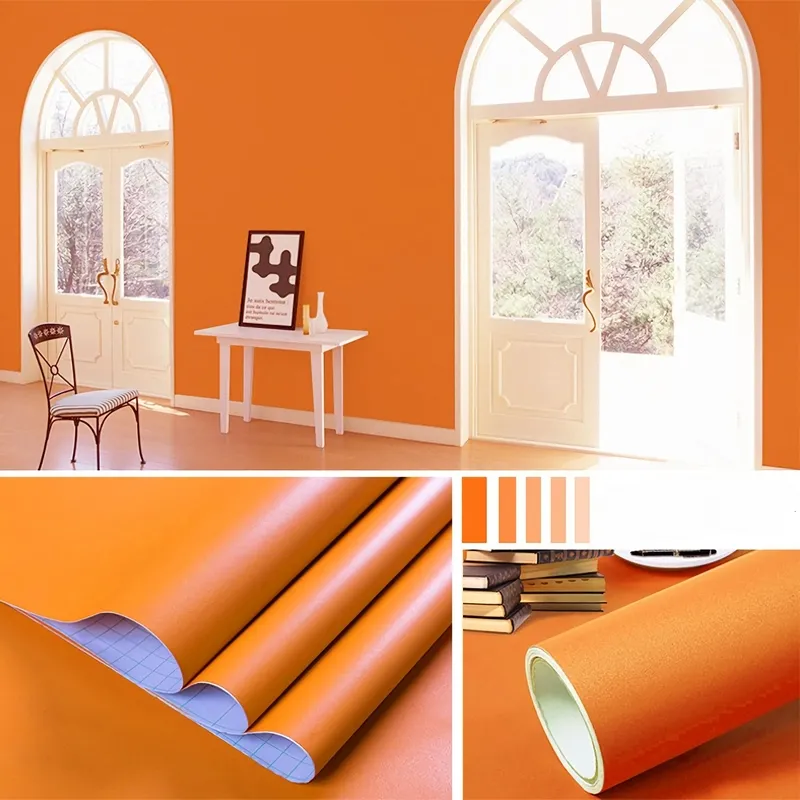
Solid Color Wallpaper.
These are widely used for furniture panels, wall systems, and decorative components where “print quality” must look natural under different lighting.
Texture can elevate perceived value. Embossed and 3D textures can hide minor substrate defects, improve grip, and help surfaces feel closer to fabric, wood pores, or artisanal finishes. For example,
3D Silk Texture Film
is often chosen when you want a softer, more premium visual and tactile experience.
Start with the real conditions the film will face: heat, humidity, cleaning agents, abrasion, and whether the surface is high-touch. A cabinet door next to a stove needs different performance than a decorative wall panel or a protective packaging wrap.
Thickness impacts handling, durability, and lamination behavior. Thicker films often provide better impact resistance and easier handling during lamination, while thinner films can improve flexibility for wrapping profiles and edges. The “right” range depends on your substrate, forming method, and finishing expectations.
Practical tip: If your process includes tight bending or profile wrapping, verify elongation and shrink behavior in addition to thickness.
What to request: thickness tolerance data and roll-to-roll consistency results.
Finish strongly affects perceived quality. Gloss can make colors pop and look “premium,” while matte reduces glare and hides fingerprints. Soft-touch can create a boutique feel for high-end furniture and consumer interiors. If cleaning and wear are priorities, consider an anti-scratch top layer or coating.
Printing must survive converting and daily use. For packaging, confirm rub resistance and whether inks will migrate in sensitive applications. For lamination, confirm that the ink layer will not crack, haze, or delaminate after heat/pressure exposure. Ask for test results for abrasion, adhesion, and color fastness.
The best-looking print can still fail if surface energy and adhesive chemistry are mismatched. Align film selection with your process (flat lamination, profile wrapping, hot melt, solvent-based, water-based, or other systems) and your substrate (MDF, plywood, metal, plastic, composite panels).
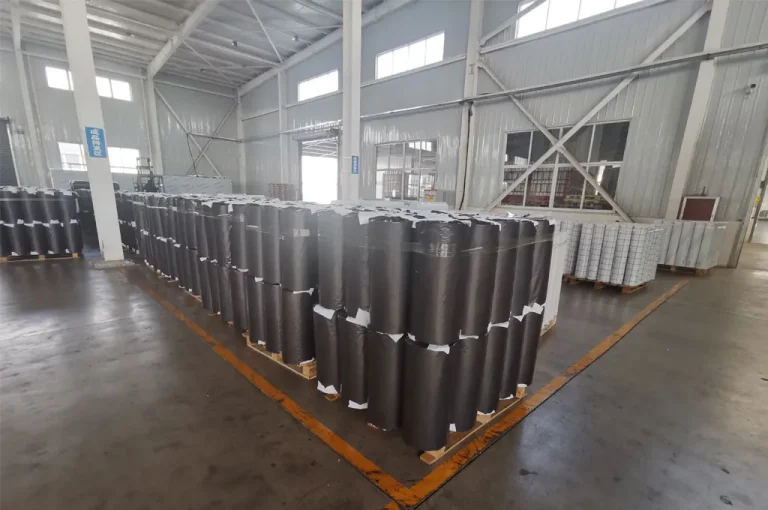
Roll protection matters more than many buyers expect. Proper slitting, edge quality, tension control, and protective wrapping (e.g., dust-proof PE film or kraft paper) reduce transit damage and keep printing surfaces pristine. Clear labels and batch traceability improve warehouse control and after-sales problem solving.
To reduce risk, validate printed PVC film with a structured incoming inspection and trial-lamination plan. A good supplier should support data transparency, stable batch repeatability, and third-party verification when required.
QC checklist (high-impact):
For wardrobes, cabinets, and panels, buyers typically prioritize color repeatability, scratch resistance, and realistic textures. Wood grain and marble patterns are popular because they provide a premium look without the cost and weight of natural materials. Matte or soft-touch finishes often perform well in modern interiors where glare and fingerprints are concerns.
In commercial interiors and residential upgrades, printed PVC film supports fast renovation cycles. Films designed for skirting, panels, and trims help unify design while protecting corners and edges. Selection often focuses on impact resistance and cleanability in corridors, offices, malls, and hospitality spaces.
For electronics, appliance panels, and industrial surfaces, functional coatings (like anti-static) may be required to reduce dust attraction and static discharge risk. Here, printed films can combine branding with protective performance, provided the film meets process stability and compliance needs.
Where color pop and surface clarity matter (e.g., exhibition backdrops and promotional surfaces), printing quality and gloss control become the main decision points. Ensure the film’s surface is designed for your printing method and that the final product resists scuffing during installation.
Printed PVC film is a “process material,” meaning your results depend on how well the supplier controls calendering, printing, slitting, and packaging. A vertically integrated manufacturer can shorten lead times, improve consistency, and simplify troubleshooting when scaling from sample approval to mass production.
Ask your supplier:
If you need a quick path to evaluation, reviewing product categories and technical references can help you narrow down options. You can browse more product knowledge and specifications via
Knowledge
and confirm ordering steps or sample requests through
Contact.
Yes. The key is selecting the right thickness, finish, and ink/coating system for your process and end-use environment. Packaging often prioritizes scuff resistance and converting performance, while lamination prioritizes adhesion and long-term surface durability.
Glossy enhances color impact; matte reduces glare and fingerprints; textured/embossed improves tactile feel and can hide minor substrate imperfections. Choose based on where the surface will be used and how it will be cleaned.
Provide film type, thickness, width, roll length, surface finish, pattern/color, intended application (packaging or lamination), and order quantity. If you have an adhesive or lamination method, include that too.
Approve a physical standard (or signed master sample), request batch traceability, and specify allowable tolerance. For decorative patterns, also confirm registration and gloss level requirements.
Many suppliers can provide compliant materials (e.g., REACH/RoHS and relevant management systems). For sensitive uses, request test reports and confirm ink and coating safety requirements before mass production.