Address
304 North Cardinal St.
Dorchester Center, MA 02124
Work Hours
Monday to Friday: 7AM - 7PM
Weekend: 10AM - 5PM
Address
304 North Cardinal St.
Dorchester Center, MA 02124
Work Hours
Monday to Friday: 7AM - 7PM
Weekend: 10AM - 5PM


PVC film sheets are versatile, cost-effective materials used across furniture, interior decoration, building finishes, electronics protection, advertising displays, and even clean packaging environments. In practice, “PVC film sheet” can refer to rigid or semi-rigid sheet formats and also to roll-stock film that is cut into sheets for lamination, wrapping, or surface finishing. This guide explains the most common uses, key specifications, thickness options, and a practical checklist to help you choose the right PVC film sheet for your project.
PVC (polyvinyl chloride) film sheets are thin polymer layers engineered to deliver surface protection, decoration, or functional performance (e.g., anti-static, anti-fog, water resistance). Depending on formulation and process, PVC film sheets can be:
transparent or opaque, glossy or matte, embossed or smooth, and single-layer or laminated composites.
● Key idea:
The “right” PVC film sheet is not only about thickness. Surface finish, adhesion method, shrink/thermal behavior, and compliance requirements often determine success more than any single number.
Decorative PVC film sheets are widely used for cabinet doors, wardrobes, panels, and table tops because they provide consistent color/pattern, scratch resistance, and easy cleaning. Popular aesthetics include wood grain, marble, fabric texture, and solid colors. For cabinetry, choosing the correct gloss level and abrasion resistance helps maintain a premium look under daily use.
If you need a wood texture, a dedicated Wood Grain Film option is often selected for realistic grain depth and uniform batch-to-batch appearance.
PVC film sheets are used for wall panels, partitions, ceilings, and skirting profiles. They can be laminated onto boards (MDF, plywood, SPC/WPC substrates) or applied as self-adhesive decorative layers depending on the construction method. For minimalistic interiors and retail fit-outs, a consistent matte finish and stable color matching are typically priorities.
For wall applications, many projects start from clean, uniform tones such as Solid Color Wallpaper, especially when designers want a seamless, modern look.
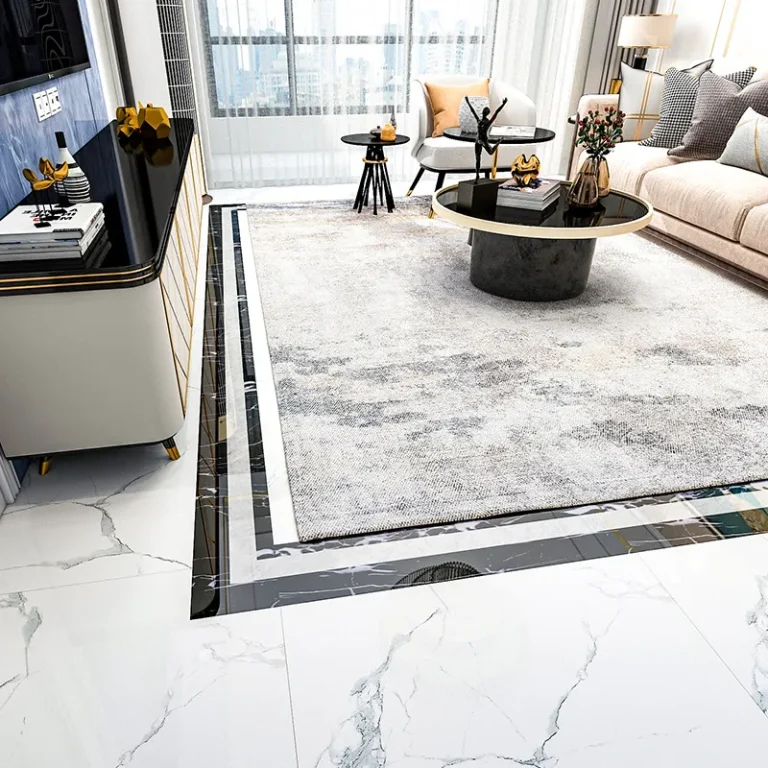
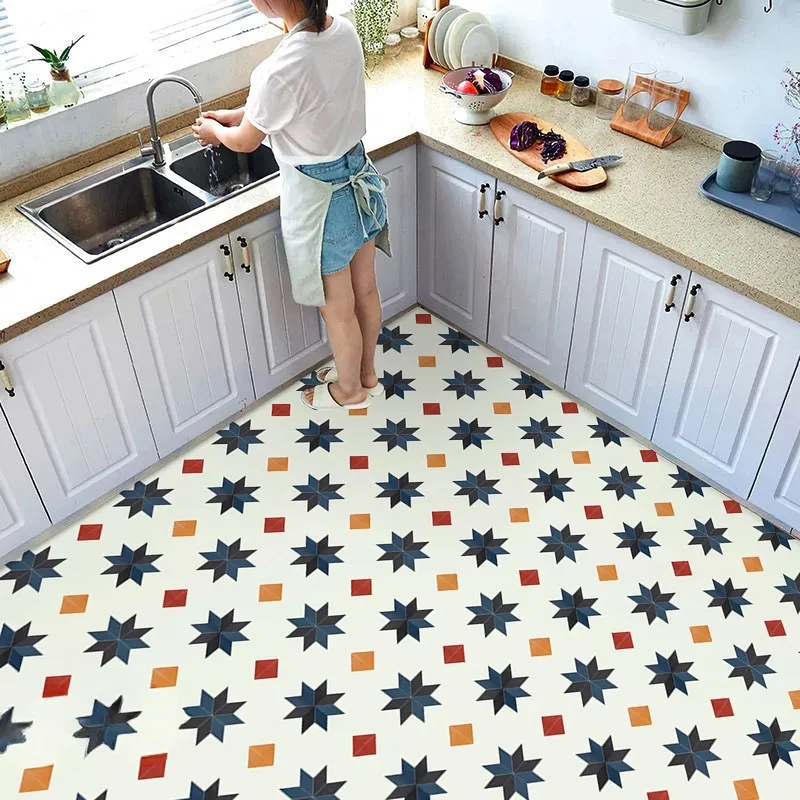
In flooring systems and floor protection layers, PVC film sheets are valued for durability, water resistance, and ease of maintenance. Thickness and wear performance become critical here, especially in high-traffic commercial spaces. For renovation-friendly projects, PVC floor layers can also help achieve a fast visual upgrade without heavy demolition.
For flooring-focused requirements, consider specialized Floor Film solutions designed for consistent thickness and stable surface performance.
PVC film sheets can be produced with anti-static or protective properties for electronics housings, appliance panels, and industrial packaging. These films help reduce scratches, improve product appearance, and add functional coatings when needed.
PVC film sheets can be used as decorative layers for display boards, lightbox surfaces (depending on optical needs), and temporary promotional structures. Key considerations include color consistency under lighting, flatness, and print/lamination compatibility.
● Quick selection hint:
If the film will be touched frequently (cabinet doors, wardrobes, elevator panels), prioritize abrasion resistance, stain resistance, and a finish that hides fingerprints (often matte or soft-touch).
Thickness directly affects rigidity, drape, emboss depth, and durability. It also influences forming/lamination behavior. Typical ranges vary widely by application (details below), so thickness should be chosen alongside substrate type, adhesive method, and expected wear.
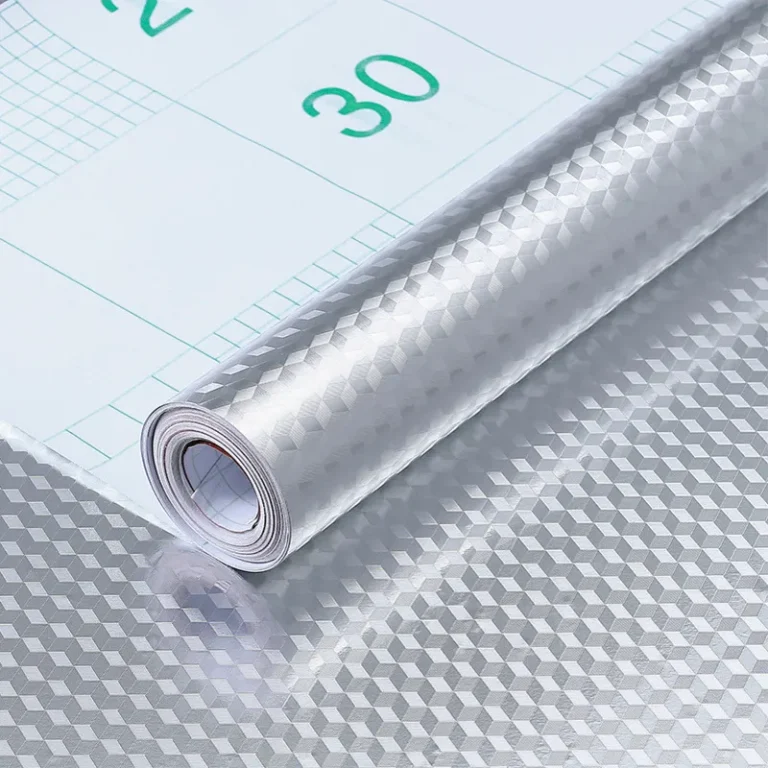
Common finishes include glossy, matte, soft-touch, embossed (wood/stone/fabric), and specialty textures such as silk-like 3D patterns. Texture choice affects perceived quality, cleaning behavior, and scratch visibility.
For furniture and interior décor, visual consistency is often a production KPI. Ask for shade tolerance, batch management approach, and whether the supplier can support color matching across multiple products (e.g., doors + skirting + wall panels).
Consider tensile strength, elongation, tear resistance, and abrasion resistance. For wrapped profiles and corners, elongation and thermoformability can matter more than raw tensile numbers.
PVC film sheets may be used with hot-melt, solvent-based, or water-based adhesives, or supplied as self-adhesive. Compatibility depends on film surface energy, primer layers, and end-use temperature/humidity cycles.
Many projects require compliance with standards such as REACH, RoHS, and sometimes FDA for specific contact scenarios. If your application involves indoor air considerations or frequent human contact, confirm that the film formulation meets the applicable safety requirements (e.g., heavy metal and phthalate control).
Best for protective layers, light decorative overlays, or applications where flexibility and cost efficiency are key. Thin films are easier to conform but may show substrate imperfections more clearly.
A common choice for furniture lamination and interior decoration where you need a balance of durability, texture definition, and handling stability. Many wood grain, marble, and textured decorative films fall into this range depending on emboss depth and performance targets.
Used when higher impact resistance, deeper emboss, or stronger barrier properties are required. Thicker constructions can improve premium feel and wear performance, but they also demand correct processing parameters (heat, pressure, adhesive selection) to avoid bubbles, edge lifting, or stress whitening.
● Important:
Thickness tolerance is as important as thickness itself. For lamination lines and automated cutting, stable tolerance reduces waste, improves registration, and helps keep surfaces flat after bonding.
Ask what the film must do: purely decorative, scratch protection, anti-static behavior, water resistance, chemical resistance (kitchen cleaners), or easy-clean/anti-fingerprint. When you know the primary job, you can avoid over-specifying features that add cost without real value.
Glossy surfaces can look premium but may show fingerprints and micro-scratches more easily. Matte and soft-touch surfaces can improve perceived quality and hide handling marks, but you should confirm stain resistance for kitchens and public spaces.
If your operation involves profile wrapping, tight corners, and frequent forming, a film that balances flexibility and strength is crucial. For flat lamination on panels, slightly thicker options often improve “board feel” and long-term durability.
Calendered production is widely used for stable, consistent PVC films. If your project needs predictable thickness and reliable supply for ongoing manufacturing, a dedicated calendered option is a common baseline.
You can explore a typical category here: Calendered Film.
Always run a sample through your actual process: lamination temperature/pressure, adhesive curing, CNC cutting, edge sealing, and cleaning tests. Evaluate color under the same lighting used in the final environment (warm/neutral/cool LED can shift perception).
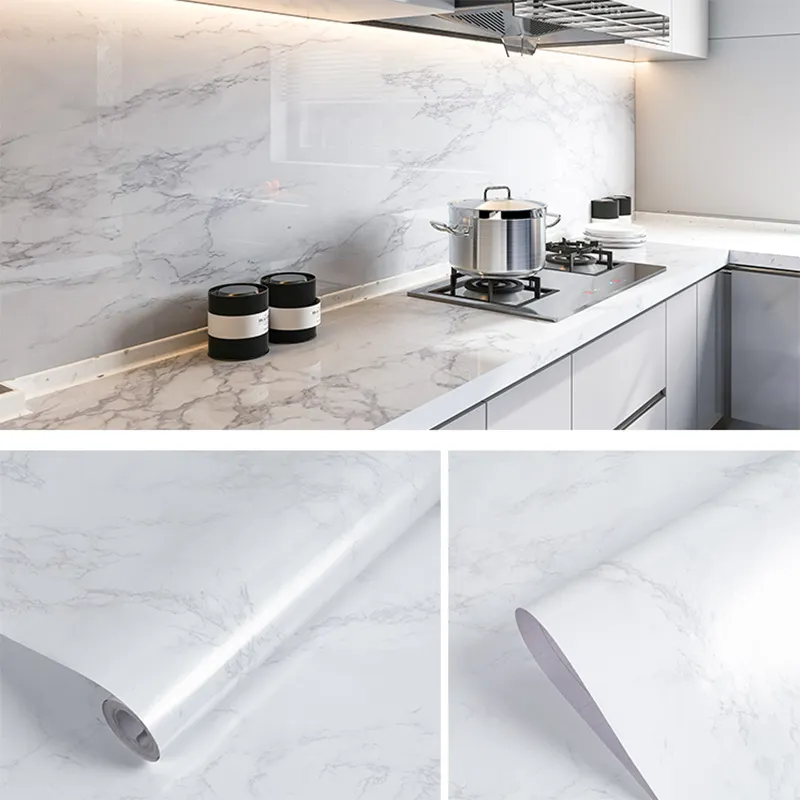
Marble-style PVC film sheets are widely used on wall panels, furniture fronts, and retail displays. They help deliver a premium look with easier installation and maintenance than natural stone in many applications.
A representative option is Marble Film.
Embossed patterns (wood pores, fabric grain, silk texture) can add depth and improve scratch hiding compared to mirror gloss. Textures can also increase perceived value on large surfaces such as wardrobe doors and wall panels.
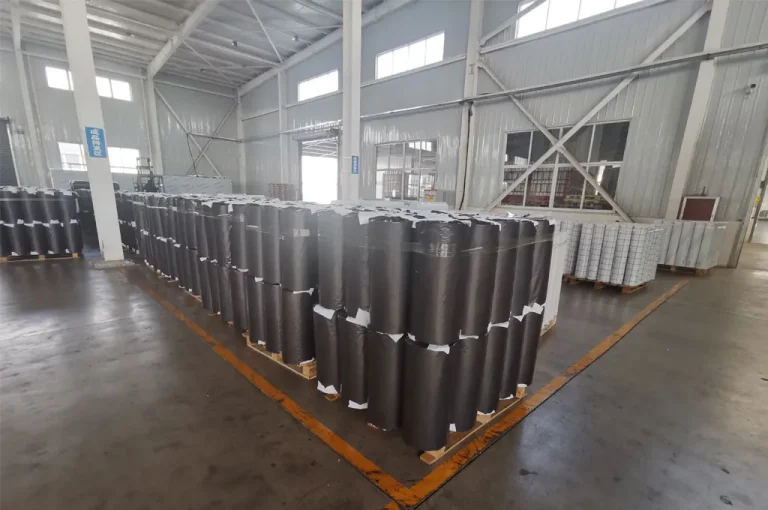
Consistent PVC film sheets come from process control across calendering, printing, and slitting/packaging. A supplier with end-to-end lines can better manage color, thickness stability, lead time, and defect control. If you run continuous manufacturing (furniture lines, profile wrapping, flooring), stable supply and batch traceability are often as important as price.
Many furniture lamination projects use mid-range thicknesses for balanced durability and handling. The best choice depends on your substrate, adhesive, and whether you need deep emboss or extra abrasion resistance—testing samples on your line is the fastest way to confirm.
Yes, when you select the right surface and adhesive system. Prioritize water resistance, stain resistance, and easy-clean performance, and verify edge sealing to prevent moisture ingress on panels or profiles.
Calendered film refers to a production method known for stable thickness and uniformity. Decorative films may also be calendered, but include added design layers, textures, and finishes (wood, marble, matte, soft-touch) depending on the application.
In most OEM/ODM programs, yes. Typical customization includes thickness, width/sheet size, surface finish, pattern, and export packaging with labels—confirm MOQ and lead time based on your specifications.
Request batch traceability, agreed tolerances (thickness/gloss/color), and pre-shipment QC records. Keeping an approved master sample (or signed color standard) also helps control appearance across production runs.