Address
304 North Cardinal St.
Dorchester Center, MA 02124
Work Hours
Monday to Friday: 7AM - 7PM
Weekend: 10AM - 5PM
Address
304 North Cardinal St.
Dorchester Center, MA 02124
Work Hours
Monday to Friday: 7AM - 7PM
Weekend: 10AM - 5PM


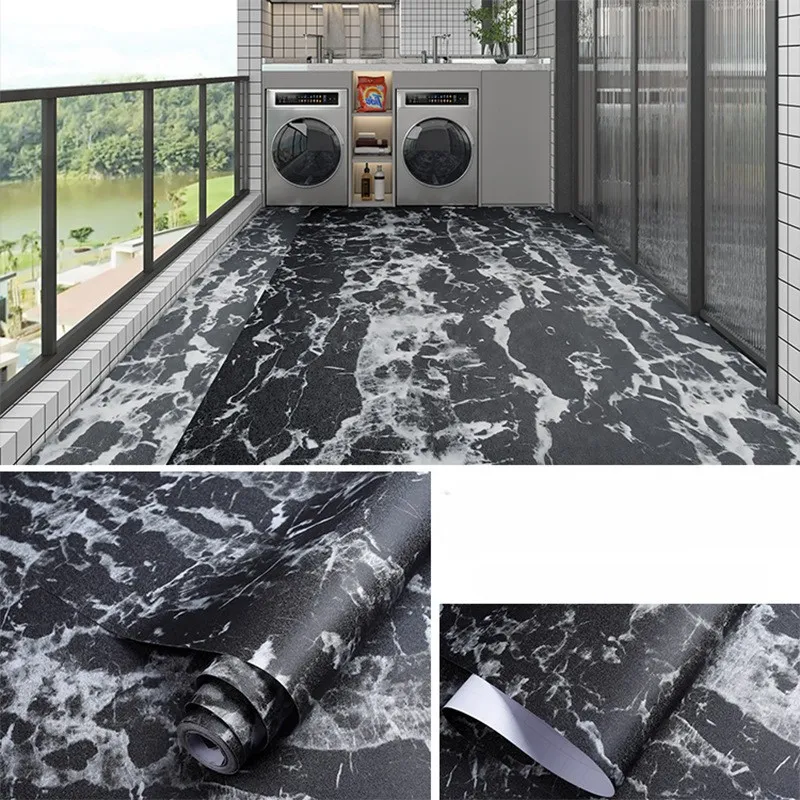
PVC film is widely known for decoration and packaging, but it is also a practical material in many electronics-related scenarios—especially when you need surface protection, insulation support, anti-static performance, and clean finishing. The key is choosing the right PVC film type (calendered, transparent, anti-static, self-adhesive, etc.), verifying compliance (RoHS/REACH), and designing for heat, flame, and chemical exposure. This guide explains where PVC film fits in electronics, what benefits it offers, how to evaluate safety, and what common applications look like in real production.
Key takeaway:
PVC film can be used for electronics when the application is within its temperature and regulatory limits—most often as a protective/functional layer rather than a high-heat structural component.
In electronics supply chains, “PVC film” typically refers to a thin polyvinyl chloride sheet produced by calendering or coating processes and supplied in rolls for lamination, die-cutting, wrapping, or surface finishing. Compared with engineering plastics used inside high-temperature assemblies, PVC film is more commonly selected for outer surfaces, temporary protection, and functional finishes (anti-static, decorative textures, moisture resistance).
For many electronics and appliance manufacturers, the most relevant category is calendered film, because it supports consistent thickness control, stable surface quality, and scalable converting processes like printing, slitting, and packaging.
PVC film’s value in electronics comes from how easily it converts in high-volume production while providing stable, “finished” surfaces. It can be printed, textured, laminated, slit, and die-cut with consistent results—making it a reliable option for factories that need speed, repeatability, and predictable costs.
Electronics housings, appliance panels, and decorative trims are prone to scratches during assembly and shipping. PVC film can act as a temporary protection layer or a permanent decorative skin with abrasion resistance and easy-to-clean surfaces. Matte, glossy, and textured finishes help maintain appearance while reducing visible wear.
A major operational advantage is manufacturability: PVC film is widely compatible with printing and lamination lines, and it can be supplied in custom widths and roll formats. In practice, this shortens changeover time, improves yield, and reduces cosmetic defect rates—especially when the supplier controls the full chain (calendering → printing → slitting → packaging).
Many electronics environments need static management to protect sensitive components. Anti-static PVC film can reduce charge buildup on surfaces used for packaging, work-in-process covers, trays, and protective wraps. While it’s not a replacement for full ESD-safe systems, it is a practical layer in ESD-aware workflows.
Tip:
When comparing anti-static films, request surface resistivity targets, aging performance, and any required compliance documentation for your market.
Consumer electronics and home appliances compete heavily on look-and-feel. PVC film supports a wide range of patterns and finishes—metal-like, brushed, silk textures, solid colors, or subtle matte coatings—allowing a premium appearance without expensive metal machining. For example, textured options like 3D silk texture film can be used to enhance grip and reduce fingerprint visibility on non-hot surfaces.
“Safe” in electronics usually means: (1) compliant with chemical restrictions, (2) stable under the product’s operating environment, and (3) suitable for the relevant manufacturing process (adhesion, outgassing, residue, and cleanliness). PVC film can meet these needs if you choose the correct formulation and validate with real-world tests.
For electronics and appliances, compliance is often non-negotiable. Many buyers require documentation showing the material is free of restricted substances (e.g., heavy metals, specified phthalates) and aligns with frameworks such as RoHS and REACH. Supplier quality systems (ISO 9001 / ISO 14001) and third-party test reports reduce risk in audits and customer approvals.
Important:
PVC film is generally not meant for high-heat zones (near heaters, power components, or areas that exceed its service temperature). Always validate with your device’s real operating temperature, airflow, and worst-case conditions.
Electronics use-cases are usually safe when PVC film stays on external housings or low-heat interior surfaces. For parts needing flame ratings (e.g., UL classifications), consult your compliance team early; PVC formulations vary widely.
PVC is naturally a good electrical insulator, which can be beneficial for separation and protection. However, insulation can also lead to static charge accumulation. If the application involves ESD-sensitive assembly, use anti-static grades and define whether you need “anti-static” (reduced static build-up) or “dissipative” performance with measured resistivity ranges.
In electronics, adhesive selection can matter as much as the film. If you use self-adhesive PVC film for temporary protection, test for clean peel, residue, and compatibility with cleaning agents (IPA, mild detergents) and surface coatings (painted ABS/PC, anodized aluminum, glass). The best approach is to confirm with pilot builds and aging tests (heat + humidity + time).
PVC film appears across consumer electronics, home appliances, and accessory packaging—primarily where manufacturers need stable aesthetics, protection, or functional finishes. Below are the most common categories, with practical selection notes.
Glossy plastics and coated metals scratch easily during assembly and transport. PVC protective film can be applied to:
appliance panels, display surrounds, control fascia, and decor trims.
Key checks include peel strength, low residue, and stable adhesion after storage.
PVC decorative films offer wood, metal, solid colors, and modern textures to upgrade product appearance. This is common in:
refrigerators, air purifiers, small kitchen appliances, speaker housings, and smart home devices—where a consistent finish is required at scale. If your design needs a minimal, modern look, consider consistent options like solid color film solutions (also used in interiors) as a reference for color stability and surface consistency.
Anti-static PVC film can be used as protective covers for work-in-process items, separators, or wraps for non-critical packaging layers where visibility and flexibility help. For ESD-controlled lines, confirm the film’s performance over time (humidity sensitivity and aging) and ensure it does not interfere with other ESD measures (grounding, mats, wrist straps).
PVC film may serve as an insulating barrier or separation layer where temperatures remain moderate and where regulatory requirements allow. Examples include internal compartment separation in appliances, cable management zones away from heat sources, and protective liners in low-stress areas.
Many “electronics projects” include the environment around devices: shopfitting, display counters, kiosks, smart home panels, and cable routing enclosures. Decorative and protective PVC films can help keep these spaces clean, durable, and easy to maintain. For example, edge finishing materials like PVC skirting film are often used in interiors where devices are installed, helping protect edges from moisture and impacts.
Selecting PVC film for electronics is less about “one best film” and more about matching properties to your use-case. Use the checklist below to align engineering needs, converting methods, and compliance constraints.
Selection checklist
To reduce trial-and-error, request clarity on thickness tolerance, surface energy/printability, haze/clarity targets (for transparent films), adhesion data (if self-adhesive), and anti-static metrics. If your product is exported, ensure the documentation pack is ready for audits and customer approval workflows.
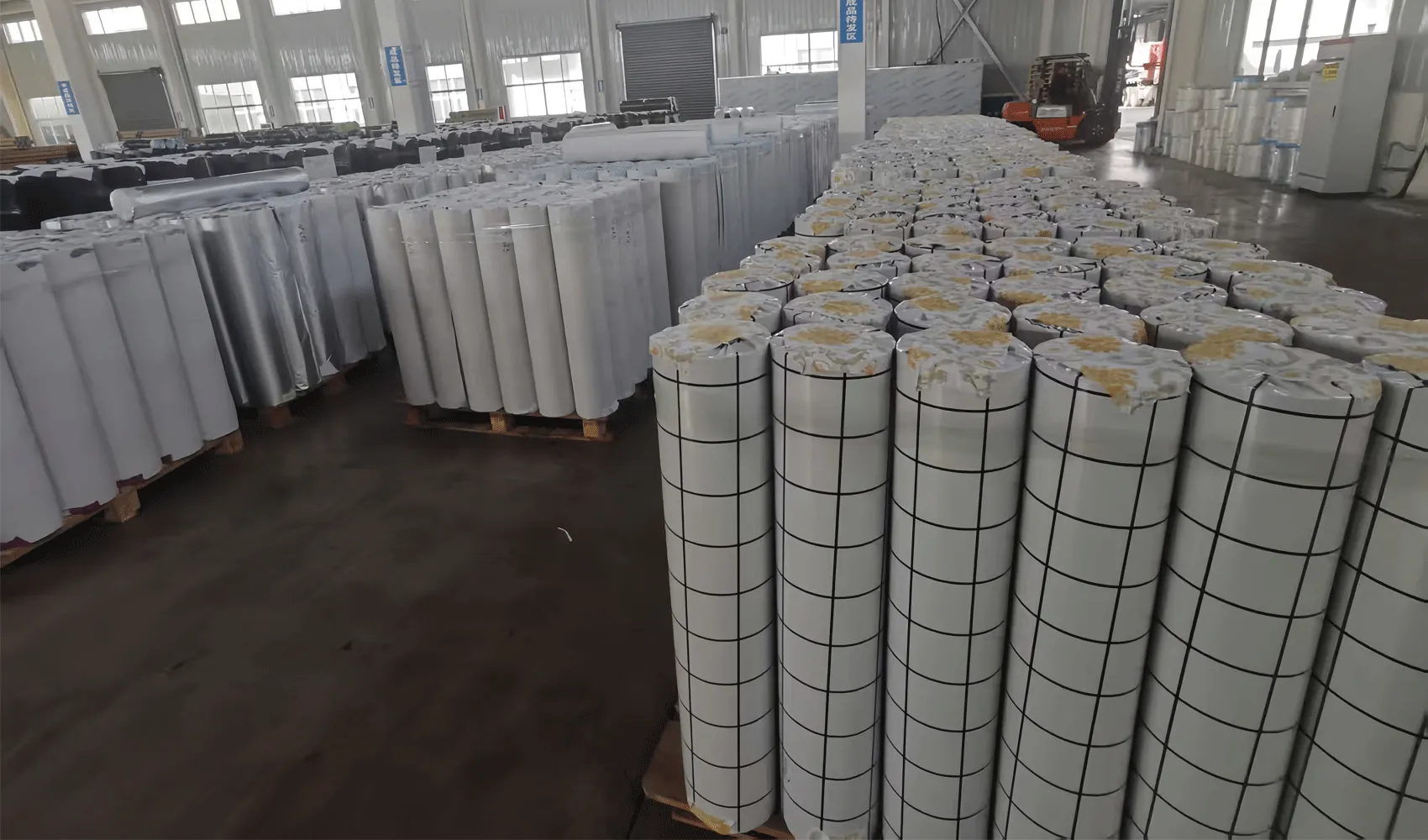
Electronics factories prioritize consistency. Film defects that are acceptable in rough industrial packaging may be rejected on consumer-facing housings. The most reliable PVC film supply usually comes from manufacturers that control calendering, printing, slitting, and roll packaging in-house—so thickness, gloss, and surface cleanliness stay stable across batches.
For electronics, clean packaging matters: dust control, edge protection, and clear labeling reduce line stoppages. Rolls are typically protected with PE film or kraft wrapping and labeled by specification to support traceability and quick line setup.
PVC film is versatile, but it’s not universal. Consider alternative materials if your application requires:
high continuous temperatures, strict flame ratings, exposure to aggressive solvents, or ultra-low outgassing requirements. In those cases, engineering films or specialty laminates may be more appropriate.
Rule of thumb:
Use PVC film where it excels—appearance, protection, converting efficiency, and controlled functional finishes—and avoid placing it where heat, flame compliance, or harsh chemistry dominate the risk profile.
PVC film can be a strong material choice for electronics and appliances when applied thoughtfully. It offers practical advantages—surface durability, decorative flexibility, optional anti-static performance, and efficient mass production converting. Safety and performance depend on selecting the correct formulation, validating operating conditions (especially temperature), and confirming compliance documentation such as RoHS and REACH. For most manufacturers, PVC film delivers the best value on external surfaces, protective layers, and decorative/functional finishes rather than high-heat internal zones.
Generally, PVC film is more commonly used for surface protection, packaging, or housing finishes rather than direct PCB contact. If PCB contact is needed, validate heat, cleanliness, and any outgassing/residue risks with testing.
Not always. “Anti-static” reduces static generation, but ESD-safe packaging may require specific dissipative or shielding properties. Confirm resistivity targets and the required ESD standard for your workflow.
It depends on the adhesive system, surface coating, and storage/aging conditions. Run peel and residue tests after heat and humidity aging before mass production.
Common requests include RoHS, REACH, ISO quality/environment systems, and third-party test reports where needed. Requirements vary by market and customer.
Many projects start with calendered PVC film for consistent thickness and stable surface quality, then select finishes such as matte, glossy, embossed, or anti-static based on the product’s needs.