Address
304 North Cardinal St.
Dorchester Center, MA 02124
Work Hours
Monday to Friday: 7AM - 7PM
Weekend: 10AM - 5PM
Address
304 North Cardinal St.
Dorchester Center, MA 02124
Work Hours
Monday to Friday: 7AM - 7PM
Weekend: 10AM - 5PM


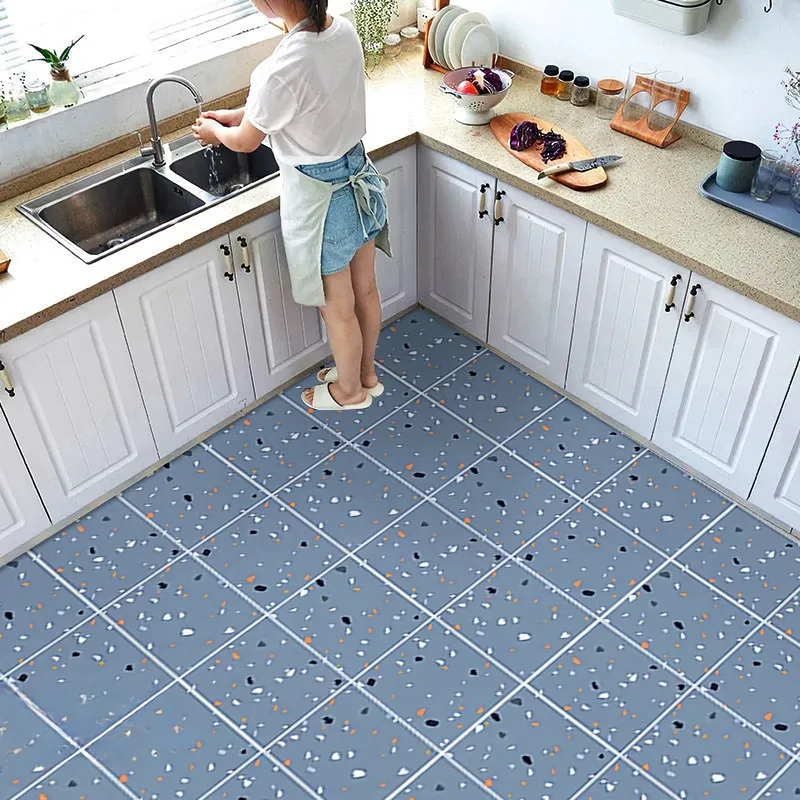
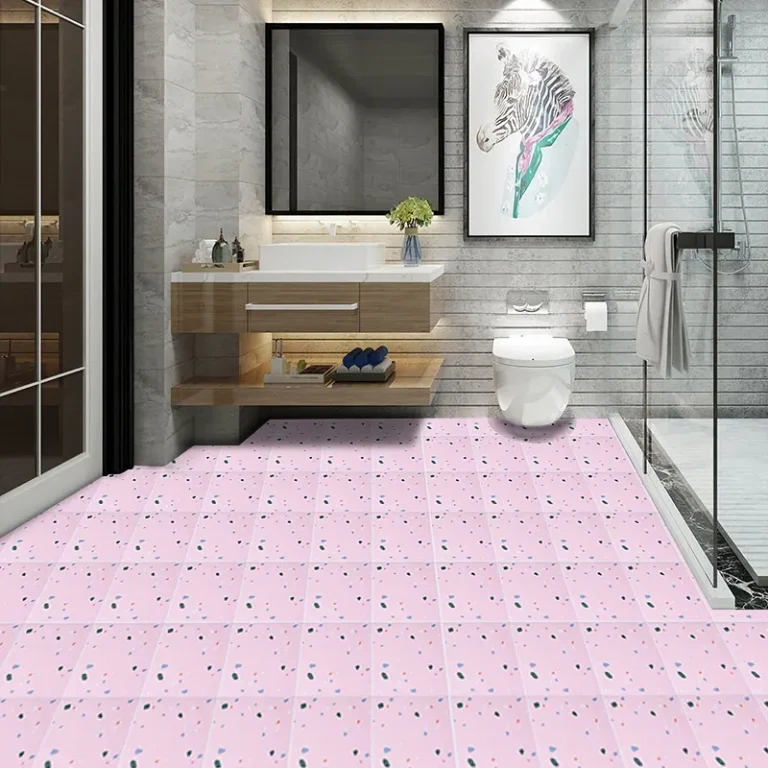
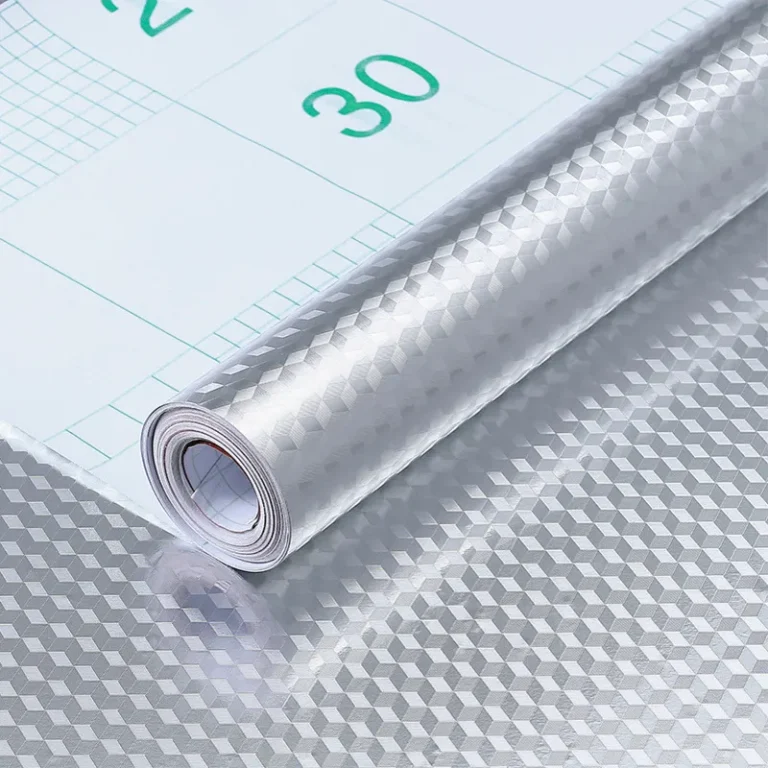
Custom PVC decorative film is one of the fastest, most controllable ways to elevate furniture surfaces, interior doors, and wall panels—without changing your core board materials. With modern calendering, printing, and surface treatments, today’s PVC films can deliver convincing wood, stone, textile, metal, and solid-color looks, while adding practical benefits like easy cleaning, moisture resistance, and consistent color across large batches.
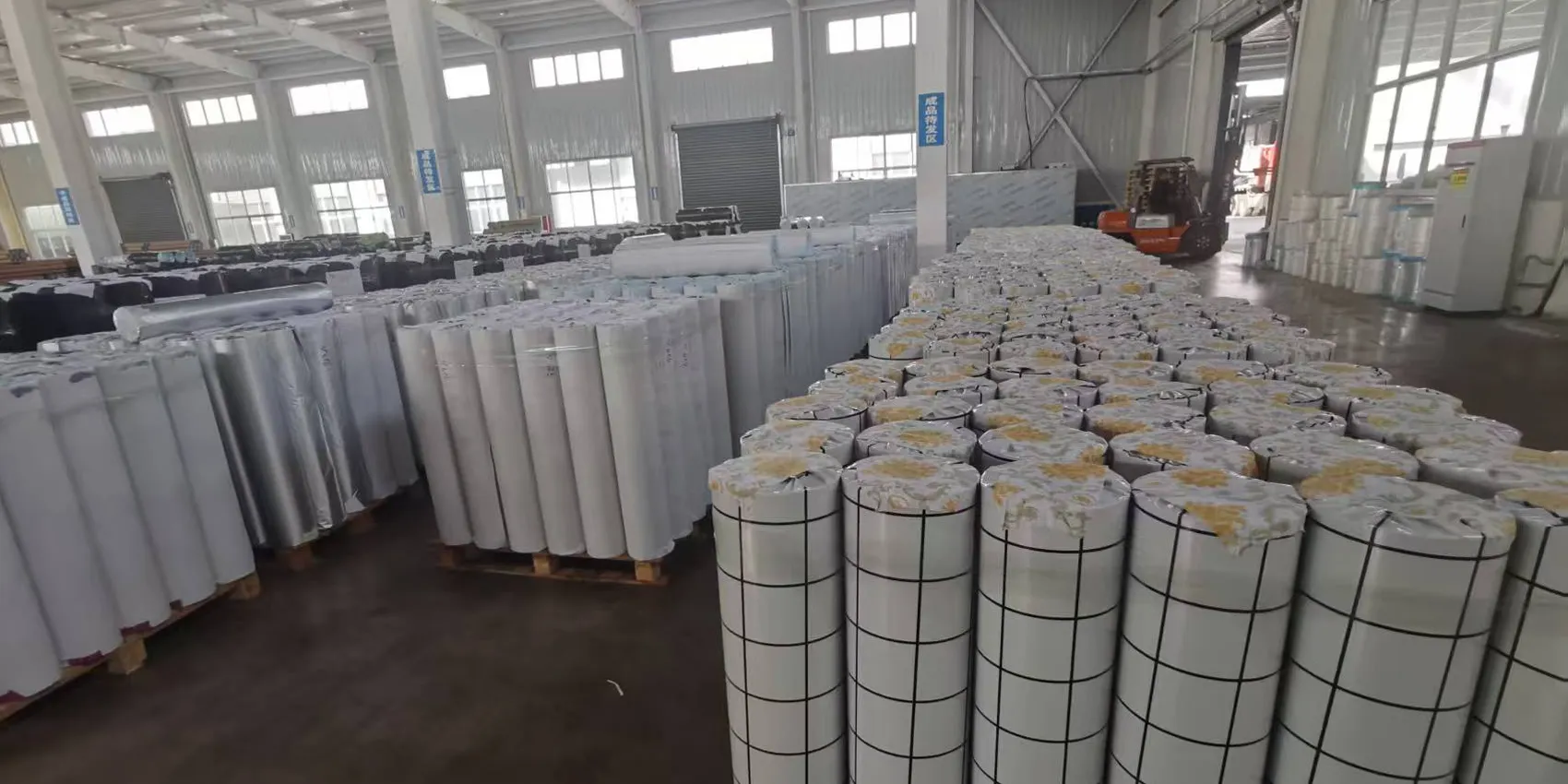
Pulivk Film develops and manufactures a wide range of PVC films—from decorative and calendered film to soft-touch, transparent, anti-static, and self-adhesive options—supported by integrated calendering, printing, and slitting/packaging lines. This end-to-end control helps ensure stable quality, shorter lead times, and cost efficiency for global customers.
“Custom” is not just about choosing a pattern. In furniture factories and interior-fit-out projects, customization usually combines design, size, finish, and performance. The best result is achieved when the film’s texture, gloss, and functional coating are matched to the substrate (MDF, plywood, WPC, SPC, metal, etc.) and the lamination/pressing method.
The film’s visual language should match the interior style and the end-user’s expectations. For example, realistic oak or walnut grains are popular for warm residential cabinetry, while deep matte solids are often chosen for modern office joinery and retail fixtures.
Correct sizing reduces waste, prevents lamination issues, and improves yield in mass production. A practical approach is to begin from your panel size, edge wrapping requirement, and pressing technology, then decide film thickness and roll configuration.
If your project requires stable forming and consistent thickness across wide rolls, consider Calendered Film as the base solution. Calendering supports high output, uniformity, and repeatability—important for large furniture lines and standardized door skins.
Finish determines both appearance and maintenance. A glossy surface can visually enlarge spaces and highlight a clean design language, while matte/super-matte reduces glare and hides minor fingerprints and light scratches.
Glossy: strong color saturation, premium shine; recommended for wardrobes, display cabinetry, and modern door faces.
Matte/Satin: balanced look, practical for high-traffic areas and large wall panels.
Embossed / 3D: tactile realism (wood pores, fabric weave), improved scratch masking.
Soft-touch: smooth, warm hand feel; ideal for furniture that users touch frequently (drawer fronts, vanity units).
PVC decorative film is used wherever you need reliable aesthetics plus surface protection. The key is matching film type and texture to the geometry: flat lamination for panels, and high-elongation or wrapping-grade films for profiles and edges.
Typical uses include kitchen cabinets, office desks, wardrobes, TV units, and hotel casegoods. Choose stable color matching across batches for modular systems, and consider embossed wood pores to improve realism under downlights.
For doors, the surface must stay consistent across multiple rooms and withstand frequent touch. Matte, satin, and fine-emboss textures can reduce visible handling marks. If the door has grooves or curved details, prioritize films designed for forming and wrapping.
PVC film helps create consistent “design surfaces” for commercial interiors, lobbies, corridors, and residential feature walls. For skirting and trims, dedicated film solutions support abrasion resistance and long-term appearance.
PVC Skirting Film
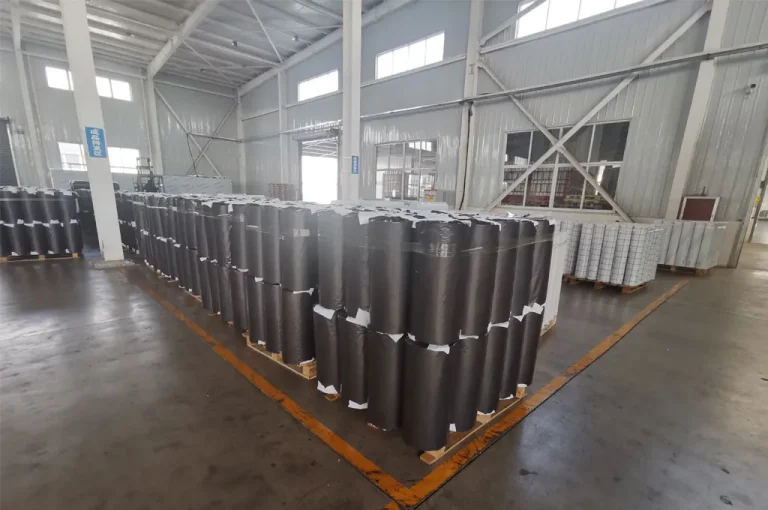
Decorative film performance is not only about design—production stability is what makes the design repeatable across thousands of square meters. A supplier with integrated calendering, printing, and slitting/packaging can better manage thickness stability, print registration, emboss alignment, and roll-to-roll consistency.
Even a perfect film can fail if rolls arrive damaged, telescoped, or contaminated with dust. For export shipments and long storage cycles, each roll should be protected and clearly labeled so your team can quickly verify specifications during receiving.
• Individual roll protection: dust-proof PE wrapping or kraft paper wrapping to keep surfaces clean.
• Specification labels: thickness, width, length, batch info for quick cross-check.
• Export readiness: moisture and damage protection suited for sea freight and multi-stop logistics.
For indoor furniture and wall systems, safety and environmental performance matter. Using eco-friendly, non-toxic inks and controlled formulations helps ensure films remain suitable for interior environments and frequent contact.
A reliable OEM/ODM workflow prevents expensive rework later. The goal is to lock the visual target (color, gloss, emboss) and the processing behavior (forming, bonding) before the first bulk container ships.
For faster coordination on specifications, certifications, samples, and lead time, use the official contact channel:
https://pvcfilmtec.com/contact/
It is used to create decorative and protective surfaces on cabinets, wardrobes, doors, wall panels, trims, and many other interior components, improving appearance and simplifying maintenance.
Yes. OEM/ODM customization typically includes size (thickness/width/roll length), color and pattern, emboss texture, gloss level, and functional coatings such as anti-scratch or anti-fingerprint.
Glossy emphasizes color and reflections, while matte reduces glare and hides handling marks. For high-touch areas (doors, wardrobes), many projects prefer matte or satin for easier daily upkeep.
Send application, substrate, pattern/color reference, finish requirements, thickness/width/roll length, quantity estimate, and any needed compliance requirements. This allows faster matching and accurate pricing.
Global shipping is supported with export-ready packaging. Rolls are typically individually protected (dust-proof wrapping), labeled by specification, and prepared to reduce moisture and transit damage risks.