Address
304 North Cardinal St.
Dorchester Center, MA 02124
Work Hours
Monday to Friday: 7AM - 7PM
Weekend: 10AM - 5PM
Address
304 North Cardinal St.
Dorchester Center, MA 02124
Work Hours
Monday to Friday: 7AM - 7PM
Weekend: 10AM - 5PM


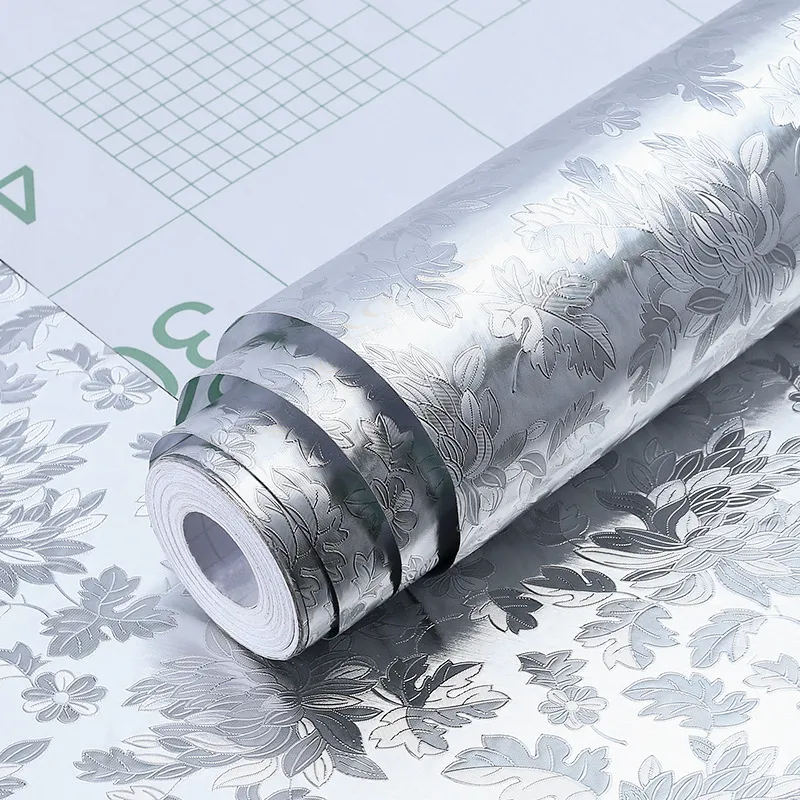
Metallic decorative surfaces are everywhere—cabinet doors, wall panels, elevator lobbies, retail displays, and modern furniture trims. A common question from designers, fabricators, and brand owners is whether PVC film can be used as a metallic decorative film, and how it compares with true metal foils or PET-based metallic laminates.
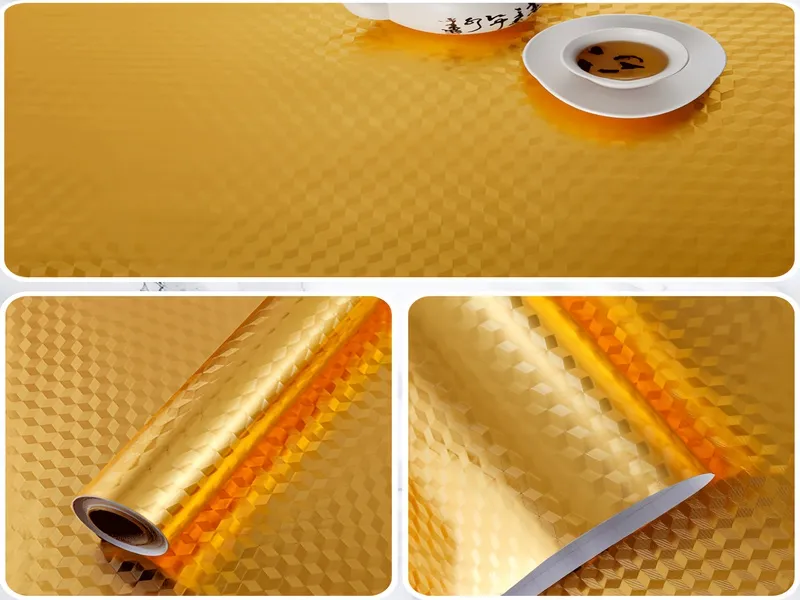
The short answer: yes, PVC can be engineered to create convincing metallic finishes (including brushed, hairline, mirror-like gloss, and textured “metal” effects). But the best choice depends on the application, substrate, wear level, heat exposure, and whether you need “real metal” properties such as conductivity.
✔ Key takeaway:
PVC metallic decorative film is a practical alternative to metal foil for many interior and light-to-medium duty surfaces, offering cost efficiency, process flexibility, and a wide range of textures.
In the decorative surfacing industry, “metallic film” can refer to multiple constructions:
PVC film can be manufactured as metallic-look decorative film using specialized printing, embossing, and surface finishes. In many furniture and interior decoration projects, it serves as a durable and visually convincing substitute for metal foil—especially when paired with the right adhesive system and protective topcoat.
PVC is popular in decorative applications because it can be calendered, printed, embossed, laminated, and slit into custom rolls efficiently—making it easier to scale consistent patterns for mass production.
For an overview of base materials, you can explore calendered PVC film.
★ Visual range
Metallic PVC films can deliver mirror gloss, satin metal, hairline brushed, hammered textures, and artistic metallic patterns—often with better pattern repeat control than real foil.
★ Formability
PVC can be processed with common methods like lamination, wrapping, and vacuum pressing, helping manufacturers cover edges and profiles that are difficult for rigid metal sheets.
★ Cost & lead time
In many decorative projects, metallic PVC film offers lower total cost (materials + processing + scrap) and faster availability than metal foil laminates.
Real metal foil can crease, show handling marks, and require careful oxidation protection. Metallic-look PVC can mimic premium looks while remaining more forgiving in everyday fabrication. When paired with gloss or matte top layers, it can achieve consistent reflectivity across large panels—important for cabinet factories and interior contractors.
The “metal” impression comes from a combination of printing + embossing + gloss control. If your design calls for premium tactile feel (for example, silk-like fine texture that still looks metallic under light), multi-layer decorative films can be engineered similarly to products such as 3D silk texture film—then adapted to metallic visuals.
For interior surfaces, PVC films are often selected because they are easy to wipe clean and handle humidity better than many paper-based decorative laminates. This is particularly helpful for kitchens, hospitality furniture, and retail fixtures.
Tip: If the application is near cooking zones, choose films designed for oil resistance and easy maintenance, such as kitchen anti-oil film, and confirm compatibility with the substrate and adhesive.
A key advantage of PVC decorative films is how easily they can be tailored: thickness, width, roll length, gloss level, texture depth, color tone, and pattern can be adjusted for a brand’s product line. This matters when you need multiple SKUs (wardrobe doors, side panels, skirting, trims) to match under the same lighting conditions.
Metallic PVC decorative films are widely applied in industries that require a modern look without the complexity of metal processing:
🏠 Furniture & cabinetry
Cabinet doors, wardrobe panels, drawer fronts, table trims, display cabinets. Metallic looks work well as accent panels paired with wood grain or matte solids.
🏢 Architectural interiors
Wall panels, partitions, decorative columns, ceiling features—especially in retail and hospitality where visual impact is crucial.
🧰 Skirting & trims
Metallic accents can modernize baseboard areas and transitions. For related solutions, see PVC skirting film.
🛍️ Retail & exhibition
Backdrops, counters, brand corners, product stands—where you want high-end shine while keeping construction lightweight.
| Comparison Point | PVC Metallic Decorative Film | Real Metal Foil Laminate | PET Metallized Film |
|---|---|---|---|
| Look & texture | Very broad options; can simulate brushed/embossed metal well. | Authentic metal depth and sheen; limited by foil handling. | Bright metallic reflectivity; textures depend on coatings/embossing. |
| Formability | Good for wrapping and vacuum pressing when engineered properly. | Can crease; more challenging on tight radii and complex profiles. | Often stable; depends on thickness and coating system. |
| Durability | Good for interior decorative wear; topcoat improves scratch resistance. | Can dent/scratch; may oxidize unless protected. | Good abrasion resistance when coated; stable appearance. |
| Heat tolerance | Moderate; confirm spec for high-heat zones. | Metal layer tolerates heat; adhesive/coating still matters. | Often higher stability than PVC; depends on construction. |
| Cost & scalability | Strong value for mass production; easy customization. | Typically higher cost; more waste risk. | Mid-to-high depending on coatings and performance requirements. |
| “Real metal” properties | Primarily decorative; not intended for conductivity/shielding. | Can provide true metal behavior (conductivity, shielding) if designed. | May offer some shielding when metallization is continuous; varies widely. |
✅ Best-fit scenarios
• Interior furniture panels and doors
• Retail fixtures and brand displays
• Decorative wall and partition surfaces
• Projects needing custom patterns and stable supply
• Fast production with wrapping/lamination processes
⚠️ Consider alternatives when
• The surface faces high heat continuously (near stoves, high-temp equipment)
• You need true metallic conductivity or EMI shielding
• Outdoor UV exposure is long-term without protective system
• Heavy abrasion is expected (industrial worktops, high-traffic public touch points)
Most “failures” in decorative films come from the bonding system, not the visual layer. For wrapping and lamination, ensure the adhesive matches:
Metallic finishes tend to show micro-scratches more than matte wood patterns. If the surface is a high-touch area (handles zone, drawer fronts, hospitality counters), specify a protective topcoat and validate abrasion performance with realistic cleaning routines.
Metal-like materials can look dramatically different under warm vs cool LEDs. For projects that require consistent appearance across rooms or stores, request sample sets in multiple gloss levels (high gloss, satin, matte) and compare under the target lighting.
Thickness affects stability during processing and helps maintain emboss clarity. Emboss depth enhances realism for brushed or hammered looks, while controlled pattern repeat reduces visible seams across large installations.
Metallic decorative films are often most effective as accents, not full-surface coverage. Popular combinations include:
Design note:
A brushed-metal texture can hide fingerprints better than mirror gloss. If your users frequently touch the surface (wardrobes, drawer fronts), consider satin or hairline finishes.
For interior applications, safety and compliance are part of performance. When selecting PVC decorative films for metallic looks, confirm:
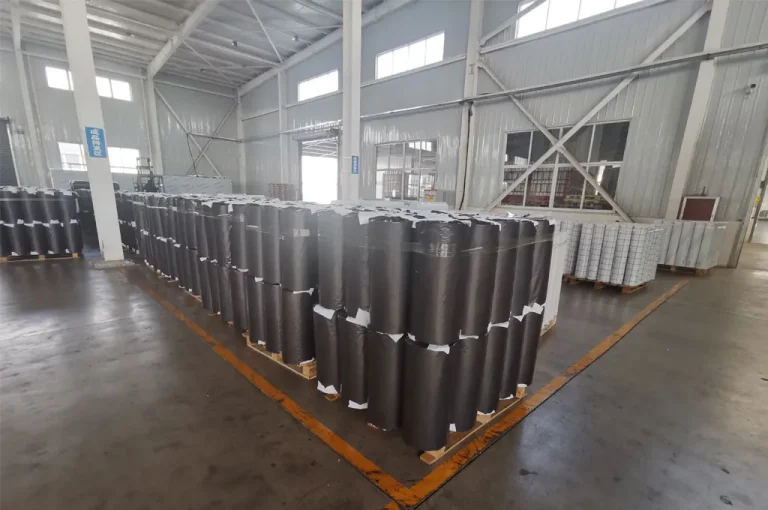
A reliable supplier with full process capability (calendering, printing, slitting, and packing) helps maintain stable delivery and reduce quality variation across production batches.
To get predictable results, define the specification in practical, production-ready terms:
Specification checklist (send to your film supplier)
“Silver” can look like stainless steel, chrome, aluminum satin, or grey metallic depending on emboss depth and gloss. Always approve physical samples under your project lighting.
Brushed/hairline effects are directional. Plan panel orientation and seam positions early to avoid mismatched grain direction across adjacent doors or wall panels.
Many projects are cleaned with alcohol-based solutions or strong detergents. Validate the film’s surface resistance with the exact cleaners and cloth types used on site.
🔎 Quick decision rule:
If your goal is primarily decorative metallic appearance for interior applications, PVC metallic film is often a strong solution. If you need real metal behavior or extreme heat/abrasion tolerance, consider real metal foil or specialty laminates.
Yes. With the right combination of metallic printing, embossing (hairline/brushed), and gloss control, PVC film can closely mimic stainless steel or aluminum for interior decorative use.