Address
304 North Cardinal St.
Dorchester Center, MA 02124
Work Hours
Monday to Friday: 7AM - 7PM
Weekend: 10AM - 5PM
Address
304 North Cardinal St.
Dorchester Center, MA 02124
Work Hours
Monday to Friday: 7AM - 7PM
Weekend: 10AM - 5PM


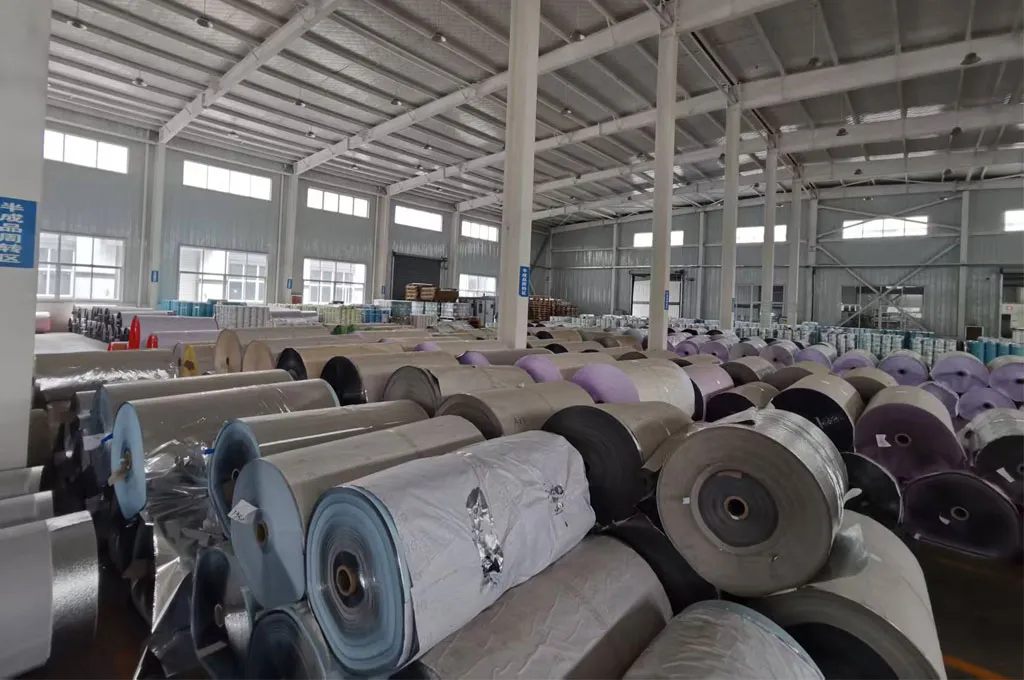
Choosing the right materials for PVC film is not just a purchasing task—it’s a performance decision that affects appearance, durability, compliance, processing efficiency, and total lifecycle cost. Whether you are sourcing film for furniture surfaces, flooring protection, wall decoration, packaging, or functional industrial use, the “best” PVC film material is the one engineered around your environment, substrate, and end-user expectations.
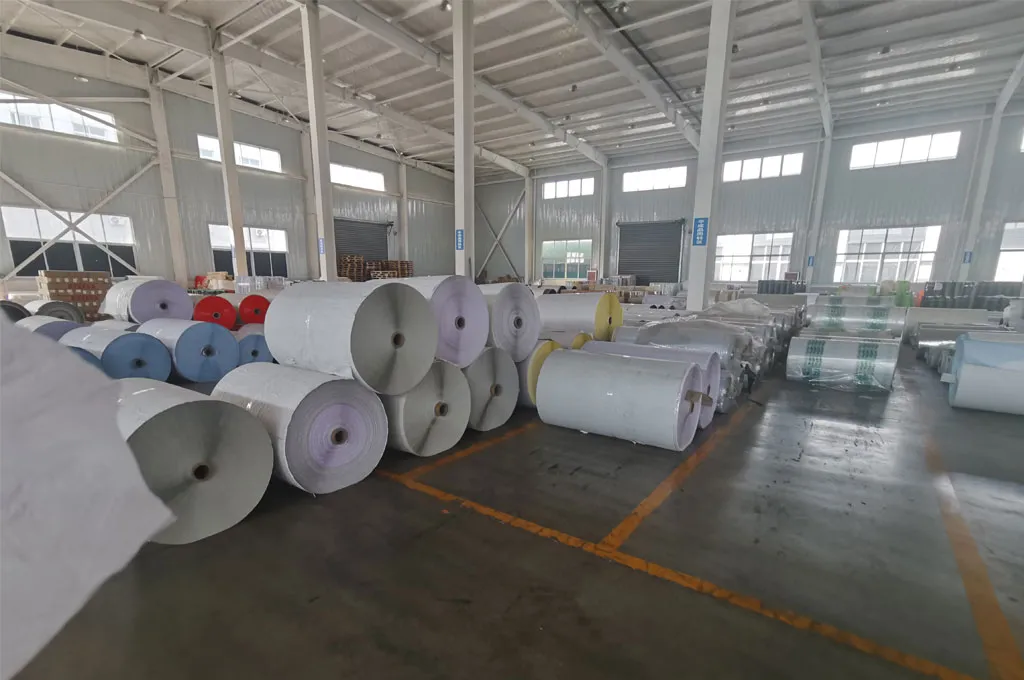
Key takeaway: Start with the application (where and how the film is used), then lock in performance targets (thickness, adhesion, wear, chemical resistance), and finally validate with testing and supplier process controls.
If you’re comparing product categories, explore options on Pulivk’s product page to align film types with your application.
When buyers say “PVC film material,” they often mean the finished film type (wood grain, marble, glossy, matte). In manufacturing terms, material choice includes:
A good selection balances performance and process compatibility—especially if you laminate, vacuum press, wrap profiles, or apply film onto panels and metals.
The environment determines which additives and surface layers you need. For example, kitchen and bathroom applications generally demand stronger resistance to oils, moisture, and frequent cleaning, while commercial spaces demand abrasion resistance and color stability under lighting.
✔ Quick matching guide
Thickness affects feel, opacity, durability, and handling. A thin film may be easier to conform but can be less forgiving during application; a thicker film often improves impact resistance and emboss definition.
When evaluating strength, ask for data on tensile and elongation, tear resistance, and puncture performance—especially for packaging, protective layers, or profile wrapping.
Surface engineering often separates premium films from standard options. You may need:
anti-scratch topcoats for furniture and doors,
anti-fingerprint for matte or soft-touch finishes,
and controlled gloss level to match interior design trends.
Material choice must match the substrate and the process: MDF, plywood, particleboard, metal, glass, plastics, or composites. If the film will be laminated, vacuum pressed, or self-adhered, confirm compatibility with adhesives, primers, and typical operating temperature ranges.
⚠ Common risk: A film that looks perfect on a sample panel can fail in production due to mismatched adhesive chemistry, insufficient surface energy, or heat cycle differences. Always validate with a pilot run.
For interior decoration, home products, and human-contact use cases, compliance is part of “best material.” Confirm whether the film is free of heavy metals and phthalates, and whether it can meet requirements such as ISO systems, REACH, RoHS, and (where applicable) FDA-related expectations for specific use cases.
Request third-party test reports when needed.
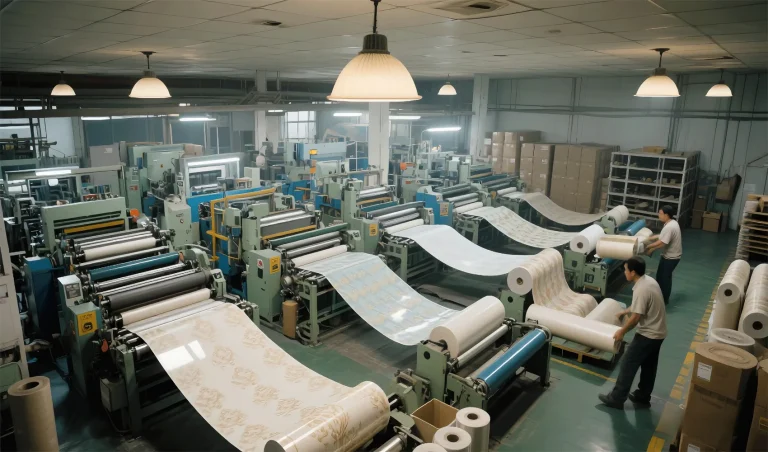
In large projects (furniture lines, hotel refurbishment, retail chains), color and texture consistency across batches is critical. Look for a supplier that controls calendering, printing, and slitting/packaging in-house to reduce variation and shorten lead times.
Learn more about production and QC practices through About Us and support resources in Knowledge.
Calendered PVC film is widely used for decorative and industrial applications because it offers strong thickness uniformity, scalable manufacturing, and reliable surface finishing options (glossy, matte, embossed, printed).
If you need predictable processing and consistent roll-to-roll performance, consider Calendered Film.
Decorative PVC films focus on aesthetics plus durability. Material decisions here include ink system selection, emboss texture depth, and protective topcoat type. Two popular categories:
When choosing patterns, evaluate color fastness, repeat length consistency, and whether the emboss aligns with the print (registered emboss) for higher realism.
Specialty textures change both appearance and user perception. Soft-touch adds a premium hand-feel but may require higher stain resistance and anti-fingerprint performance. 3D embossed or silk-like textures can hide minor surface defects and improve scratch visibility, but must be chosen with the right topcoat to maintain cleanability.
For pronounced texture and design impact, review options like
3D Silk Texture Film.
Functional films typically prioritize clarity, stable haze, surface resistivity (anti-static), or barrier behavior. If the film is used for electronics or clean environments, define targets for dust attraction reduction, static decay, and surface cleanliness.
Self-adhesive PVC film is selected when installation speed and convenience matter—retail graphics, temporary renovation, or quick interior updates. Here, the “best material” depends heavily on adhesive performance: initial tack, repositionability, long-term holding, and clean removal without residue.
Furniture surfaces need a balance of aesthetics and daily durability. For cabinet doors, wardrobes, and tabletops, prioritize scratch resistance, stain resistance, and consistent color/texture across batches.
Wood grain, matte, glossy, cloth grain, and soft-touch films are common, depending on the design language of the brand.
Wall panels, partitions, ceilings, doors, and skirting boards often require films that tolerate cleaning agents and maintain dimensional stability.
For high-visibility areas, the realism of emboss + print alignment matters; for commercial areas, scuff resistance and easy maintenance are key.
Floor-related PVC films face abrasion, impact, and cleaning chemical exposure. Material selection should prioritize wear layer performance, anti-slip possibilities, and resistance to staining.
In renovation and fast-deploy projects, flooring films can help improve aesthetics while controlling maintenance needs.
Appliance panels and electronics packaging often require controlled surface properties: anti-static performance, stable insulation behavior, and good appearance under strong lighting. Ensure your film is engineered for temperature cycles and processing steps such as thermoforming or lamination.
Here, print quality and dimensional stability dominate. If films are applied in temporary campaigns, removal behavior and residue control become part of material selection.
Medical and cleanroom scenarios often emphasize low odor, compliance documentation, and stable performance under disinfection routines. Discuss any anti-bacterial or clean packaging requirements early so the additive and production control plan can be designed accordingly.
Specify indoor/outdoor exposure, contact type (hands, food-adjacent, chemicals), cleaning frequency, expected lifetime, and appearance goals (gloss, texture, pattern).
Decide whether you need a single-layer film or multi-layer composite, embossing, anti-static, anti-fog, or a protective topcoat. For self-adhesive options, define adhesive type and removal requirements.
Test on your real substrate with your real process. Check visual consistency under your lighting, then validate scratch, stain, chemical resistance, and edge behavior after curing/aging.
When a supplier controls the full workflow—calendering, printing, slitting, and packaging—it becomes easier to maintain stable thickness, consistent color, and predictable surface performance. It also enables faster iteration for OEM/ODM projects: adjusting patterns, embossing, widths, roll lengths, and functional treatments with fewer handoffs.
What to ask your supplier before mass production:
Prioritize oil resistance, stain resistance, and an easy-clean topcoat. Confirm adhesion under heat and humidity cycles and test with the cleaners your customers actually use.
Choose a decorative film with strong visual impact (wood, marble, metallic look) plus scratch/scuff resistance. If lighting is intense, verify color stability and gloss uniformity.
Focus on anti-static options, stable clarity/haze, and compatibility with your assembly process. Define surface resistivity targets and validate static decay behavior if needed.
Q1: What is the most important factor when choosing PVC film material?
A: Application environment and process compatibility. Once you confirm where it’s used and how it’s applied, thickness, surface, additives, and compliance become clear.
Q2: How do I choose between glossy, matte, and embossed films?
A: Glossy emphasizes color depth but may show fingerprints and scratches more easily; matte is modern and hides glare; embossed textures help hide minor defects and can improve perceived durability—choose based on lighting, touch frequency, and cleaning needs.
Q3: Do I need special PVC film for kitchens and bathrooms?
A: Often yes. These areas typically require improved moisture resistance, better stain/oil resistance, and stable adhesion under temperature and humidity changes.
Q4: Can PVC films be customized for my brand or production line?
A: Yes. Many manufacturers support OEM/ODM customization for thickness, width, color/pattern, surface treatments (anti-static, anti-fog, food-grade), and packaging.
Q5: What tests should I run before placing a bulk order?
A: At minimum: adhesion on your substrate, scratch/abrasion checks, stain/chemical wipe tests using your cleaners, heat/humidity cycling, and visual inspection under your lighting for color and gloss consistency.