Address
304 North Cardinal St.
Dorchester Center, MA 02124
Work Hours
Monday to Friday: 7AM - 7PM
Weekend: 10AM - 5PM
Address
304 North Cardinal St.
Dorchester Center, MA 02124
Work Hours
Monday to Friday: 7AM - 7PM
Weekend: 10AM - 5PM


Choosing the right PVC film manufacturer is not just a price decision—it directly impacts your product appearance, durability, compliance, and delivery stability. Whether you source PVC film for furniture wrapping, wall panels, doors, flooring, electronics protection, advertising graphics, or medical packaging, the best supplier is the one that can consistently match your performance targets while keeping risk low across every shipment.
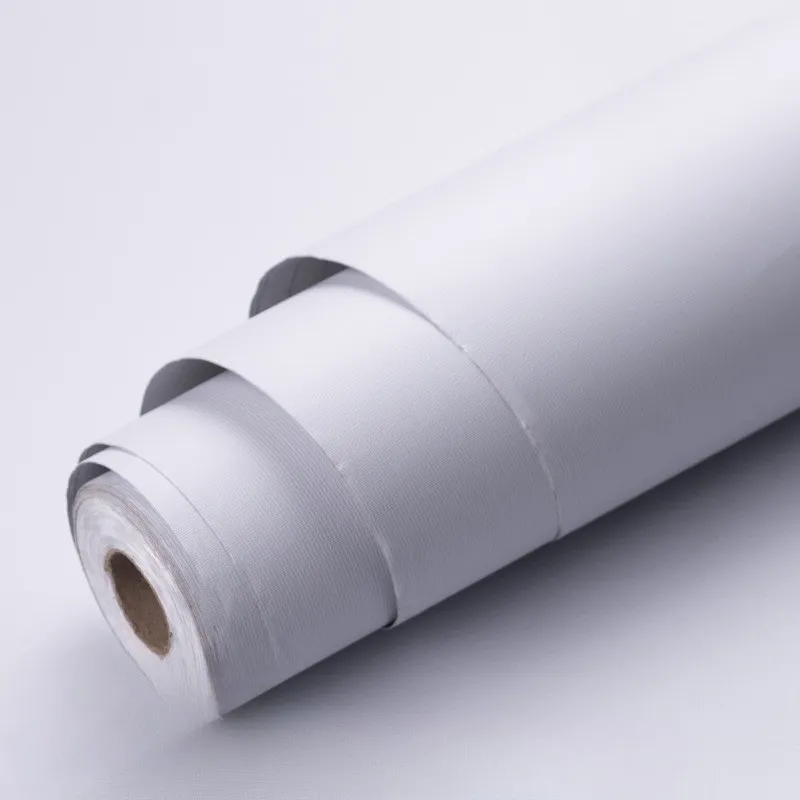
This guide explains what top recommended PVC film manufacturers typically do differently, which specifications matter most, and how to qualify a supplier for your exact application. You’ll also find practical checklists, common pitfalls, and a short FAQ at the end.
Key takeaway: A “top” PVC film manufacturer is defined by process control, repeatable QC, material compliance, and fast customization—not by marketing claims.
✔ If your supplier can show traceable batches, stable lead times, and verified certifications, you’re already ahead of most buyers.
When buyers recommend a PVC film supplier, they usually refer to consistent outcomes over time: film that laminates cleanly, prints evenly, stays dimensionally stable, and arrives within the promised window. The strongest manufacturers typically share several capabilities:
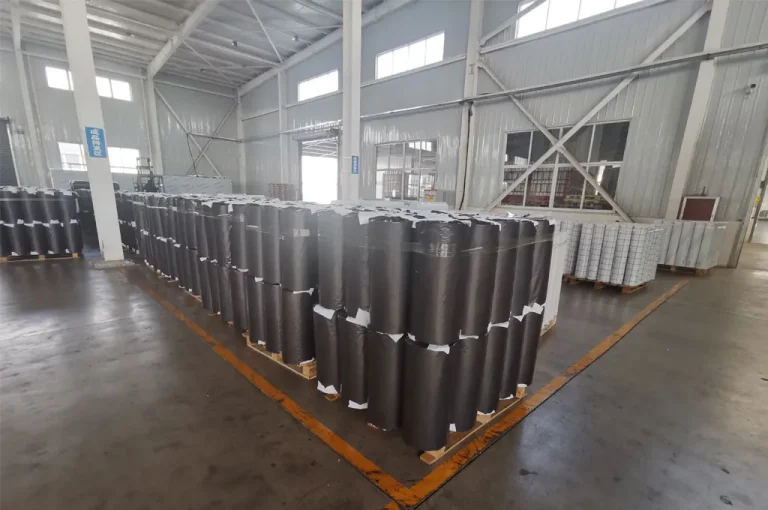
Manufacturers with in-house calendering, printing, and slitting/packaging can control thickness, gloss, emboss depth, ink adhesion, winding tension, and final roll protection—reducing quality variation between batches.
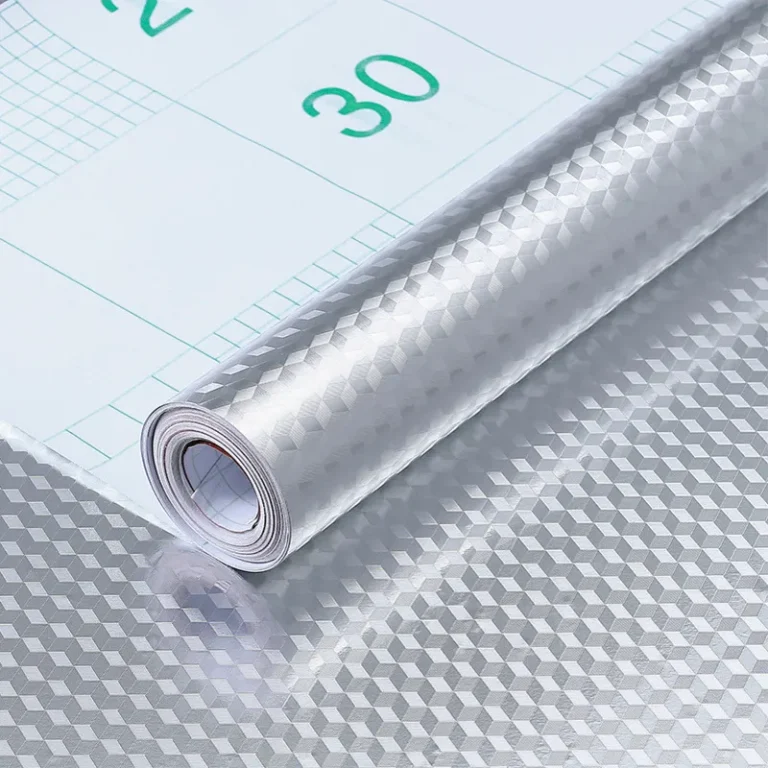
Strong suppliers cover multiple segments such as calendered PVC film, decorative film (wood/marble/solid color), functional film (anti-static, anti-fog), soft-touch, transparent, self-adhesive, and laminated multi-layer structures—so you can source the right film instead of forcing a compromise.
Recommended manufacturers can quickly provide test reports and compliance statements (commonly ISO, REACH, RoHS, and for specific uses, FDA-related requirements). They also maintain batch traceability and standard inspection records for thickness, tensile strength, elongation, shrinkage, adhesion, and optical properties.
Before you compare suppliers, define the application environment. “PVC film” can mean drastically different formulations and surface requirements depending on where it will be used.
If your product spans multiple lines (for example, decorative film for cabinetry plus protective film for electronics), prioritize a manufacturer that supports a broader portfolio and can keep technical specs consistent across different film types.
To separate truly capable suppliers from trading-style vendors, ask questions that require production-level answers. A top manufacturer should respond with specific ranges, tolerances, and testing methods—not vague assurances.
Two PVC films can look identical on a sample roll but behave very differently during lamination, thermoforming, or long-term use. Evaluate suppliers with performance metrics that match your process.
Thickness stability affects lamination temperature windows, emboss visibility, and final surface feel. Ask for a thickness map or inspection standard per roll and confirm whether the supplier can maintain repeatable winding tension to prevent telescoping or wrinkles.
Decorative buyers should verify gloss level tolerance, emboss depth repeatability, and scratch resistance. If you’re sourcing premium finishes (for example, textile-like or silk textures), confirm the emboss cylinder control and printing alignment.
In real projects, the most expensive failures come from delayed issues: edge shrink on panels, smell complaints in interiors, or plasticizer migration affecting adhesives. Ask what additives are used and request accelerated aging or heat resistance test results that fit your market expectations.
When assessing “top recommended” suppliers, it helps to benchmark against a manufacturer with full-process capability. Pulivk Film focuses on PVC film R&D and production, covering a wide range of products such as PVC calendered film, decorative film, floor film, soft-touch film, and transparent film—serving furniture, construction, electronics, advertising, medical, and home industries.
A complete workflow—calendering, printing, and slitting/packaging—supports tighter control over quality and delivery. It also enables flexible customization (OEM/ODM) while reducing reliance on subcontractors that can introduce variability.
Use a structured qualification process to avoid common sourcing traps (great-looking samples, unstable mass production). The steps below work well for both first-time buyers and teams switching suppliers to improve cost or performance.
Many buyers overpay for features they don’t need—or under-spec the film and pay later through rejects. Below are common product categories and when they make sense.
If you want reliable thickness control and consistent roll supply, calendered film is a foundational option for many decorative and industrial uses.
Explore product reference:
Calendered Film
For cabinets, doors, and wall panels, visual realism depends on print resolution, emboss matching, gloss calibration, and batch-to-batch color control.
Popular references:
Wood Grain Film
|
Marble Film
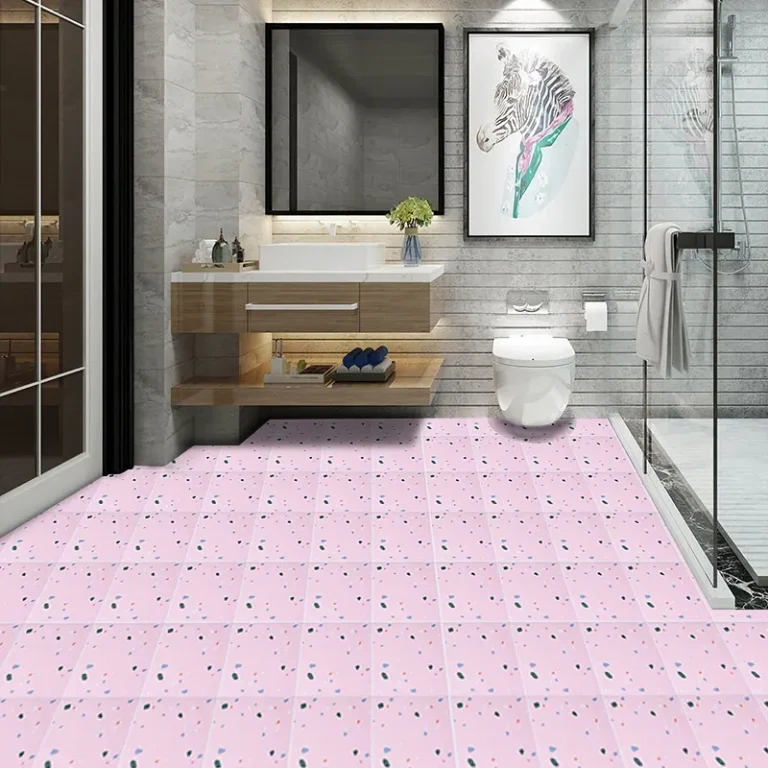
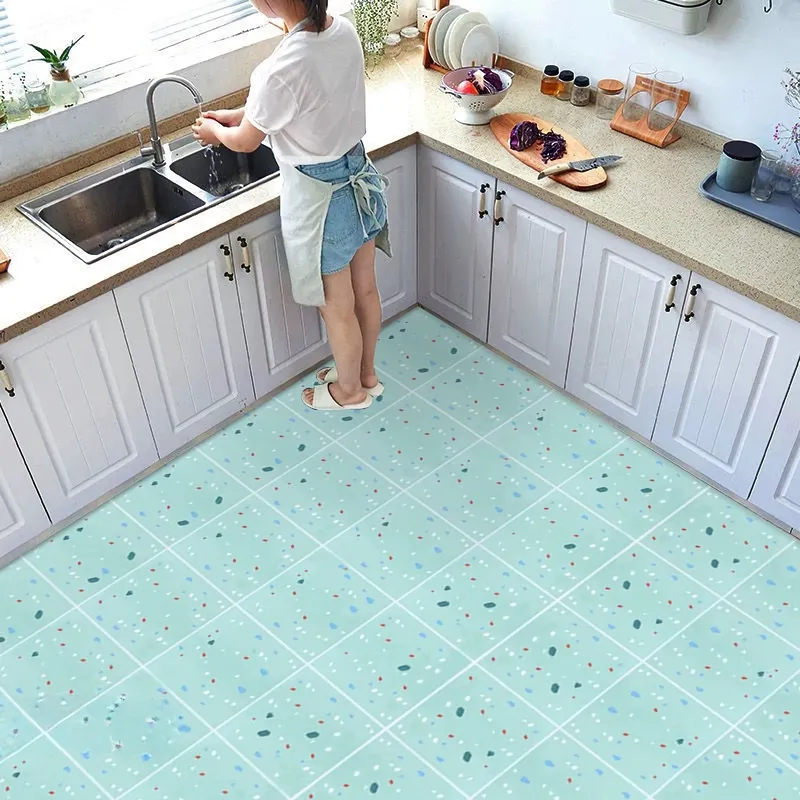
Flooring applications often require better abrasion performance, stable emboss, and dependable dimensional behavior under temperature changes and cleaning chemicals.
Reference option:
Floor Film
Customization is where strong manufacturers outperform average ones. OEM/ODM support should cover not only color and pattern, but also thickness, width, roll length, surface effects, functional coatings, and packaging design. To avoid “endless sample loops,” align on a clear approval path.
Compliance is not only for regulated markets; it also protects your brand and reduces customer complaints. Many professional buyers require materials to be free of heavy metals and certain plasticizers, and they want documentation readiness for audits.
Ask for copies (or at least numbers and validity dates) of quality/environment management systems and product compliance statements. A capable supplier should be able to support common requirements such as ISO 9001, ISO 14001, REACH, RoHS, and for specific applications, FDA-related documentation.
Also confirm whether inks are eco-friendly and non-toxic for indoor decoration and human-contact scenarios, and whether the supplier can provide third-party test reports on request.
Delivery delays can cost more than a price difference. Recommended manufacturers usually invest in production planning and inventory management to keep lead times stable—even when you need special slitting, multiple SKUs, or export packing.
PVC film is used for decorative and functional surfaces across furniture, doors, wall panels, flooring, electronics protection, advertising displays, packaging, and some medical/cleanroom applications—depending on the formulation and surface treatment.
Yes. Many manufacturers offer OEM/ODM customization for thickness, width, roll size, color/pattern, gloss/matte, emboss texture, and functional coatings such as anti-static or anti-fog.
Common requests include ISO 9001/14001 and product compliance such as REACH and RoHS. For special markets or applications, ask whether FDA-related requirements can be supported and request third-party test reports when needed.
MOQ and lead time depend on film type, thickness/width, printing or emboss requirements, and how much customization is involved. Many suppliers support trial orders, while mass production lead time typically scales with volume and complexity.