Address
304 North Cardinal St.
Dorchester Center, MA 02124
Work Hours
Monday to Friday: 7AM - 7PM
Weekend: 10AM - 5PM
Address
304 North Cardinal St.
Dorchester Center, MA 02124
Work Hours
Monday to Friday: 7AM - 7PM
Weekend: 10AM - 5PM


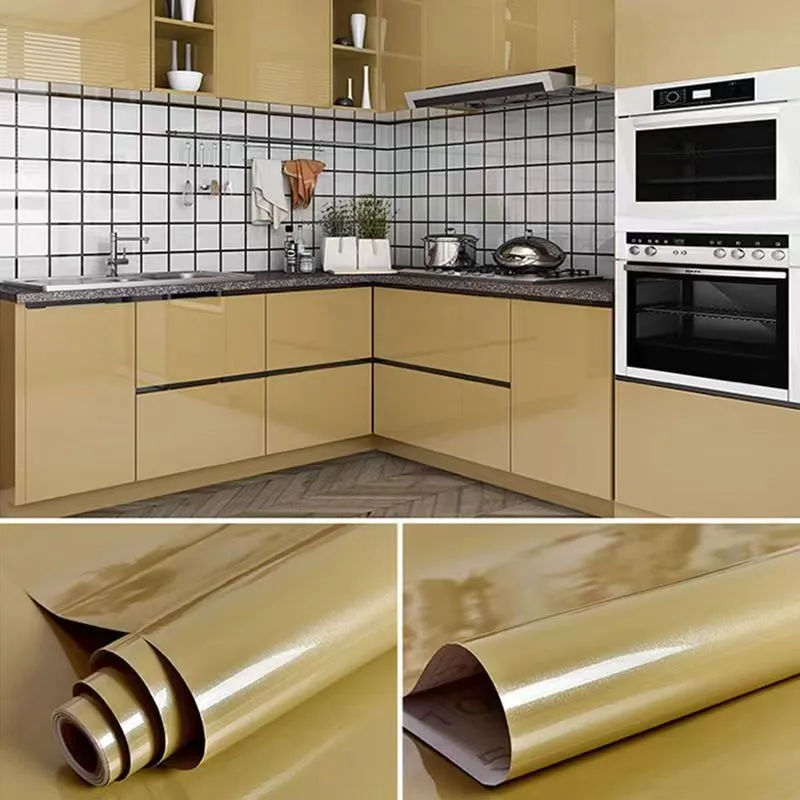
Yes—PVC film can be customized in color, and modern production makes it practical for everything from furniture wraps and wall panels to flooring, skirting, electronics protection, and advertising graphics. The key is choosing the right coloring route (solid color, printed pattern, pearlescent, metallic effects), confirming how the film will be used (indoor/outdoor, contact surface, adhesion needs), and aligning expectations with process limits and MOQ.
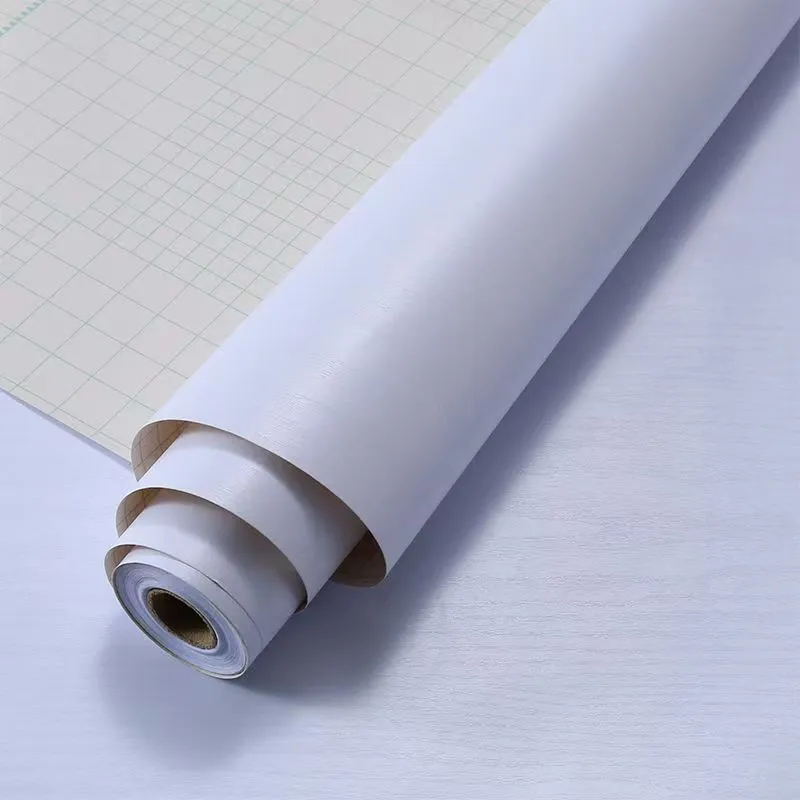
● Quick takeaway:
Solid-color PVC films are typically colored in the base compound (masterbatch/paste) for consistency, while wood/marble/texture effects often rely on printing + embossing. MOQ depends on color complexity, thickness/width, surface, and whether new cylinders/plates are needed.
Explore product categories for reference:
Calendered Film,
Wood Grain Film,
Marble Film,
Floor Film,
Solid Color Wallpaper.
In PVC film manufacturing, “custom color” can describe several different outcomes. Knowing which one you need avoids mismatches in cost, lead time, and performance.
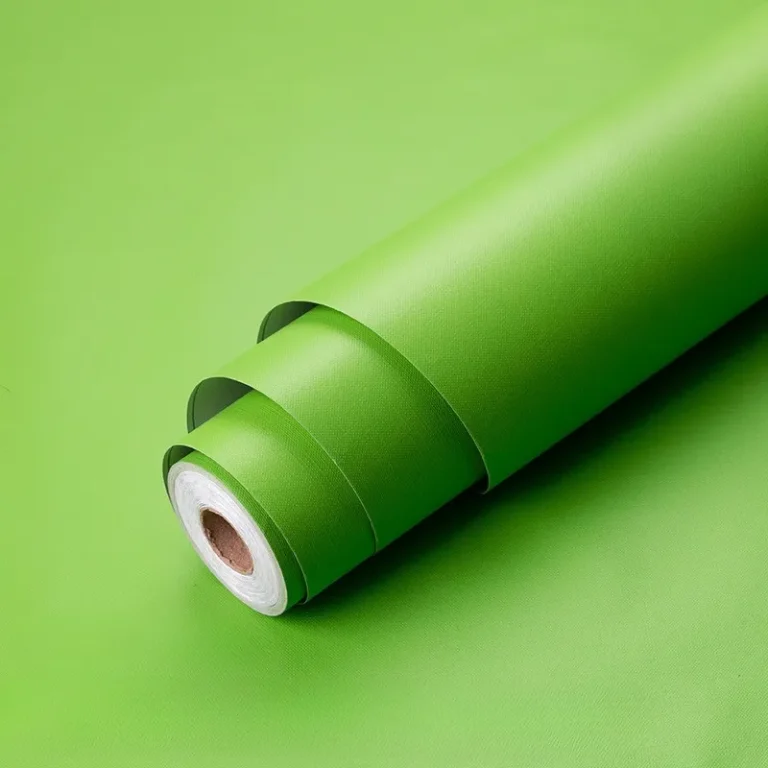
The color is blended into the PVC compound so the film looks consistent across the roll. This is ideal for solid-color decorative film, cabinet doors, wall panels, skirting, and general wrapping where stable color is critical.
Best for: color uniformity, high production stability, large surface areas, and repeat orders.
The base film may be white/transparent/colored, then printed to create wood, marble, textile, brushed metal, or custom graphics. Printing can be combined with embossing for realistic texture.
Best for: patterns, brand visuals, decorative effects, and matching interior design trends.
Some “colors” are actually optical effects: pearlescent shimmer, metallic luster, deep matte, high gloss, or soft-touch coating. These finishes can change perceived shade under different lighting.
Best for: premium furniture surfaces, consumer electronics accents, and retail display materials.
PVC film color customization is not just “pick a Pantone.” A good specification includes the target color, the visual finish, and the functional layer requirements. Below are the most common choices buyers make.
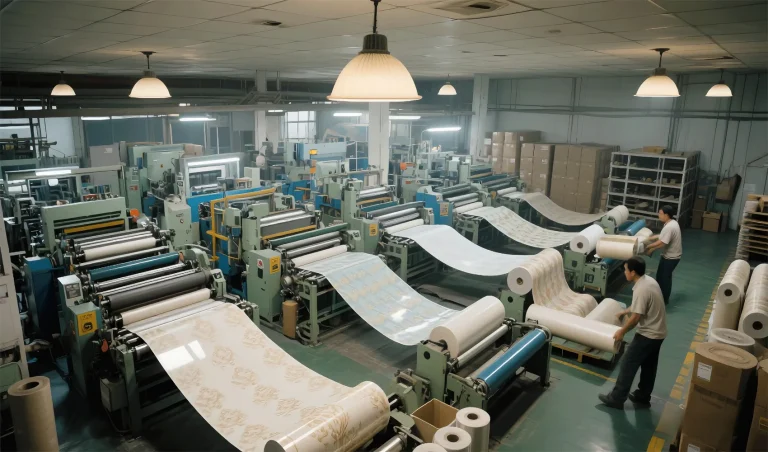
Different processes lead to different results in color stability, surface durability, and MOQ. Pulivk Film operates integrated lines (calendering, printing, slitting, packaging), which helps control shade consistency from raw materials to finished rolls.
Pigments are mixed into the PVC formulation before forming the film. This typically delivers excellent batch-to-batch uniformity for solid colors, and it’s efficient for long runs. It also reduces the risk of surface color wear because the color is present through the film layer (depending on structure).
● Color consistency tip:
If you need strict matching, provide a physical color standard (chip/sample piece) and define viewing conditions (e.g., D65 light). Screen-based colors can shift significantly.
● Performance note:
For applications like flooring or high-traffic surfaces, confirm wear layer/lamination needs so the color remains stable over time.
Printing is used when you want wood grain, marble, textile looks, or custom graphics. It allows multi-color depth and repeatable patterns, but it can involve setup items (like cylinders) and requires careful QC for registration, dot gain, and ink adhesion.
Pulivk Film uses eco-friendly, non-toxic inks and can provide films suitable for interior decoration and human contact scenarios based on compliance needs.
Embossing changes how light reflects off the film, which can make the same pigment look lighter or darker. Texture also affects perceived quality—especially for furniture, doors, and architectural panels where “real material” feel matters.
If you need properties like anti-static for electronics packaging, anti-fog for certain transparent uses, or other functional coatings, these layers can slightly change gloss and color appearance. Always evaluate color after all layers are applied, not just on the base film.
MOQ isn’t one fixed number for PVC film. It changes based on how much setup is needed, how unique the formulation is, and what production line parameters must be stabilized.
Pulivk Film supports small trial orders in many cases, then scales to mass production once color and performance are confirmed. For an accurate MOQ, it’s best to provide: application, target finish, thickness, width, roll length, adhesive needs (if any), and a color standard/sample.
Color matching is part technical and part communication. The workflow below reduces back-and-forth and prevents “approved sample, wrong mass production” outcomes.
Even with a correct color formula, the final appearance can vary if the finish, thickness, or substrate changes. Below are issues buyers often encounter and how to avoid them.
● Metamerism (lighting shift):
A color may match in the factory but shift under showroom LEDs or daylight. Always approve under your real lighting.
● Gloss changes perceived color:
Higher gloss typically appears darker/deeper. If color is critical, specify both shade and gloss level.
● Substrate influence:
A slightly translucent film will look different on MDF vs metal vs colored boards. Test on the final substrate.
● Batch consistency:
For repeat orders, keep a “golden sample,” record key specs, and request consistent raw material/ink control.
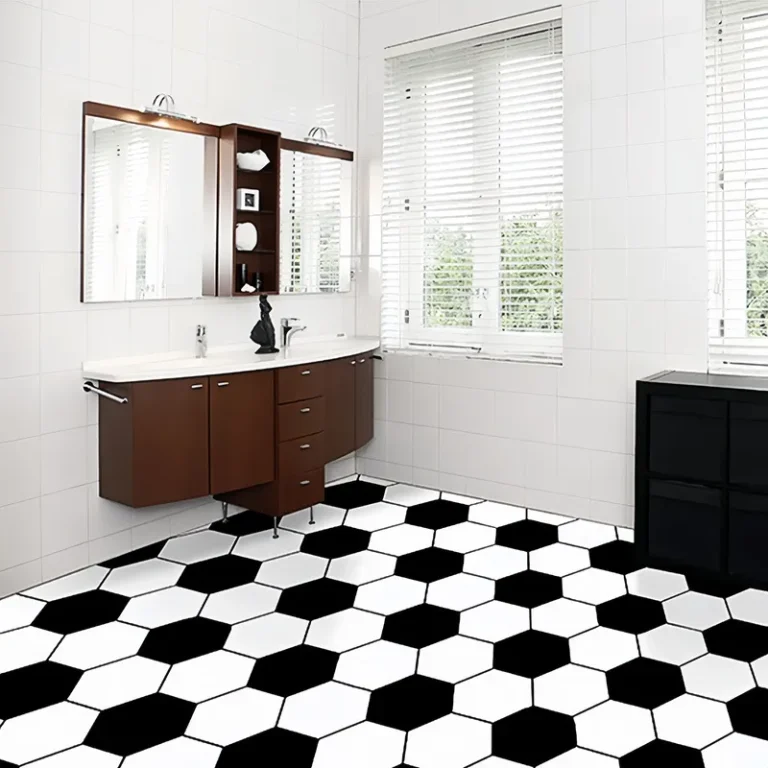
Different industries care about different aspects of color: décor prefers harmony and texture realism; electronics prefer cleanliness and functional properties; packaging may prioritize transparency and stability.
To quote a custom-color PVC film accurately, suppliers need more than “blue film.” Sending complete information reduces sampling cycles and avoids hidden costs.
If you want to reach the team directly, use the official contact page:
https://pvcfilmtec.com/contact/
For many buyers, “custom color” must also meet compliance and durability targets. Pulivk Film emphasizes strict QC from raw materials to finished rolls, with batch traceability and tests for thickness, strength, adhesion, and optical appearance.
Usually yes, but “exact” depends on finish (matte/gloss), thickness, and substrate. The most reliable method is matching to a physical color chip/sample and approving under agreed lighting.
MOQ varies by film type, thickness/width, surface finish, and whether printing tools are needed. Many suppliers can support trial orders before scaling to mass production; share your specs for an exact MOQ.
Not always. Gloss changes light reflection, so the same formula can appear deeper or lighter. If color is critical, specify both shade and gloss level.
Lead time depends on the complexity (solid vs printed pattern), the number of sample rounds, and production schedule. Sharing a clear spec sheet and a physical standard typically speeds up approval.
Many PVC films can be produced to meet requirements such as REACH/RoHS and other standards, using non-toxic inks and controlled materials. Confirm your target market and application so the correct compliant option is selected.