Address
304 North Cardinal St.
Dorchester Center, MA 02124
Work Hours
Monday to Friday: 7AM - 7PM
Weekend: 10AM - 5PM
Address
304 North Cardinal St.
Dorchester Center, MA 02124
Work Hours
Monday to Friday: 7AM - 7PM
Weekend: 10AM - 5PM


Lightboxes are built to make graphics look bright, clean, and consistent—whether they’re used in retail windows, airports, exhibitions, menu boards, real-estate showrooms, or in-store promotions. A common question in signage production is: can PVC film be used for lightboxes? The answer is “yes” in some scenarios, but it depends heavily on the film structure, thickness, surface finish, printing method, and the lighting environment.
In this guide, you’ll learn when PVC film makes sense for lightbox applications, where it tends to underperform, how to choose the right specification, and what alternatives often deliver better optical results for backlit displays. The goal is to help you minimize rework (banding, hotspots, wrinkles, yellowing) and maximize the visual impact of your lightbox.
A lightbox is not just “a poster with a lamp behind it.” Backlighting magnifies every defect in the substrate and print. Before discussing PVC film, it helps to clarify the core requirements of any lightbox-facing material:
● Uniform light diffusion: prevents bright “hotspots” over LEDs and dark bands between modules.
● High transmittance + controlled opacity: keeps the image vivid while hiding internal components.
● Dimensional stability: reduces curling, sagging, or waves under heat.
● Print receptivity: ink adhesion, color density, and consistent dot gain for backlit viewing.
● Long-term aging resistance: limited yellowing, minimal plasticizer migration, and stable surface over time.
Yes—PVC film can be used for lightboxes when it is engineered for signage optics (diffusion and consistency) and matched with the right lighting and mounting method. In practical terms, this typically means:
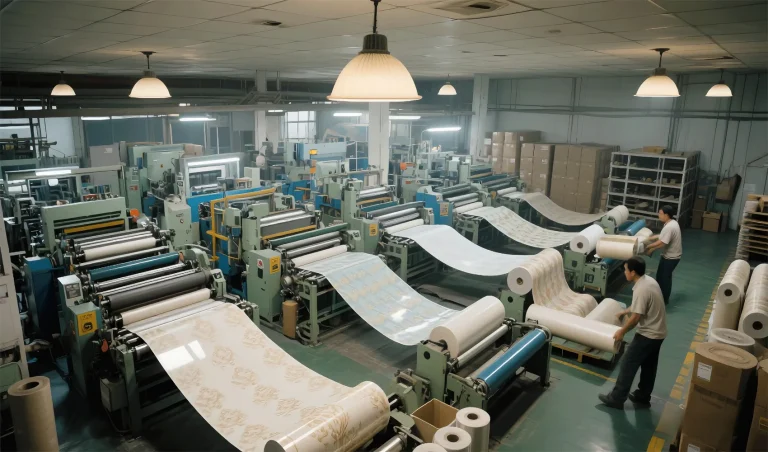
Many manufacturers offer calendered PVC film families used across advertising and display applications. If you’re exploring the base material category, you can reference Calendered Film to understand typical PVC film structures and processing options.
PVC film is widely produced, making it attractive for high-volume campaigns, seasonal promotions, and multi-store rollouts. With stable supply and flexible OEM specifications (width, thickness, finish), it can be optimized for different lightbox sizes and replacement cycles.
Properly coated or treated PVC film can accept UV, eco-solvent, latex, or screen inks with strong adhesion. For backlit graphics, achieving dense blacks and clean gradients is crucial; PVC surfaces can be tuned for ink laydown and drying behavior to improve consistency.
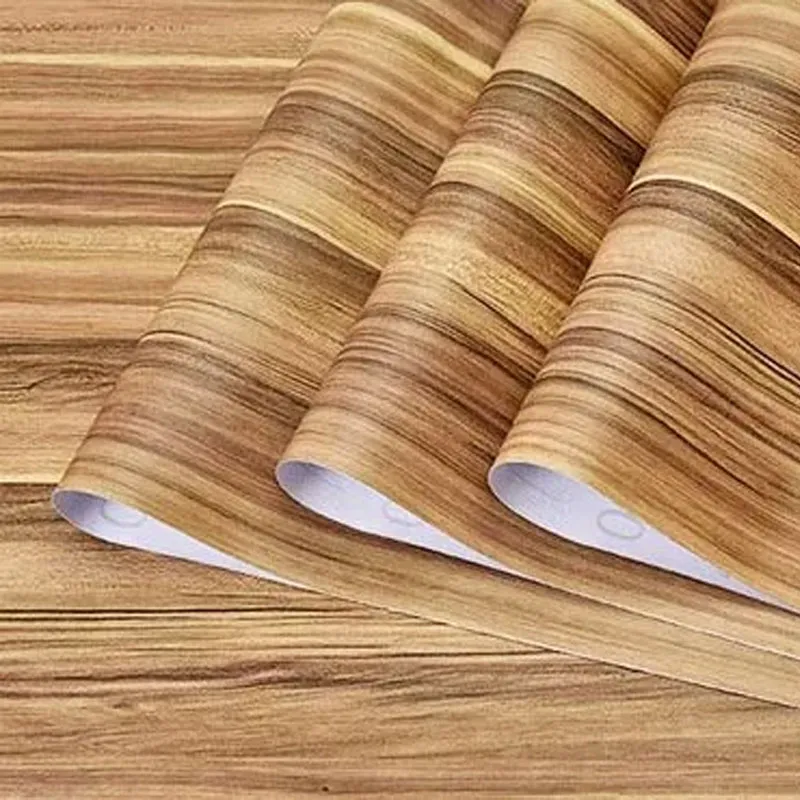
Glossy surfaces can increase perceived contrast, while matte finishes reduce reflections in bright retail environments. Specialty textures can create premium effects for branded lightboxes—though texture must be chosen carefully to avoid visible artifacts under backlighting.
Tip (●): If you want a decorative, premium tactile look for non-critical backlit areas (e.g., brand frames, side panels, or non-illuminated sections), textured options like 3D Silk Texture Film can be used creatively—just avoid using heavy textures as the main illuminated face unless optical uniformity is verified.
If a PVC film lacks sufficient diffusion—or if the lightbox has minimal distance between LEDs and the graphic—you may see bright points, stripes, or uneven brightness. This is especially common with thin films paired with high-intensity LED modules.
Lightboxes generate heat. Over time, heat can cause slight shrinkage, curling, or waves—more visible when the film is not tensioned properly or when it’s installed in large formats. PVC composition (plasticizer system) and thickness selection matter a lot here.
Continuous illumination accelerates material aging. Lower-grade PVC may show yellowing or haze changes that shift brand colors. For premium retail identities, this can create a noticeable mismatch across stores over time.
Many PVC films are optimized for decoration (furniture wraps, wall coverings, protective layers). These may look fine in ambient light but can reveal micro-embossing patterns, coating non-uniformity, or inconsistent thickness when backlit. The result: visible mottling, banding, or “cloudiness.”
⚠ Key takeaway: PVC film can work, but “general-purpose PVC” is the fastest path to uneven light and complaints.
Always request a backlit test under the same LED pitch, brightness, and viewing distance as your final installation.
For lightbox faces, you want controlled diffusion that softens LED points while maintaining brightness. Too transparent: hotspots. Too opaque: dull graphics and higher power consumption.
Thicker films generally improve handling and flatness, but they can also reduce light transmission if the formulation isn’t optimized. For snap frames and tension systems, stiffness can help reduce edge ripples—yet too stiff can make installation harder on curved or compact frames.
Matte surfaces reduce reflections under strong store lighting. Glossy surfaces can “pop” but may show glare in malls, airports, or shopfront windows. Texture should be verified under backlight to ensure the pattern doesn’t become visible as a repeating shadow or micro-banding.
Commercial spaces may require specific safety documentation. If your lightboxes are installed in public venues, clarify whether your project needs REACH/RoHS alignment, ISO-managed production, or additional flame-retardant specifications depending on the market and venue rules.
If your priority is the cleanest backlit appearance with the least risk of artifacts, consider these alternatives. Each option is used in signage depending on budget, replacement frequency, and performance demands.
PET films are known for dimensional stability and can perform well in heat-prone environments. They often maintain flatter presentation over time, making them popular for premium lightbox faces and long-term installations.
Silicone edge graphic (SEG) fabric systems provide a modern, seamless look and can reduce glare. Fabric also tends to hide minor frame imperfections better than film. However, color management, stretch behavior, and printer capability become more critical.
For permanent signage, rigid panels can deliver excellent flatness and durability. They’re heavier and more costly to ship and fabricate, but often outperform flexible films in high-traffic, long-term deployments.
● Decision shortcut: If the lightbox is high brightness + close LED pitch + long display cycle, PET or rigid panels are often safer. If it’s short-term promotions with controlled lighting and frequent swaps, PVC may be cost-effective.
For broader material selection and applications beyond signage, you can also browse the main catalog at Product.
When graphics change frequently (new arrivals, holiday sales, limited-time offers), PVC film can be a practical choice—especially if you standardize sizes and keep a stable print profile for consistent output.
For trade shows, weight and cost matter. If you’re using modular lightboxes that will be installed and dismantled repeatedly, ensure the PVC has good tear resistance and that the mounting method won’t create edge stress that leads to cracking or white-stress marks.
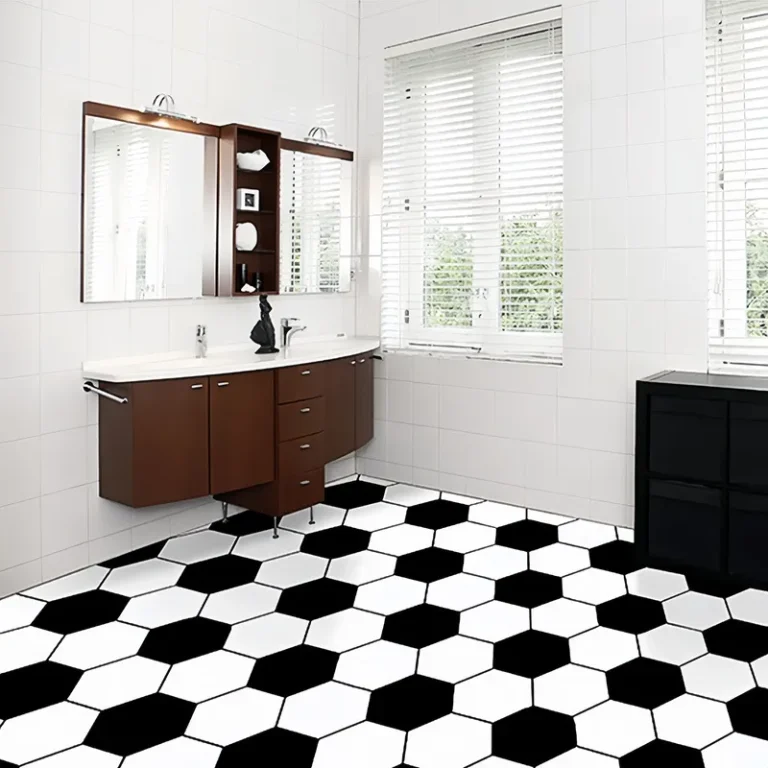
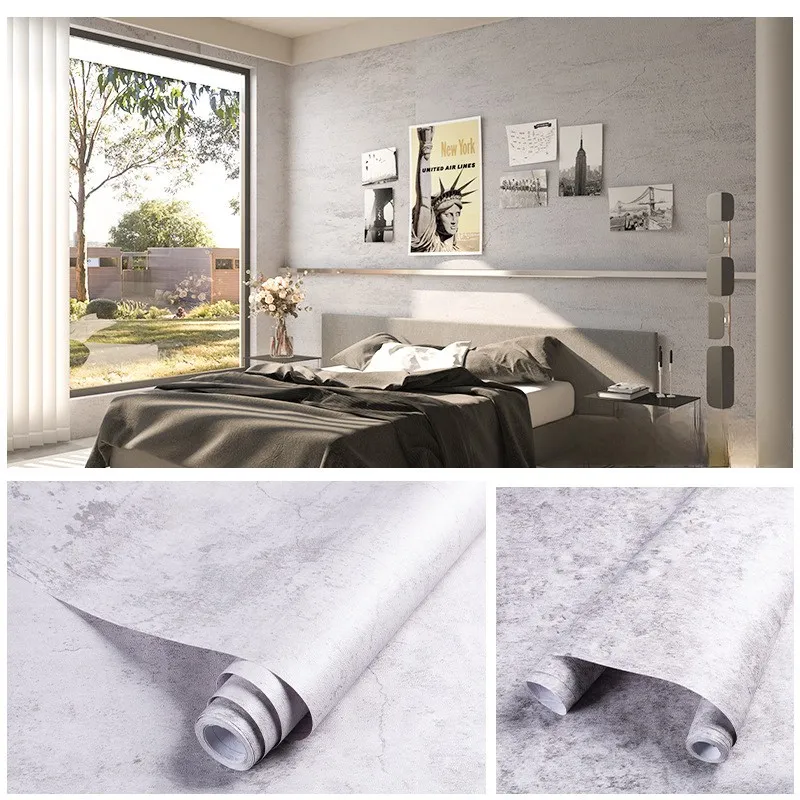
Some projects use illumination behind decorative surfaces—feature walls, counters, or brand frames. In these cases, decorative PVC (wood grain, marble, solid color) can be used to achieve a specific interior style, provided the lighting is designed to minimize hotspots.
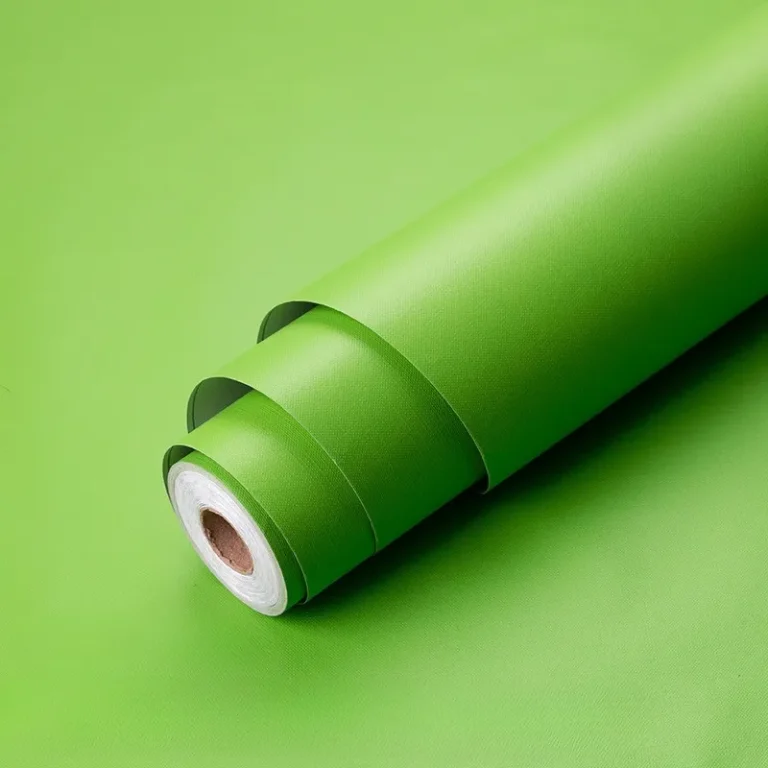
For example, if a brand wants a clean minimal background, Solid color wallpaper style PVC surfaces can work well for non-critical illuminated décor areas—just validate diffusion and uniformity if it’s directly backlit.
A small lab sample can look perfect on a table and still fail in a real lightbox. Use the checklist below to evaluate PVC film for backlit signage with fewer surprises.
● Uniformity test: mount the printed film in the actual frame and turn lights to full brightness in a dark room.
● Hotspot scan: step back to typical viewing distance; then check from 1–2 meters for LED point patterns.
● Color shift check: compare the graphic with lights on vs off; adjust profiles for backlit viewing.
● Heat soak: run the lightbox 6–12 hours and inspect for waviness, curl, or edge lifting.
● Cleaning & scuffing: rub test with typical cleaning agents; ensure inks and surface finish stay intact.
Many “material failures” are actually installation issues. Uneven clamping, improper trimming, or inconsistent tension can create waves that become obvious once the lights turn on. Follow a repeatable installation sequence and standardize tension settings across stores.
Backlighting highlights contamination. Use clean gloves, keep the work surface dust-free, and avoid trapping debris between the film and diffuser. Even tiny particles can show as dark specks when illuminated.
If the lightbox is engineered with insufficient diffusion distance, no film can fully eliminate hotspots. When possible, upgrade the diffuser layer, increase depth, or adjust LED pitch rather than forcing the face material to “fix” lighting design.
When sourcing PVC film for lightboxes, you’ll get better results if you treat it as an optical component, not just a printable sheet. Ask for:
If you need samples, MOQs, compliance documentation, or OEM/ODM customization discussions, the fastest route is typically a direct inquiry through the supplier’s contact channel such as Contact.
PVC film can be used for lightboxes, and it can be a practical choice for cost-sensitive or frequently updated graphics—provided the film is engineered for diffusion and stability, and the lightbox lighting design supports uniform illumination. Its weaknesses become most visible in premium, long-term, high-brightness installations where hotspots, waviness, and aging risks are harder to accept.
If you prioritize maximum uniformity with minimal risk, PET backlit film, SEG fabric, or rigid faceplates are often better alternatives. The best approach is always the same: test the exact film + ink + lightbox combination before committing to a large rollout.
Choose PVC film with backlit diffusion intent (controlled haze and consistent thickness), plus a surface compatible with your printing method. Avoid purely decorative films for the illuminated face unless verified by testing.
Hotspots are usually caused by insufficient diffusion and/or LEDs too close to the face. Material choice helps, but lightbox depth, diffuser layers, and LED spacing are equally important.
Not automatically. Thicker film can improve flatness, but it may reduce brightness if transmittance isn’t optimized. The right balance depends on your lightbox brightness and the viewing environment.
Use even tension, consistent clamping, clean handling, and run a heat-soak test. If the lightbox runs hot, consider a more dimensionally stable alternative like PET backlit film or a rigid face.
Switch when you need premium uniformity, long-term color stability, or you’re dealing with high-brightness LEDs and tight spacing that makes hotspots hard to hide.