Address
304 North Cardinal St.
Dorchester Center, MA 02124
Work Hours
Monday to Friday: 7AM - 7PM
Weekend: 10AM - 5PM
Address
304 North Cardinal St.
Dorchester Center, MA 02124
Work Hours
Monday to Friday: 7AM - 7PM
Weekend: 10AM - 5PM


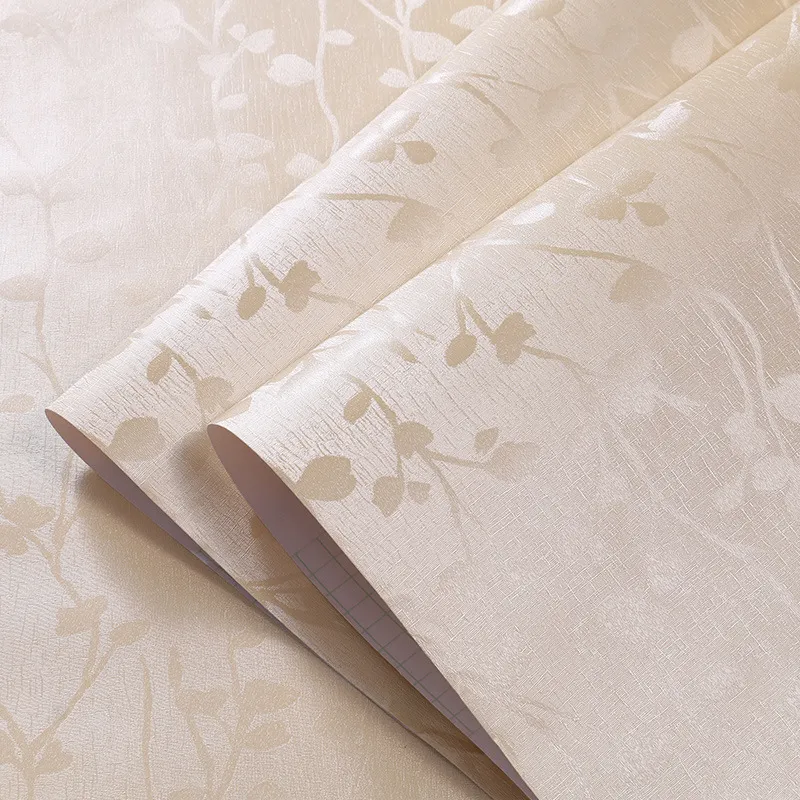
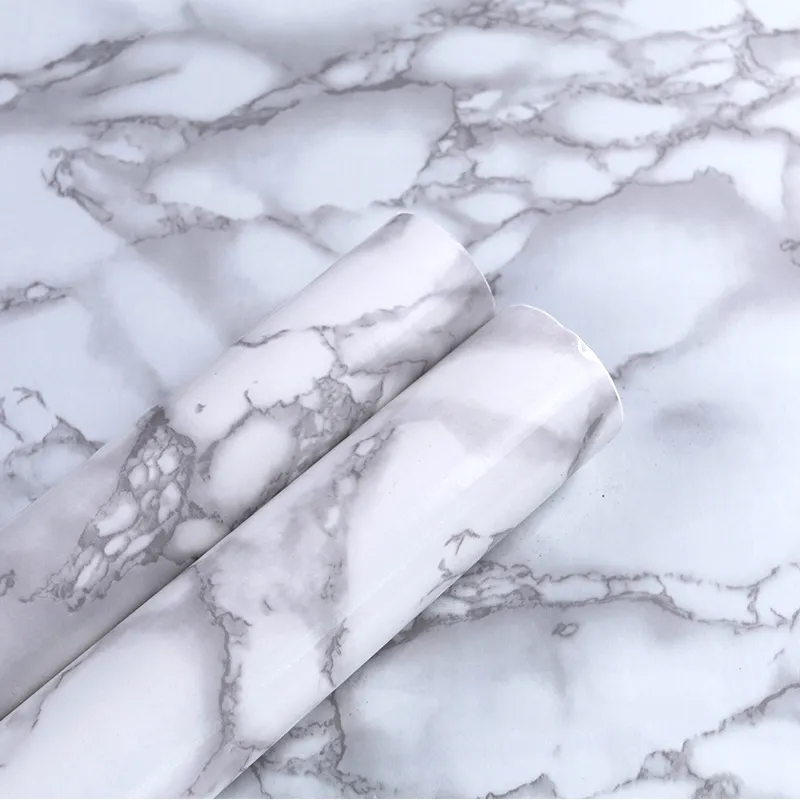
PVC film is everywhere in modern interiors and manufacturing—from cabinet wraps and wall panels to flooring protection, advertising displays, and clean packaging. Because it’s thin, flexible, and often decorative, the same qualities that make PVC film attractive can also make it vulnerable to scratches, chemical staining, edge lifting, or surface haze if it’s cleaned or stored incorrectly. This guide explains practical, field-tested ways to maintain PVC film through correct cleaning, storage, and handling—so rolls and finished surfaces stay clear, glossy (or matte), and dimensionally stable for longer.
Quick orientation
Before adjusting routines, it helps to identify why PVC film fails. The most common issues are not “material defects”—they’re preventable problems caused by daily maintenance or logistics.
Key damage triggers to watch
Start with the gentlest method and increase strength only when needed. In most cases, a neutral cleaner and soft cloth are enough. Always test any new cleaner on a hidden corner or a spare sample first.
Best for: furniture wraps, wall coverings, cabinet doors, skirting, and decorative panels.
Tip (✓ for mobile-friendly routines)
If the surface is visibly dusty, never start with a wet wipe. Dust + moisture can behave like fine sandpaper and dull glossy PVC film over time.
Different finishes show wear differently, so cleaning technique matters.
PVC film used in kitchens (cabinet wraps, panels, splash areas) often faces oil mist and frequent touching. The goal is to lift grease without attacking the film or adhesive edges.
⚠ Avoid acetone, lacquer thinner, MEK, strong bleach, abrasive powder cleansers, and rough sponges. These are common causes of whitening, softening, and permanent gloss loss on PVC film.
Self-adhesive films are convenient, but the adhesive layer and edge sealing are sensitive to repeated soaking and aggressive scrubbing.
Storage is where PVC film often loses value silently: blocking, telescoping rolls, edge dents, and surface imprinting may only be discovered when the roll is opened for production. Proper storage protects optical quality and dimensional stability—especially for calendered and decorative films.
If you’re sourcing or specifying materials for long lead-time projects, see examples of Calendered Film that benefit significantly from controlled warehousing.
Roll deformation is usually a storage/handling issue, not a material issue. The goal is to protect edges, maintain roundness, and prevent pressure points.
When a roll moves from a cold truck to a warm workshop (or the reverse), rapid temperature change can cause condensation and stiffness changes. This increases the risk of wrinkles, poor lay-flat, and adhesive performance issues.
✓ Best practice:
Leave sealed rolls in the workspace to acclimate before opening. This reduces moisture exposure and helps the film unwind smoothly with consistent tension.
Many PVC films are engineered for durability, but thin surfaces still scratch easily during cutting, feeding, laminating, and installation. A few small process changes can dramatically reduce rejects.
PVC film “records” what it touches. Small particles on the table can imprint into softer films, particularly under pressure.
Checklist for a film-friendly workstation
For furniture wraps, skirting, and wall applications, most “early failures” start at edges: water infiltration, repeated abrasion, or insufficient bonding on dusty substrates.
For common interior edge applications, products like PVC skirting film often perform best when edges are kept dry, sealed properly, and cleaned with gentle, non-soaking methods.
Maintenance should match the environment. The same PVC film that looks flawless on a wardrobe door will face very different wear on floors or in commercial corridors.
Floor-use films face grit abrasion and repeated mopping. Small changes—like dust control at entrances—can extend appearance life significantly.
If you’re using protective overlays or decorative floor solutions, consider purpose-built options such as Floor Film and follow stricter grit-removal routines.
Walls usually fail from staining, UV fade near windows, or scuffing in corridors. For modern interiors, solid-color surfaces show marks more easily, so quick spot-cleaning matters.
For interior wall upgrades, Solid color wallpaper generally stays cleaner longer when you remove scuffs early with gentle methods rather than repeated hard rubbing later.
✔ Scuff-removal method:
Lift dust first, then use a damp microfiber with neutral cleaner. For stubborn marks, use a small amount of diluted IPA on the cloth (spot only), then rinse-wipe and dry.
PVC film often travels long distances. In global supply chains, damage commonly occurs from container heat, vibration, and improper palletization. The goal is to keep rolls stable and insulated from extreme conditions.
High temperatures accelerate film aging and can cause blocking (layers sticking together). If possible, avoid parking loaded trucks/containers in direct sun for extended periods. When receiving hot shipments, allow acclimation before opening to reduce condensation and surface imprint risk.
Consistency beats intensity. A light, frequent routine usually preserves surface appearance better than occasional aggressive scrubbing.
Usually caused by micro-scratches, residue buildup, or using rough cloths. Switch to microfiber, reduce pressure, and rinse-wipe more thoroughly. Avoid “polish” products not designed for PVC, as they can create uneven shine.
Common causes include moisture infiltration, dirty substrate, or heat exposure. Keep edges dry during cleaning, and avoid soaking. If used in kitchens, reduce exposure to steam and use spot-cleaning rather than heavy wet wiping.
Often linked to high temperature/pressure during storage. Store upright, avoid heavy stacking, keep out of sun, and allow acclimation before unwrapping.
Typically from tight wrapping, compression points, or storing on uneven surfaces. Improve packaging support, reduce stack weight, and use flat, clean supports.
Maintenance is easiest when the film specification matches the real-world environment (oil exposure, abrasion, UV, anti-static needs). If a project involves complex textures or premium decorative effects, using a film engineered for that surface can reduce cleaning sensitivity and improve long-term appearance.
For example, highly tactile decorative surfaces such as 3D Silk Texture Film generally benefit from gentle brushing plus neutral cleaner to keep dust from settling into fine texture—rather than aggressive scrubbing that can flatten highlights.
🎯 Practical takeaway:
The “best” maintenance routine depends on finish, application, and exposure. When you specify film for cabinets, walls, or flooring, align the surface treatment (gloss/matte/anti-static/anti-oil) with the cleaning reality of that space.
Yes, but only for spot cleaning and preferably diluted. Test first on an inconspicuous area, avoid soaking edges, then rinse-wipe with clean water and dry.
Warm water with a small amount of pH-neutral dish soap on a microfiber cloth, followed by a clean-water wipe and drying.
Most often it’s micro-scratching from dust/rough cloth or residue left behind. Switch to microfiber, dust first, reduce pressure, and rinse-wipe thoroughly.
Store rolls upright in a stable, cool environment out of direct sunlight, avoid heavy stacking, keep protective wrap on, and let rolls acclimate before opening.
It can. Steam introduces high heat and moisture that may soften the surface or weaken adhesive edges. Use damp wiping instead unless the film is explicitly rated for steam exposure.