Address
304 North Cardinal St.
Dorchester Center, MA 02124
Work Hours
Monday to Friday: 7AM - 7PM
Weekend: 10AM - 5PM
Address
304 North Cardinal St.
Dorchester Center, MA 02124
Work Hours
Monday to Friday: 7AM - 7PM
Weekend: 10AM - 5PM


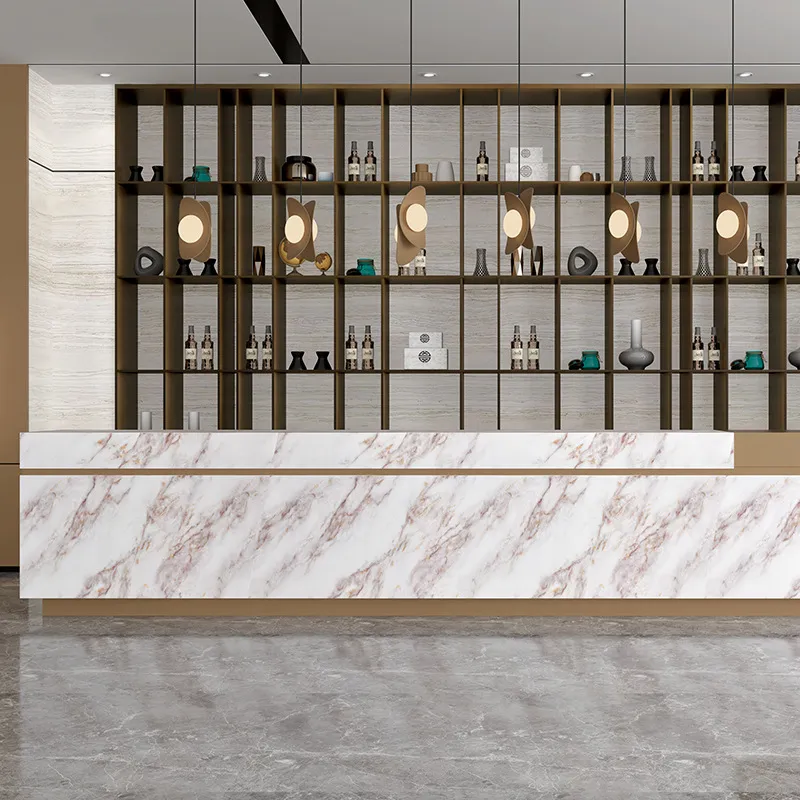
PVC film is widely used in modern manufacturing because it provides multiple layers of protection at once—physical, chemical, and visual—while staying cost-efficient and easy to process. From packaging that must resist moisture and abrasion, to furniture and building surfaces that need long-lasting wear protection, PVC film functions as a durable barrier and a performance enhancer. This article explains the protective functions of PVC film, how those benefits translate into real-world applications, and what to consider when selecting the right film type for your product.
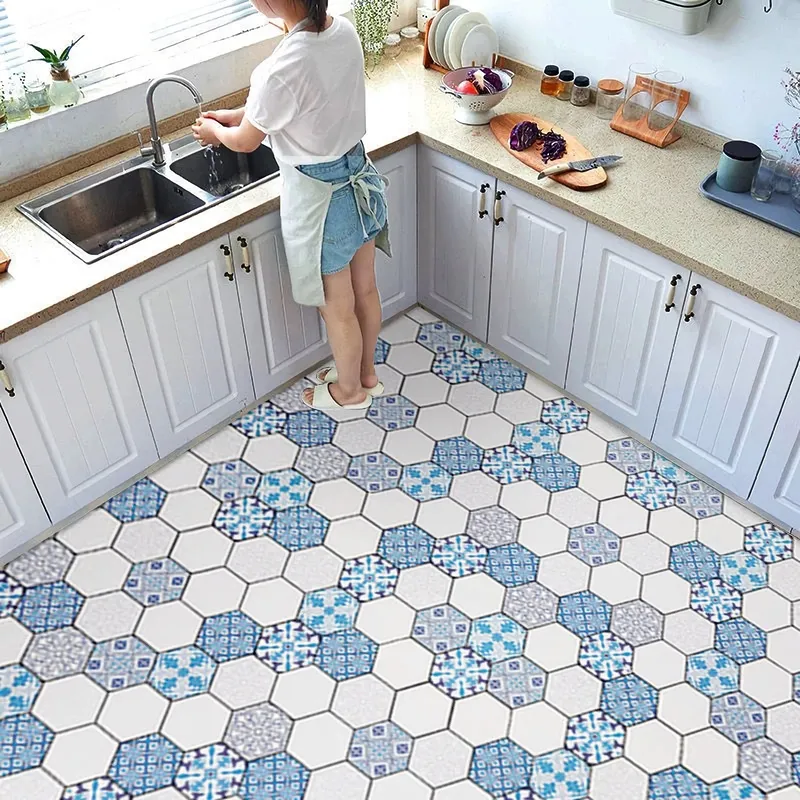
Protective PVC film is used in two major ways:
One of the most practical protective functions of PVC film is mechanical protection. PVC film forms a resilient layer that helps reduce visible damage from friction, dragging, stacking, and repetitive contact.
Key scenarios where this matters:
Film structure and finish influence this protection. Calendered PVC film is widely chosen for stable thickness and robust mechanical performance; see
Calendered Film
for typical options used across decorative and industrial applications.
PVC film provides strong moisture barrier performance. This is particularly valuable for wood-based substrates (MDF, particleboard) and paperboard packaging, where humidity can lead to swelling, warping, or weakened structure.
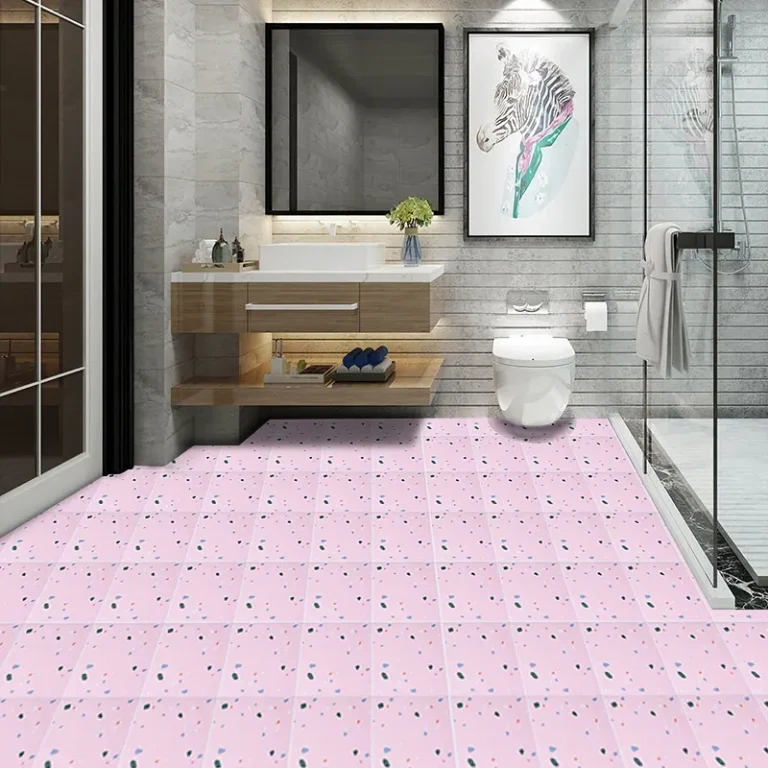
For high-traffic or wet-area applications, pairing moisture resistance with a suitable texture can also improve slip and scuff behavior. For example, flooring-focused solutions such as
Floor Film
are often selected for their durability and surface stability under daily cleaning cycles.
In both packaging and interior finishing, surfaces are exposed to oils, fingerprints, food stains, and cleaning chemicals. PVC film can be engineered with coatings and surface treatments to enhance stain resistance and reduce absorption or discoloration over time.
✔ Practical result:
Less visible staining, easier wipe-down, and more consistent appearance—especially on light colors and matte finishes.
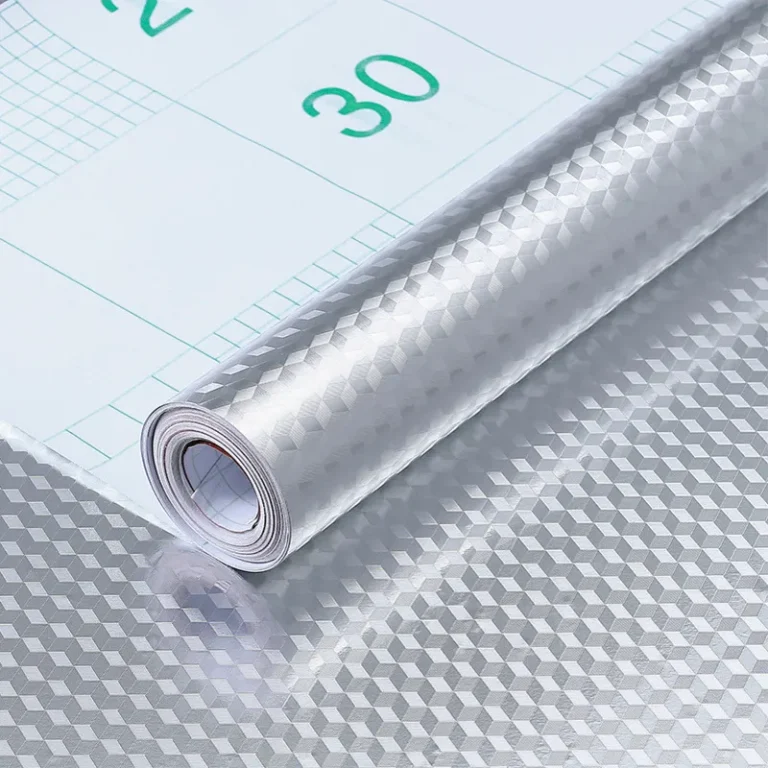
In kitchens, “protection” often means preventing long-term oil buildup and yellowing. Specialized films like
Kitchen Anti-oil Film
are designed to keep surfaces easier to maintain in high-use environments.
Dust control is a major protective function in manufacturing and logistics. PVC film can act as a temporary or permanent barrier that keeps surfaces clean until final assembly or installation. In clean production areas, films may also be specified to reduce particle attraction, helping protect sensitive components and finished surfaces.
Exposure to sunlight and indoor lighting can lead to fading, yellowing, or loss of gloss. PVC film formulations can be designed to slow aging, improving color stability and helping decorative surfaces maintain a “new” look for longer.
This function is especially relevant for wall coverings, window-adjacent panels, and retail display elements. When stable appearance matters, selecting the right pigment system, inks, and protective top layers becomes part of the protection strategy—not only for beauty, but for long-term performance.
Static electricity can attract dust and create handling risks for electronics. PVC films can be produced with anti-static properties to reduce electrostatic charge buildup. Other functional coatings may include anti-fog or specialized surface treatments depending on the final use.
Decorative PVC films protect by replacing vulnerable surface finishes with a controlled, engineered layer. Instead of painting, staining, or using natural veneer that may be sensitive to abrasion or moisture, a decorative PVC film provides consistent texture, pattern fidelity, and easier maintenance.
If your goal is to combine a refined look with robust everyday defense, textured products such as
3D Silk Texture Film
can provide a premium surface feel while helping reduce minor scuff visibility.
Many surfaces fail first at edges and corners—areas exposed to kicks, vacuum impacts, mops, and repeated contact. PVC films used for skirting and trim help prevent chipping, staining, and moisture intrusion where walls meet floors.
For protective finishing in these high-wear zones, materials such as
PVC Skirting Film
are commonly specified to maintain a clean edge line and reduce maintenance effort over time.
“PVC film” is not one single product. Protective performance depends on thickness, plasticizer system, surface finish, coatings, adhesive design (if self-adhesive), and compatibility with the substrate. Use the checklist below to match protective functions to your application.
For packaging, protective PVC film helps reduce transit damage and keeps product presentation intact. It can offer stability against abrasion, moisture, and contamination—especially important when goods travel through multiple warehouses and climate zones.
In decorative and architectural uses, the protective function of PVC film is often “silent”: the best film is the one that makes daily wear almost invisible. This includes resistance to rubbing, household chemicals, water marks, and repeated cleaning.
PVC film can also protect by simplifying maintenance. When a surface is easy to wipe, owners clean it more often and more gently—reducing long-term damage from harsh scrubbing. This is one reason PVC films are frequently used in cabinets, doors, wall panels, flooring systems, and home accessories where both aesthetics and durability are required.
If your surface will be touched constantly (cabinet fronts, wardrobes, counters), consider matte or lightly textured finishes for better fingerprint hiding. If your priority is fast cleaning (commercial areas), glossy finishes may provide easier wipe-down—provided scratch risks are controlled.
Protective film must remain stable and safe throughout its service life. In many projects, buyers look for materials designed to be free of heavy metals and phthalates, and to meet common management and product compliance expectations (such as ISO systems, REACH, RoHS, and FDA where applicable). These considerations help ensure the film protects not only the product surface, but also the user experience and regulatory risk profile.
For most applications, it’s the combination of scratch/abrasion resistance and moisture barrier, which protects both appearance and substrate integrity.
Yes. With the right surface treatment and proper installation, PVC film performs well in wet areas by resisting water, stains, and routine cleaning chemicals.
Glossy surfaces often wipe clean more easily; matte surfaces hide fingerprints better; embossed textures can hide small scratches and improve perceived durability in high-touch areas.
It can, when specified with an anti-static formulation or coating. Confirm the target performance range and whether the property must remain after cleaning and handling.
Provide the film type, thickness, width/roll size, surface finish, color/pattern, intended application (packaging or surface), and your order quantity. This helps match protective requirements to the correct film structure and processing method.