Address
304 North Cardinal St.
Dorchester Center, MA 02124
Work Hours
Monday to Friday: 7AM - 7PM
Weekend: 10AM - 5PM
Address
304 North Cardinal St.
Dorchester Center, MA 02124
Work Hours
Monday to Friday: 7AM - 7PM
Weekend: 10AM - 5PM


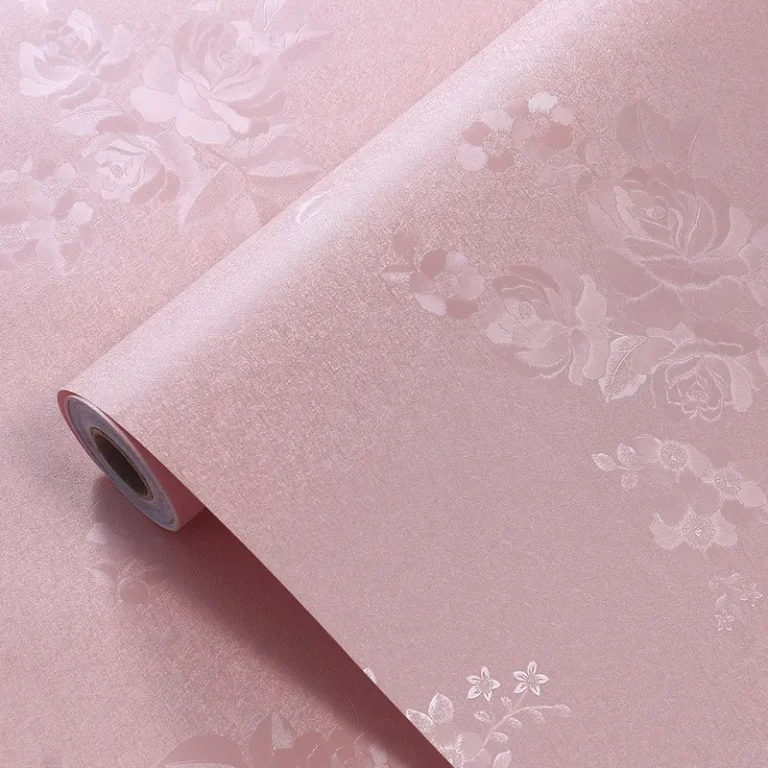
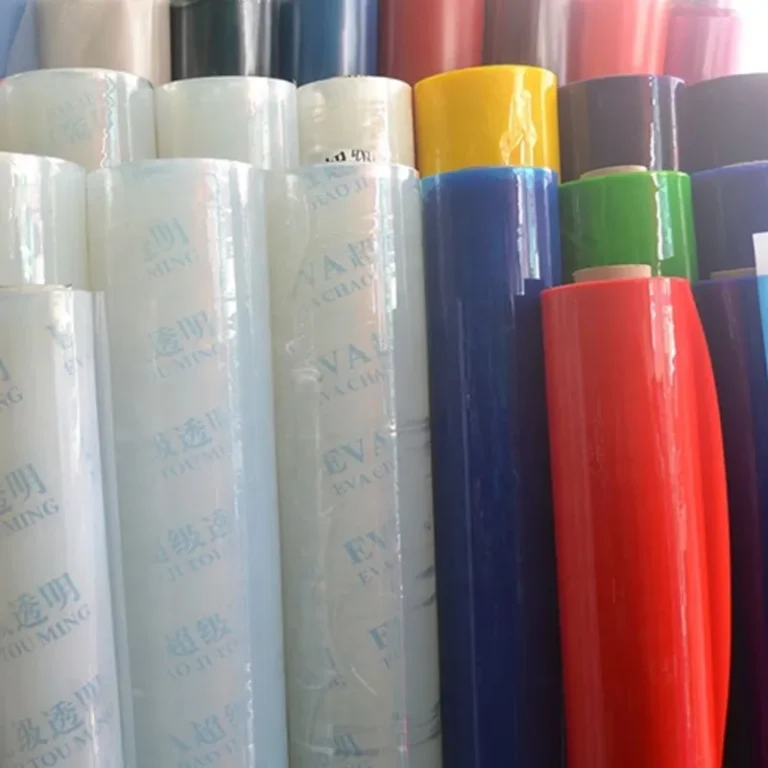
PVC decorative film has become one of the most practical surface solutions in modern furniture manufacturing and renovation. It can simulate wood, stone, metal, fabric, or solid colors while adding protection against moisture, stains, and daily wear. But the real performance depends on one question: which furniture works best with PVC film—and which substrates, edges, and environments will actually hold up long-term.
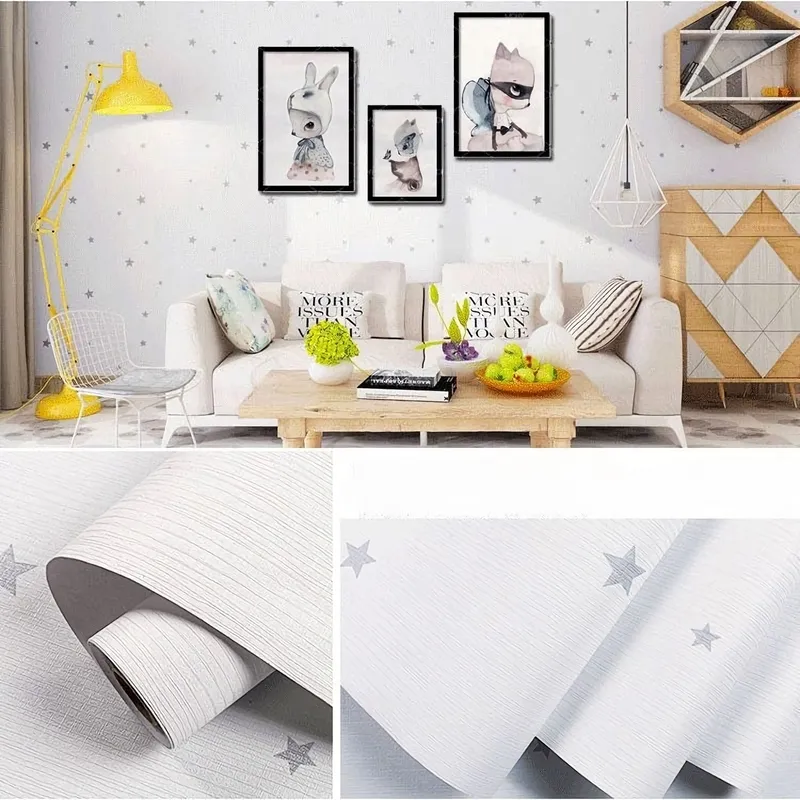
This guide breaks down ideal furniture categories, recommended surfaces, popular film types, and application methods, with a focus on what delivers stable adhesion, clean finishing, and cost-effective durability across kitchens, living spaces, offices, hotels, and commercial interiors.
Furniture surfaces face constant friction, cleaning chemicals, humidity swings, and sunlight exposure. Compared with traditional painting or veneer, PVC film provides a repeatable, industrial-friendly finish with consistent color and texture. For factories, it simplifies mass production; for interior projects, it speeds up renovation without heavy demolition.
Key advantages in furniture applications
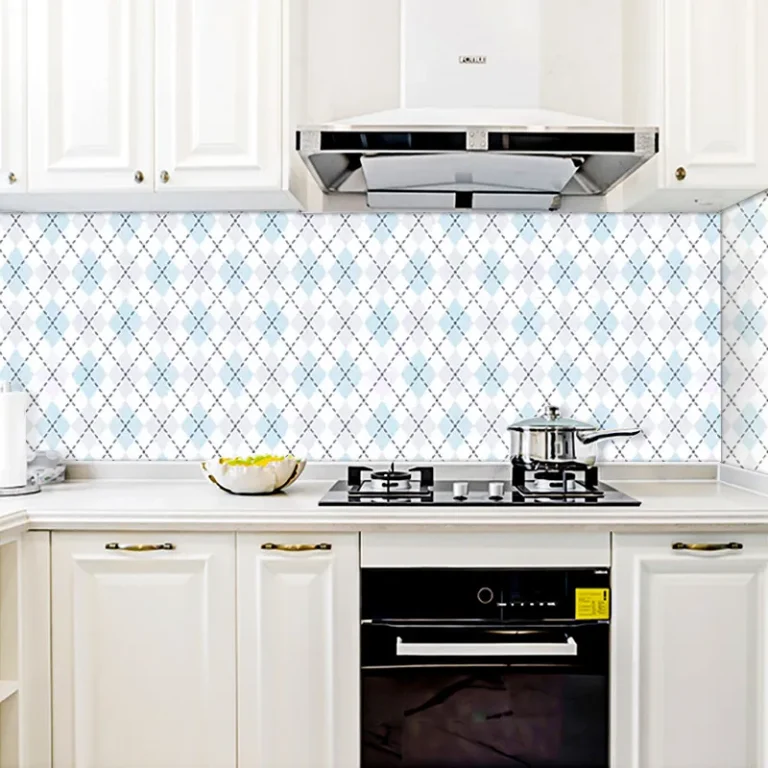
Kitchens are a top match because PVC film supports oil resistance, wipe-clean maintenance, and consistent color matching across doors, drawer fronts, side panels, and toe kicks. Matte films reduce fingerprints, while glossy films create a “lacquer-like” look at lower cost.
Recommended film options for kitchens
Wardrobe panels are large and highly visible, so pattern continuity and surface uniformity matter. PVC film works well on flat slab doors, shaker-style doors, and modular closet panels. Soft-touch or matte textures are popular for premium feel, while solid colors help achieve minimalistic interiors.
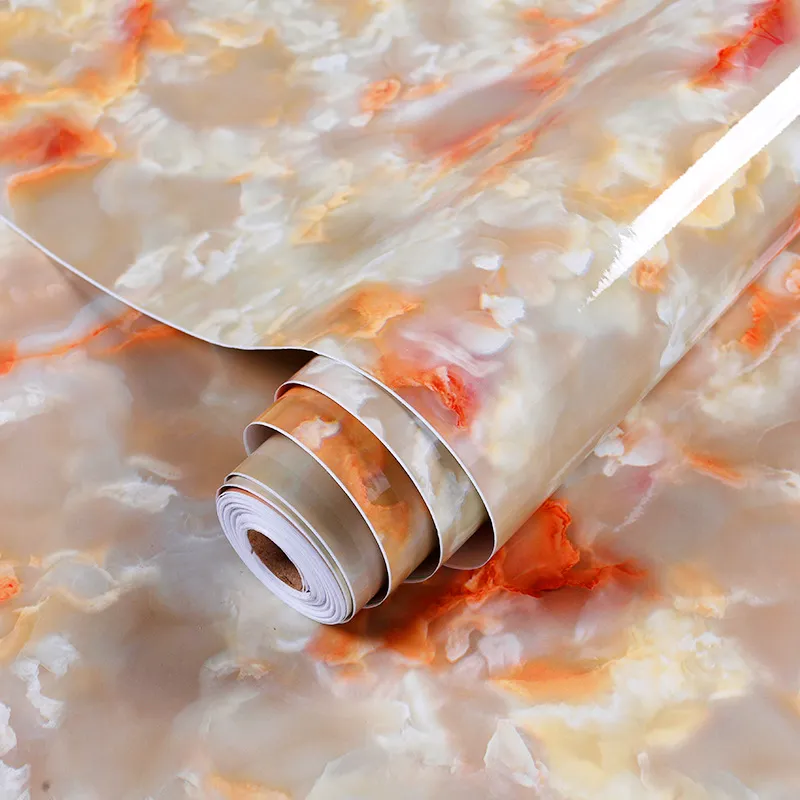
For entertainment walls and storage, PVC film offers a controlled finish that resists day-to-day scuffs. Stone and marble visuals are especially effective for feature walls and cabinet tops in contemporary interiors. For projects that want a “hotel lobby” look without stone weight, PVC marble patterns can be a smart alternative, such as Marble Film.
Office furniture benefits from PVC film’s abrasion resistance and easy cleaning. It’s commonly used for worktops (with proper edge sealing), vertical panels, modesty panels, and storage cabinets. Neutral wood grains and fabric-like textures help keep spaces professional and durable under high usage.
Hospitality furniture needs repeatability across many rooms and long service life. PVC film supports standardized production and simplifies maintenance. It’s often used for headboards, nightstands, wardrobes, minibar cabinets, and corridor cabinetry—especially where consistent color matching across batches is required.
In bathrooms, the top risks are swelling, peeling, and edge failure. PVC film can perform well if the substrate is moisture-stable (e.g., moisture-resistant MDF or properly sealed plywood) and edges are wrapped or sealed correctly. Choose films with better water resistance and avoid exposed raw edges at all costs.
PVC film is only as good as the surface underneath. The best results come from stable, smooth panels with controlled moisture content and clean machining. In production, adhesion issues usually trace back to dust, oil, poor sanding, wrong glue selection, or unstable boards.
Substrate compatibility (practical ranking)
Some furniture parts are “high success rate” for PVC film because they are flat, stable, and easy to seal. Others require advanced equipment or careful detailing to avoid edge lifting.
Wood looks remain the #1 choice for residential and hospitality furniture because they hide dust and minor wear better than pure gloss. For wardrobes, TV units, desks, and cabinet bodies, wood grain film delivers a stable aesthetic across large surfaces—especially when the grain direction is planned consistently.
Marble visuals work best on vertical panels (TV backdrops, cabinet gables, display units) where impact is lower. Pair with matte or satin finishes to reduce glare and keep a refined feel under strong lighting.
Glossy surfaces amplify brightness and make small rooms feel larger, but show fingerprints more easily—especially on frequently touched doors. Matte surfaces are more forgiving and align with minimal, modern interiors. For family homes, rentals, and busy office environments, matte often reduces maintenance complaints.
Textured films (fabric, silk, embossed) can hide small substrate imperfections and increase perceived value. They are popular for closet doors, hotel casegoods, office storage, and decorative wall elements. If you want tactile luxury without complex materials, options like 3D Silk Texture Film can be used for statement cabinet faces and panels.
The right method depends on whether you’re manufacturing at scale or doing on-site upgrades. Film thickness, elasticity, and glue system should match the process to avoid bubbling, shrink-back, or edge lifting.
Best for flat boards like cabinet sides, wardrobe panels, and office partitions. It’s efficient and delivers consistent gloss/matte levels. Many manufacturers choose Calendered Film for stable thickness and reliable processing during high-volume lamination.
Ideal for cabinet doors with shallow to moderate routing, curved edges, and soft profiles. Process control matters: heat uniformity, vacuum stability, correct glue drying time, and edge radius design all affect the final result.
Used for long components like skirting boards, frames, and trims. This is where impact resistance and consistent edge coverage matter most. For toe kicks and skirting, a specialized option like PVC Skirting Film can provide a clean finish that stands up to mops, shoes, and frequent contact.
Self-adhesive options are popular for quick changes in rental units, retail displays, and partial updates. They are best on smooth, clean, non-porous surfaces and should be installed with proper squeegeeing to avoid trapped air. For long-term furniture manufacturing, factory lamination or wrapping is usually more durable than DIY adhesion—especially on edges.
In homes, the biggest concerns are appearance, easy cleaning, and long-term stability around humidity (kitchens/bathrooms). Families often benefit from matte or textured finishes that hide fingerprints and light scratches. For small spaces, glossy panels can visually expand the room, but require more frequent wiping.
In offices, hotels, and retail environments, the focus shifts to abrasion resistance, repeatability, and fast replacement cycles. Neutral wood and stone visuals are widely used because they remain timeless and coordinate well with many design updates.
When specifying PVC film for furniture, define performance requirements before choosing patterns. A beautiful sample may fail in real life if thickness, emboss depth, adhesive compatibility, or functional coatings are not aligned with the process.
The best matches are kitchen cabinets, wardrobes, office storage, TV units, and hotel casegoods—especially on MDF/HDF panels where smooth surfaces and stable adhesion are easier to achieve.
Yes. Vacuum membrane pressing is commonly used for mild-to-moderate profiles. Deep routing and sharp edges require better process control and proper edge radius to prevent lifting.
Dusty, oily, uneven, or unstable boards (often poorly prepared particle board edges or contaminated surfaces) cause most failures. Clean sanding and correct adhesive selection solve the majority of issues.
It’s practical but shows fingerprints more clearly. For high-touch doors (kitchens, wardrobes), many projects choose matte or textured finishes to reduce daily maintenance.
Look for full-process production control (calendering, printing, slitting, packaging), stable QC, OEM/ODM capability, and the ability to match your process needs (lamination, vacuum pressing, wrapping) with consistent batches and export-ready packaging.