Address
304 North Cardinal St.
Dorchester Center, MA 02124
Work Hours
Monday to Friday: 7AM - 7PM
Weekend: 10AM - 5PM
Address
304 North Cardinal St.
Dorchester Center, MA 02124
Work Hours
Monday to Friday: 7AM - 7PM
Weekend: 10AM - 5PM


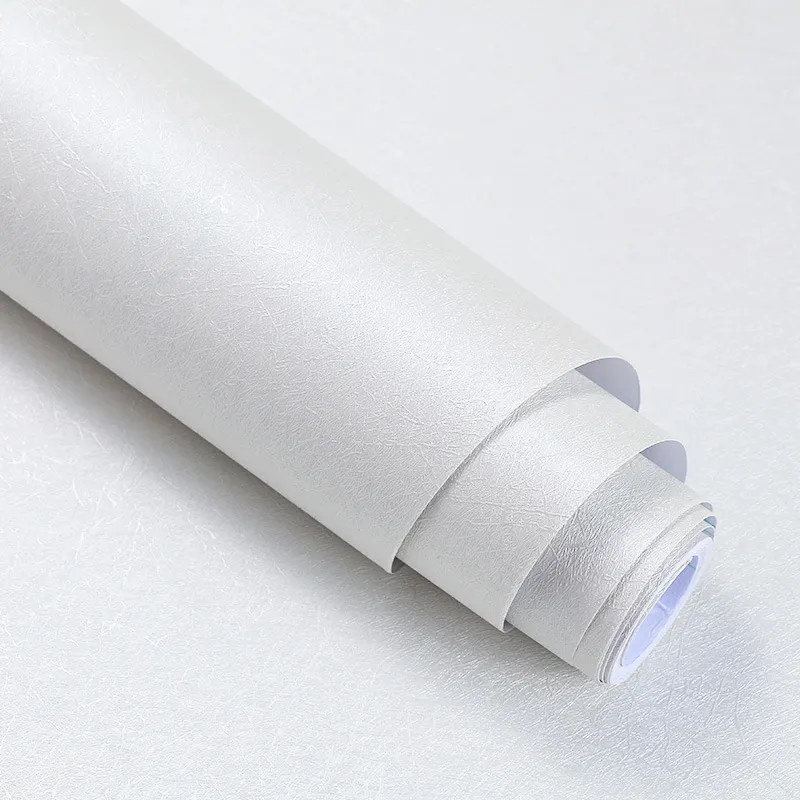
PVC film rolls are a cornerstone material in modern manufacturing and design, offering a versatile, durable, and cost-effective solution for a vast array of applications. From transforming the look of furniture to protecting sensitive electronic components, these thin sheets of polyvinyl chloride have become indispensable. Understanding their uses, the different types available, and key considerations for purchase is essential for businesses and DIY enthusiasts alike to make informed decisions and achieve optimal results.
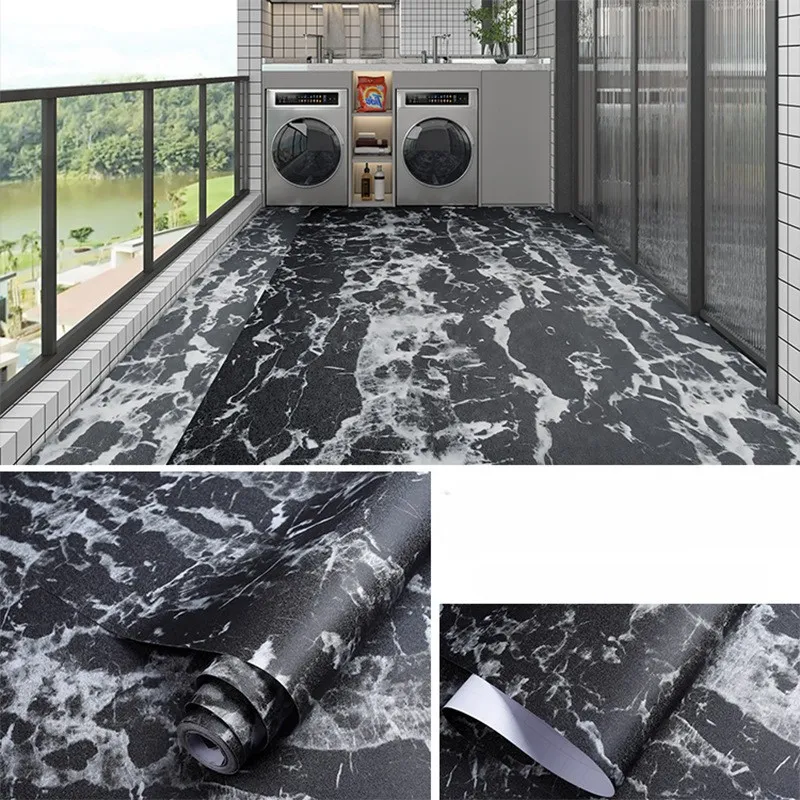
At its essence, PVC film is a flexible sheet manufactured from polyvinyl chloride resin, combined with plasticizers, stabilizers, and other additives to achieve specific properties. This formulation process allows for a remarkable range of characteristics, from rigid and transparent to soft, textured, and self-adhesive. The material’s popularity stems from several inherent advantages:
→ Durability & Protection: PVC films offer excellent resistance to moisture, chemicals, abrasion, and UV rays, making them ideal for both indoor and outdoor applications where longevity is key.
→ Aesthetic Versatility: They can be manufactured in an endless spectrum of colors, patterns (like wood grain or marble), and finishes (glossy, matte, textured), enabling seamless integration into any design scheme.
→ Cost-Effectiveness: Compared to solid materials like real wood, stone, or metal, PVC film provides a similar high-end appearance at a fraction of the cost and weight.
→ Ease of Application & Maintenance: Many films feature self-adhesive backing for easy installation, and their non-porous surfaces are simple to clean and maintain.
The utility of PVC film rolls spans countless sectors. Their adaptability allows them to meet both functional and decorative needs in diverse environments.
This is one of the largest application areas. PVC films are laminated onto substrates like MDF, particleboard, or plywood to create finished surfaces for cabinets, wardrobes, tables, and shelving. Glossy films create modern, reflective surfaces, while matte and textured films offer a sophisticated, tactile feel. They allow furniture makers to quickly produce pieces with consistent aesthetics without the high cost and variability of natural veneers.
In commercial and residential spaces, PVC films are used for wall cladding, ceiling panels, column wraps, and door skins. They offer a quick renovation solution without the mess of traditional materials. Decorative films can mimic expensive materials, while functional films like floor protection films safeguard surfaces during construction or high-traffic events.
The printability and durability of certain PVC films make them perfect for point-of-sale displays, exhibition graphics, vehicle wraps, and illuminated lightbox signs. They can be digitally printed with high-resolution graphics and are durable enough for both short-term promotions and long-term installations.
Beyond decoration, PVC films serve critical functional roles. Anti-static films protect electronic components during manufacturing and shipping. Insulating films are used in electrical applications. Protective films shield glass, metal, and acrylic surfaces from scratches during fabrication, transport, and installation.
Selecting the right type of film is crucial for project success. The classification can be based on manufacturing process, surface finish, or specific functionality.
Calendered Film: Produced by passing PVC compound through a series of heated rollers, this is the most common and cost-effective type. It offers excellent clarity, consistency, and is ideal for a wide range of general-purpose applications, including many decorative surfaces. You can explore various options in our range of calendered films.
Cast Film: Made by spreading a liquid PVC formulation onto a moving belt and curing it. This process yields film with superior dimensional stability, exceptional clarity, and a wider range of softness. It is often used for high-clarity applications and deep-draw forming processes.
Gloss/Mirror Finish: Provides a high-shine, reflective surface that enhances light and creates a modern look.
Matte/Satin Finish: Offers a non-reflective, smooth surface that is resistant to fingerprints and scratches, popular for a sophisticated aesthetic.
Textured Films: These include wood grain, leather, linen, stone, and 3D texture films that provide a realistic tactile feel and visual depth.
Metallic & Foil Films: Incorporate metallic pigments or layers to achieve chrome, brushed aluminum, or gold/silver effects.
Self-Adhesive Films: Feature a pressure-sensitive adhesive backing protected by a release liner. They are user-friendly for DIY projects and industrial laminating.
Heat-Activated Films: Require heat and pressure to activate the adhesive layer, typically used in industrial vacuum forming and membrane pressing for complex 3D shapes.
Specialty Films: This category includes anti-static, UV-resistant, flame-retardant, food-grade, and anti-fog films designed for specific environmental or safety requirements.
Purchasing PVC film is more than just selecting a color. These technical and commercial factors will guide you to the perfect product for your needs.
Thickness (Gauge): Measured in microns (µm) or mils. Thinner films (80-150µm) are flexible and good for simple wraps. Thicker films (200-500µm+) offer more durability and rigidity for furniture and architectural panels.
Width & Roll Length: Ensure the film width covers your substrate without unnecessary seams. Standard industrial rolls can be over 1.5 meters wide. Roll length affects yield and changeover frequency.
Tensile Strength & Elongation: Indicates how much force the film can withstand before breaking and how much it can stretch. Critical for applications involving forming or stress.
Define the primary purpose: Is it for decoration, protection, insulation, or printing? Consider the environment: Will it face moisture, chemicals, sunlight, or physical abrasion? For kitchens, an oil-resistant film is wise. For outdoor signage, UV stability is non-negotiable.
Choose the adhesive that matches your application method. Permanent acrylic adhesives offer the strongest bond. Removable/repositionable adhesives are for temporary applications. Consider the “adhesion to substrate” – ensure it’s compatible with your material (wood, metal, glass, plastic).
→ Customization: Can the supplier provide custom colors, widths, lengths, or print patterns (OEM/ODM)?
→ Minimum Order Quantity (MOQ): Does it fit your project scale, from a prototype to full production?
→ Quality & Certification: Request certificates like ISO 9001, REACH, RoHS, or FDA compliance for relevant applications. Reliable suppliers perform batch testing.
→ Samples: Always order physical samples to evaluate color accuracy, texture, hand-feel, and adhesion before committing to a large order.
→ Technical Support: A good supplier offers guidance on film selection, storage, and application best practices.
Calendered film is made by pressing compound through rollers, making it cost-effective and great for general use. Cast film is made from a liquid spread on a belt, resulting in superior clarity, stability, and softer feel, often used for high-end applications and complex forming.
Yes, but you must select films specifically formulated with UV stabilizers and weather-resistant additives. Standard indoor films will degrade, discolor, and become brittle when exposed to prolonged sunlight and moisture.
The surface must be completely clean, dry, smooth, and free of dust, grease, or wax. Use isopropyl alcohol for cleaning. Any imperfection will be visible through the film. For porous surfaces like wood, a primer may be recommended by the manufacturer.
Modern advancements have led to more eco-friendly options, including phthalate-free and recyclable PVC formulations. Always check with your supplier for specific environmental certifications and disposal recommendations for their products.
Lead time varies based on the level of customization. For standard colors/sizes from stock, it could be a few days. For custom color matching, printing, or special formulations, lead times can range from 2 to 6 weeks. Always confirm timelines with your supplier during the quotation process.