Address
304 North Cardinal St.
Dorchester Center, MA 02124
Work Hours
Monday to Friday: 7AM - 7PM
Weekend: 10AM - 5PM
Address
304 North Cardinal St.
Dorchester Center, MA 02124
Work Hours
Monday to Friday: 7AM - 7PM
Weekend: 10AM - 5PM


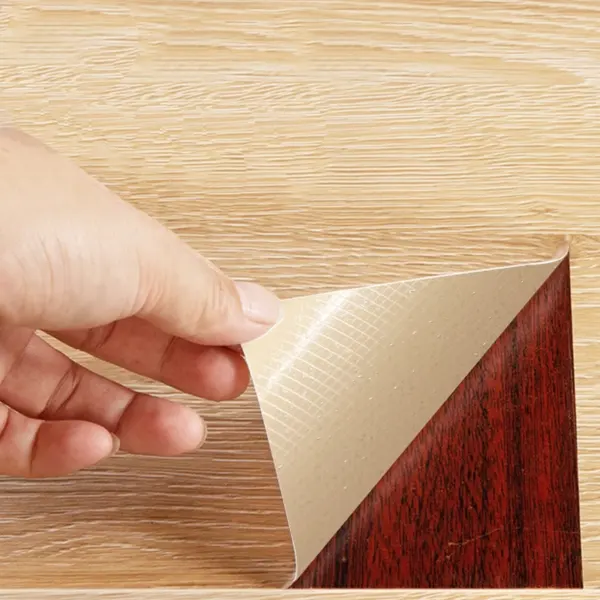
Flexible PVC film stands as a cornerstone material in modern manufacturing and design, offering a unique blend of versatility, durability, and aesthetic appeal. As a synthetic plastic polymer, polyvinyl chloride (PVC) can be formulated and processed into thin, pliable sheets that serve an astonishing array of purposes. From giving furniture a high-end finish without the cost of solid wood to protecting sensitive electronic components, the applications are nearly limitless. The material’s inherent properties—such as water resistance, chemical stability, and ease of cleaning—make it a preferred choice across diverse sectors including furniture, construction, advertising, and healthcare.
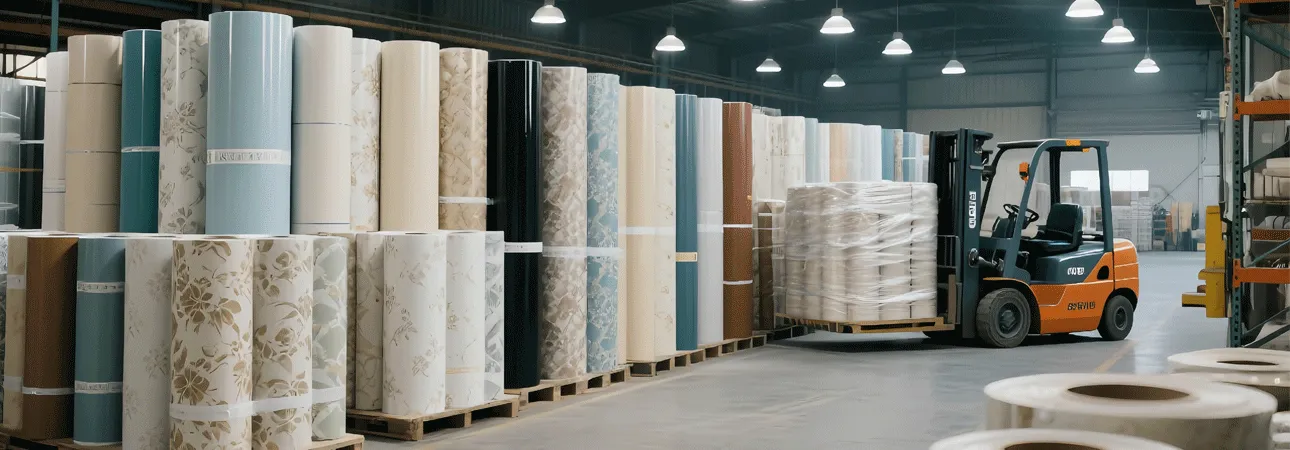
The world of flexible PVC film is rich with variety, each type engineered to meet specific functional and visual demands. Understanding these categories is key to selecting the right material for your project.
This classification focuses on the visual and tactile qualities of the film’s surface.
Here, films are defined by the specific job they are designed to perform.
Decorative Films: The largest segment, used primarily for surface lamination. This includes all wood grain, stone, and solid color films applied to substrates like MDF, particleboard, or metal to create finished products like cabinets, doors, and furniture.
Protective & Industrial Films: These films are formulated for performance. Floor protection films are thick and durable, guarding surfaces during construction or renovation. Anti-static films protect electronic components from electrostatic discharge. Adhesive-backed films are used for temporary masking or permanent graphic applications.
Packaging Films: Flexible PVC is used for blister packs, clamshell packaging, and shrink wraps due to its clarity, formability, and strength, ensuring product visibility and security.
The adaptability of flexible PVC film allows it to solve challenges and enhance products in nearly every market sector.
This is a primary application area. PVC films are laminated onto engineered wood cores to create cost-effective, durable, and stylish kitchen cabinets, wardrobes, office furniture, and shelving. They allow for consistent color and pattern matching across large production runs and enable rapid style changes without retooling. A glossy wardrobe film can transform a simple MDF panel into a modern centerpiece.
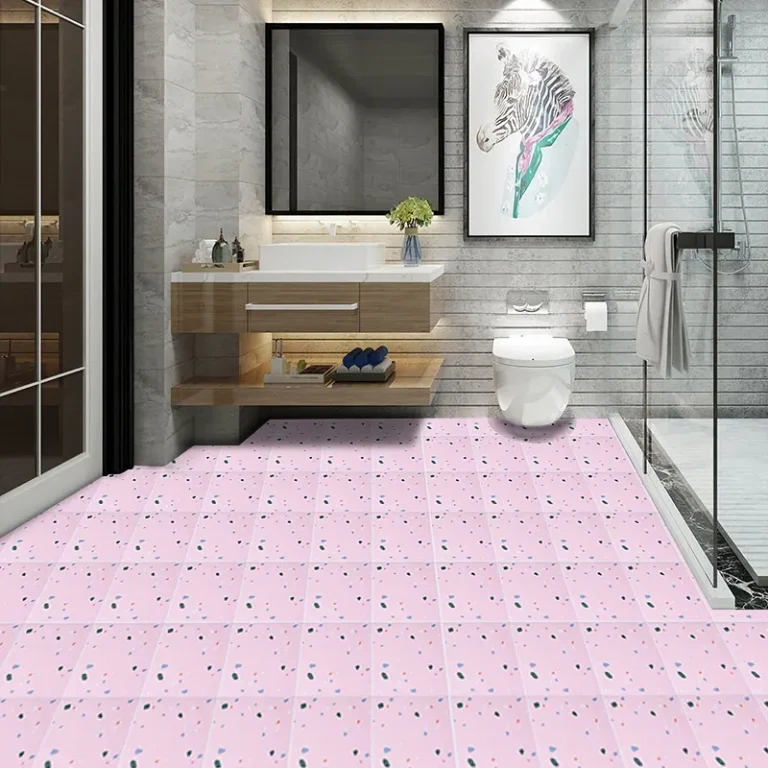
In construction, PVC films are used for interior wall cladding, ceiling panels, and decorative laminates for doors and window frames. They provide an easy-to-clean, moisture-resistant surface for areas like kitchens and bathrooms. Specialized films are also used for skirting boards and architectural profiles, offering a seamless, painted look without the mess of traditional painting.
The printability and durability of PVC film make it ideal for the visual communication industry. It is used for backlit sign boxes, point-of-purchase displays, vehicle wraps, and window graphics. Its flexibility allows it to conform to curved surfaces, while its weather resistance ensures longevity for both indoor and outdoor applications.
Automotive: Used for interior trim components, dashboard surfaces, and protective wraps, offering design flexibility and scratch resistance.
Electronics: Anti-static PVC films protect circuit boards and sensitive components during manufacturing, shipping, and end-use.
Healthcare: Films with antimicrobial properties are used for cleanroom wall coverings, equipment surfaces, and protective barriers, where hygiene and easy disinfection are paramount.
Off-the-shelf products don’t always fit unique project requirements. This is where the true value of a specialized manufacturer like Pulivk Film comes into play, offering comprehensive custom solutions through OEM/ODM services.
Virtually every aspect of the PVC film can be tailored:
Engaging with a manufacturer that controls the entire production process—from calendering the base film to printing and slitting—ensures quality and consistency. The process typically involves:
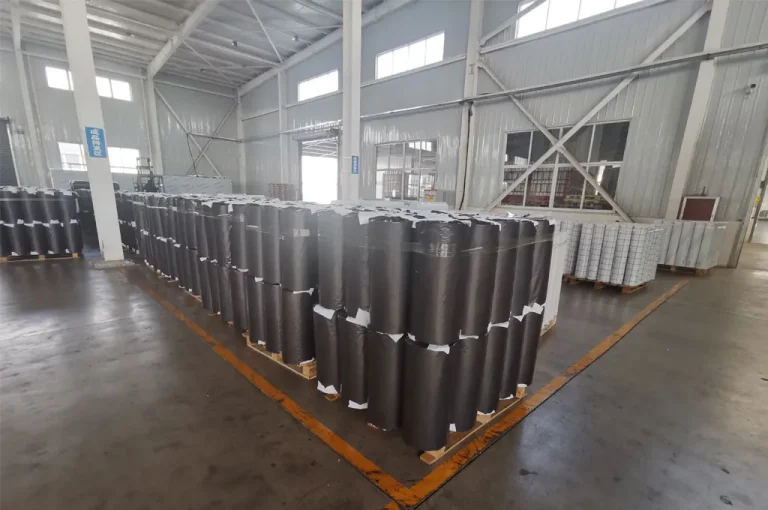
Choosing a partner with in-house capabilities for calendering, printing, and coating provides significant advantages: Cost Efficiency through elimination of middlemen; Faster Lead Times due to integrated scheduling; Superior Quality Control at every step; and Enhanced Innovation through direct collaboration between client and production engineers.
PVC film offers several distinct benefits: it is more durable and scratch-resistant than paint, provides a completely seamless finish without joints, and is often more cost-effective and consistent than natural wood veneer. It also allows for complex patterns and solid colors that are difficult to achieve with other methods, and the installation is generally cleaner and faster.
The required thickness depends on the substrate and end use. For flat, stable surfaces like cabinet doors, a thinner film (e.g., 0.15mm to 0.3mm) is often sufficient and more cost-effective. For applications requiring more durability, conformability over slight imperfections, or extra protection—such as on flooring or wall panels—a thicker film (e.g., 0.4mm to 0.8mm) is recommended. Your manufacturer can advise based on your specific requirements.
Modern, high-quality PVC films from reputable manufacturers like Pulivk are formulated to be safe and compliant. They are often free of heavy metals and phthalates (like DEHP). Many comply with international standards such as REACH and RoHS. For indoor air quality, look for films with low VOC (Volatile Organic Compound) emissions. Always request compliance certificates or test reports from your supplier.
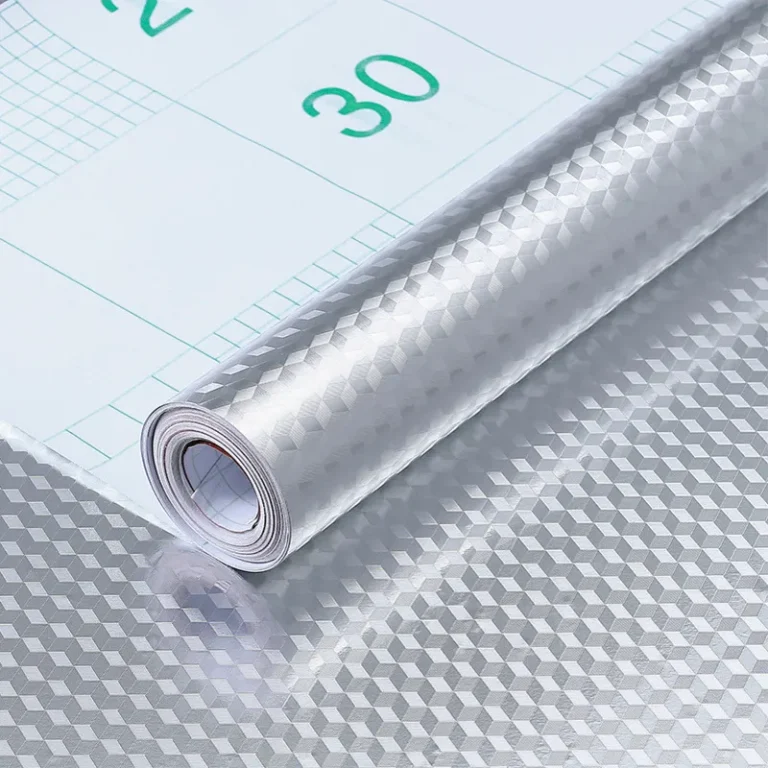
Yes, absolutely. PVC is inherently water-resistant, making it an excellent choice for kitchens and bathrooms. Specific products like kitchen anti-oil films or vinyl kitchen flooring films are designed with enhanced properties to resist moisture, steam, and grease, ensuring long-term performance and easy cleaning in these demanding environments.
Lead time varies based on the order size and complexity of customization. For standard colors/specifications from stock, it can be very short. For fully custom developments involving new color matching or texture creation, the process includes sampling and approval, which may take several weeks. A reliable manufacturer will provide a clear, realistic timeline upfront and use efficient production planning to ensure on-time delivery.