Address
304 North Cardinal St.
Dorchester Center, MA 02124
Work Hours
Monday to Friday: 7AM - 7PM
Weekend: 10AM - 5PM
Address
304 North Cardinal St.
Dorchester Center, MA 02124
Work Hours
Monday to Friday: 7AM - 7PM
Weekend: 10AM - 5PM


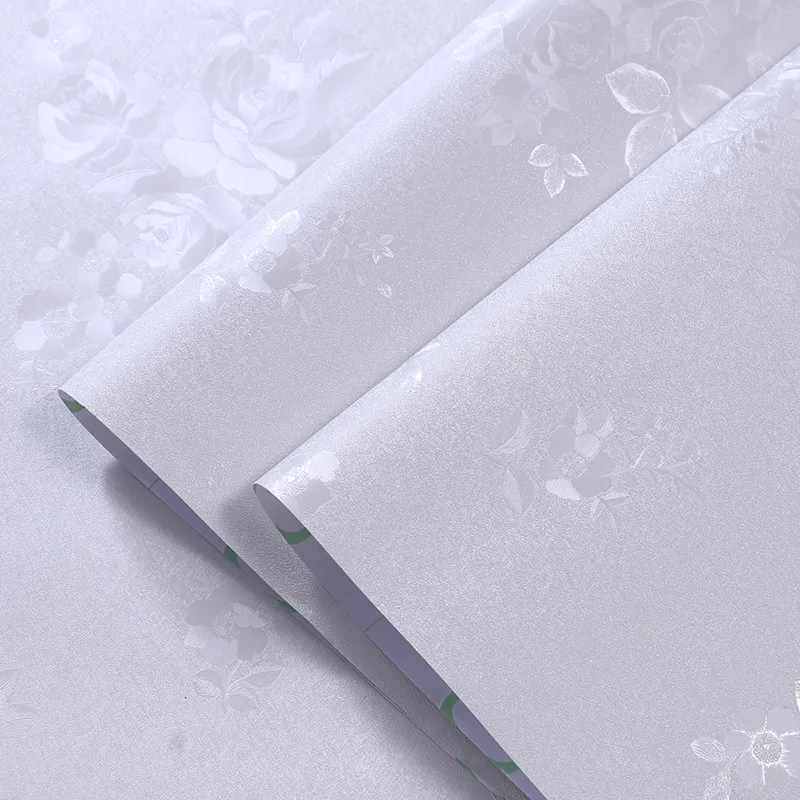
In today’s world, balancing the desire for natural light with the need for privacy and personal style is a common challenge in both homes and offices. Traditional solutions like curtains or blinds can block light entirely, feel bulky, or require significant maintenance. Enter PVC frosted glass window film—a modern, versatile, and stylish solution that transforms plain glass into a private, elegant surface. This ultimate guide explores everything you need to know about this innovative material, from its core benefits and applications to the technical details of selection and installation.
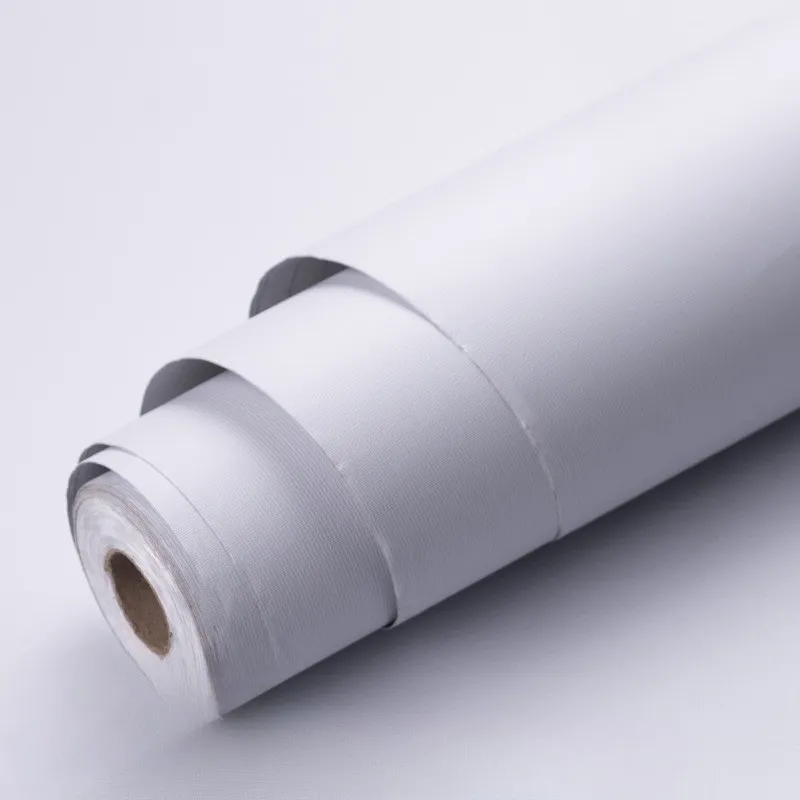
PVC frosted glass window film is a thin, self-adhesive vinyl sheet designed to be applied directly to glass surfaces. It mimics the look and feel of acid-etched or sandblasted glass by creating a translucent, matte finish. This finish diffuses light beautifully, providing privacy while still allowing a soft, ambient glow to pass through. Unlike permanent etching, this film is a non-permanent, removable solution, making it ideal for renters or those who like to update their décor. The core material is polyvinyl chloride (PVC), a durable and flexible plastic known for its longevity and ease of application.
• Translucency & Privacy: Obscures clear views while transmitting light.
• Self-Adhesive Backing: Easy to apply with water or a simple spray solution.
• Removable & Re-positionable: Most films can be removed without leaving residue.
• Durable & Easy to Clean: Resists scratches and can be wiped clean with a damp cloth.
• UV Resistant: Many films offer protection against harmful ultraviolet rays.
The appeal of frosted window film extends far beyond its basic function. It is a multifaceted upgrade for any space.
This is the primary reason most people turn to frosted film. It instantly creates a barrier against prying eyes in bathrooms, street-facing windows, office conference rooms, or front doors. You gain seclusion without plunging your room into darkness, maintaining a bright and airy atmosphere. For spaces like bathroom windows or shower enclosures, it’s an indispensable solution.
Frosted film acts as a blank canvas for design. While a classic, uniform frosted look is timeless and elegant, modern options are incredibly diverse. You can find films with geometric patterns, natural motifs like ferns or bamboo, artistic decals, or even gradient effects. This allows for incredible customization to match any interior design theme, from minimalist Scandinavian to bold contemporary. It can elevate a plain glass partition into a stunning design feature. For those seeking more textured elegance, exploring options like 3D silk texture film can add a luxurious tactile dimension.
The benefits are highly practical. The film adds a layer of safety and security by holding glass shards together if the window is broken. Many films also include a UV-blocking component, which helps protect your interior furnishings, artwork, and flooring from sun damage and fading. From a maintenance perspective, it’s much easier to clean a smooth film surface than multi-slatted blinds or fabric curtains that gather dust.
The applications are virtually limitless across residential, commercial, and even industrial settings.
• Bathroom Windows & Shower Doors: The quintessential use for privacy in wet areas.
• Front Door Inserts & Side Panels: Welcomes light while shielding your entryway from view.
• Kitchen Cabinet Doors: Can be used on glass-fronted cabinets for a sleek, modern look.
• Room Dividers & Partitions: Defines open-plan spaces without building solid walls.
• Home Offices: Creates a professional backdrop for video calls and minimizes distractions.
• Conference Rooms & Meeting Spaces: Ensures confidential discussions remain private.
• Office Partitions & Glass Walls: Balances an open floor plan with acoustic and visual privacy for focused work.
• Retail Store Fronts & Display Windows: Can be used to create branded patterns or direct customer sightlines.
• Restaurants & Cafés: Adds a decorative touch to bathroom windows or partitions between booths.
• Medical & Legal Offices: Crucial for maintaining client and patient confidentiality in waiting and consultation areas.
Not all frosted films are created equal. Here are the key factors to consider to ensure you get the perfect product for your project.
High-quality calendered PVC film is the industry standard for durability and clarity. Thickness, measured in mils (thousandths of an inch) or microns, affects durability and ease of handling. Thicker films (e.g., 4-6 mil) are more resistant to scratches and tears during application and are generally more long-lasting, especially in high-traffic areas. Thinner films might be more suitable for temporary or low-impact applications.
This is a critical distinction. Removable (or static-cling) films use a low-tack adhesive that allows for repositioning and generally leaves no residue upon removal. They are perfect for renters or temporary displays. Permanent adhesive films offer a stronger, longer-lasting bond and are recommended for permanent installations or exterior use where wind and weather are factors. Always check the manufacturer’s specifications.
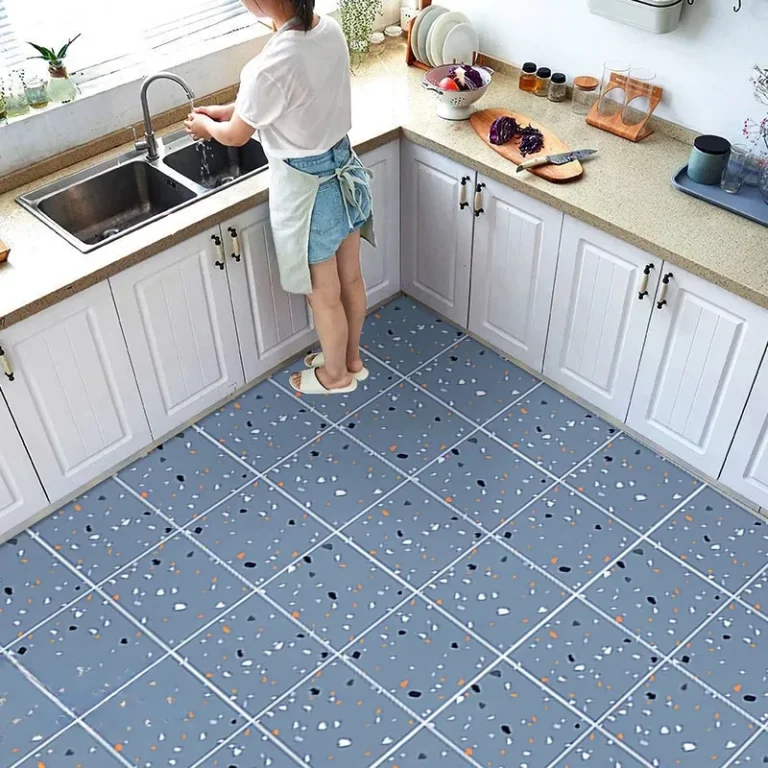
Do you want a pure, uniform frost? Or a pattern? Frosted films come in various opacity levels, from lightly misted to fully opaque. Patterned films can feature dots, lines, stripes, or intricate designs. Consider how the pattern will look from both inside and outside, and how it complements other design elements in the room, such as your vinyl kitchen flooring or cabinet finishes.
Look for films with added benefits:
• UV Protection: Blocks 99% of UV rays to protect interiors.
• Heat Reduction: Some films have solar control properties to reduce glare and heat gain.
• Anti-Graffiti & Easy-Clean Coatings: Ideal for commercial or public spaces.
While DIY application is straightforward, a professional finish requires care and the right tools. For large or complex projects, consider hiring an expert. For confident DIYers, here’s the general process:
Spray bottle (with water and a drop of dish soap), squeegee (felt-edged is best), utility knife/trimmer, measuring tape, lint-free cloth, and a credit card or similar hard card.
1. Surface Preparation: Clean the glass meticulously with glass cleaner and a lint-free cloth. Any speck of dust will be visible under the film. Ensure the surface is completely dry and dust-free.
2. Measure and Cut: Measure your glass pane and cut the film to size, leaving a slight excess (about 1/4 inch) on all sides for final trimming.
3. Peel and Spray: Peel back a small portion of the film’s backing. Liberally spray the exposed adhesive side of the film AND the clean glass surface with your soapy water solution. This creates a “slip layer” that allows you to position the film.
4. Apply and Position: Carefully align the film to the glass. The soapy water allows you to slide it into the perfect position.
5. Squeegee Out Bubbles: Starting from the center, use your squeegee to push water and air bubbles out toward the edges. Use firm, overlapping strokes. Work systematically to avoid trapping air.
6. Trim the Edges: Once the film is smoothly applied, use a sharp utility knife to carefully trim the excess film along the edges of the glass pane.
7. Final Drying: Allow the film to cure and fully adhere. Small water bubbles may appear but should disappear within a few days to a week as the water evaporates.
Caring for your frosted film is simple. Use a soft, damp cloth or sponge with mild soapy water to wipe it clean. Avoid abrasive cleaners, scrub pads, or sharp objects that could scratch the surface. With proper care and a quality film from a trusted manufacturer like Pulivk Film, your frosted window treatment can last for many years, providing enduring privacy and style.
Yes, most removable frosted films are designed for easy, residue-free removal. Start by peeling a corner slowly and evenly. If any adhesive remains, it can usually be cleaned off with a mild adhesive remover or rubbing alcohol. Permanent films are more challenging to remove and may require a professional.
Frosted film provides privacy during the day by diffusing light. At night, if the light inside the room is brighter than outside, the film will become somewhat transparent from the exterior. For complete night-time privacy, you may need to pair it with a curtain or blind.
Absolutely. Frosted film is applied to the interior surface of the glass and is completely safe for double-pane windows. It does not affect the window’s insulation or warranty.
Applying film to heavily textured glass is not recommended, as the adhesive cannot make full contact with the surface, leading to poor adhesion and air bubbles. For slightly curved glass, very thin, flexible films can sometimes conform, but flat glass is ideal. For other textured applications, consider specialized products like PVC skirting film for baseboards or textured walls.
For a comprehensive look at the wide world of decorative and functional films, visit our dedicated knowledge hub, where we explore applications for furniture, walls, flooring, and more.