Address
304 North Cardinal St.
Dorchester Center, MA 02124
Work Hours
Monday to Friday: 7AM - 7PM
Weekend: 10AM - 5PM
Address
304 North Cardinal St.
Dorchester Center, MA 02124
Work Hours
Monday to Friday: 7AM - 7PM
Weekend: 10AM - 5PM


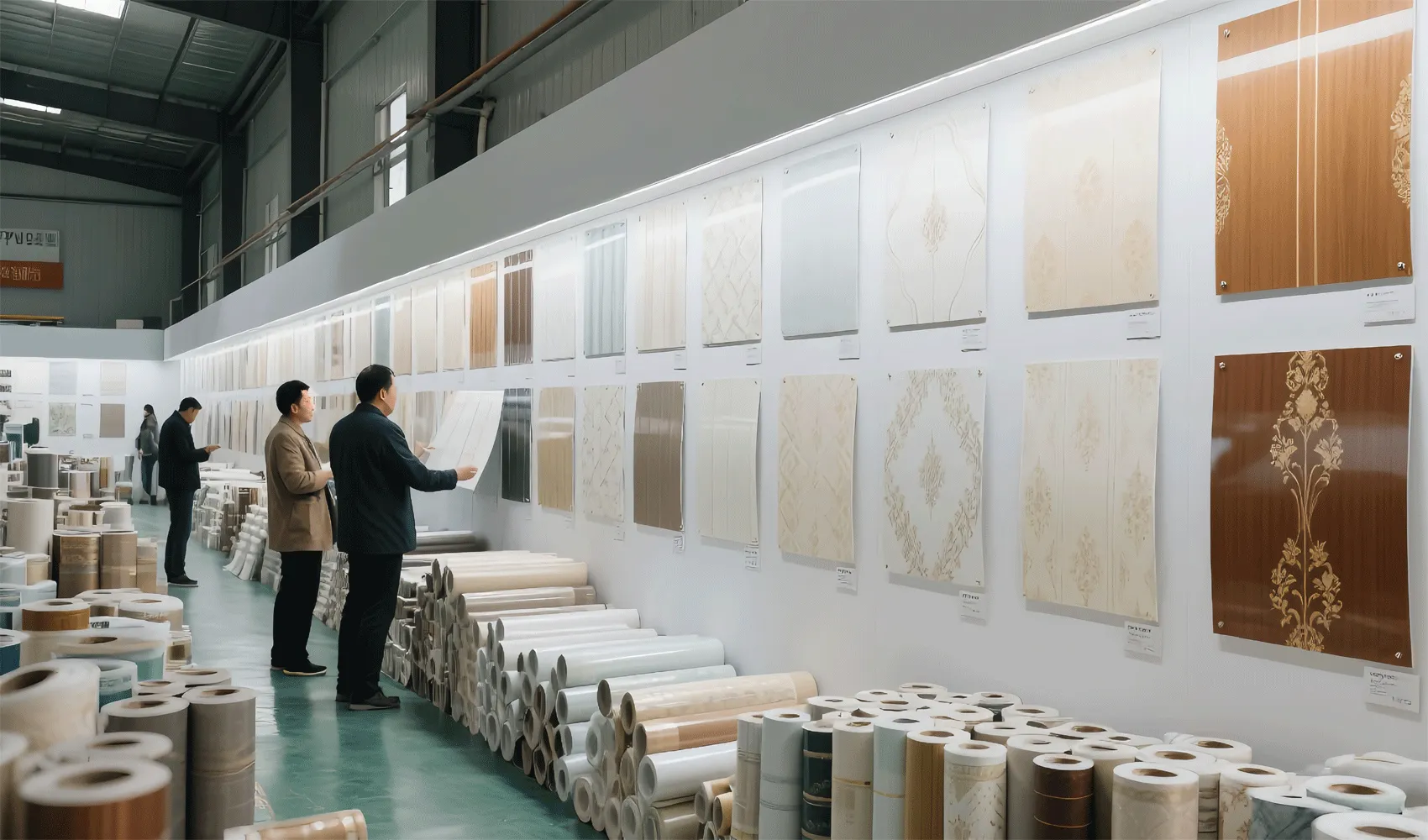
In the world of interior design and home improvement, achieving the perfect balance between privacy, natural light, and aesthetics is a common challenge. Traditional solutions like curtains or blinds can feel bulky, while permanent frosted glass is costly and inflexible. Enter PVC frosted glass window film—a versatile, cost-effective, and DIY-friendly material that transforms ordinary glass into elegant, light-diffusing surfaces. This guide delves into the benefits, diverse uses, and step-by-step installation process for this innovative product.
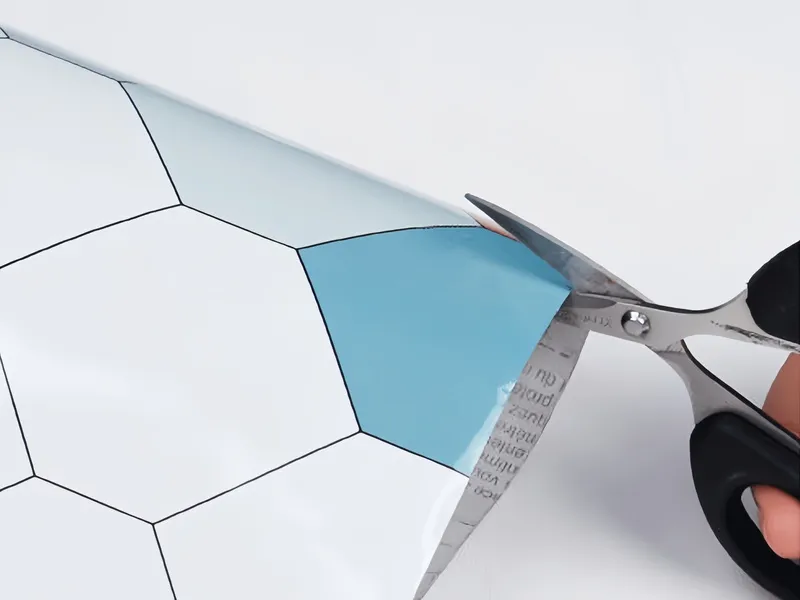
PVC frosted glass window film is a thin, self-adhesive vinyl sheet designed to mimic the look and feel of etched or sandblasted glass. Made from flexible polyvinyl chloride, it features a translucent, matte finish that diffuses light and obscures visibility while still allowing brightness to enter a room. It is a popular choice in both residential and commercial settings for its ease of application and removal.
At its core, the film consists of a PVC layer, a pressure-sensitive adhesive, and a protective liner. High-quality films, like those produced by industry leaders such as Pulivk, use eco-friendly, non-toxic materials and advanced calendering processes to ensure clarity, durability, and a bubble-free application. This makes them safe for use in homes, offices, and even children’s spaces.
The effectiveness of frosted film lies in its specific properties:
Light Transmission: It softens and scatters incoming light, reducing glare and creating a柔和, ambient illumination without plunging a room into darkness.
Privacy Level: It provides daytime privacy by blurring shapes and details. The level of opacity can vary; some films offer a softer blur, while others provide near-total obscurity.
Material Durability: Premium PVC films are resistant to scratches, moisture, and fading from UV exposure, ensuring the finish lasts for years without yellowing or peeling.
The adoption of PVC frosted film is driven by a multitude of advantages that address functional, aesthetic, and economic needs.
This is the most celebrated benefit. The film instantly turns clear glass into a privacy shield, making it ideal for bathroom windows, street-facing rooms, office partitions, and front doors. Unlike curtains that block light entirely, the film maintains a bright, airy feel—a crucial factor for spaces where natural light is valued for well-being and reducing artificial lighting costs.
Installing real frosted glass involves significant expense, labor, and permanence. Frosted film delivers over 90% of the visual effect at a fraction of the cost. It’s a perfect solution for renters who cannot make permanent alterations or homeowners seeking a quick, reversible refresh. It can elevate the look of plain cabinet doors, glass tabletops, or shower enclosures with minimal investment. For those seeking other decorative finishes, exploring options like wood grain film or marble film can provide complementary aesthetics for different surfaces.
Many frosted films include additives that block a substantial percentage of the sun’s harmful ultraviolet rays. This helps protect interior furnishings, artwork, and flooring from fading. Additionally, by diffusing direct sunlight, the film reduces harsh glare on screens and work surfaces, enhancing visual comfort in home offices and living areas.
In the event of breakage, the adhesive film can help hold glass shards together, reducing the risk of injury from flying fragments. While not a substitute for tempered or safety glass, it adds a valuable layer of protection, especially in homes with children or in high-traffic commercial areas.
The smooth, non-porous surface of PVC film is remarkably easy to clean. A simple wipe with a damp cloth or a mild glass cleaner is usually sufficient to remove dust, fingerprints, or splashes. This is a significant advantage over textured glass or fabric window treatments that can trap dirt and grime.
The use of frosted glass film extends far beyond simple window coverings. Its adaptability makes it a favorite among DIY enthusiasts, interior designers, and business owners.
For commercial flooring or high-traffic area renovations, a durable floor film can be a complementary solution for surface protection and renewal.
One of the greatest advantages of PVC frosted film is the ease of DIY installation. With patience and the right technique, a professional-looking result is highly achievable.
1. Clean the Glass Meticulously: This is the most critical step. Any dust, grease, or debris will be trapped under the film. Clean the glass thoroughly with glass cleaner and a lint-free cloth. Wipe it down with rubbing alcohol (isopropyl alcohol) to remove any final residues and ensure the surface is completely dry and streak-free.
2. Measure and Cut the Film: Measure the height and width of the glass pane. Unroll your film on a clean, flat surface (liner side down) and cut a piece that is 2-3 inches larger on all sides than your measurements. This overage allows for easier handling and final trimming.
Step 1: Peel and Spray. Carefully peel a few inches of the backing liner from one corner of the film. Generously spray the exposed adhesive side with your soapy water solution. Simultaneously, spray the entire surface of the clean glass pane. The soapy water acts as a lubricant, allowing you to slide and position the film before it sets.
Step 2: Apply and Position. Align the top edge of the film with the top of the glass pane and gently press the sticky, wetted corner onto the glass. Slowly continue to peel away the backing liner while spraying both the film and the glass, smoothing the film onto the surface as you go. The water lets you reposition the film until it’s perfectly aligned.
Step 3: Squeegee Out Liquid and Bubbles. Starting from the center, use your squeegee to firmly push water and air bubbles out toward the edges. Work in vertical and horizontal strokes, applying even pressure. For small, stubborn bubbles, you can pierce them with a pin and press out the air.
Step 4: Trim the Edges. Once the film is smoothly applied, use your utility knife and a straight edge (like a ruler) to carefully trim the excess film along the perimeter of the glass. A sharp blade is essential for a clean cut.
Step 5: Final Drying. Use a clean, dry cloth to wipe the edges and absorb any remaining moisture. The film will fully adhere as the water evaporates, which may take 24-48 hours. Avoid touching or cleaning it during this curing period.
Yes, high-quality PVC frosted film is designed to be removable. When you wish to take it off, gently lift a corner and slowly peel it back. Any residual adhesive can typically be cleaned off with glass cleaner or a mild adhesive remover. Always test a small area first.
Absolutely. Frosted film is perfectly safe for double-pane windows. It is applied to the interior surface of the glass and does not affect the window’s insulation properties or warranty. In fact, some films can provide minor additional insulation.
The lifespan depends on the film’s quality and environmental exposure. Premium films from reputable manufacturers like Pulivk, which utilize advanced calendering film technology, can last 5-10 years or more without fading, peeling, or bubbling when installed correctly.
Yes, but with caution. Ensure the acrylic surface is completely clean and smooth. The soapy water application method is even more critical here. Be very gentle with the squeegee to avoid scratching the softer acrylic surface. It’s advisable to test on a small, inconspicuous area first.
Frosted film provides privacy during the day when the outside is brighter than the inside. At night, when indoor lights are on and it’s dark outside, the effect reverses: people outside may see silhouettes or shapes, though details remain obscured. For full nighttime privacy, a secondary covering like a curtain or blind is recommended.