Address
304 North Cardinal St.
Dorchester Center, MA 02124
Work Hours
Monday to Friday: 7AM - 7PM
Weekend: 10AM - 5PM
Address
304 North Cardinal St.
Dorchester Center, MA 02124
Work Hours
Monday to Friday: 7AM - 7PM
Weekend: 10AM - 5PM


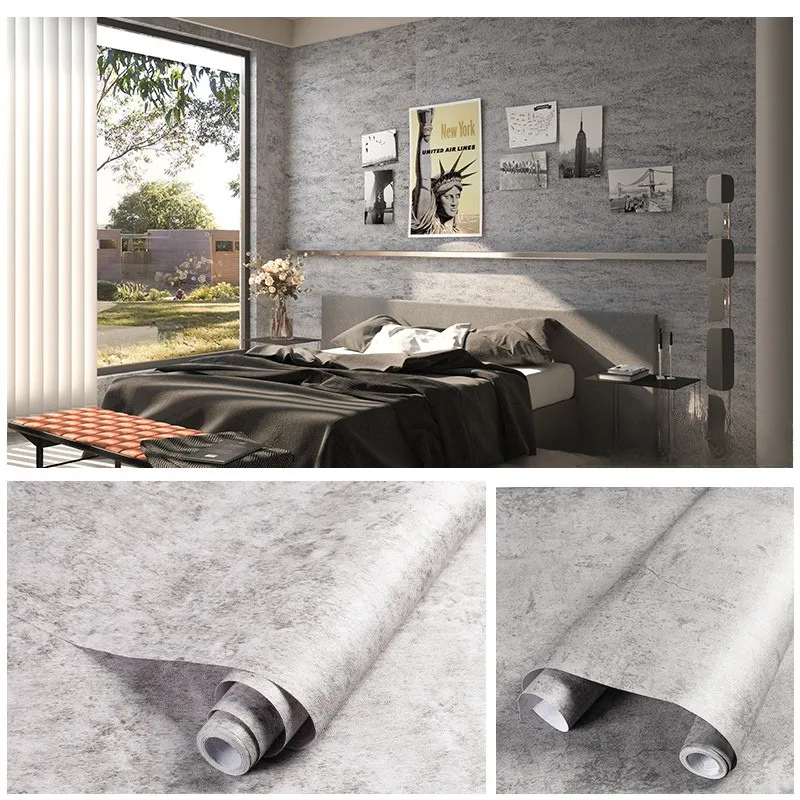
PVC (Polyvinyl Chloride) membrane, foil, film, and sheet are versatile synthetic materials that have revolutionized countless industries. From enhancing the aesthetics of your kitchen cabinets to providing durable protection for industrial components, PVC-based materials offer a unique combination of flexibility, durability, and cost-effectiveness. This ultimate guide will delve into the different types, explore their vast array of uses, and provide essential buying tips to help you select the perfect material for your project.
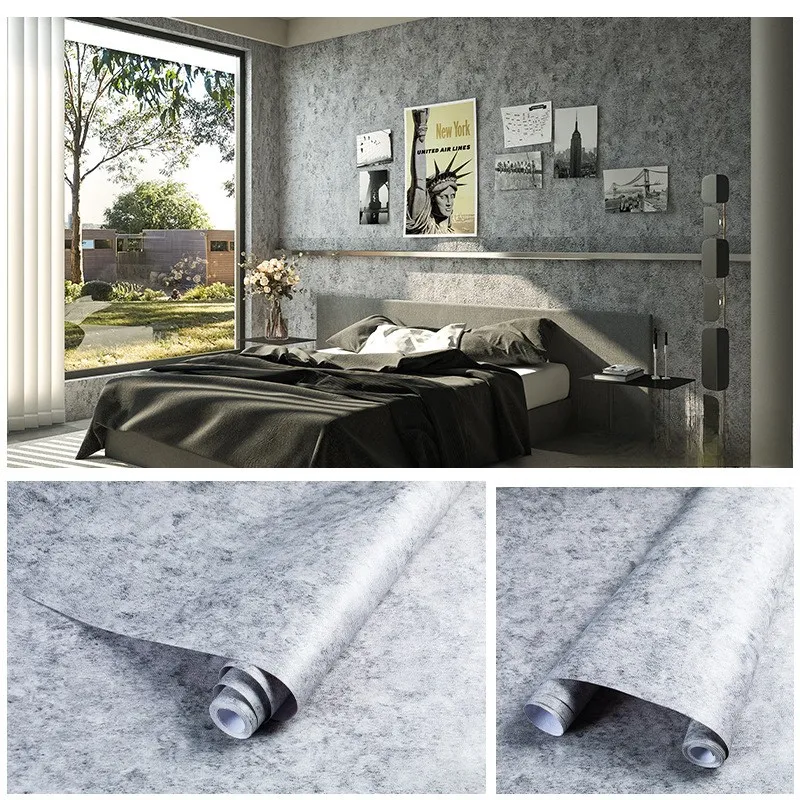
While often used interchangeably, these terms can denote subtle differences in thickness, manufacturing process, and application.
This is the most common categorization, typically based on thickness. PVC film generally refers to thinner, more flexible materials, often used for surface lamination, packaging, and protective layers. PVC sheet denotes a thicker, more rigid form, suitable for applications like signage, tank linings, and structural components. A key manufacturing process for these is calendering, where PVC compound is passed through heated rollers to achieve precise thickness and a smooth or textured surface.
The primary distinction between film and sheet is thickness and rigidity. Films are thin and pliable, while sheets are thicker and more structural.
PVC foil usually describes a very thin, often metalized or pigmented film used for decorative purposes. It’s commonly applied with heat and pressure to substrates like wood or MDF to create a high-gloss, metallic, or colorful finish, popular in furniture and interior décor.
This term is frequently used in construction and roofing. A PVC membrane is a thick, durable, and waterproof sheet material designed for long-term exposure to the elements. It is commonly used in single-ply roofing systems, pond liners, and tanking membranes for waterproofing.
The world of PVC films is diverse, with formulations designed for specific functions and aesthetics.
These films are designed to beautify and protect surfaces. They are a cornerstone of modern furniture and interior design.
These films are engineered for performance, offering protection from various elements.
PVC films have become indispensable in furniture manufacturing. They allow producers to create high-end finishes like glossy lacquers, realistic wood grains, and textured fabrics at a fraction of the cost of natural materials. This not only makes design more accessible but also offers greater durability and easier maintenance for end consumers.
Selecting the right PVC product requires careful consideration of several factors beyond just price.
Ask yourself: Is it for indoor or outdoor use? Does it need to be waterproof, UV resistant, or fire-retardant? Will it be subject to abrasion, chemicals, or high traffic? The answers will dictate the necessary material properties, such as thickness, tensile strength, and additive package.
Pay close attention to technical data sheets. Key specs include thickness (in microns or mils), width, roll length, tensile strength, elongation at break, and tear resistance. For applications involving food contact, indoor air quality, or specific markets, look for relevant certifications like FDA, REACH, RoHS, or ISO standards.
For decorative applications, the visual and tactile quality is paramount. Request physical samples to assess color accuracy, pattern consistency, gloss level (measured in GU), and texture feel. Ensure the sample is large enough to visualize on your intended surface.
The cheapest film per square meter may be the most expensive in the long run. Consider factors like ease of application (which affects labor cost), durability (replacement frequency), and performance (does it prevent costly damage?). A slightly more expensive, high-performance film often provides better value.
Choose a supplier with proven expertise, like Pulivk, which offers full in-house control from calendering to finishing. Key advantages of such partners include:
The difference is primarily in thickness and rigidity. PVC film is thinner (typically under 0.25mm/10 mils) and more flexible, used for lamination and wrapping. PVC sheet is thicker and more rigid, used for fabrication, signage, and structural applications where self-support is needed.
Yes, when produced to high standards. Look for films that are phthalate-free, low in VOCs (Volatile Organic Compounds), and compliant with international safety standards like REACH or FDA for food-contact applications. Reputable manufacturers use non-toxic, eco-friendly inks and compounds suitable for interior spaces.
Yes, but it depends on the film’s formulation, thickness, and the radius of the curve. Thinner, more flexible films with good elongation properties are designed for post-forming applications and can wrap around gentle curves. For tight radii, specialized conformable films or the application of heat may be required.
Most decorative PVC films are very low-maintenance. For daily cleaning, use a soft cloth dampened with a mild soap solution. Avoid abrasive cleaners, scouring pads, or strong solvents like acetone, which can damage the surface finish. Always follow the manufacturer’s specific care instructions.
Absolutely. Leading manufacturers like Pulivk offer extensive OEM/ODM services. You can custom-match specific Pantone colors, create unique patterns, adjust gloss levels, and modify physical properties (like adhesion or scratch resistance) to meet the exact needs of your project. It’s best to discuss your requirements directly with their technical team.