Address
304 North Cardinal St.
Dorchester Center, MA 02124
Work Hours
Monday to Friday: 7AM - 7PM
Weekend: 10AM - 5PM
Address
304 North Cardinal St.
Dorchester Center, MA 02124
Work Hours
Monday to Friday: 7AM - 7PM
Weekend: 10AM - 5PM


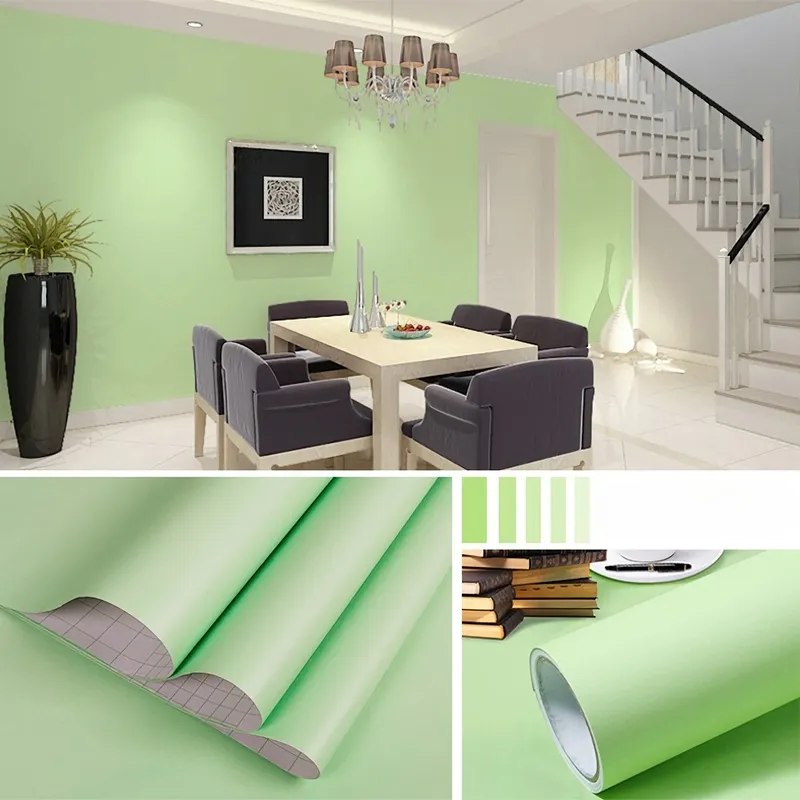
In the world of modern manufacturing and interior design, clarity and versatility are often paramount. Among the myriad of materials available, PVC Crystal Clear Film stands out as a remarkably transparent and adaptable solution. This guide delves into the essential uses, significant benefits, and diverse applications of this unique material, providing a comprehensive overview for professionals and enthusiasts alike.
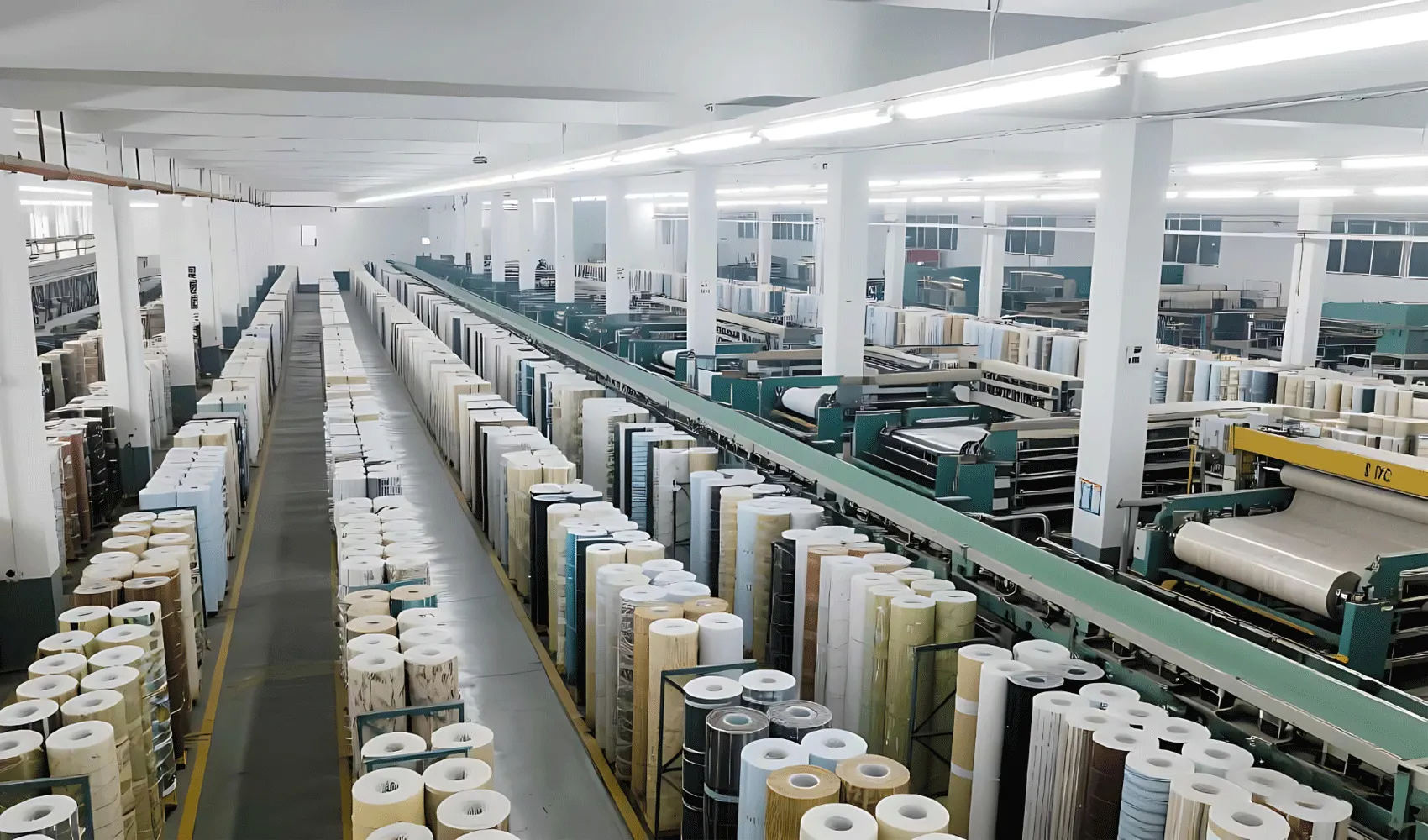
PVC Crystal Clear Film is a specialized type of polyvinyl chloride film engineered for exceptional optical clarity. Unlike standard calendered films that may have a slight haze or tint, this variant is processed to maximize transparency, allowing for near-perfect visibility through the material. It combines the inherent durability and flexibility of PVC with a glass-like appearance, making it an ideal choice where both protection and visual appeal are required.
💡 Key Characteristic: Its primary defining feature is its high light transmittance, which makes it perfect for applications where the underlying surface or object needs to remain visible while being protected or enhanced.
The adoption of PVC Crystal Clear Film is driven by a powerful combination of practical benefits that address common challenges across industries.
One of the most compelling advantages is its ability to provide a robust protective barrier without obscuring the item beneath. It shields surfaces from scratches, dust, moisture, and minor abrasions while maintaining the original aesthetic. This is invaluable for preserving the look of retail displays, electronic screens, or valuable documents.
PVC film is naturally resistant to tearing and chemicals. The crystal clear version retains these properties, offering a longer lifespan than many other transparent protective materials. Its flexibility allows it to conform to curved or irregular surfaces easily, which rigid materials like glass or thick acrylic cannot do.
Compared to other high-clarity materials, PVC Crystal Clear Film offers a significantly lower cost per square meter. This makes large-scale applications, such as covering entire walls or large machinery, economically feasible without compromising on quality or appearance.
Many variants are self-adhesive or can be easily applied with standard adhesives. Once in place, maintenance is simple—usually requiring just a damp cloth for cleaning—making it a low-maintenance solution for high-traffic areas.
The utility of PVC Crystal Clear Film spans a wide spectrum, from industrial settings to creative design projects.
In retail environments, product presentation is everything. This film is used to create clear protective overlays for price tags, informational signage, and promotional graphics. It keeps displays looking fresh and professional, resisting the wear and tear of constant customer interaction. Its clarity ensures that branding and product information are never compromised.
For furniture manufacturers and homeowners, protecting surfaces is a constant concern. Clear PVC film can be applied to tabletops, cabinet doors, and shelves to guard against spills, heat marks, and scratches. It allows the natural beauty of wood grains, such as those found in high-quality wood grain films, or the sleek finish of laminates to show through unimpeded, while adding a layer of practical defense.
Archivists, museums, and offices use this film to laminate important documents, maps, photographs, and artwork. The crystal clarity ensures no detail is lost, while the PVC material provides protection from UV light (in treated varieties), moisture, and physical handling, significantly extending the life of precious items.
In factories and warehouses, equipment often requires clear, durable labels for instructions, safety warnings, or operational data. PVC Crystal Clear Film is printed on and then applied as an overlay. It withstands oily, dusty, or wet conditions where paper labels would fail, and its transparency allows it to blend seamlessly with the machine’s surface.
Interior designers utilize this film in innovative ways. It can be applied over patterned wallpapers or solid color wallpapers to add a glossy, protective seal. It’s also used in creating “floating” effects for shelves or displays and can even be layered with other decorative films for custom effects. For a more textured look, it can be combined with materials like 3D silk texture film underneath.
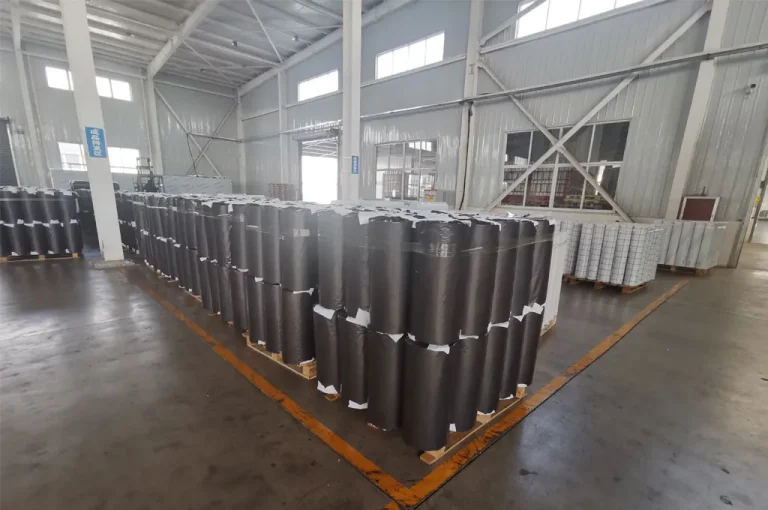
Producing high-clarity PVC film requires precise control over raw materials, calendering temperature, and cooling processes to prevent imperfections like clouding or bubbles. Manufacturers with full in-house production lines—from calendering to slitting—can ensure this consistency. They control every variable, resulting in a product with uniform thickness, flawless surface, and reliable adhesive properties (if applicable). This level of quality control is difficult to achieve with outsourced or partial manufacturing processes.
Furthermore, a proficient manufacturer can offer customization in thickness, width, and roll length, and can provide treatments such as anti-static or anti-fog coatings to meet specific application needs, much like the specialized treatments available for kitchen anti-oil films.
Choosing the right PVC Crystal Clear Film involves considering several key specifications:
While both are PVC-based, “Crystal Clear” film undergoes specialized manufacturing to achieve higher optical clarity and less inherent haze. It is often more dimensionally stable and may have better resistance to yellowing over time compared to standard clear vinyl.
For such applications, it is crucial to select a film that is specifically certified as phthalate-free and non-toxic. Reputable manufacturers offer food-grade compliant and child-safe variants that meet international standards like FDA or REACH.
Yes, it is an excellent substrate for both digital and screen printing. Special inks that adhere well to PVC are used. Printing is often done on the reverse side (back-printing) so the ink is protected behind the clear layer, resulting in a vibrant, scratch-resistant graphic.
For self-adhesive films, the key is a clean, dry, and smooth surface. Use a squeegee or soft cloth to apply firm, even pressure from the center outward, pushing any air bubbles to the edges. For large sheets, a “wet application” method using a mild soapy water solution can allow for repositioning before the adhesive sets.
Indoors, under normal conditions, high-quality PVC Crystal Clear Film can last for 5 to 10 years or more without significant yellowing or degradation. Outdoor lifespan is shorter (2-5 years) and heavily dependent on the level of UV exposure and the presence of UV stabilizers in the film’s formulation.