Address
304 North Cardinal St.
Dorchester Center, MA 02124
Work Hours
Monday to Friday: 7AM - 7PM
Weekend: 10AM - 5PM
Address
304 North Cardinal St.
Dorchester Center, MA 02124
Work Hours
Monday to Friday: 7AM - 7PM
Weekend: 10AM - 5PM


 ByPulivk
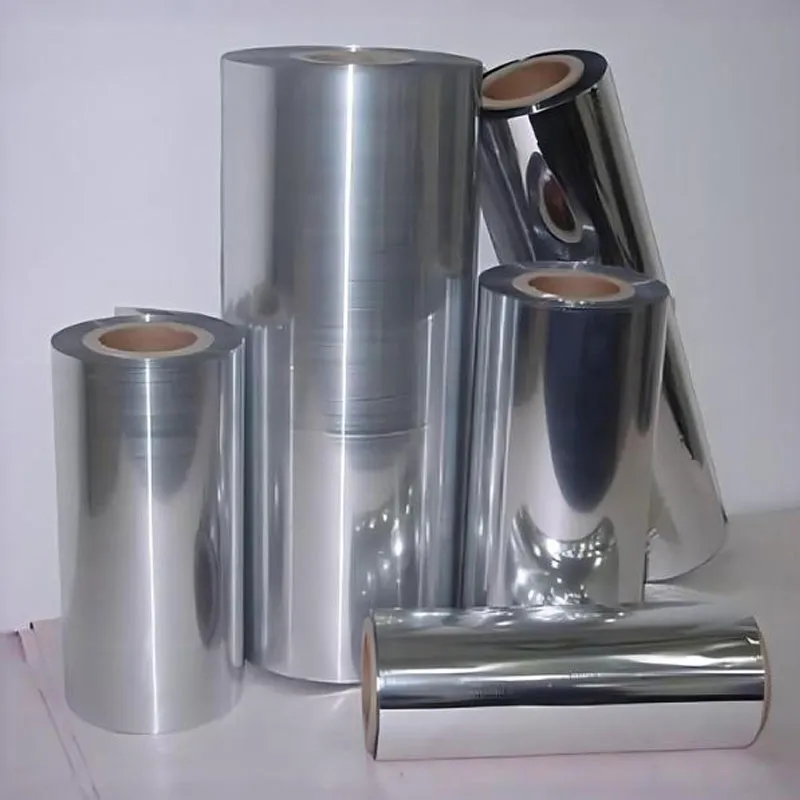
For door manufacturers and installers in Burundi, selecting the right PVC film is a balance of durability, appearance, cost and suitability for local climate conditions. This guide explains which PVC films work best for interior and exterior doors in Burundi, what thickness and surface finishes to choose, and how to order reliably from a factory partner.
PVC door films offer a cost-effective way to achieve attractive wood, marble or solid color finishes without expensive solid wood or paint. In Burundi — where humidity in some regions and strong sunlight in others affect materials — PVC films with UV stabilizers and good waterproof performance help maintain door appearance and function for years. Door businesses benefit from fast installation, low maintenance and the ability to offer a wide range of styles at competitive prices.
Different films solve different problems. Below are the most relevant PVC films for door applications in Burundi’s market.
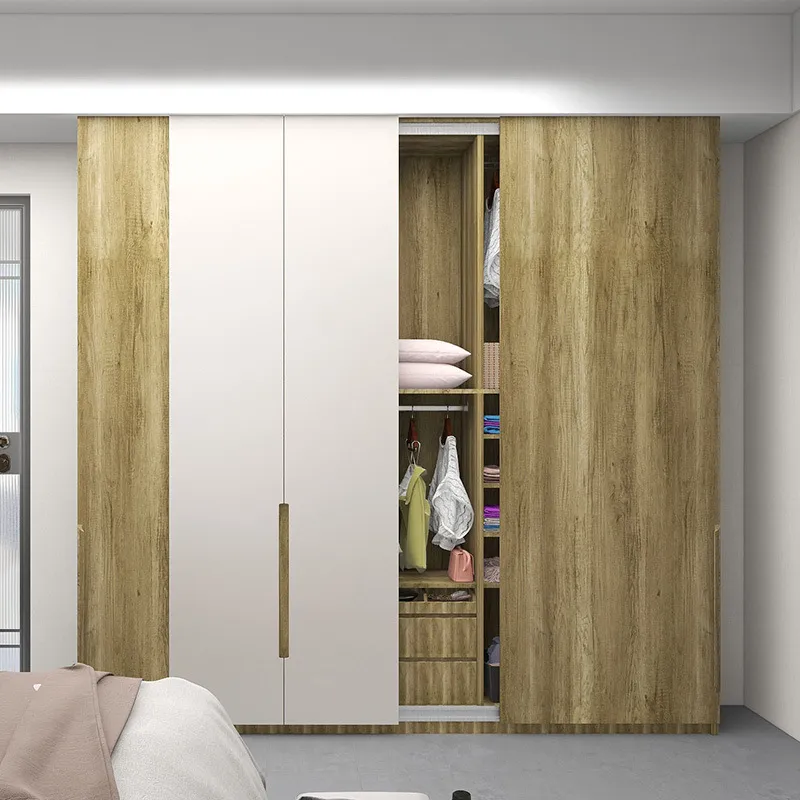
Best for replicating wood finishes on MDF, HDF and PVC doors. Choose films with anti-fade additives and embossed textures to mimic real wood while resisting moisture. Typical thickness: 120–350 μm.
Glossy films give a modern, reflective finish suitable for high-end interiors; matte films hide fingerprints and are popular for residential doors. Select low-gloss finishes where frequent cleaning is expected.
For high-traffic commercial doors, embossed or anti-scratch options increase lifespan and preserve appearance under heavy use.
Self-adhesive PVC is ideal for quick retrofit jobs; calendered non-adhesive films are typically heat-pressed or laminated for long-term door production. For Burundi’s market, non-adhesive calendered films are preferred for factory door fabrication due to stronger bonds and better edge sealing.
| Film Type | Best For | Thickness (μm) | Pros |
|---|---|---|---|
| Wood-grain calendered | Residential & commercial doors | 120–350 | Realistic texture, durable, cost-effective |
| Embossed / anti-scratch | High-traffic & exterior doors | 150–400 | Wear resistance, hides damage, longer lifespan |
| Glossy decorative | Modern interiors, showroom doors | 80–200 | High visual impact, easy to clean, lower cost |
| Self-adhesive | Retrofits & quick installations | 80–200 | Fast install, great for small orders, limited long-term durability |
Thickness and film construction: For durable door faces, specify at least 150 μm for calendered decorative films; choose thicker embossed films (200–400 μm) for heavy-use doors.
UV & weather additives: Ask for UV stabilizers and anti-yellowing additives if doors will be exposed to sunlight. This is important for regions in Burundi with strong daylight exposure.
Adhesive system: For factory lamination, choose films designed for hot-press or vacuum lamination. For on-site retrofitting, request strong self-adhesive backing with release liner.
Edge sealing compatibility: Confirm film adhesion and recommended sealants for door edges to prevent moisture ingress in humid seasons.
Proper substrate preparation is essential: clean and dry MDF/HDF surfaces, use recommended primers, and avoid lamination in very high humidity. For exterior doors, ensure door edges are sealed and hardware recesses are treated to prevent water entry.
Cleaning: Use mild detergent and soft cloths. Avoid harsh solvents that can damage film surface. For glossy finishes, microfibre cloths reduce visible scratches.
Temperature during lamination: Follow supplier recommendations — most calendered films laminate best between 70–90°C with appropriate pressure for the substrate thickness.
Door manufacturers in Burundi often prioritize competitive pricing and reliable lead times. Ordering in roll lengths and opting for split-packaging can reduce storage costs and improve workflow. For clients seeking OEM customization, request color samples and small trial batches before committing to large orders.
For dependable production capabilities, consistent quality control and flexible OEM support, consider sourcing from Pulivk — Henan Pulivk New Materials Co., Ltd. (https://pvcfilmtec.com/), which offers calendering lines, printing capabilities and split-packaging to meet varied door manufacturing needs.
For most door companies serving Burundi, choose a wood-grain calendered film with UV stabilization and a thickness between 150–300 μm for a good balance of realism, durability and cost. Use embossed/anti-scratch films for higher-traffic or exterior doors, and reserve self-adhesive films for quick retrofit projects.