Address
304 North Cardinal St.
Dorchester Center, MA 02124
Work Hours
Monday to Friday: 7AM - 7PM
Weekend: 10AM - 5PM
Address
304 North Cardinal St.
Dorchester Center, MA 02124
Work Hours
Monday to Friday: 7AM - 7PM
Weekend: 10AM - 5PM



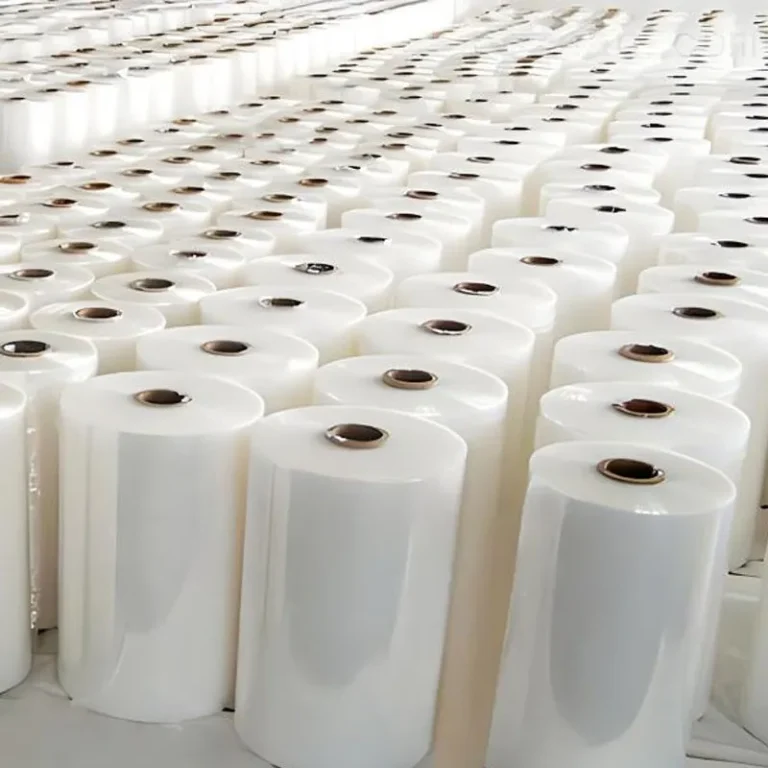
Clear PVC film rolls are a remarkably versatile material, offering a combination of transparency, durability, and flexibility that makes them indispensable across a wide range of industries. From protecting products during shipping to serving as a key component in sophisticated interior designs, these films provide solutions that are both practical and aesthetic. Understanding their uses, the various types available, and the potential for custom solutions is crucial for businesses looking to leverage this material effectively.
The utility of clear PVC film stems from its fundamental properties: it is see-through, resistant to moisture and many chemicals, and can be manufactured in varying degrees of flexibility and thickness. This makes it a go-to material for numerous applications.
One of the most common uses is in protective packaging. Clear PVC film is used to wrap pallets, bundle products, and create protective sleeves. Its clarity allows for easy product identification and barcode scanning without removal, streamlining logistics. In industries like electronics, a specialized calendered film variant offers superior surface protection against scratches and dust during storage and transit.
In the world of interior design, clear PVC film is a silent hero. It is frequently used as a protective laminate over printed graphics, wallpapers, and decorative surfaces. For instance, a clear film overlay can protect a beautiful solid color wallpaper or an intricate 3D silk texture film from moisture, stains, and wear, especially in high-traffic commercial areas or humid environments like kitchens and bathrooms. This extends the life of the decorative material significantly.
Beyond packaging and decor, clear PVC films serve critical functions in industrial settings. They are used as masking films in painting and sandblasting, as release liners in composite manufacturing, and as protective barriers in cleanrooms. Their ability to be formulated with specific additives also allows for specialized types, such as anti-static films for electronics packaging or UV-resistant films for outdoor applications.
Key Advantage: The clarity of PVC film does not compromise its strength. It provides a durable, protective barrier while maintaining visual access to the underlying product or surface, a combination that few other materials can offer cost-effectively.
Not all clear PVC films are created equal. Variations in manufacturing processes and formulations lead to different types, each with distinct characteristics suited for particular jobs.
This type is produced by processing heated PVC compound through a series of rollers (calenders). Calendered films are known for their excellent clarity, high gloss finish, and consistent thickness. They are typically used in high-quality graphic overlays, floor film protection layers, and rigid applications where dimensional stability is key.
Produced through an extrusion and blowing process, this film has slightly different properties. It often has better cling and stretch characteristics compared to calendered film. Blown film is frequently chosen for stretch wrapping applications, garment packaging, and other uses where conformability and tear resistance are important.
Clear PVC can be engineered with specific surface properties. This includes:
✔ Anti-fog Film: Prevents condensation buildup, ideal for food packaging or protective covers in humid conditions.
✔ Anti-static Film: Prevents the buildup of static electricity, crucial for protecting sensitive electronic components.
✔ Self-adhesive Film: Features a pressure-sensitive adhesive backing for easy application to surfaces, useful for temporary protective masking or permanent laminates.
Selecting the correct film depends on your project’s requirements. Consider these factors:
Application: Is it for protection, decoration, or insulation?
Environment: Will it be exposed to moisture, chemicals, or UV light?
Physical Demands: Does it need to stretch, resist puncture, or bear weight?
Regulatory Needs: Are there food-contact or flame-retardancy standards to meet?
The true power of modern PVC film manufacturing lies in customization. Off-the-shelf products work for many, but specific challenges often require tailored solutions. This is where partnering with an experienced producer like Pulivk Film becomes invaluable.
Virtually every aspect of a clear PVC film roll can be customized to fit a unique application:
Thickness and Gauge: Films can be produced in micron-thin layers for lightweight packaging or in thicker gauges for heavy-duty protection and durability.
Width and Roll Length: To minimize waste and optimize production efficiency, films can be slit to exact widths and wound onto cores of specified diameters and lengths.
Surface Texture and Finish: While clear film is often glossy, it can be manufactured with a matte or satin finish to reduce glare. It can also be embossed with subtle textures.
Special Formulations: Additives can be incorporated into the PVC compound to achieve properties like enhanced UV resistance, flame retardancy (FR), low-temperature flexibility, or compliance with specific food-grade or medical standards.
For businesses with proprietary designs or stringent specifications, OEM (Original Equipment Manufacturer) and ODM (Original Design Manufacturer) services are essential. This collaborative process involves:
1. Consultation & Requirement Analysis: Experts work with you to understand the technical and performance needs of your project.
2. Material Development & Sampling: A custom formulation or structure is developed, and physical samples are produced for your testing and approval.
3. Production & Quality Assurance: Once approved, the order moves to full-scale production under strict quality control protocols, ensuring every roll matches the sample.
4. Custom Packaging: Rolls can be packaged according to your logistics needs, whether it’s individual PE wrapping, specific labeling, or palletization for export.
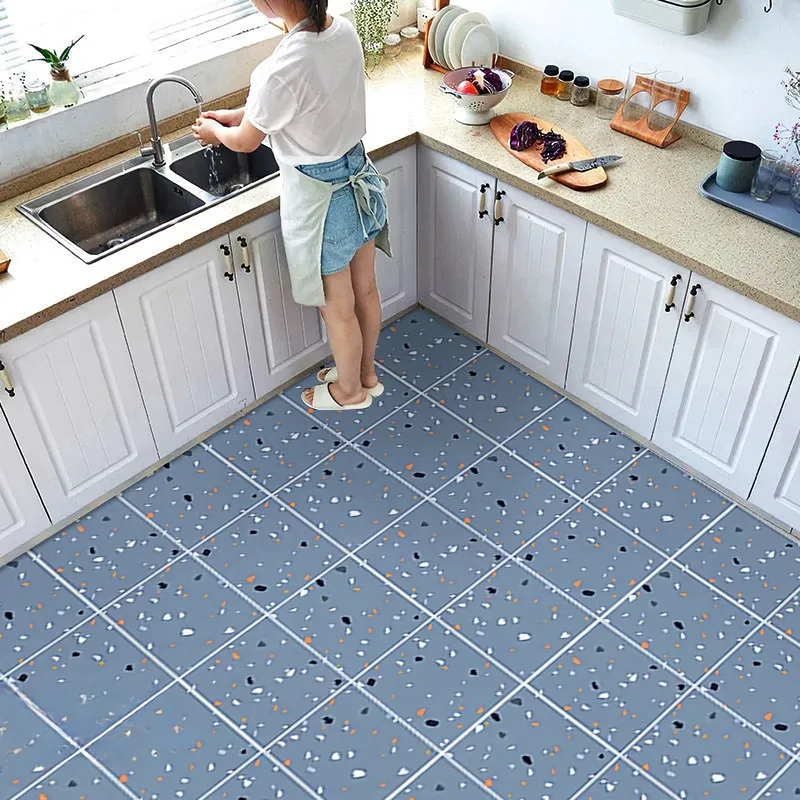
This approach is perfect for creating specialized products like a unique protective layer for a new line of vinyl kitchen flooring or a custom clear laminate for automotive interior components.
Choosing a supplier that controls the entire production process—from raw material compounding to calendering, slitting, and packaging—offers significant benefits. Pulivk Film operates with this integrated model.
Consistent Quality: In-house control over every production step eliminates variability from subcontractors, guaranteeing uniform clarity, thickness, and performance roll after roll.
Cost Efficiency: Vertical integration removes middleman markups and allows for optimization of material usage, translating into better value.
Flexibility and Speed: A dedicated production line can be adjusted quickly for custom orders, enabling faster sampling and shorter lead times for both trial runs and large-volume orders.
Technical Expertise: Direct access to production and R&D teams means you get expert guidance on material selection and problem-solving, ensuring your custom film performs as intended.
Q1: What are the key advantages of clear PVC film over other plastic films like PET or PP?
A: Clear PVC film offers a superior balance of clarity, tear strength, and flexibility. It has better inherent cling and stretch recovery than PP and is often more cost-effective and easier to thermoform than PET for certain applications. Its chemical resistance and barrier properties can also be finely tuned through formulation.
Q2: Can clear PVC film be recycled?
A: The recyclability of PVC film depends on local infrastructure. PVC is technically recyclable, but it requires separate collection from other plastics. Some manufacturers, including Pulivk, focus on producing durable, long-life products and use formulations that comply with international environmental and safety standards like RoHS and REACH.
Q3: How do I determine the right thickness for my application?
A: Thickness is measured in microns (μm) or mils. A lighter packaging application might use a 50μm film, while a heavy-duty protective floor covering might require 200μm or more. The best method is to discuss your application’s stress, wear, and durability requirements with your supplier’s technical team, who can recommend a suitable gauge and may provide samples for testing.
Q4: Are there clear PVC films suitable for outdoor use?
A: Yes, but standard clear PVC can yellow and become brittle with prolonged UV exposure. For outdoor applications, it is essential to use a film specially formulated with UV stabilizers and antioxidants. These “weather-resistant” or “UV-stable” films are designed to maintain their clarity and physical properties for extended periods outdoors.
Q5: What information should I provide when requesting a quote for a custom clear PVC film?
A: To get an accurate and timely quote, provide as much detail as possible: desired thickness, width, roll length, core size, key performance requirements (e.g., tensile strength, elongation, haze level), any necessary certifications (e.g., food-grade, flame retardant), and the estimated annual volume. Sharing a sample of what you are trying to achieve or replace is extremely helpful.