Address
304 North Cardinal St.
Dorchester Center, MA 02124
Work Hours
Monday to Friday: 7AM - 7PM
Weekend: 10AM - 5PM
Address
304 North Cardinal St.
Dorchester Center, MA 02124
Work Hours
Monday to Friday: 7AM - 7PM
Weekend: 10AM - 5PM


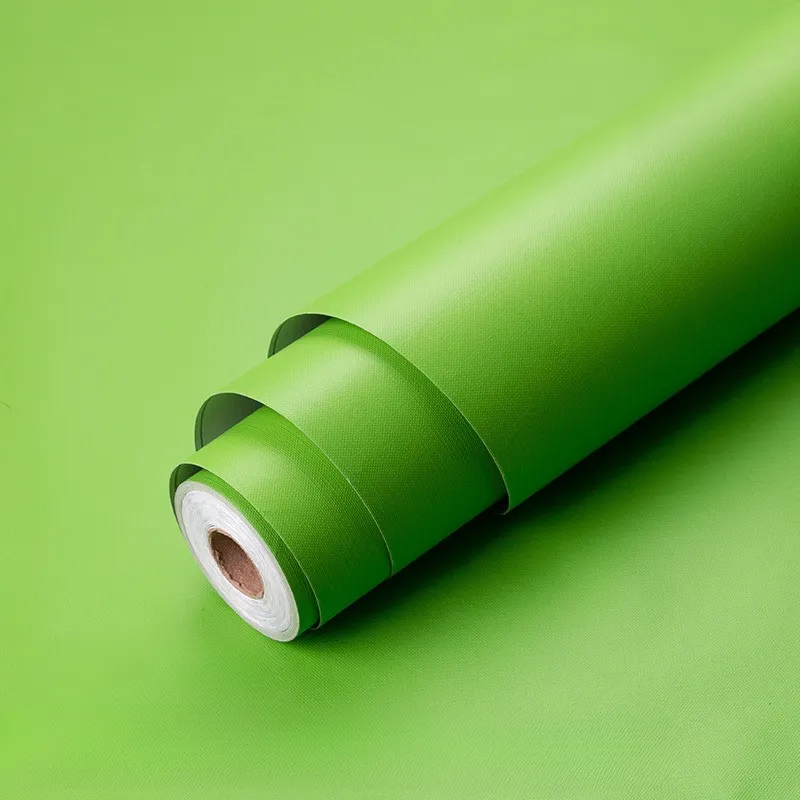
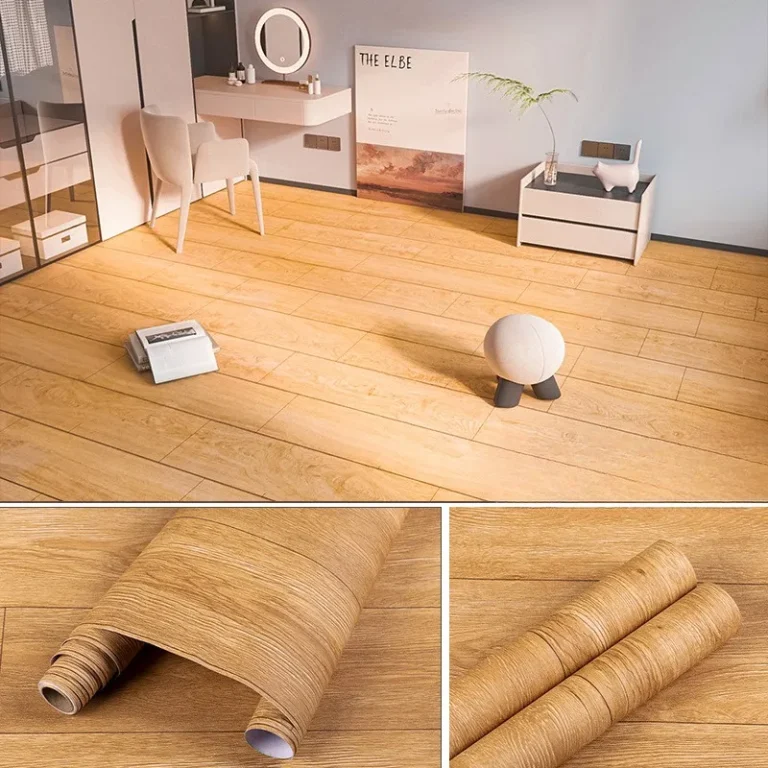
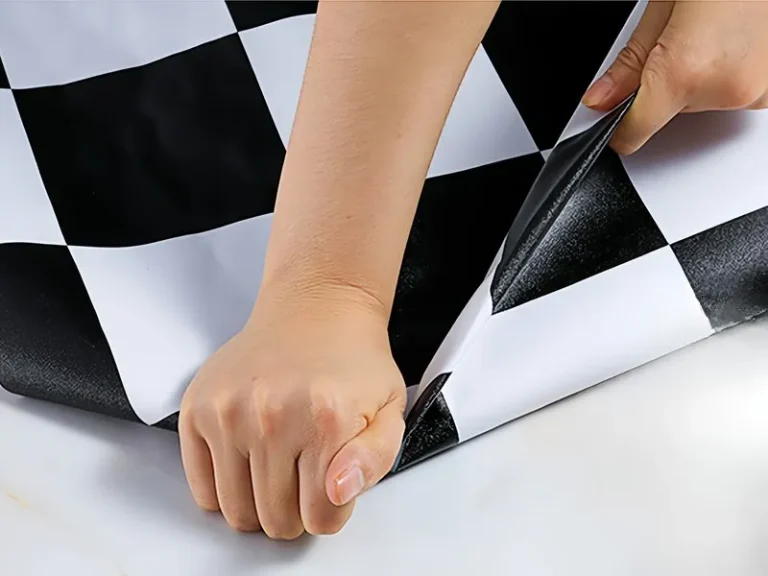
PVC film for furniture is a transformative material that has revolutionized interior design and manufacturing. This versatile product offers a cost-effective and aesthetically pleasing alternative to traditional materials like solid wood, laminate, or paint. From kitchen cabinets and wardrobes to office desks and retail fixtures, PVC film provides a durable, customizable, and easy-to-maintain surface solution. Its ability to mimic high-end finishes such as wood grain, marble, and metallic textures makes it a favorite among designers and manufacturers seeking both beauty and practicality.
Polyvinyl Chloride (PVC) film is a thin, flexible sheet produced through a process called calendering. In this method, a heated PVC compound is passed through a series of heavy rollers to achieve the desired thickness and surface texture. The result is a consistent, high-quality film that can be further treated with prints, embossed patterns, or functional coatings. The core advantages of this manufacturing process include excellent dimensional stability, uniform thickness, and the ability to produce large, continuous rolls ideal for industrial applications.
Key Insight: The calendering process is crucial for producing the smooth, defect-free surface that makes PVC film perfect for furniture lamination. For a deeper look into this production method, explore our detailed guide on Calendered Film.
The furniture industry utilizes a diverse range of PVC films, each offering unique visual and tactile properties to suit different design needs and functional requirements.
These films are designed primarily for aesthetics and are applied to visible surfaces like cabinet doors, tabletops, and side panels.
These films are engineered for specific performance characteristics beyond decoration.
PVC film’s versatility allows it to be used across virtually all furniture segments, transforming substrates like MDF, particleboard, and plywood into beautiful, durable finished products.
This is one of the largest application areas. PVC film is laminated onto cabinet doors, drawer fronts, and side panels. It offers exceptional resistance to moisture, steam, grease, and daily cleaning chemicals—a critical requirement in kitchens and bathrooms. Films with wood grain or high-gloss finishes are particularly popular, providing style that withstands a demanding environment.
For bedroom wardrobes, closet systems, and office desks/partitions, PVC film provides a scratch-resistant and easy-to-clean surface. The wide variety of colors and patterns allows for seamless integration into any corporate or home decor theme, from minimalist white to bold wood grains.
In shops, hotels, and restaurants, furniture must be durable, easy to maintain, and aesthetically on-brand. PVC film is used on display shelves, countertops, reception desks, and hotel room furniture. Its consistency ensures every piece matches, and its durability stands up to high traffic.
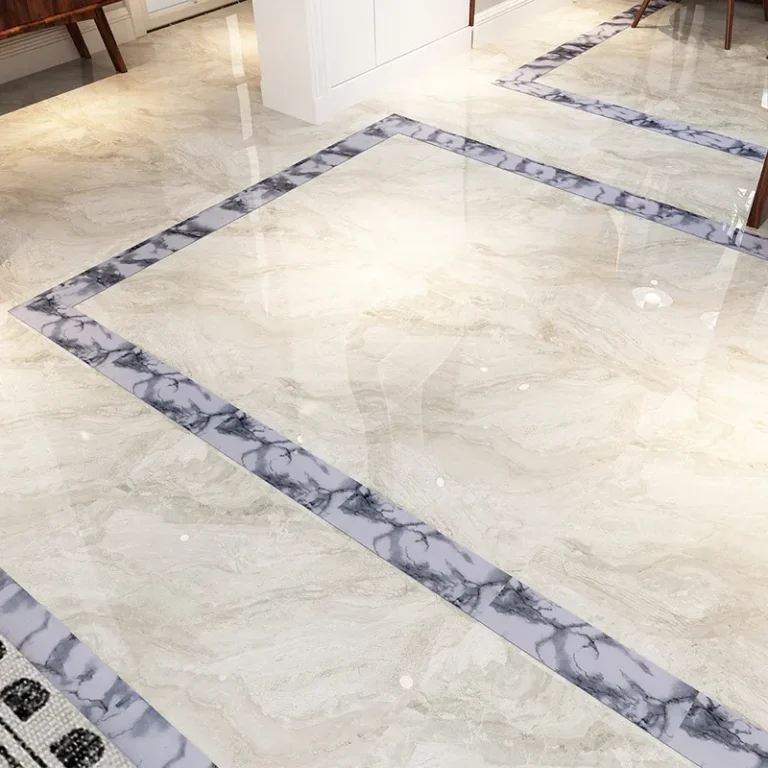
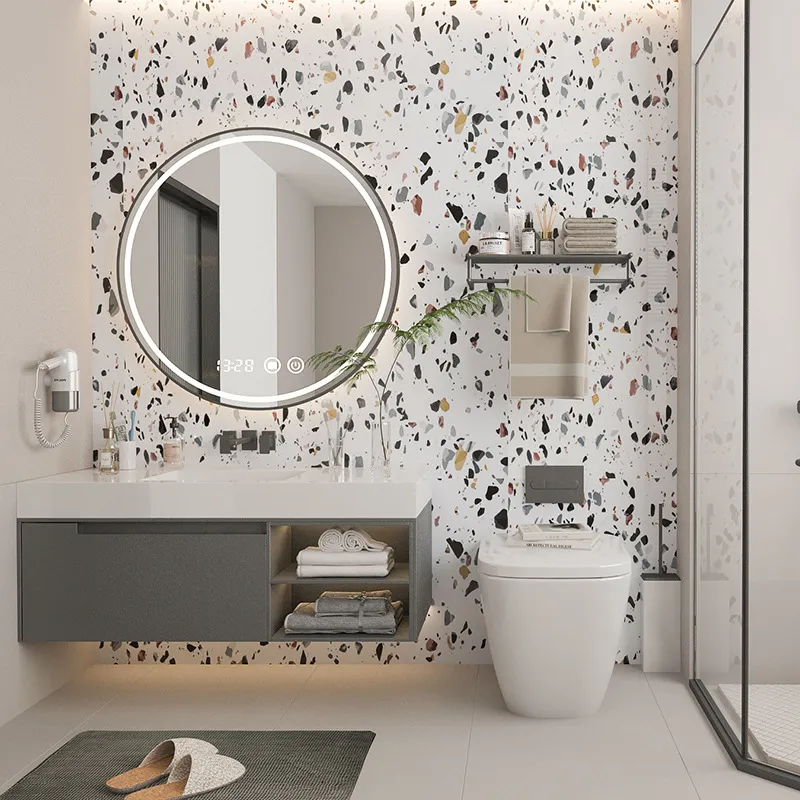
Designers use PVC films with unique textures like marble or abstract patterns to create statement pieces, accent walls, or decorative panels. The film allows for the luxurious look of natural stone at a fraction of the weight and cost.
The shift towards PVC film in furniture is driven by a compelling array of benefits for manufacturers, retailers, and end-users alike.
With an almost limitless palette of colors, patterns, and textures, PVC film enables endless design possibilities. It can achieve looks that are difficult or expensive with other materials, fostering creativity and meeting diverse market trends.
High-quality PVC films are resistant to scratches, impacts, stains, and fading from UV light. They are also waterproof and easy to clean with a damp cloth, making furniture last longer and look newer, reducing long-term replacement costs.
PVC film provides the appearance of premium materials at a significantly lower cost. The lamination process is also faster and generates less waste compared to painting or veneering, streamlining production and improving profitability.
Modern PVC films are often produced with eco-friendly formulations, free from heavy metals and phthalates. They allow for the efficient use of wood-based substrates, promoting resource conservation. Furthermore, they contribute to better indoor air quality as they do not off-gas like some paints or solvents.
Yes, high-quality PVC film is extremely durable. It is specifically engineered to resist daily wear and tear, including scratches, moisture, stains, and fading. With proper application and care, furniture laminated with PVC film can maintain its appearance and integrity for many years, making it a reliable choice for both residential and commercial settings.
Absolutely. One of the significant advantages of PVC film is its flexibility. Through specialized post-forming techniques, certain types of film can be thermally formed to wrap around curved edges, rounded corners, and complex profiles. This allows for seamless, gap-free coverage on modern furniture designs that feature non-flat surfaces.
PVC film often surpasses traditional options in several ways. It is typically more consistent in color and pattern, has better moisture resistance than wood veneer, and offers a wider range of modern textures and effects compared to standard laminates. It is also generally more cost-effective and can be applied with less waste, providing a superior balance of performance, aesthetics, and value.
Yes, responsible manufacturers now produce PVC films that comply with strict international safety and environmental standards such as REACH, RoHS, and low VOC emissions. These films are free from harmful substances like lead, cadmium, and phthalates, making them safe for use in homes, schools, and healthcare facilities. Always request compliance certificates from your supplier.
The process typically begins with a consultation to discuss your design, performance needs, and quantity. You can provide color swatches, digital patterns, or specific texture requirements. The manufacturer will then produce samples for your approval. Once confirmed, they proceed with the full production run. Reputable suppliers offer flexible OEM/ODM services to match exact specifications for color, width, thickness, and surface finish.