Address
304 North Cardinal St.
Dorchester Center, MA 02124
Work Hours
Monday to Friday: 7AM - 7PM
Weekend: 10AM - 5PM
Address
304 North Cardinal St.
Dorchester Center, MA 02124
Work Hours
Monday to Friday: 7AM - 7PM
Weekend: 10AM - 5PM


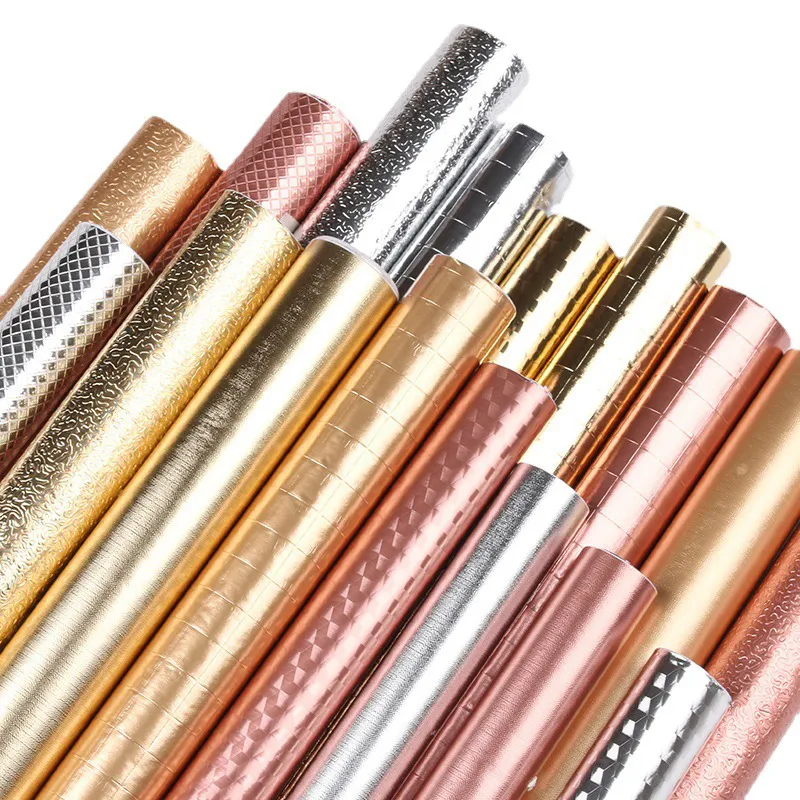
When it comes to home renovation and interior design, doors often play a surprisingly pivotal role. They are not just functional barriers for privacy and security; they are significant visual elements that set the tone for a room’s aesthetic. In recent years, PVC film for doors has emerged as a revolutionary solution, offering homeowners, designers, and contractors an unparalleled combination of versatility, durability, and style. This material allows for a complete door makeover without the expense and mess of replacement, making it a cornerstone of modern, cost-effective home improvement.
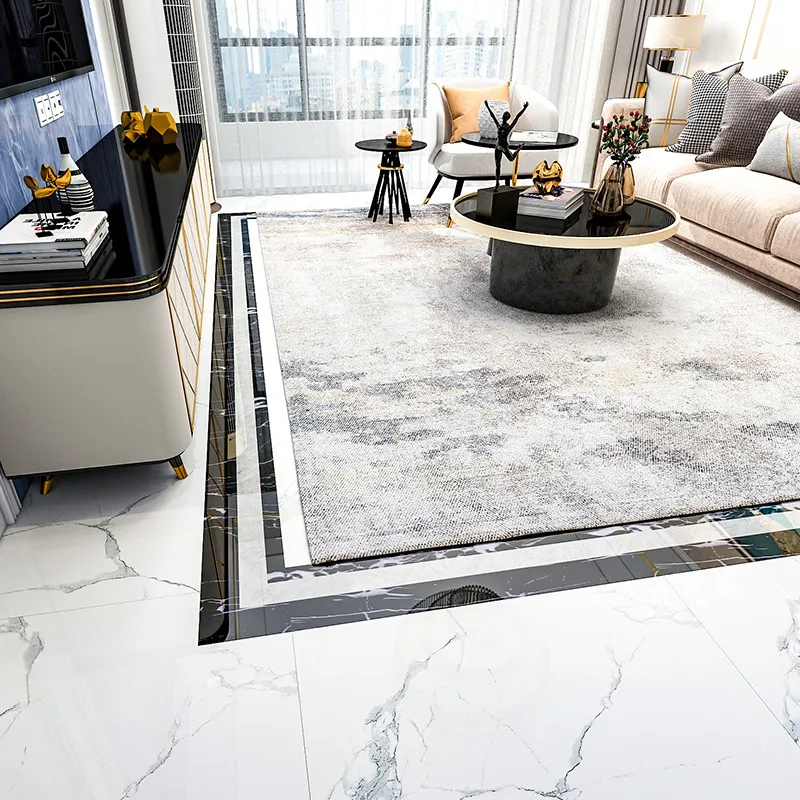
PVC (Polyvinyl Chloride) film is a flexible, thin sheet material that can be laminated onto various substrates, including wood, MDF, and even existing laminate surfaces. For doors, it acts as a decorative and protective skin. Unlike paint, which can chip, or solid wood, which can warp, high-quality PVC film provides a resilient finish that resists moisture, scratches, and daily wear. The core appeal lies in its ability to mimic expensive materials like natural wood grain, sleek marble, or brushed metal at a fraction of the cost and installation time.
Flexibility & Conformability: Can wrap around door edges and panels seamlessly.
Durability: Resistant to moisture, stains, and impact, ideal for high-traffic areas like kitchens and bathrooms.
Low Maintenance: Easy to clean with a damp cloth, requiring no special polishes or treatments.
Design Freedom: Available in an almost limitless array of colors, patterns, and textures.
The market offers a diverse range of PVC films tailored for different door applications and design visions. Choosing the right type is crucial for achieving the desired look and performance.
These are the most common types used for aesthetic upgrades. They transform plain doors into design statements.
Beyond aesthetics, some films serve specific protective purposes.
Adopting PVC film for door refurbishment or new construction projects brings a host of advantages that extend far beyond simple cosmetic improvement.
This is arguably the most significant benefit. Refilming an existing door is substantially cheaper than purchasing and installing a new, high-quality door. It allows for budget-friendly upgrades across multiple doors in a home, dramatically changing the interior’s feel without a major financial investment. For new builds or renovations, using a less expensive core material (like MDF) wrapped in a premium-looking film offers immense value.
With PVC film, you are not limited to standard door designs from a catalog. It enables complete customization. Whether you want a specific shade of blue, a unique wood pattern, or a custom graphic, manufacturers like Pulivk can produce it. This aligns perfectly with the growing trend of personalized home interiors, allowing homeowners to express their individual style on functional elements like doors.
Quality PVC films are engineered to last. They offer excellent resistance to:
Unlike painting, which requires extensive prep, drying time, and fumes, or door replacement, which involves carpentry and potential structural adjustments, filming a door is a relatively clean and quick process. This minimizes renovation downtime, allowing rooms to be used again much faster—a major plus for families or businesses.
Refurbishing existing doors with film is a form of upcycling, reducing waste by extending the life of old furniture and fixtures. It eliminates the need to dispose of old doors and consume resources for manufacturing entirely new ones. Furthermore, many producers now prioritize eco-friendly materials and processes, using non-toxic inks and recyclable components.
While professional installation guarantees a flawless finish, a determined DIY enthusiast can successfully apply self-adhesive or heat-activated PVC films. Here’s a general guide.
1. Door Assessment: Ensure the door is suitable. It must be clean, dry, and structurally sound. The surface should be smooth; any major dents or peeling old laminate must be repaired or sanded flat.
2. Surface Cleaning: Remove all hardware (handles, knobs, hinges). Thoroughly clean the door with a degreaser to remove any dirt, grease, or wax. Wipe down with isopropyl alcohol for a perfectly clean, grease-free surface.
3. Film Measurement & Cutting: Measure the door panel accurately. Cut your PVC film to size, leaving an excess of 2-3 inches on all sides to allow for alignment and wrapping over edges.
The method depends on the film type. For self-adhesive films, a “wet application” method is often easiest for beginners.
1. Mix a spray bottle with water and a few drops of mild dish soap (this creates a slip solution).
2. Peel back a small section of the film’s backing paper and lightly mist the adhesive side with the slip solution.
3. Position the film on the door, starting from the top center. The water allows you to slide and reposition the film perfectly.
4. Use a squeegee (starting from the center and moving outward) to push out water and air bubbles firmly.
5. Gradually peel back more backing, mist, and squeegee as you work your way down the door.
6. For wrapped edges, carefully heat the film with a heat gun to make it pliable, then wrap and adhere it to the door edges, trimming any excess.
For non-adhesive films or professional results, a contact adhesive is applied to both the door and the film. Once it becomes tacky, the film is carefully positioned and rolled on. A high-quality calendered film is often preferred for such professional installations due to its consistency and stability.
Trimming: Use a sharp utility knife or a trimming wheel to precisely cut away excess film from the edges and around hardware cutouts.
Final Sealing: For wrapped edges, ensure a strong seal by running a roller along all edges. For paneled doors, you may use a post-forming roller to ensure the film is fully adhered into the grooves.
Reassembly: Once fully dry (usually 24-48 hours), reattach all door hardware.
PVC film can be applied to most smooth, non-porous surfaces like laminated MDF, plywood, painted wood, and even metal doors. It is not suitable for raw, unfinished wood or doors with heavily textured, porous, or damaged surfaces without proper priming and preparation.
With proper installation and care, high-quality PVC film can last 10-15 years or more indoors. Its longevity is influenced by the quality of the film, the adhesive used, environmental factors (like direct sunlight or extreme humidity), and the level of physical wear.
Yes, especially self-adhesive films. Gentle heat from a hairdryer or heat gun can soften the adhesive, allowing you to slowly peel the film away. Any residual adhesive can be removed with a commercial adhesive remover or isopropyl alcohol. However, the ease of removal depends on the adhesive strength and the door’s original surface.
While standard interior films are not recommended for exterior use due to UV and weather exposure, specific exterior-grade PVC or HPL films are available. These are formulated with enhanced UV stabilizers and weather-resistant properties. It’s crucial to select a product specifically rated for outdoor use and ensure professional installation for a waterproof seal.
For a wide selection of durable and aesthetically pleasing films suitable for doors, including wood grain, solid colors, and textured options, consider exploring products from specialized manufacturers. You can browse various applications and find inspiration on dedicated knowledge resource pages. For specific projects, contacting the supplier directly to discuss your requirements is always the best course of action.