Address
304 North Cardinal St.
Dorchester Center, MA 02124
Work Hours
Monday to Friday: 7AM - 7PM
Weekend: 10AM - 5PM
Address
304 North Cardinal St.
Dorchester Center, MA 02124
Work Hours
Monday to Friday: 7AM - 7PM
Weekend: 10AM - 5PM


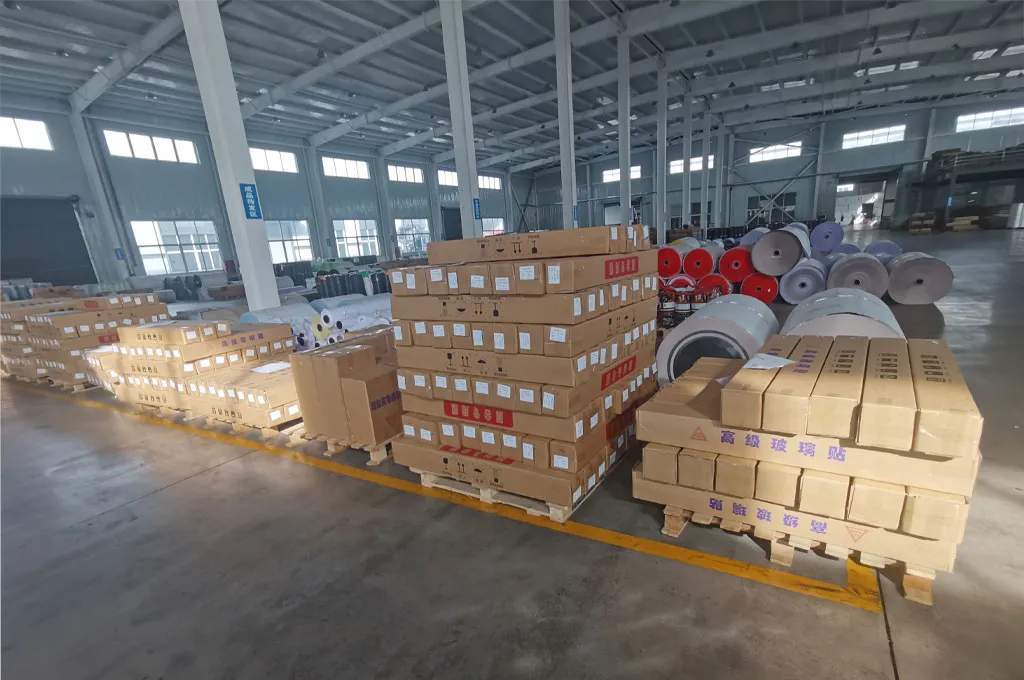
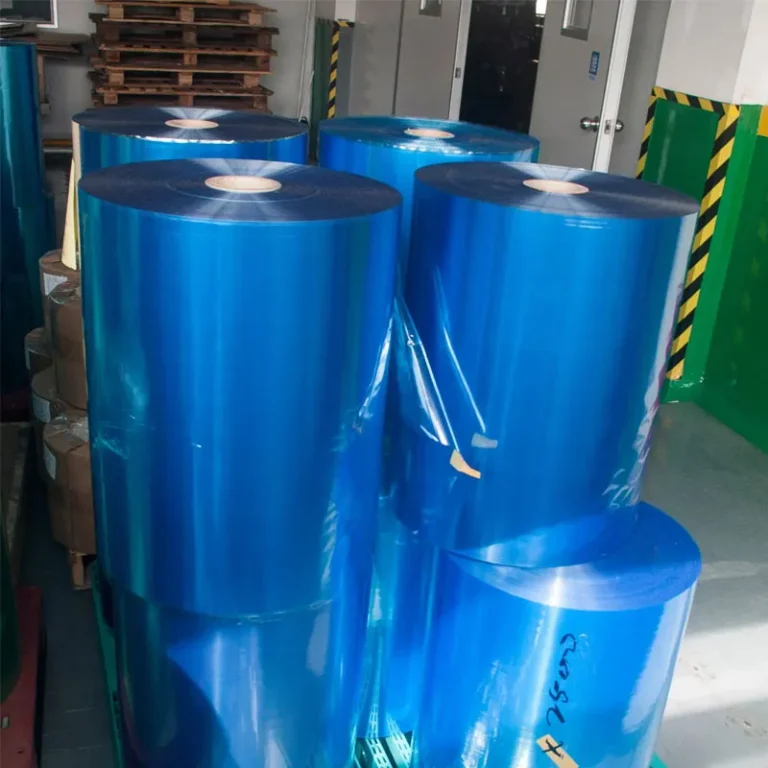
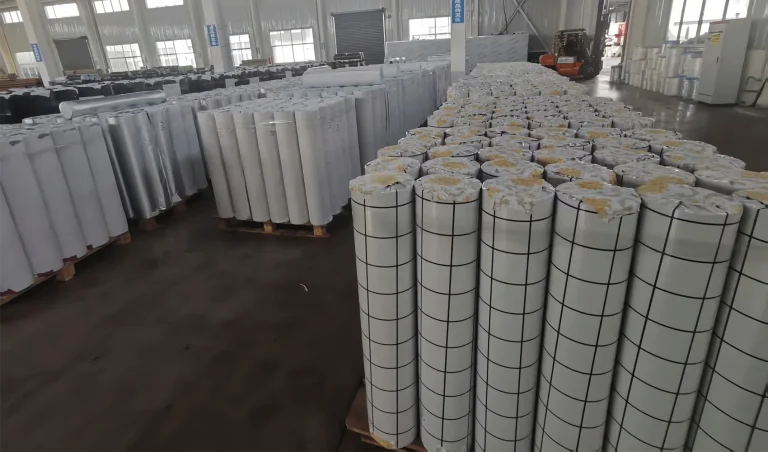
PVC panel film, often referred to simply as PVC film or vinyl film, is a versatile and durable material made from polyvinyl chloride. It is a thin, flexible sheet that is applied to surfaces—most commonly to medium-density fiberboard (MDF), plywood, or particleboard—to create a finished, decorative, and protective layer. This process, known as laminating or foiling, transforms basic substrates into aesthetically pleasing and functional panels used extensively in furniture, interior decoration, and construction.
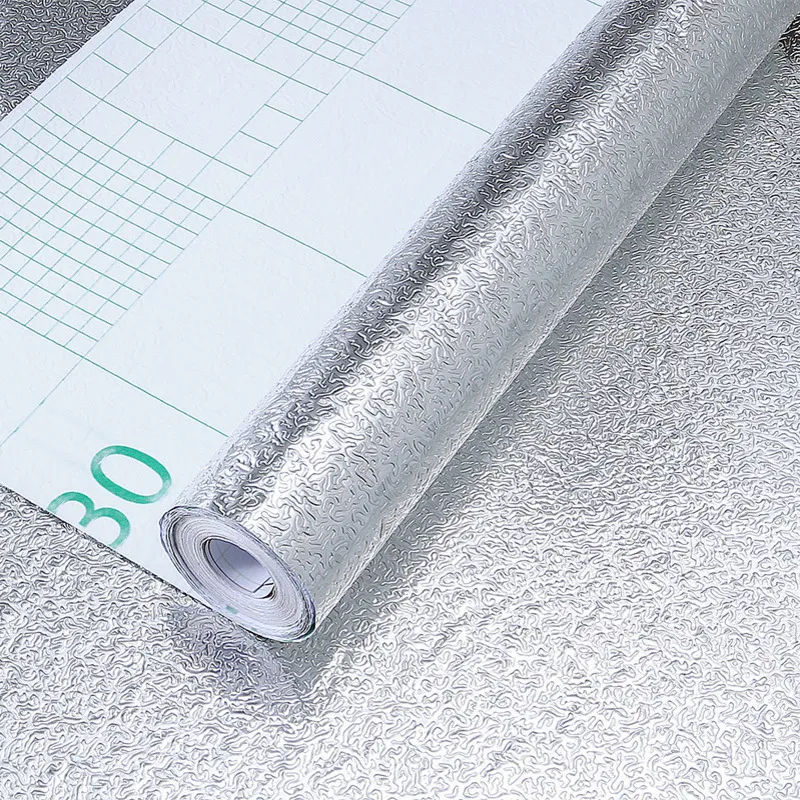
At its heart, PVC is a synthetic plastic polymer known for its durability, water resistance, and flexibility. When processed into a film, it can be engineered with various properties, textures, and finishes. The film typically consists of several layers: a PVC base layer, a printed decorative layer (which can mimic wood, stone, or solid colors), and a protective wear layer. This multi-layer construction is key to its performance, offering both beauty and resilience against scratches, moisture, and daily wear.
PVC panel film is not paint or a veneer; it is a pre-manufactured, consistent, and laminated material that provides a uniform finish unmatched by traditional coating methods. This consistency is crucial for large-scale manufacturing and projects requiring a seamless look.
The diversity of PVC films is vast, allowing for endless design possibilities. They are generally categorized by their surface finish, texture, and specific application properties.
The utility of PVC panel film spans across residential, commercial, and industrial sectors, driven by its adaptability and performance.
This is the largest application area. PVC films are laminated onto boards to create:
PVC film is a favorite for quick and affordable makeovers.
PVC films are highly resistant to scratches, impacts, stains, and moisture. The top wear layer protects the decorative print from fading due to UV exposure, ensuring the color and pattern remain vibrant for years. This makes it ideal for high-traffic areas and family homes.
Compared to solid wood, natural stone, or high-pressure laminates (HPL), PVC film offers a similar aesthetic appeal at a significantly lower material cost. It also reduces processing time and waste during manufacturing.
With an almost infinite array of colors, patterns, textures, and gloss levels, PVC film can match any design theme—from classic to ultra-modern. It allows for consistent reproduction of complex patterns across large batches.
The ability to achieve seamless, wrap-around edges on furniture components (post-forming) is a distinct advantage of PVC film over many other materials, creating a continuous, flowing appearance without visible seams or edges.
The non-porous surface resists dirt, grease, and bacteria. Most spills and stains can be wiped away with a damp cloth and mild detergent, requiring no special polishing or sealing.
PVC film is lightweight, which simplifies handling, transportation, and installation. It can be easily cut, routed, and shaped using standard woodworking equipment when laminated to a substrate.
Its resistance to water and humidity prevents warping, swelling, and mold growth, making it perfect for kitchens, bathrooms, and healthcare settings.
Modern PVC films can be produced to meet strict environmental and safety standards, such as REACH and RoHS. Many manufacturers, including Pulivk, use eco-friendly stabilizers and inks. PVC is also recyclable, and responsible production focuses on reducing environmental impact.
While wood veneer offers a unique natural grain, PVC film is more consistent, cost-effective, and far superior in moisture and scratch resistance. It’s also not subject to the natural variations and potential splitting found in real wood.
Yes, absolutely. Its excellent moisture resistance makes it a prime choice for bathroom vanities, wall panels, and even bathroom floor applications. Ensure the edges are properly sealed during installation for maximum protection.
With proper care, PVC laminated furniture can last 10-15 years or more in residential settings. Its lifespan in commercial environments depends on traffic levels but generally offers excellent long-term value due to its durability.
Self-adhesive PVC films are designed for DIY use on smooth, flat surfaces like walls, tables, or shelves. However, for a professional, bubble-free finish on complex furniture or large panels, professional lamination using heat and pressure is highly recommended.