Address
304 North Cardinal St.
Dorchester Center, MA 02124
Work Hours
Monday to Friday: 7AM - 7PM
Weekend: 10AM - 5PM
Address
304 North Cardinal St.
Dorchester Center, MA 02124
Work Hours
Monday to Friday: 7AM - 7PM
Weekend: 10AM - 5PM


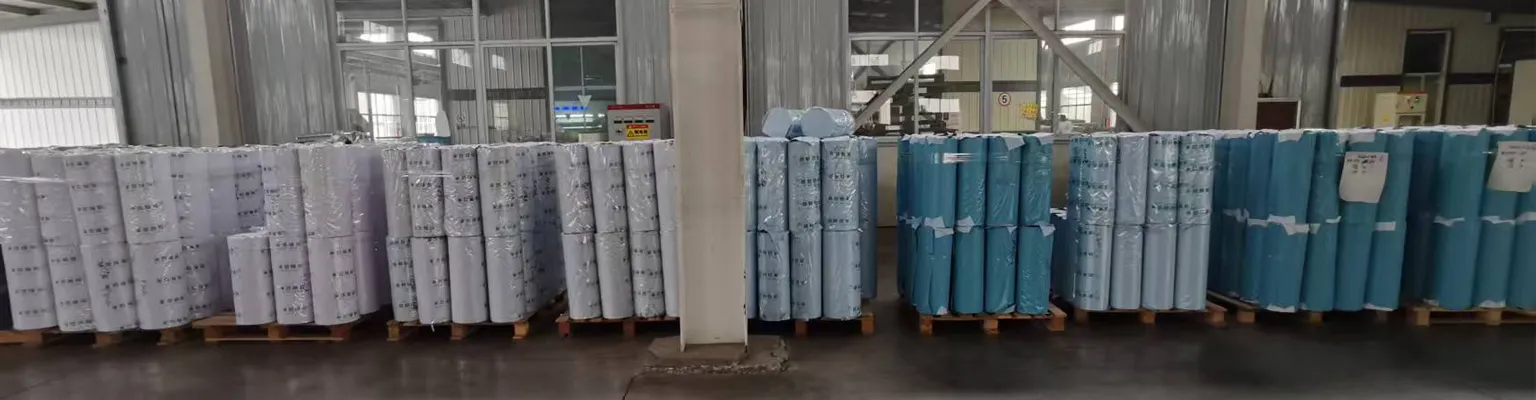
In the world of modern construction, renovation, and interior design, achieving a flawless finish while ensuring efficiency and cost-effectiveness is paramount. One material that has become indispensable for professionals and DIY enthusiasts alike is air duct film. This versatile product plays a crucial role in protecting surfaces, containing dust and debris, and maintaining a clean work environment during painting, drywall installation, demolition, and remodeling projects. This ultimate guide will delve into the various types of air duct film, its wide-ranging applications, and the significant benefits it offers.
Air duct film, often referred to as construction film, plastic sheeting, or poly sheeting, is a thin, durable plastic material primarily used for containment and protection. Its most common application is in covering and sealing heating, ventilation, and air conditioning (HVAC) ducts and registers during construction or renovation to prevent dust, drywall particles, paint overspray, and other contaminants from entering the ductwork system. However, its utility extends far beyond this single use, making it a staple on job sites and in workshops.
Typically made from polyethylene (PE) or polyvinyl chloride (PVC), air duct film is designed to be strong yet lightweight. Key characteristics include:
Tear Resistance: Engineered to withstand handling and air pressure without ripping easily.
Clarity: Many films are transparent, allowing for visibility of covered items or work progress.
Flexibility: Can be easily cut, folded, and taped to fit various shapes and sizes.
Adhesive Backing: Some specialized films come with a low-tack adhesive for easy application and removal.
The market offers several types of air duct film, each tailored for specific needs, environments, and levels of protection. Understanding these variations is key to selecting the right product for your project.
This is the most common and economical type. It’s available in various thicknesses (measured in mils) and is perfect for general dust containment, floor protection, and temporary enclosures. It’s often sold in large rolls for covering big areas.
Mandatory on many commercial and multi-family residential job sites, fire-retardant (FR) or fire-resistant film is treated with additives that inhibit flame spread. It meets specific safety codes and is essential for projects with strict fire regulations.
Used in environments where static electricity is a concern, such as in cleanrooms, electronics manufacturing, or when working with flammable materials. This type prevents the buildup of static charge on the film’s surface.
This film consists of multiple layers of plastic, often with a scrim or mesh embedded between them. The result is an extremely durable, puncture-resistant material ideal for long-term outdoor use, heavy-duty containment, or protecting surfaces from sharp objects.
Designed for surface protection on finished products like cabinets, appliances, windows, and countertops. The adhesive is strong enough to stay in place during handling and shipping but leaves no residue upon removal. This is similar in concept to the protective films used on glossy wardrobe surfaces or furniture.
This includes lead and asbestos containment films, which are extra thick and durable with taped seams to safely seal hazardous materials during abatement projects.
The versatility of air duct film makes it useful across numerous industries and project phases. Its primary function is protection and containment.
HVAC Protection: The namesake use—sealing ducts and vents to keep the system clean.
Dust Containment: Creating temporary walls or barriers to isolate work areas, preventing dust from migrating to clean zones.
Floor and Surface Protection: Covering floors, carpets, staircases, and finished surfaces like countertops from paint, mud, and debris.
Weatherproofing: Using reinforced film to cover window and door openings temporarily, protecting the interior from rain and wind.
Essential for masking off areas not to be painted, protecting furniture and fixtures from overspray during spray painting operations, and creating a clean drop cloth alternative.
Used to wrap and protect palletized goods from dust and moisture during storage or transport. It can also section off areas within a factory for specific processes.
Acts as a temporary greenhouse cover, frost protection for plants, or a moisture barrier for soil.
From protecting furniture during a move to creating a makeshift painting booth in the garage, its uses are endless. It’s also handy for covering items in storage, similar to how protective floor films safeguard floors during events or renovations.
Investing in the right type of air duct film yields significant returns in terms of project quality, cost savings, and safety.
✔ Cost Savings: Prevents costly damage to HVAC systems, finished surfaces, and installed fixtures. Reducing cleanup time also lowers labor costs.
✔ Improved Indoor Air Quality (IAQ): By effectively sealing ducts, it prevents construction dust from circulating through the ventilation system, which is crucial for occupant health post-renovation.
✔ Enhanced Project Efficiency: A clean, organized, and contained work site allows tradespeople to work more efficiently without constantly stopping to clean or repair damaged areas.
✔ Regulatory Compliance: Using fire-retardant or containment-specific films helps projects meet local building codes, OSHA standards, and environmental regulations.
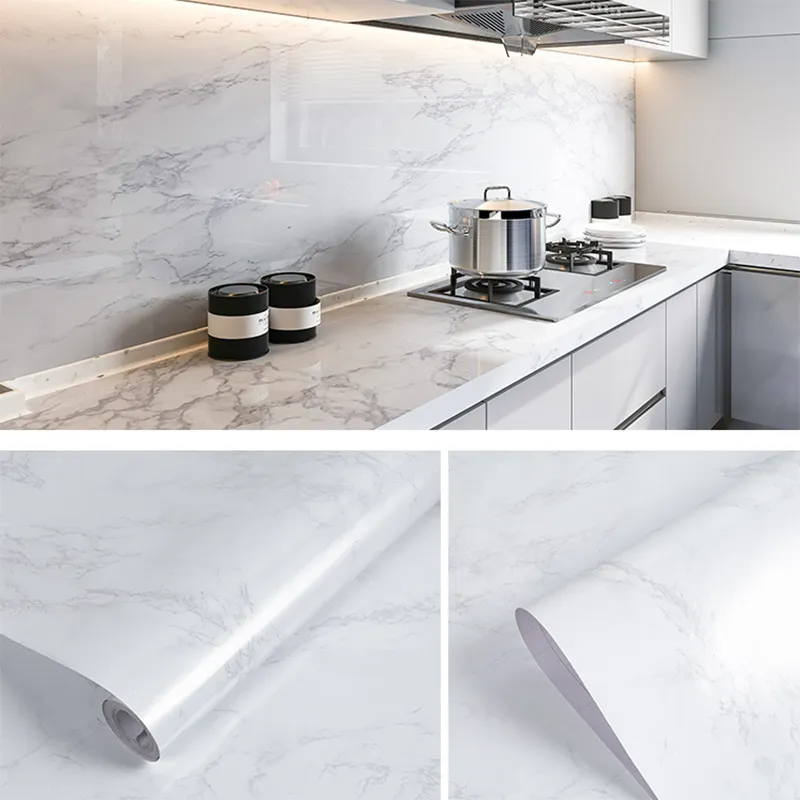
✔ Professional Results: Protecting surfaces ensures that the final reveal is flawless, with no paint splatters or scratches on new installations, much like the pristine finish achieved with high-quality decorative marble films.
✔ Safety: Contains hazardous materials like silica dust or asbestos, protects workers from slip/trip hazards with secure floor covering, and reduces fire risk with FR film.
✔ Versatility and Convenience: Lightweight and easy to deploy, cut, and remove. It’s a simple tool that solves a multitude of problems.
Selecting the appropriate film involves considering several factors:
Is this a quick weekend DIY paint job or a year-long commercial build? Short-term projects may only need standard poly, while long-term sites require durable, reinforced film.
Will the film be used indoors or outdoors? Is there exposure to UV light, moisture, or extreme temperatures? UV-resistant and reinforced films are better for outdoor use.
Are you containing harmless dust, wet paint, or hazardous materials? The film’s thickness and specialty features must match the hazard level.
Always check local codes. Most commercial jobs require fire-retardant film.
Thicker films (4 mil, 6 mil) offer more durability and puncture resistance. Choose a roll width and length that minimizes seams and waste.
To maximize the effectiveness of air duct film, proper installation is key.
1. Clean and Dry Surfaces: Ensure the surface you’re applying film to (like a floor or countertop) is clean and dry for better adhesion, especially with adhesive films.
2. Secure Seams and Edges: Use high-quality painter’s tape or duct tape to seal all seams and secure edges to walls, floors, or fixtures. Overlap sheets by at least 6 inches.
3. Double-Layer for Critical Areas: For heavy traffic areas or extra protection, consider using two layers of film.
4. Label Protected Items: If covering furniture or appliances, use a marker on the film to note what’s underneath, preventing accidental damage.
5. Safe Removal and Disposal: Remove film carefully to avoid spreading collected dust. Fold or roll it inward as you go. Dispose of it according to local regulations, especially if contaminated with hazardous materials.
For more detailed guides on material applications and protection, you can explore resources in our knowledge base.
The “mil” number refers to the film’s thickness in thousandths of an inch. A 2 mil film is 0.002 inches thick and is suitable for light, short-term indoor use. A 4 mil film is more durable for general construction containment and floor protection. A 6 mil film is heavy-duty, offering excellent puncture and tear resistance for long-term projects, outdoor use, or containing sharp debris.
It depends on the film’s condition and what it was used for. Standard poly sheeting used for light dust containment on a clean floor might be carefully rolled up and reused for a similar purpose. However, film that is torn, heavily contaminated with paint or mud, or used for hazardous material containment should never be reused and must be disposed of properly.
No. Standard polyethylene sheeting is flammable. Fire-retardant (FR) film is a separate, specially treated product. Always verify the specifications before purchasing, as using non-FR film on a job site that requires it is a code violation and a serious safety risk.
Timing is crucial. Ensure the painted surface is completely dry and cured according to the paint manufacturer’s instructions before applying any protective film. For critical applications, use a low-tack, surface-safe adhesive film designed specifically for this purpose, which won’t damage the finish upon removal.
Professional-grade film is available at contractor supply stores, large home improvement centers, and through specialized online distributors and manufacturers. For projects requiring specific decorative or protective films, such as those used for calendered film applications in furniture or interiors, it’s best to consult directly with manufacturers who can advise on the correct specifications and often offer custom solutions.