Address
304 North Cardinal St.
Dorchester Center, MA 02124
Work Hours
Monday to Friday: 7AM - 7PM
Weekend: 10AM - 5PM
Address
304 North Cardinal St.
Dorchester Center, MA 02124
Work Hours
Monday to Friday: 7AM - 7PM
Weekend: 10AM - 5PM


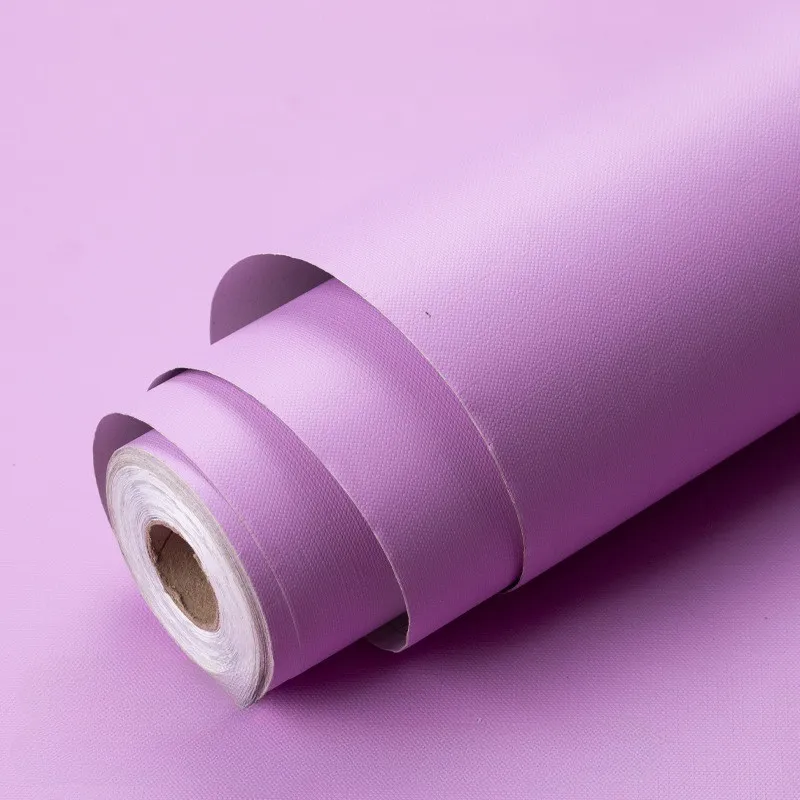
Air duct film, often a specialized type of PVC (Polyvinyl Chloride) film, is a versatile material used primarily in the heating, ventilation, and air conditioning (HVAC) industry. It serves as a protective and functional layer within air duct systems, contributing to efficiency, hygiene, and longevity. While the core function is universal, the specific types and applications can vary, making it a critical component in both residential and commercial building maintenance.
At its heart, air duct film is a thin, durable sheet material designed to line or coat the interior surfaces of air ducts. Its primary purposes are threefold:
These films are typically manufactured by companies with expertise in polymer films, such as Pulivk Film, which specializes in producing high-quality PVC films for various industrial applications. The technology behind calendered film production ensures consistency, strength, and the desired surface properties essential for HVAC use.
Air duct film is not just a liner; it’s an integral component for maintaining indoor air quality (IAQ) and optimizing HVAC system performance. Its installation is a proactive measure for health and efficiency.
Air duct films are categorized based on their material composition, adhesive properties, and specific functional coatings. The main types include:
These are loose-laid films installed within ductwork during construction or renovation. They are often used to line fiberglass duct board or as a separating layer in metal ducts. They are valued for their ease of installation and effectiveness as a particulate barrier.
These films come with a pre-applied adhesive backing protected by a release liner. They are designed for direct application onto clean, dry duct surfaces. This type is ideal for sealing existing ducts, covering seams, or applying over small areas of damaged lining. The adhesive ensures a permanent bond, creating a seamless barrier.
These are advanced films that combine multiple layers. A common structure includes a robust PVC carrier film, a metalized layer (like aluminum) for enhanced barrier properties or static dissipation, and an adhesive layer. They offer superior performance in demanding environments.
Some films are treated with additional coatings for specific purposes:
→ Anti-Microbial Coatings: Inhibit the growth of mold, bacteria, and fungi on the film surface.
→ Anti-Static Coatings: Prevent the buildup of static electricity, which can attract and hold dust particles.
→ Fire-Retardant Treatments: Enhance the film’s resistance to flame spread, complying with strict building safety codes.
Many of these specialized films share production principles with decorative films like wood grain film or marble film, where surface treatment and lamination are key processes.
The application of air duct film spans several critical areas in building systems:
In homes, duct film is used to rehabilitate old, leaky, or contaminated ductwork without full replacement. It seals off deteriorating fiberglass lining, improving air quality for families, especially those with allergy sufferers.
Schools, hospitals, offices, and hotels use duct film to maintain strict hygiene standards. In healthcare settings, antimicrobial films are crucial. It’s also used in food processing facilities and laboratories where air purity is non-negotiable.
Beyond comfort HVAC, duct film is used in industrial exhaust systems to protect duct metal from corrosive fumes or to contain particulate matter from manufacturing processes.
Installing film as a standard liner in new ductwork is a best practice, providing a clean, smooth surface from day one and protecting the insulation. This aligns with the preventative approach seen in other building materials, such as using PVC skirting film for long-term protection.
Proper installation is critical for the film to perform effectively. Always consult manufacturer instructions and consider hiring a certified HVAC professional for best results.
1. System Shutdown: Turn off the HVAC system completely.
2. Safety Gear: Wear an N95 respirator, safety goggles, and gloves.
3. Duct Inspection & Cleaning: Thoroughly inspect the ductwork. For existing systems, professional duct cleaning is highly recommended to remove all loose debris, dust, and mold. The surface must be dry and structurally sound.
4. Material Preparation: Measure the duct surfaces and cut the film to size, allowing for slight overlap at seams.
For Non-Adhesive Film:
Drape the film inside the duct, ensuring it lies flat against all surfaces. Secure it at access points using compatible foil tape or mechanical fasteners designed for duct systems. Avoid sagging or loose areas.
For Pressure-Sensitive Adhesive (PSA) Film:
1. Clean the application area with a rag and isopropyl alcohol to ensure optimal adhesion.
2. Peel back a small section of the release liner.
3. Carefully align the film and press the exposed adhesive section onto the duct surface.
4. While applying firm, even pressure, slowly pull the release liner back, smoothing the film onto the surface as you go to avoid air bubbles or wrinkles.
5. Use a J-roller or similar tool to apply firm pressure over the entire installed area, ensuring full contact.
Seam Treatment: Overlap seams by at least 2 inches. Seal all seams, edges, and penetrations (around registers, etc.) with high-quality, UL-listed aluminum foil tape. Do not use cloth duct tape.
Final Inspection: Visually inspect the entire lined area for missed spots, poor adhesion, or unsealed seams. Ensure no film is obstructing airflow at vents or dampers.
Once properly installed, air duct film requires minimal maintenance. The key is to ensure the overall HVAC system is serviced regularly. Have filters changed as recommended, and during routine inspections, ask the technician to check the condition of the duct lining at access points. A well-installed film in a properly maintained system can last for the lifetime of the ductwork itself.
While small, accessible sections might be a DIY project for a skilled homeowner, professional installation is strongly recommended for whole-house systems or complex ductwork. Professionals have the tools, knowledge, and safety equipment to ensure correct preparation, application, and sealing, which directly impacts air quality and system efficiency.
High-quality air duct films from reputable manufacturers like Pulivk Film are designed to be safe for indoor air environments. Look for films that are low-VOC (Volatile Organic Compound) and comply with relevant safety standards (e.g., UL, GREENGUARD). Always request product data sheets and certification reports from your supplier.
Yes, indirectly. By sealing leaks at seams and covering porous liners, the film helps maintain designed air pressure and reduces conditioned air loss. This allows your HVAC system to work less hard to heat or cool your space, potentially lowering energy bills. The smooth surface also reduces airflow resistance.
Duct cleaning removes accumulated debris. Air duct film installation provides a permanent protective barrier that prevents future contamination from the duct substrate itself. They are often complementary: clean first to remove existing pollutants, then line to prevent future ones. For more insights on material care, explore our knowledge base.
Costs vary widely based on duct system size, accessibility, film type, and labor rates. It is typically priced per square foot of duct surface area. A professional assessment and quote are necessary for an accurate estimate. While an investment, it can be more cost-effective than full duct replacement and adds value through improved air quality and system protection.