Address
304 North Cardinal St.
Dorchester Center, MA 02124
Work Hours
Monday to Friday: 7AM - 7PM
Weekend: 10AM - 5PM
Address
304 North Cardinal St.
Dorchester Center, MA 02124
Work Hours
Monday to Friday: 7AM - 7PM
Weekend: 10AM - 5PM


In the world of modern construction, renovation, and interior maintenance, a versatile and often underappreciated material plays a crucial role in protecting surfaces and ensuring clean air quality: air duct film. This specialized plastic sheeting is designed for temporary containment, dust control, and protection during a wide range of projects, from simple home repairs to large-scale commercial construction.

Air duct film, also commonly referred to as construction film, poly sheeting, or containment film, is a durable polyethylene plastic sheeting. Its primary purpose is to seal off areas—particularly heating, ventilation, and air conditioning (HVAC) ducts and registers—to prevent dust, debris, paint overspray, and other particulates from entering the ductwork system during construction or renovation activities. By creating a physical barrier, it protects the HVAC system from contamination, which can be costly to clean and can negatively impact indoor air quality long after the project is complete.
Beyond duct protection, this film is extensively used to isolate work areas, cover floors and furniture, and create temporary walls or containment zones. Its application is a standard best practice in professional contracting, home improvement, and disaster restoration work.
Standard air duct film is typically made from low-density polyethylene (LDPE) or linear low-density polyethylene (LLDPE). These materials are chosen for their balance of strength, flexibility, and clarity. The film is manufactured in various thicknesses, commonly measured in mils (thousandths of an inch). A thicker mil rating indicates a more durable and puncture-resistant film.
Common features include:
✔ Tear Resistance: Engineered to withstand stress during installation and the duration of a project.
✔ Clarity: Allows for visibility of covered vents or equipment.
✔ Static Cling: Some films are treated to have a slight static charge, helping them adhere to metal duct registers without tape, though tape is still recommended for a secure seal.
✔ Fire Ratings: Certain films are manufactured to be flame-retardant for use in environments with strict fire safety codes.
The market offers several types of air duct film, each tailored for specific project requirements and environments.
This is the most common and economical type. It’s a clear or translucent plastic sheeting sold in rolls of various widths and lengths. It’s versatile for general containment, floor covering, and furniture protection. For duct sealing, it is cut to size and secured with painter’s tape or duct tape.
Mandatory on many commercial, industrial, and multi-family residential job sites, fire-retardant film is treated with additives that inhibit the spread of flames. It meets specific safety standards (like NFPA 701) and is essential for projects where welding, grinding, or other spark-producing activities are present. Using non-FR film in such environments can be a serious fire hazard and code violation.
This type has a mild adhesive on one side or is electrostatically treated to stick to smooth metal surfaces like duct registers. It provides a quick and relatively secure seal without always requiring tape, making installation faster. However, for long-term projects or critical containment, it is often reinforced with tape at the edges.
For heavy-duty applications requiring extreme durability, reinforced film is available. It consists of a layer of plastic film laminated with a scrim or mesh fabric (often made of polyester or polyethylene). This creates a material that is highly resistant to tearing and puncturing, ideal for containing large debris or for use as heavy-duty floor protection film in high-traffic areas.
Used in sensitive environments like data centers, laboratories, or during electronics installation, anti-static film prevents the buildup of static electricity. This protects sensitive electronic components from electrostatic discharge (ESD) damage that can be caused by regular plastic sheeting.
The utility of air duct film extends far beyond its namesake. Its role in project management and site maintenance is multifaceted.
This is its core function. Before any drywall sanding, demolition, or painting begins, all supply and return air vents, grilles, and duct openings are meticulously sealed with film. This prevents fine dust from being sucked into the ducts and circulated throughout the entire building, which can clog filters, coat coils, and require expensive professional duct cleaning.
Film is used to create temporary walls or partitions, isolating the work area from clean, occupied spaces. This is critical in hospitals, schools, offices, and homes where occupants need to remain during construction. It controls the migration of dust and contains allergens and mold spores during remediation projects.
It is an indispensable tool for protecting floors, carpets, cabinets, countertops, appliances, and furniture from scratches, spills, paint drips, and debris. For instance, when installing new vinyl kitchen flooring or applying a glossy film on wardrobes, surrounding surfaces are shielded with film.
Heavy-duty poly sheeting serves as a vapor barrier in crawl spaces, a temporary roof patch, or a ground cover to protect subfloors from moisture. In painting, it protects areas from overspray from paint sprayers.
In water damage, fire, or mold cleanup, creating negative air pressure containment chambers with plastic sheeting is a standard procedure. It isolates the contaminated area to prevent cross-contamination to other parts of the building.
Investing time and resources into proper containment with air duct film yields substantial returns for contractors, homeowners, and building managers.
The most significant benefit is protecting the building’s HVAC system, which is directly linked to occupant health. Preventing construction dust from entering ducts eliminates a major source of post-construction air pollution, reducing risks of respiratory irritation and allergic reactions.
✔ Saves Money on Post-Construction Cleaning: A well-sealed workspace contains the mess. This drastically reduces the time and cost of final cleanup. More importantly, it avoids the exorbitant expense of professional HVAC duct cleaning, which becomes necessary if the system is contaminated.
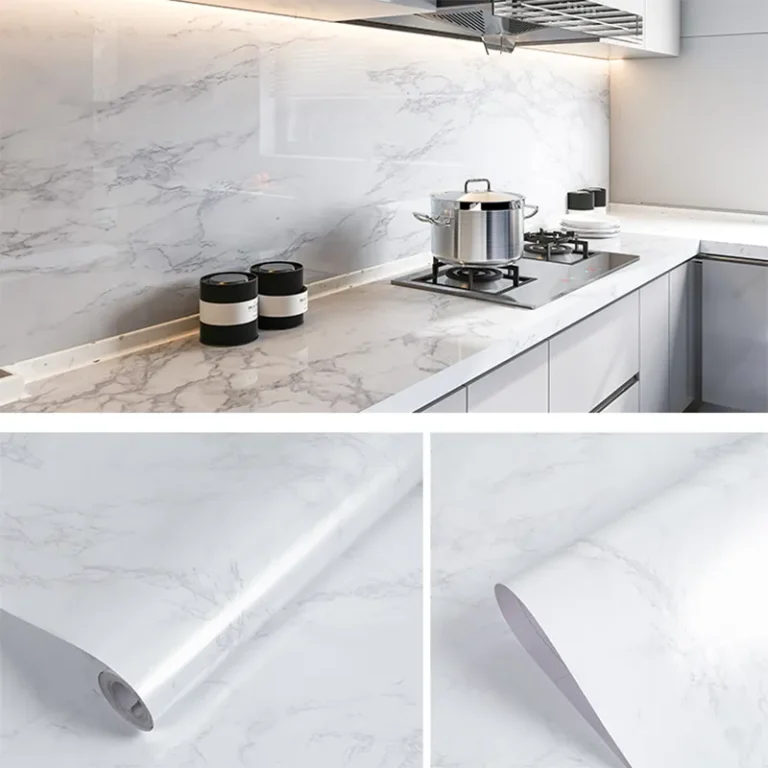
✔ Protects Valuable Assets and Finishes: Floors, fixtures, and furnishings are shielded from irreversible damage. This is especially valuable in renovations where existing elements like hardwood floors or stone countertops are to be preserved. Similarly, when applying decorative films like marble-effect film or wood grain film, protecting adjacent surfaces is crucial.
✔ Enhances Professionalism and Safety: For contractors, using proper containment demonstrates a commitment to quality, safety, and respect for the client’s property. It mitigates liability for damage and meets OSHA and other regulatory standards for dust control and fire safety (when using FR film).
✔ Improves Project Efficiency: By clearly defining the work zone, it helps crews work more efficiently and keeps tools and materials organized. It also allows other areas of a home or business to remain functional and clean during the project.
To maximize effectiveness, follow these guidelines:
1. Select the Right Film: Choose the appropriate thickness (mil) and type (standard, FR, reinforced) for your specific job’s demands and local code requirements.
2. Seal Ducts Completely: Cut film larger than the vent opening. Use a high-quality painter’s tape (designed for clean removal) to secure the film around all edges, creating an airtight seal. Press firmly to ensure adhesion.
3. Overlap and Secure Seams: When creating walls or floor coverings, overlap sheets by at least 12 inches and seal the seam with tape to prevent dust from leaking through.
4. Remove Promptly After Project Completion: Do not leave film on ducts or surfaces longer than necessary. Prolonged exposure, especially to sunlight, can cause tape adhesive to cure and become difficult to remove, potentially damaging surfaces.
5. Dispose Responsibly: Check local regulations for recycling or disposing of plastic sheeting. Some types of clean polyethylene film can be recycled.
For general interior duct sealing and light dust containment, 2-4 mil film is usually sufficient. For floor protection in active work areas, 6-10 mil is recommended. For heavy-duty containment or outdoor use, consider 10+ mil or reinforced laminated film.
While a drop cloth can be cut and taped over a vent, it is often thinner and less tear-resistant. Dedicated air duct film is engineered for this specific purpose and may have features like static cling for easier application. For critical HVAC protection, using the proper material is advised.
FR film is typically required by building codes and OSHA regulations in most commercial construction, multi-family residential projects (apartments, condos), and any job site with hot work permits (welding, cutting, soldering). Always check with your local authority having jurisdiction (AHJ) for specific requirements.
It should be viewed as a temporary protective measure for the duration of the active work that generates dust or debris. Once the dusty work is complete and the area has been cleaned, the film should be removed immediately, ideally within a few weeks, to prevent adhesive issues and to restore normal HVAC airflow.
Temporarily sealing a few vents with film and tape during construction will not harm a properly functioning HVAC system. However, it is not recommended to permanently block vents. Always ensure the system’s thermostat is turned off during work that creates fine dust (like sanding) to prevent the fan from running and trying to pull air through sealed vents.