Address
304 North Cardinal St.
Dorchester Center, MA 02124
Work Hours
Monday to Friday: 7AM - 7PM
Weekend: 10AM - 5PM
Address
304 North Cardinal St.
Dorchester Center, MA 02124
Work Hours
Monday to Friday: 7AM - 7PM
Weekend: 10AM - 5PM


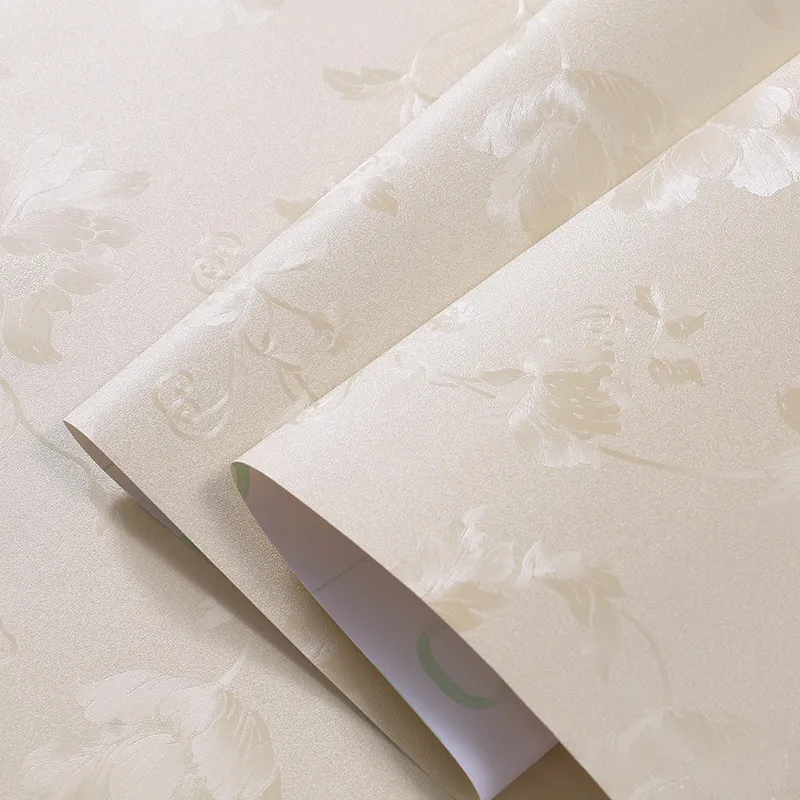
White PVC film sheet is a remarkably versatile material, serving as an unsung hero across countless industries and applications. Its inherent properties—durability, flexibility, chemical resistance, and ease of fabrication—make it a preferred choice for solutions ranging from simple protective layers to complex decorative finishes. This article delves into the extensive uses of white PVC film, explores its various types, and highlights the custom solutions available to meet specific project demands.
At its core, white PVC (Polyvinyl Chloride) film is a thermoplastic sheet produced through processes like calendering or extrusion. The white base color offers a neutral, clean slate that is highly desirable for several reasons. It provides excellent opacity, a bright background for printing vibrant graphics, and a consistent foundation for laminating or coating. Its versatility is further enhanced by the ability to apply various surface treatments, textures, and finishes during manufacturing.
Key Property Note: The whiteness of the film is often achieved with high-quality titanium dioxide (TiO2) pigments, which also contribute to UV resistance and long-term color stability, preventing yellowing in many formulations.
The application spectrum for white PVC film is exceptionally broad, touching nearly every sector of manufacturing and design.
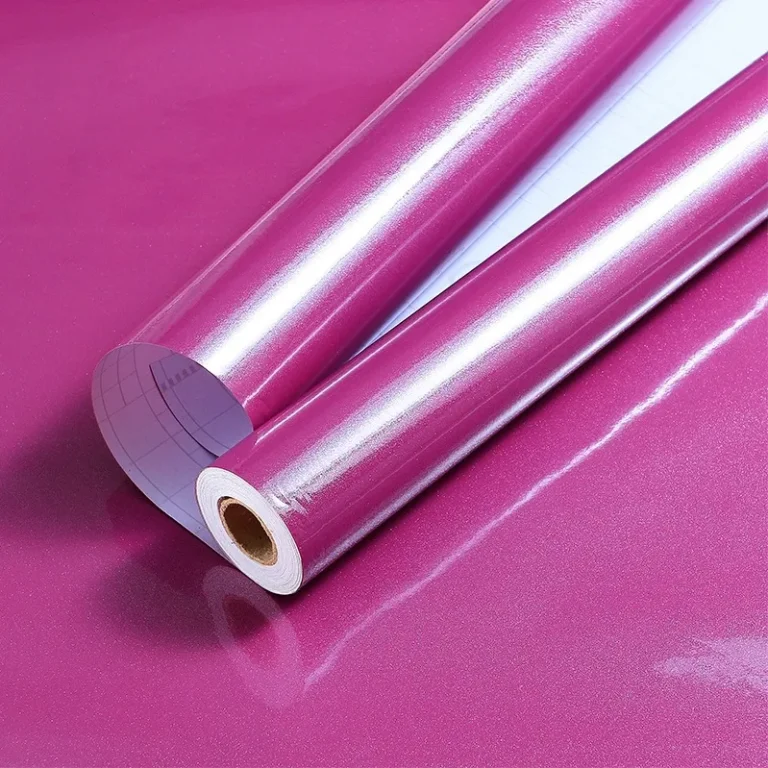
This is one of the largest application areas. White PVC film is extensively used as a laminate for kitchen cabinets, wardrobes, office furniture, and wall panels. It provides a smooth, wipeable surface that is resistant to moisture, stains, and daily wear. The film can be embossed with textures like wood grain, linen, or abstract patterns, offering the aesthetic appeal of natural materials with superior practicality and cost-effectiveness. For modern, high-gloss finishes, a white glossy film is a popular choice for creating sleek, reflective surfaces.
The bright white surface is perfect for backlit signage and lightboxes, as it diffuses light evenly for maximum visibility. It serves as an excellent printable substrate for vehicle wraps, window graphics, point-of-sale displays, and exhibition stands. Its dimensional stability and weather resistance make it suitable for both indoor and short-term outdoor applications.
White PVC film is used as a protective layer on metal sheets to prevent scratches during transportation and fabrication (known as protective masking film). It’s also employed in the electronics industry for insulation and in cleanrooms for temporary surface protection. Its clarity in transparent or translucent forms is useful for see-through packaging and product windows.
In medical settings, specific grades of white PVC film are used for disposable aprons, mattress covers, and sterile packaging due to their fluid barrier properties and ease of sterilization.
As a component in luxury vinyl tile (LVT) or sheet flooring, a white PVC film layer can form the wear layer or decorative print layer. Specialized PVC skirting film is used to coat MDF or plastic boards to create matching skirting boards that are water-resistant and easy to clean.
White PVC film finds a critical role in wet areas. It is used as a waterproof layer behind tiles, as an anti-oil film for kitchen splashbacks, and as a decorative surface for bathroom cabinets and vanities. Its resistance to moisture, mold, and household chemicals makes it an ideal material for these demanding environments.
Not all white PVC films are created equal. Variations in manufacturing and finishing create distinct product types suited for specific jobs.
Glossy Film: Offers a high-shine, reflective surface. Easy to clean but can show fingerprints and scratches more easily.
Matte / Satin Film: Provides a non-reflective, soft-touch finish. Excellent for hiding minor imperfections and fingerprints, popular in modern furniture.
Textured Film: Embossed with patterns like wood grain, leather, linen, or 3D silk textures. Adds tactile feel and visual depth, closely mimicking natural materials.
Self-Adhesive Film: Has a pressure-sensitive adhesive backing for easy application to clean, smooth surfaces like glass, metal, or melamine. Used for DIY projects, signage, and surface renewal.
Anti-Static Film: Formulated to dissipate electrostatic charge, protecting sensitive electronic components during storage and handling.
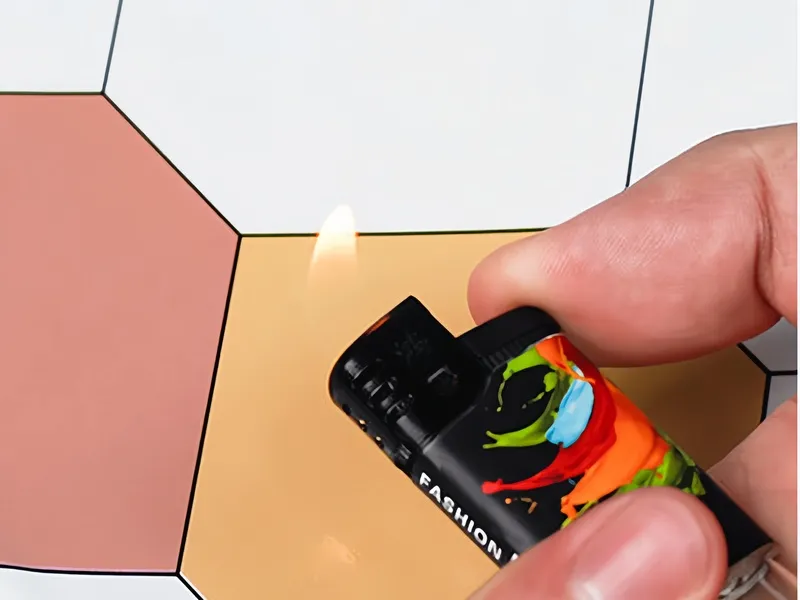
Fire-Retardant Film: Treated with additives to meet specific fire safety standards and building codes for interior applications.
Rigid PVC Film: Contains less plasticizer, resulting in a stiffer, more structural sheet used for forming and fabrication.
Flexible PVC Film: Contains more plasticizer, making it soft, pliable, and suitable for applications requiring drape or stretch.
Composite Films: Laminated with other materials like fabrics, foils, or other polymer layers to achieve combined properties like extra strength, sound dampening, or specific barrier qualities.
While standard white PVC films cover many needs, the true potential is unlocked through customization. Leading manufacturers offer comprehensive OEM/ODM services to develop film solutions that match exact specifications.
Thickness & Dimensions: Films can be produced in precise thicknesses (from microns to millimeters) and slit to exact roll widths and lengths to minimize waste in your production process.
Color & Opacity: While white is standard, the shade can be adjusted (bright white, warm white, off-white) and opacity levels controlled. Tinting to any Pantone or RAL color is also possible.
Surface Texture & Embossing: Custom embossing rollers can be created to produce unique, proprietary textures that differentiate your product in the market.
Printing & Design: Advanced printing techniques allow for high-definition custom patterns, realistic digital prints of marble, stone, or abstract designs directly onto the film.
Functional Additives: Incorporating additives for UV stabilization, anti-bacterial properties, enhanced weatherability, or specific chemical resistance.
It typically begins with a consultation to understand the application’s mechanical, environmental, and aesthetic requirements. Prototypes or samples are then produced for testing and approval. A reliable manufacturer will manage this process efficiently, ensuring the final product performs as intended in the real world. For more insights into material properties and applications, visit our knowledge base.
Choosing the right white PVC film involves balancing performance requirements, aesthetic goals, regulatory compliance, and budget. Partnering with a manufacturer that offers both a wide standard range and deep custom capabilities, like Pulivk Film, ensures you have access to a material solution that is not just a commodity, but a engineered component of your product’s success. From the furniture in our homes to the signage on our streets, white PVC film continues to prove its indispensable role in modern manufacturing and design.
White PVC film offers superior opacity and provides an ideal, neutral base for printing. It reflects light efficiently, making it perfect for backlit applications. It also allows for the most accurate color matching when overlaying prints or tints, as there is no underlying color to influence the final hue.
Yes, but it must be specifically formulated for outdoor use. Standard films may degrade under prolonged UV exposure. Outdoor-grade white PVC film contains UV stabilizers and additives to resist fading, brittleness, and weathering, ensuring long-term performance.
Thickness is typically measured in microns (μm) or mils (thousandths of an inch). A common range for decorative laminates is 80 to 200 microns. Thicker films generally offer greater durability and dimensional stability. The required thickness depends entirely on the application—flexible packaging uses very thin films, while rigid panels use much thicker ones.
Modern PVC films can be produced with a focus on sustainability. This includes using non-phthalate plasticizers, lead-free stabilizers, and incorporating recycled content. Furthermore, PVC is a thermoplastic and can be recycled. It’s important to discuss specific environmental certifications (like RoHS, REACH) and recycling programs with your supplier.
To get an accurate quote, provide details on: Application (how it will be used), Required Properties (thickness, width, tensile strength, fire rating, etc.), Aesthetic Details (finish, texture, color/pattern reference), Quantity, and any relevant Regulatory Standards that must be met.