Address
304 North Cardinal St.
Dorchester Center, MA 02124
Work Hours
Monday to Friday: 7AM - 7PM
Weekend: 10AM - 5PM
Address
304 North Cardinal St.
Dorchester Center, MA 02124
Work Hours
Monday to Friday: 7AM - 7PM
Weekend: 10AM - 5PM


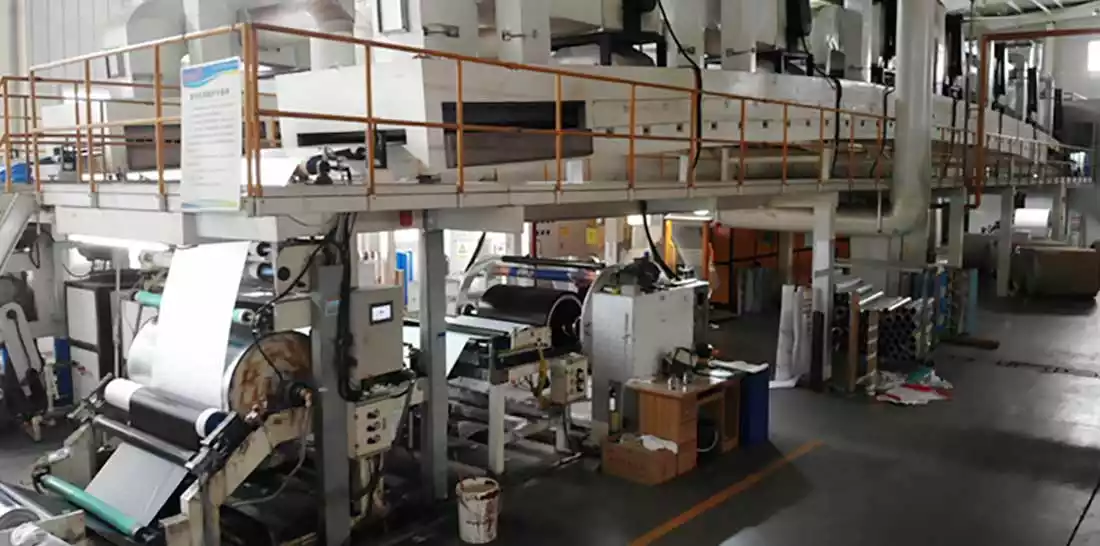
Air duct film, a specialized category within the broader world of PVC films, plays a critical yet often unseen role in modern construction and HVAC systems. These films are engineered to seal, protect, and insulate ductwork, ensuring efficient airflow, preventing energy loss, and maintaining indoor air quality. For professionals in construction, renovation, and facility management, understanding the different types, their specific uses, and proper installation techniques is essential for project success and long-term system performance.
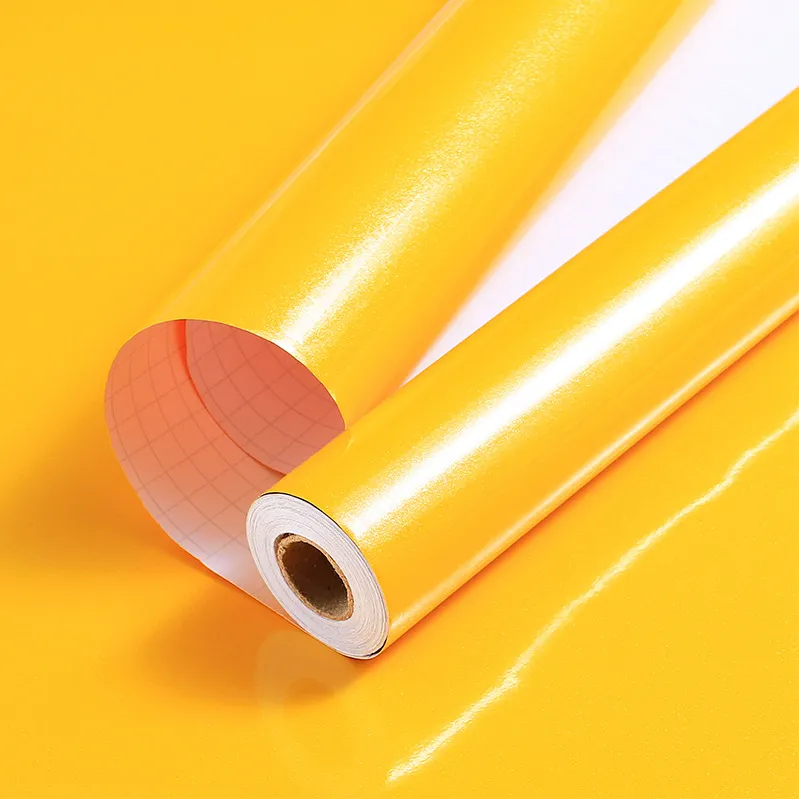
The selection of the right air duct film begins with knowing the available materials and their inherent properties. While often based on PVC (Polyvinyl Chloride) technology, films can vary significantly in composition and performance characteristics.
These are the workhorses of ductwork sealing. Typically made from reinforced polyethylene or specialized PVC blends, they are designed to create an airtight seal on duct joints and seams. Their primary function is to prevent conditioned air from escaping into unconditioned spaces like attics or wall cavities, which directly improves HVAC efficiency and reduces energy costs. A good vapor barrier film also prevents moisture from migrating into the duct insulation, which can lead to mold growth and material degradation.
Used as the outer protective layer on insulated ductwork, these films are tougher and more durable. They shield the underlying fiberglass or foam insulation from physical damage, UV exposure (if used outdoors), and moisture. These films often have a foil or metallized layer to enhance radiant heat reflection and improve the overall R-value of the insulation system. They are crucial for maintaining the thermal integrity of ducts running through garages, crawl spaces, or exterior applications.
Inside flexible ducts (the large, wire-reinforced tubes common in residential systems), a smooth, airtight film liner is used. This liner minimizes air friction (static pressure loss), ensures smooth airflow, and prevents the insulation fibers from entering the airstream. The quality of this inner liner is vital for system efficiency and indoor air quality. For decorative applications elsewhere, such as creating feature walls, a solid color wallpaper film offers a different kind of aesthetic sealing solution.
In commercial buildings, hospitals, and schools, building codes often mandate the use of fire-retardant or fire-rated duct films. These materials are specially formulated to resist ignition and slow flame spread, contributing to the overall fire safety of the building. Similarly, antimicrobial films may be specified in healthcare settings to inhibit the growth of bacteria and mold on duct surfaces.
→ Key Consideration: Always check local building codes and project specifications before selecting an air duct film. The required flame spread and smoke developed ratings (often Class 1 or Class A) are non-negotiable for compliance and safety.
The application of air duct film extends beyond simple sealing. It is a strategic material used in various phases of construction and maintenance.
New Construction and Duct Fabrication: During the installation of a new HVAC system, duct film is used to seal all longitudinal seams and transverse joints on sheet metal ducts. It is also the essential jacket on insulated duct sections. For fabricated components, specialized films can be used to create custom wraps or enclosures.
Retrofit and Energy Audits: One of the most cost-effective energy upgrades for an existing building is duct sealing. Professionals use diagnostic tools to find leaks and then apply sealing tapes and films to plug them. This process, known as aerosealing, can dramatically improve system efficiency and comfort.
Duct Repair and Renovation: In remodeling projects where ducts are exposed or modified, new film is applied to repaired sections. It’s also used to re-wrap insulation that has become damaged, torn, or soiled. In parallel, for interior renovations, materials like wood grain film are chosen for aesthetic surface enhancements on furniture or fixtures, while duct films handle the functional, hidden work.
Containment and Hygiene: During construction or asbestos abatement, heavy-duty plastic films are used to create temporary containment barriers around ductwork to prevent the spread of dust and contaminants. In cleanrooms and labs, specialized films help maintain sterile environments.
Proper installation is what transforms a roll of film into a high-performance seal. Rushed or incorrect application is the leading cause of failure.
This is the most critical step. The duct surface must be completely clean, dry, and free of dust, oil, grease, or old adhesive residue. Use a degreaser and a clean cloth for metal surfaces. For insulated ducts, ensure the outer surface is intact and dry. Any moisture or dirt will prevent proper adhesion, leading to premature failure of the seal.
Measure the area to be covered carefully. Cut the film to size, allowing for a slight overlap (typically 1-2 inches) at seams. Using sharp scissors or a utility knife ensures clean edges that adhere better. For complex shapes, it may be helpful to create a paper template first. This precision is similar to preparing a floor film for a perfect fit in a room.
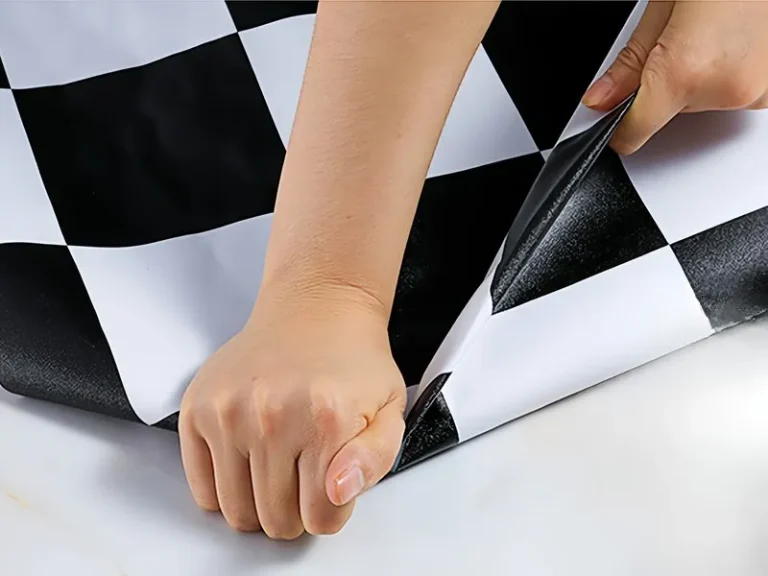
For adhesive-backed films, commonly used for sealing, start by peeling back a small section of the release liner. Align the film precisely and press it onto the prepared surface. Use a J-roller or a stiff squeegee to smooth out the film from the center toward the edges, eliminating air bubbles and ensuring full contact with the adhesive. For overlapping seams, apply firm pressure along the overlap.
When applying large sheets of jacketing film, a two-person team is far more efficient. One person holds and aligns the film while the other smoothes it down, working from the top down. This prevents the film from sticking to itself or wrinkling prematurely and ensures a taut, professional finish.
After the main film is applied, all edges, seams, and penetrations (like where pipes enter the duct) must be thoroughly sealed. Use a compatible, UL-listed duct sealant (mastic) or specialized aluminum foil tape. Avoid standard cloth duct tape, as it dries out and fails quickly. Apply mastic with a brush, ensuring a continuous, bead-free layer over seams. For tapes, burnish them firmly with the J-roller.
Once installation is complete, visually inspect all seams and joints. Look for wrinkles, bubbles, or unsealed edges. In professional settings, a final pressure test of the duct system (like a duct blaster test) will quantitatively verify the airtightness of the installation and confirm the film’s effectiveness.
Choosing the right film involves more than just picking a type. Consider these factors for optimal results:
Thickness and Durability: Thicker films (higher mil rating) offer better puncture and tear resistance, which is important for ducts in exposed or high-traffic areas like mechanical rooms.
Temperature Rating: Ensure the film is rated for the temperature extremes it will encounter. Films for ducts carrying heated air or located near furnaces must have a higher heat tolerance.
Adhesive Compatibility: The film’s adhesive must be designed for long-term bonding to the specific substrate (galvanized steel, aluminum, existing insulation jacket). Using the wrong adhesive can lead to delamination. For other surface applications, such as kitchen cabinets, a glossy wardrobe film would be selected for its specific adhesive and finish properties.
Environmental Conditions: Consider humidity, potential for chemical exposure, and whether the duct is indoors or outdoors. UV-stabilized films are necessary for any exterior application to prevent degradation from sunlight.
The primary purposes are to create an airtight seal on ductwork to prevent energy loss, to act as a vapor barrier protecting insulation from moisture, and to provide a protective outer jacket for insulation. This improves HVAC efficiency, indoor air quality, and system longevity.
No. Ordinary plastic sheeting lacks the necessary durability, temperature resistance, fire ratings, and often the proper adhesive. Using non-compliant materials can violate building codes, create a fire hazard, and lead to premature failure, causing energy waste and potential moisture problems.
When installed correctly on a prepared surface in a suitable environment, high-quality air duct film can last for the lifespan of the duct system itself—often 20 years or more. Failure is almost always due to poor surface preparation, incorrect film selection, or physical damage after installation.
For small, accessible repairs, a knowledgeable DIYer can achieve good results. However, for whole-system sealing, new construction, or any work that must meet building code inspections, it is highly recommended to hire a licensed HVAC professional. They have the tools for diagnostics, know the code requirements, and possess the expertise for a lasting installation.
Yes. Manufacturers now offer films with low volatile organic compound (VOC) emissions and adhesives. Look for products with GREENGUARD or similar certifications, especially for projects where indoor air quality is a major concern, such as schools, hospitals, and green building certifications like LEED.