Address
304 North Cardinal St.
Dorchester Center, MA 02124
Work Hours
Monday to Friday: 7AM - 7PM
Weekend: 10AM - 5PM
Address
304 North Cardinal St.
Dorchester Center, MA 02124
Work Hours
Monday to Friday: 7AM - 7PM
Weekend: 10AM - 5PM


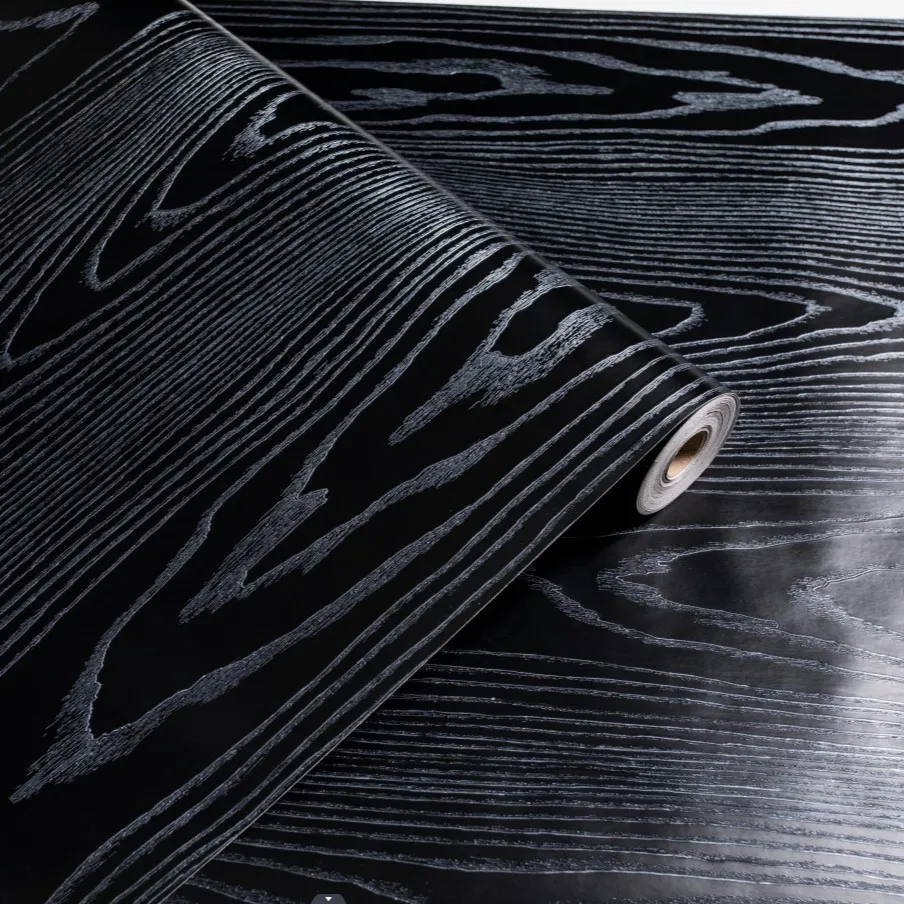
PVC calendered film is a versatile and widely used material created by processing a heated, viscous mix of PVC resin, plasticizers, stabilizers, and other additives through a series of heated counter-rotating rollers. This calendering process produces thin, uniform sheets with precise thickness, excellent surface finish, and consistent physical properties. As a cornerstone of modern manufacturing, it offers an efficient and cost-effective solution for producing large volumes of high-quality film for countless applications.
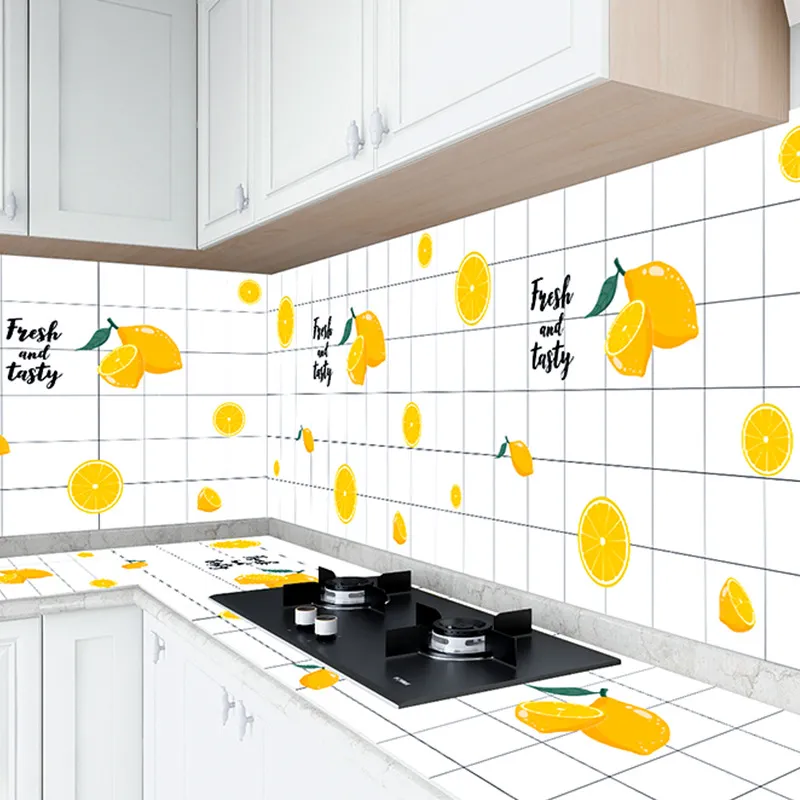
The versatility of the calendering process allows for the production of a diverse range of PVC films, each tailored for specific functions and aesthetic demands.
Films are categorized based on their visual and tactile characteristics, which are imparted during or after the calendering process.
Beyond aesthetics, calendered films can be engineered with enhanced performance features.
The unique combination of durability, formability, and printability makes PVC calendered film indispensable in numerous sectors. For a comprehensive look at our product range, visit our Product page.
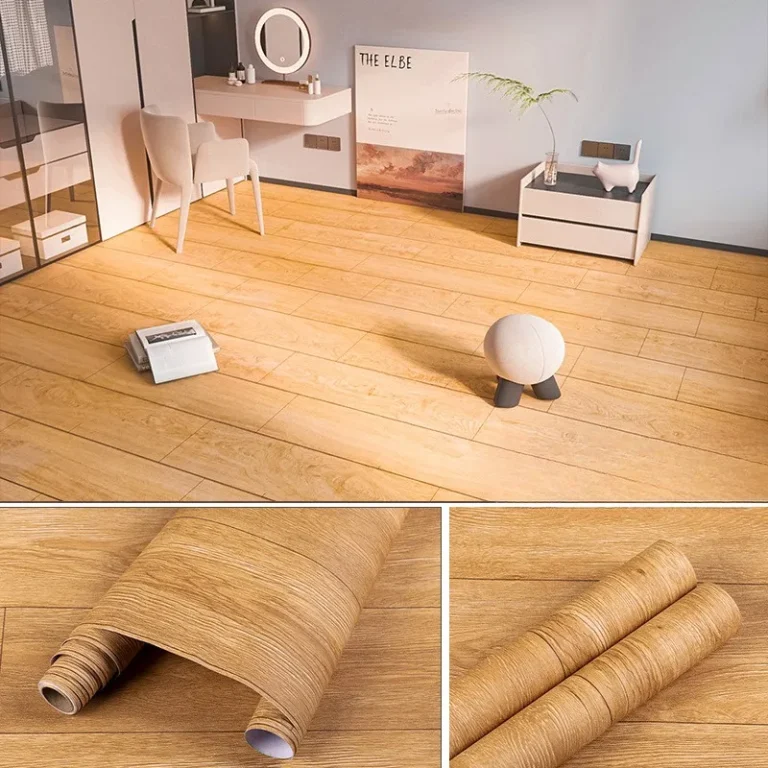
This is one of the largest application areas. Films are laminated onto substrates like MDF, particleboard, or metal to create durable, decorative surfaces for cabinets, wardrobes, tables, and wall panels. Wood grain films replicate the look of expensive hardwoods at a fraction of the cost, while glossy films offer a contemporary finish for modern kitchens and offices.
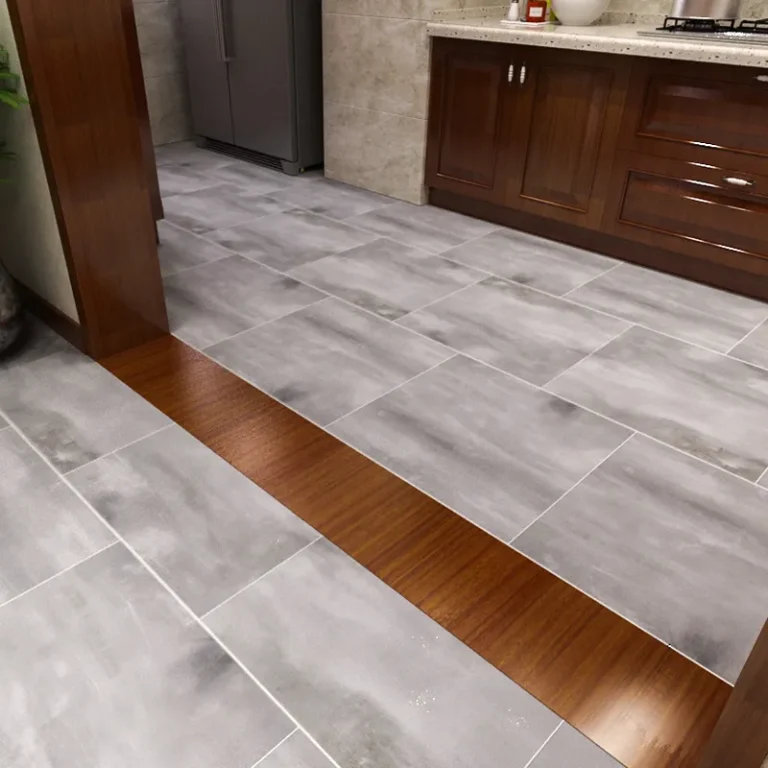
Used for wall coverings, ceiling panels, and flooring surfaces. It provides a waterproof, easy-to-clean layer that is both decorative and protective. Specialized films are used for skirting boards and as a wear layer in resilient flooring.
Calendered films are the base material for many large-format prints, including billboards, vehicle wraps, window graphics, and point-of-sale displays. Their dimensional stability and ability to hold ink make them ideal for vibrant, long-lasting graphics.
From blister packs and clamshells for consumer goods to shrink sleeves for bottles, PVC film offers clarity, toughness, and formability. It protects products while allowing them to be visible to consumers.
Applied to interior components like dashboards, door panels, and consoles, providing a soft-touch, durable, and aesthetically pleasing surface that can be color-matched and textured.
The production of PVC calendered film is a continuous, precision-driven operation. Here’s a breakdown of the key stages:
The process begins with the precise formulation of the PVC compound. PVC resin is blended with plasticizers (like DINP or DOTP) to impart flexibility, heat stabilizers (often based on calcium-zinc or tin) to prevent degradation during processing, lubricants, pigments, and any required performance additives (e.g., UV stabilizers, anti-static agents). This dry blend is then fed into a high-intensity mixer where it is heated under shear to form a free-flowing, pre-gelatinized powder.
The hot mix is transferred to a cooler mixer to bring down the temperature, preventing premature fusion. It is then conveyed to an extruder or a kneader. This equipment further heats and shears the compound, melting it into a fully gelled, homogeneous, dough-like mass. This mass is continuously fed as a “rope” or sheet onto the first roll of the calender stack.
This is the heart of the process. The calender consists of a series of massive, precision-ground, counter-rotating steel rolls (typically 3 to 7 rolls) arranged in an “L,” “Z,” or inverted “L” configuration. Each roll is internally heated with steam or thermal oil to a specific temperature. As the plastic mass passes through the progressively narrowing nips (gaps) between these rolls, it is squeezed, smoothed, and thinned into a continuous sheet of precise and uniform thickness. The final roll gap determines the film’s gauge.
Immediately after the calender, the hot, pliable film may pass through an embossing unit. Here, a patterned steel roll pressed against a rubber roll imprints a texture (like wood grain or linen) onto the film surface. The film then enters a cooling section, typically a series of chilled rolls or a cooling conveyor, which solidifies the film and sets its dimensions and surface finish.
For films requiring printing or lamination, the surface may be treated via corona discharge or flame treatment to increase its surface energy and improve adhesion. Finally, the cooled film is trimmed at the edges and wound onto large master rolls under controlled tension, ready for subsequent converting processes like printing, laminating, or slitting.
Quality control is integral at every stage, from raw material inspection to monitoring film thickness, width, optical properties, tensile strength, and surface quality on the final roll. Modern lines use automated gauging systems for real-time control.
Calendered film is formed by pressing molten PVC between heated rollers, resulting in excellent surface finish, high gloss, and tight thickness control. Extruded film is forced through a die, which can be more cost-effective for simpler films but may not achieve the same level of surface perfection. Calendering is generally preferred for high-quality decorative and technical films.
Yes, PVC is a thermoplastic and can be recycled. Post-industrial waste from the calendering process is often reground and reintroduced into production. Post-consumer recycling is more complex due to contamination and the presence of additives but is an active area of development within the industry to improve sustainability.
Thickness, measured in microns (µm) or mils, is chosen based on the required durability, flexibility, and substrate. For example, furniture laminates typically use 80-200 µm films, while lightweight packaging might use 30-50 µm. Consulting with a technical specialist from the film manufacturer is recommended. Explore our Knowledge Center for more technical insights.
Modern, responsibly produced PVC films address historical concerns. Reputable manufacturers like Pulivk use non-phthalate plasticizers (e.g., DOTP), calcium-zinc-based stabilizers (heavy-metal-free), and comply with international standards (REACH, RoHS). These films are safe for interior use in furniture, packaging, and construction when produced to these specifications.
Absolutely. A key advantage of working with an experienced producer is the ability to customize. This includes matching specific Pantone colors, creating unique patterns (like custom marble or abstract designs), adjusting gloss levels, and incorporating functional properties. For inquiries, please contact our team.