Address
304 North Cardinal St.
Dorchester Center, MA 02124
Work Hours
Monday to Friday: 7AM - 7PM
Weekend: 10AM - 5PM
Address
304 North Cardinal St.
Dorchester Center, MA 02124
Work Hours
Monday to Friday: 7AM - 7PM
Weekend: 10AM - 5PM


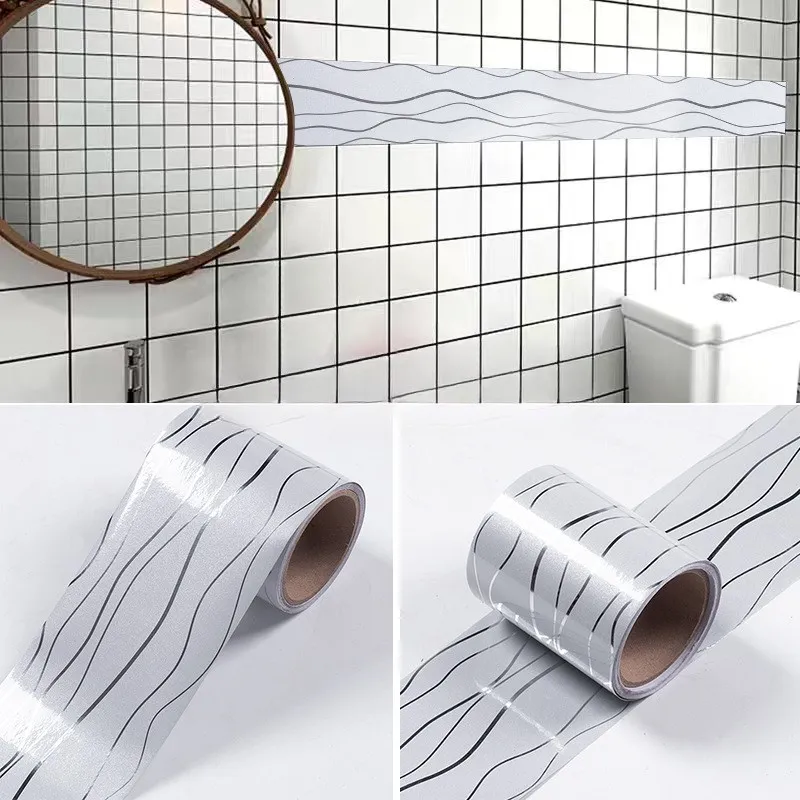
Air duct film, a specialized type of PVC film, is an essential component in modern HVAC (Heating, Ventilation, and Air Conditioning) systems. It acts as a protective and functional lining within air ducts, ensuring efficient airflow, preventing contamination, and contributing to overall indoor air quality. This guide delves into the various types of air duct films, their wide-ranging applications, and provides a comprehensive installation guide for professionals and DIY enthusiasts alike.
Before exploring specific types, it’s crucial to understand why air duct film is used. Primarily made from polyvinyl chloride (PVC), these films serve multiple purposes:
Key Functions:
• Contamination Barrier: Prevents dust, insulation fibers, and microbial growth from entering the airflow.
• Airflow Optimization: Provides a smooth surface that reduces air resistance and turbulence.
• Moisture and Condensation Control: Acts as a vapor barrier, protecting ductwork from corrosion.
• Thermal Insulation Aid: Can enhance the efficiency of insulation materials wrapped around ducts.
• Hygiene and Cleanliness: Creates a non-porous, easy-to-clean surface, crucial for maintaining indoor air quality.
The benefits translate to energy savings, extended HVAC system lifespan, and a healthier indoor environment. For a broad understanding of the base material, explore our range of Calendered Film, which forms the foundation for many specialized films.
Air duct films are not one-size-fits-all. They are engineered with specific properties to meet different requirements within HVAC systems.
This is the most common type, typically a smooth, flexible PVC film. It’s designed for general use in residential and commercial ductwork to provide a cleanable surface and act as a dust barrier. It is often lightweight and cost-effective.
Safety is paramount. Fire-retardant air duct films are treated with additives that inhibit flame spread and smoke generation. They are mandatory in many commercial buildings, schools, hospitals, and high-occupancy structures to comply with strict building and fire codes (e.g., NFPA, ASTM standards).
Ideal for healthcare facilities, laboratories, food processing areas, and any environment where hygiene is critical. These films contain additives that inhibit the growth of mold, mildew, and bacteria on the duct surface, contributing to sterile or cleanroom conditions.
Used in conjunction with sound-absorbing materials, this film is perforated to allow sound waves to penetrate and be dampened by the underlying insulation. It helps reduce noise from air handlers and airflow, making it essential for theaters, recording studios, and quiet office spaces.
Manufacturers like Pulivk Film leverage advanced production capabilities to create films with these specific properties, ensuring performance and compliance. The versatility of PVC allows for such specialization, much like the detailed textures available in our 3D Silk Texture Film for decorative applications.
The use of air duct film spans numerous sectors, each with unique demands on air quality, safety, and efficiency.
Office towers, shopping malls, and schools use vast HVAC networks. Here, fire-retardant and standard liner films are ubiquitous. They ensure code compliance, protect duct integrity, and make periodic duct cleaning more effective, which is vital for occupant health in densely populated spaces.
Hospitals, clinics, and cleanrooms require the highest level of air purity. Antimicrobial air duct films are critical in preventing the ductwork from becoming a reservoir for pathogens. They are part of a comprehensive strategy to prevent Hospital-Acquired Infections (HAIs) and maintain sterile environments for sensitive processes.
In processing and packaging plants, air ducts must prevent product contamination. Films used here often need to resist moisture, fats, and oils, and are easy to sanitize. The principles of hygiene are similar to those required for surfaces in a kitchen, akin to the protection offered by a Kitchen Anti-oil Film.
While less common in older homes, modern energy-efficient home construction increasingly incorporates duct liner films. They improve system efficiency, reduce dust circulation (beneficial for allergy sufferers), and protect the ductwork from condensation damage, especially in unconditioned spaces like attics or crawl spaces.
Factories with processes that generate fumes, particulates, or moisture use heavy-duty duct films as a protective barrier. These films may need enhanced chemical resistance or strength to withstand harsh operational environments.
Proper installation is key to performance. Incorrectly installed film can tear, detach, or impede airflow.
Tools Needed: Utility knife, straight edge, measuring tape, industrial-grade adhesive (spray or brush-on), roller or brush for applying adhesive, safety glasses, gloves, and a respirator if working in confined spaces.
Preparation: The duct surface must be clean, dry, and structurally sound. Remove any existing loose liner, dust, grease, or rust. Ensure the duct is securely fastened and any insulation behind the planned film is properly installed.
Measure the interior dimensions of the duct section accurately. Unroll the film on a clean, flat surface and cut pieces to size using a sharp utility knife and straight edge. Allow a slight overlap (about 1-2 inches) at seams for a secure bond. Planning the layout to minimize seams in the direction of airflow is a best practice.
Apply a uniform, thin coat of the recommended contact adhesive to both the back of the film and the duct surface. Follow the manufacturer’s instructions for “open time” – the period you must wait before joining the surfaces. This wait allows solvents to evaporate for maximum tack.
⚠️ Critical Safety Note: Always work in a well-ventilated area when using adhesives. Wear appropriate personal protective equipment (PPE) as specified on the product safety data sheet (SDS).
Carefully position the film onto the duct wall, starting from one end. Use a roller or firm brush to smooth it out from the center towards the edges, eliminating air bubbles and wrinkles. For seams, firmly press the overlapped sections together. For corners and complex shapes, relief cuts may be necessary to allow the film to lay flat without puckering.
Allow the adhesive to fully cure as per the product guidelines before subjecting the duct to airflow or pressure. Once cured, inspect the entire installation. Ensure all edges are sealed, there are no loose areas, and the film is taut and smooth. Any gaps or poor seams can become failure points.
• Inadequate Surface Preparation: Adhesion will fail on dirty or oily surfaces.
• Using the Wrong Adhesive: Not all adhesives are compatible with PVC film or duct materials.
• Rushing the “Open Time”: Joining surfaces too soon or too late results in weak bonds.
• Ignoring Safety Protocols: Fumes from adhesives in confined spaces are hazardous.
• Poor Seam Work: Unsealed seams allow contaminants to bypass the film barrier.
For projects involving other protective surfaces, such as flooring, reviewing installation principles for products like Vinyl Kitchen Flooring can provide useful cross-applicable insights into substrate preparation and adhesive use.
Choosing the right air duct film involves several factors:
1. Code and Regulatory Requirements: Always check local building, mechanical, and fire codes first. This will dictate the need for fire-rated or other specialized films.
2. Environmental Conditions: Consider temperature ranges, humidity levels, and exposure to chemicals or UV light (if in accessible areas).
3. Acoustic Requirements: Determine if noise reduction is needed, which would point towards perforated acoustical liner film.
4. Hygiene Standards: For healthcare, food service, or labs, antimicrobial properties are non-negotiable.
5. Durability and Maintenance: Assess the need for cleanability and the expected lifespan of the system.
Partnering with a knowledgeable manufacturer is invaluable. A supplier with strong OEM/ODM capabilities can tailor film properties—like thickness, color (for identification), or specific additive packages—to meet exact project specifications, ensuring optimal performance and compliance.
No, they are different components. Duct insulation (like fiberglass wraps) primarily provides thermal and acoustic insulation. Air duct film is a liner that goes on the interior surface of the duct (or between the insulation and the duct wall) to provide a smooth, protective barrier. They are often used together for a complete solution.
Yes, it is possible as a retrofit, but it is more challenging. The existing duct must be thoroughly cleaned (often requiring professional duct cleaning services), and access to all areas is necessary. Installation in tight or complex existing ductwork can be difficult and may not achieve the same quality as installation in new construction.
Antimicrobial films incorporate agents (like silver ions or other EPA-registered substances) that disrupt the cellular processes of microbes, preventing them from growing and multiplying on the surface. When produced by reputable manufacturers compliant with standards like REACH and FDA for indirect food contact, these films are safe for use in air handling systems and do not release harmful substances into the airstream.
When properly selected and installed in a suitable environment, high-quality PVC air duct film can last the lifetime of the HVAC system—often 15 to 25 years or more. Lifespan can be reduced by extreme temperatures, chemical exposure, physical damage during servicing, or poor initial installation.
For detailed technical information, product data sheets, and further insights into the versatile world of PVC films, a great resource is the Knowledge Center provided by leading manufacturers. This can help you make informed decisions for both duct lining and other surfacing applications.