Address
304 North Cardinal St.
Dorchester Center, MA 02124
Work Hours
Monday to Friday: 7AM - 7PM
Weekend: 10AM - 5PM
Address
304 North Cardinal St.
Dorchester Center, MA 02124
Work Hours
Monday to Friday: 7AM - 7PM
Weekend: 10AM - 5PM


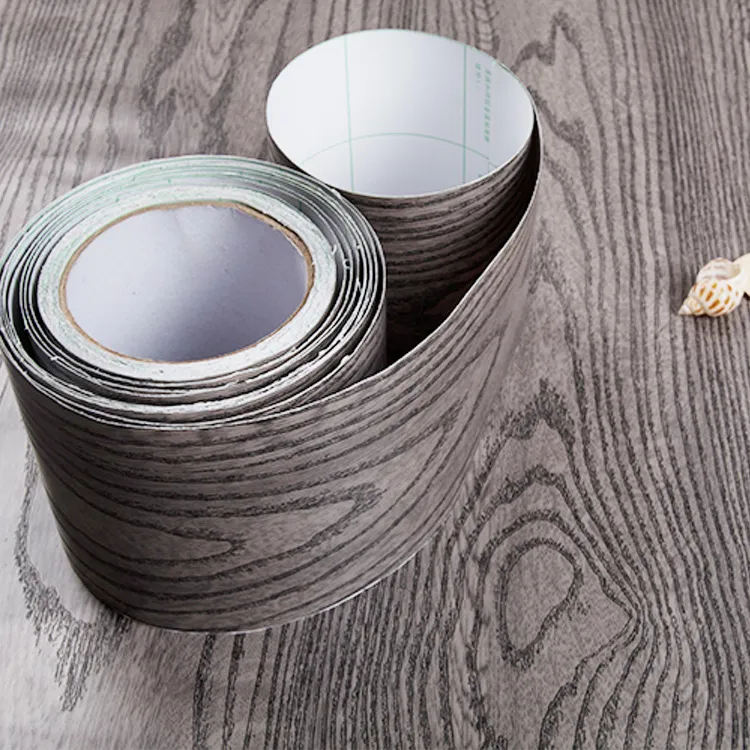
In the intricate world of Heating, Ventilation, and Air Conditioning (HVAC) systems, every component plays a vital role in ensuring efficiency, air quality, and comfort. Among these, air duct film is a critical yet often overlooked element. This specialized film is used to line, protect, and seal ductwork, preventing air leaks, inhibiting mold growth, and improving overall system performance. Understanding the types, applications, and correct installation methods for air duct film is essential for HVAC professionals, contractors, and even savvy homeowners looking to optimize their systems.
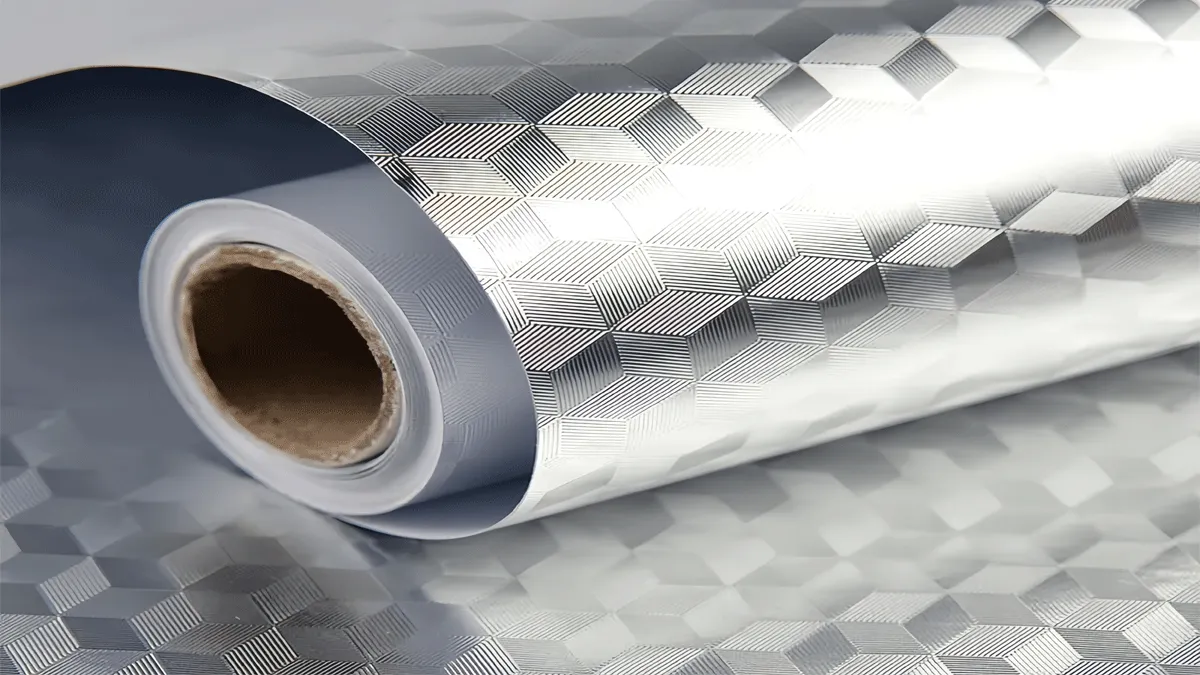
Air duct film, often made from durable, flexible polymer materials like PVC (Polyvinyl Chloride), is designed to create a seamless barrier within ductwork. Its primary function is to seal the interior surfaces of air ducts, preventing conditioned air from escaping and unconditioned air from entering. This not only conserves energy but also stops dust, allergens, and moisture from contaminating the airflow. High-quality films, such as those produced by specialized manufacturers, are engineered for longevity and resistance to the temperature fluctuations and air pressure common in HVAC systems.
The selection of air duct film depends on the specific requirements of the HVAC application. Here are the most common types:
These are impermeable films designed primarily to block moisture migration. In climates with high humidity or in applications where ducts run through unconditioned spaces (like attics or crawl spaces), vapor barriers are crucial. They prevent condensation from forming inside the ducts, which can lead to mold, mildew, and corrosion of the metal ductwork.
Some films are combined with fibrous insulation or have insulating properties themselves. These liners are attached to the interior of sheet metal ducts. They serve a dual purpose: providing thermal insulation to minimize heat gain/loss and acting as an acoustic liner to dampen the noise generated by air movement and mechanical equipment. For a versatile material used in various protective and decorative applications, explore Calendered Film.
This type features an adhesive backing, similar to a high-performance tape. It is used for sealing joints, seams, and connections in ductwork. The film conforms to irregular surfaces, creating a permanent, flexible seal that is superior to standard duct tape, which can dry out and fail over time.
Flexible ducts, often used in residential settings, have an integrated inner liner. This liner is a smooth film that minimizes air friction (pressure drop) and provides a non-porous surface that is easy to clean and resistant to microbial growth.
The application of air duct film extends across various scenarios in both new construction and retrofit projects.
New Ductwork Fabrication: During the manufacturing of sheet metal or flexible ducts, film liners or coatings are applied to create a smooth, sealed interior surface from the start. This is considered best practice for energy efficiency.
Duct Sealing and Repair: One of the most cost-effective HVAC upgrades is duct sealing. Mastic-backed films and specialized tapes are used to seal leaks at joints, seams, and connections in existing ductwork. The U.S. Department of Energy estimates that sealing duct leaks can improve system efficiency by 20% or more.
Lining Existing Ducts: In older systems with corroded or dirty interior surfaces, a new film liner can be installed. This process, known as duct relining, restores air quality and efficiency without the need for full duct replacement. It creates a new, clean, and sealed passage for airflow.
Specialized Environments: In hospitals, laboratories, or cleanrooms, antimicrobial or static-dissipative films may be used to meet strict hygiene and safety standards. For areas requiring aesthetic integration, such as visible ductwork in commercial spaces, decorative finishes similar to 3D Silk Texture Film can be conceptually applied, though specialized for duct surfaces.
Proper installation is paramount for air duct film to perform effectively. Incorrect application can lead to film failure, reduced efficiency, or even air quality issues.
1. Safety First: Ensure the HVAC system is powered off. Wear appropriate personal protective equipment (PPE) including gloves, safety glasses, and a dust mask.
2. Duct Inspection: Thoroughly inspect the ductwork. Look for large holes, significant corrosion, or areas with existing moisture damage. These may need repair before film application.
3. Surface Cleaning: The duct surface must be clean, dry, and free of dust, grease, and loose debris. Use a vacuum with a brush attachment and wipe surfaces with a damp cloth if necessary. Allow to dry completely.
Step 1: Identify Leaks. With the system running, feel for air leaks or use smoke pencils to visually identify escape points. Mark these areas.
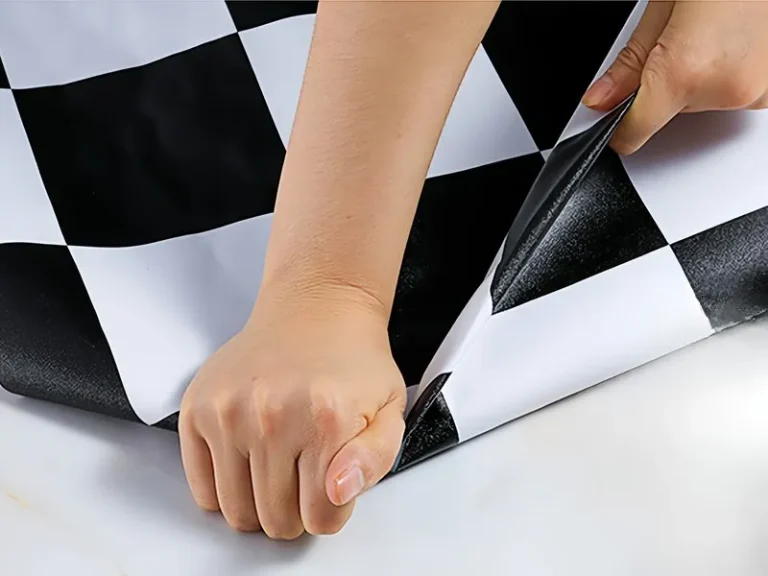
Step 2: Apply the Film. For mastic-backed films or sealing tapes, cut a piece slightly larger than the leak or seam. Peel off the backing and firmly press the film onto the surface, starting from the center and smoothing outwards to eliminate wrinkles and air bubbles.
Step 3: Ensure Adhesion. Use a roller or your fingers (with gloves) to apply even pressure across the entire film patch, especially at the edges, ensuring a complete bond.
Step 4: Overlap for Security. For long seams, apply the film in overlapping strips to create a continuous seal.
For best results, the ambient temperature should be between 40°F (4°C) and 100°F (38°C). Cold surfaces can prevent proper adhesion, while very hot surfaces can make the film too pliable.
This is a more complex process typically performed by professionals. It involves inserting a liner (often a tube of film and insulation) into the existing duct and inflating it with air. A special adhesive is then cured, bonding the liner to the old duct walls. This creates a “duct within a duct.” Given its complexity, consulting with an HVAC specialist is strongly recommended.
Not all films are created equal. When sourcing air duct film, consider:
No. Regular plastic sheeting is not designed for the temperature ranges, air pressure, and potential moisture within ductwork. It can melt, become brittle, tear easily, and may not have the necessary fire-resistant properties, creating a safety hazard.
When installed correctly on a prepared surface, a quality air duct sealant or liner film can last for the lifetime of the duct system, often 10-20 years or more. Its longevity is a key part of its value proposition.
Sealing accessible leaks at joints and seams with mastic-backed film can be a viable DIY task for a handy homeowner. However, relining the interior of ducts or sealing leaks in inaccessible areas (like inside walls) requires specialized tools and knowledge and should be left to certified HVAC technicians.
Yes, indirectly. By sealing leaks, it prevents dust, insulation fibers, and allergens from being sucked into the duct system from attics or wall cavities. A smooth film liner also provides a non-porous surface that is less likely to harbor mold and is easier to keep clean than bare sheet metal or fiberglass.
For more in-depth information on polymer films, their properties, and applications across various industries, a valuable resource is the Knowledge Center from industry suppliers.